
Table of Contents
Why Am I Missing Periods? Understanding Amenorrhea and Hormonal Health
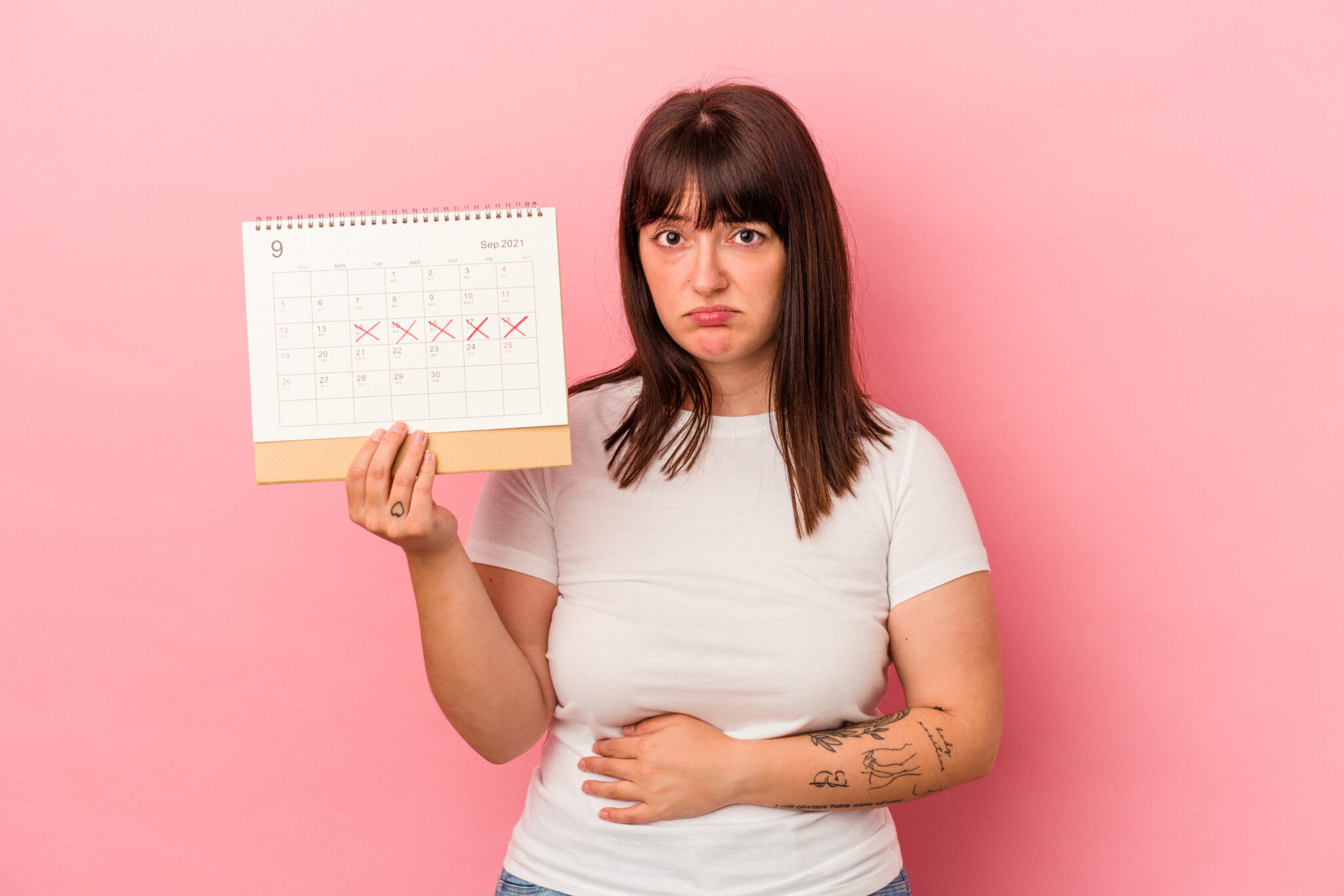
A missed menstrual cycle is often the body’s primary way of communicating that an internal physiological shift has occurred. While pregnancy is the most well-known reason for a late or absent period, it is far from the only cause. For many women, the question “Why am I missing periods?” leads to a complex intersection of lifestyle factors, endocrine health, and emotional well-being.
In a bustling coastal city like Visakhapatnam, women often navigate high-stress environments, dietary changes, and environmental factors that can disrupt the delicate hormonal balance required for regular menstruation. Whether you are experiencing a one-time delay or a chronic absence of cycles, understanding the underlying mechanisms is crucial. This guide provides a clinical overview of why cycles stop and how to regain your biological rhythm through informed healthcare choices.
What is Amenorrhea?
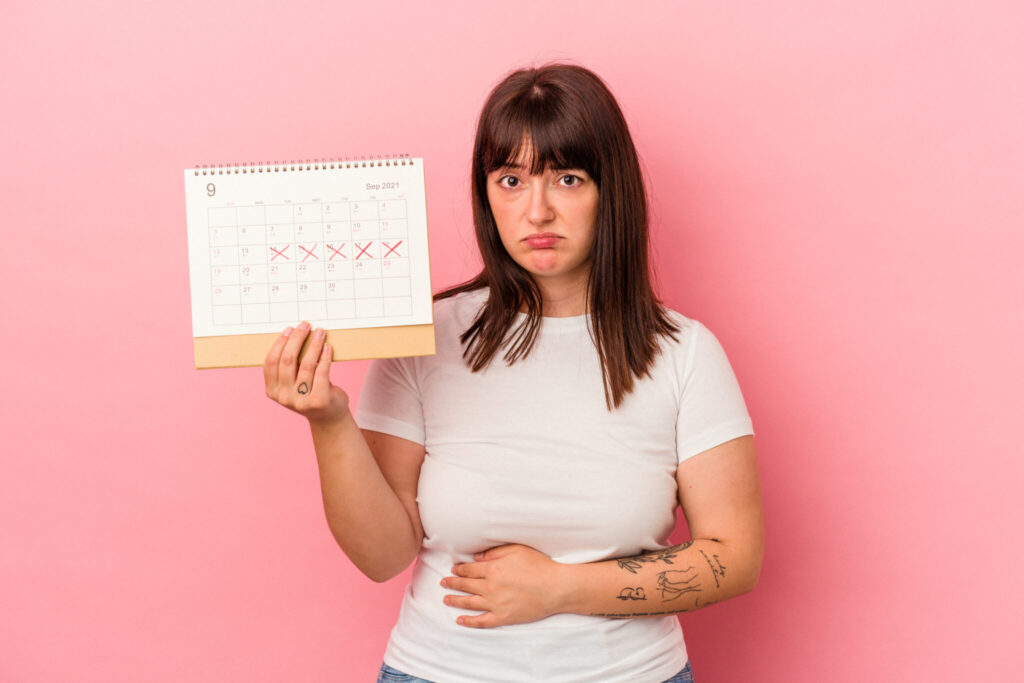
In clinical terms, missing periods is referred to as Amenorrhea. It is categorized into two types: Primary and Secondary. Primary amenorrhea occurs when a young woman has not started her period by age 15. Secondary amenorrhea—the focus of most adult concerns—is defined as the absence of three or more consecutive periods in a woman who previously had regular cycles, or six months of absence in those with irregular cycles.
This condition is not a disease in itself but rather a symptom of another medical issue or a physiological response to external changes. The process is governed by the Hypothalamic-Pituitary-Ovarian (HPO) axis, a complex feedback loop that can be easily disrupted by physical or mental triggers.
Common Causes and Symptoms of Missing Periods
The reasons for a halted cycle can range from temporary lifestyle shifts to chronic medical conditions. Below are the most frequent contributors:
1. Polycystic Ovary Syndrome (PCOS)
PCOS is a leading cause of missed periods. It involves an imbalance of reproductive hormones, specifically elevated androgens (male hormones). This prevents an egg from being released (ovulation), causing the period to be delayed or skipped entirely.
2. High Stress and Cortisol
The brain’s hypothalamus controls the menstrual cycle. When you are under intense stress, your body produces cortisol. High levels of this “stress hormone” can signal the brain to suppress ovulation to protect the body, as it perceives the environment as “unsafe” for potential pregnancy.
3. Significant Weight Fluctuations
Both extreme weight loss and obesity can stop a cycle. Low body fat can prevent the production of estrogen, while excess fat can lead to overproduction, both of which interfere with regular ovulation.
4. Thyroid Dysfunction
The thyroid gland regulates the body’s metabolism. An overactive thyroid (hyperthyroidism) or underactive thyroid (hypothyroidism) can cause periods to become very light or disappear altogether.
5. Early Menopause or POI
Primary Ovarian Insufficiency (POI) occurs when the ovaries stop functioning normally before age 40. This leads to missed periods and symptoms similar to menopause, such as hot flashes and night sweats.
Key Insights: Practical Guidance for Women
If you are tracking your cycles and notice a missed period, consider the following practical steps to help identify the trigger:
- Rule Out Pregnancy First: Even if you use protection, a pregnancy test is the first clinical step in any diagnostic process for missed periods.
- Track Your Stressors: Reflect on the past 30–60 days. Have you started a new job in Vizag, moved house, or experienced a personal loss?
- Evaluate Your Diet: Have you recently adopted an extreme calorie-restrictive diet or increased your exercise intensity significantly? “Athletic amenorrhea” is common in those who overtrain without adequate caloric intake.
- Check Your Medication: Certain medications, including antidepressants, chemotherapy, and some allergy medicines, can interfere with menstrual regularity.
When to Seek Medical Help
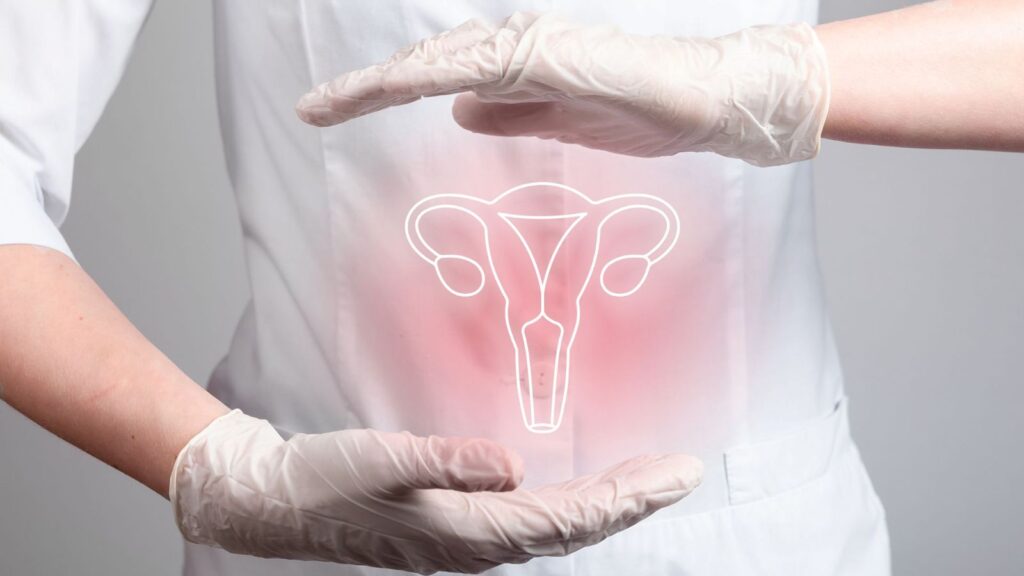
While one missed period might be a fluke due to travel or a cold, persistent absence requires a professional evaluation. You should search for a gynaecologist near me and book a consultation if:
- You have missed three consecutive periods.
- You are experiencing sudden, unusual hair growth on the face or chest (hirsutism).
- You have persistent headaches or vision changes.
- You notice nipple discharge when not breastfeeding.
- You are over age 15 and have never had a period.
- Your missed periods are accompanied by severe pelvic pain.
3. Madhurawada women’s healthcare
People in Visakhapatnam seeking women’s healthcare often consult qualified specialists to address concerns regarding menstrual health. Clinics in areas such as Madhurawada, MVP Colony, and Dwaraka Nagar provide access to advanced diagnosis and treatment for hormonal imbalances. Facilities like Vedanta Speciality Clinics are among those offering structured care for such conditions, ensuring that women in Vizag receive evidence-based interventions tailored to their local lifestyle and needs.
4. FAQ SECTION
Can a cold or the flu cause a missed period?
Yes. A severe illness or high fever is a physical stressor. This can temporarily disrupt the hypothalamus, the part of the brain that regulates your cycle, leading to a delayed or skipped period for that month. Your cycle usually returns to normal once you have recovered.
Is it normal to miss a period if I am not pregnant?
While missing a single period can happen due to stress or travel, it is not “normal” in a clinical sense. It is an indicator that your body did not ovulate. If it happens more than once, it is important to investigate the underlying cause, such as a thyroid issue or PCOS.
Can travel to or from Vizag affect my cycle?
Yes. Sudden changes in time zones, sleep patterns, and climate can impact your internal biological clock (circadian rhythm). Since the menstrual cycle is deeply tied to these rhythms, significant travel can lead to a late or missed period.
How does PCOS affect my period?
In PCOS, the ovaries develop small follicles (cysts) but fail to release an egg. Because ovulation does not occur, the hormonal trigger to shed the uterine lining is missing, resulting in long gaps between periods or a total absence of menstruation.
What is the link between missed periods and bone health?
Estrogen is vital for bone density. When you miss periods for a long time (especially due to low body weight or early menopause), your estrogen levels are low. This increases the risk of early-stage bone thinning or osteoporosis, making medical consultation essential.
Will my period return once I reduce my stress?
In many cases, yes. Once the “threat” of high cortisol is removed, the HPO axis typically resumes its normal function. However, if the cycle does not return within a couple of months of lifestyle stabilization, a clinical check-up is recommended to rule out other factors.
5. CONCLUSION
A missed period is more than just a calendar inconvenience; it is a vital sign that reflects your overall hormonal and metabolic health. Whether the cause is a temporary lifestyle shift or a condition requiring medical management, early detection is the key to long-term wellness. Understanding your body’s signals allows you to take proactive steps toward balance. Seeking guidance from an experienced women’s healthcare specialist can help ensure proper diagnosis and personalized care.



Leave a Comment