
Table of Contents
Severe Period Pain Causes & When to See a Doctor: A Clinical Overview
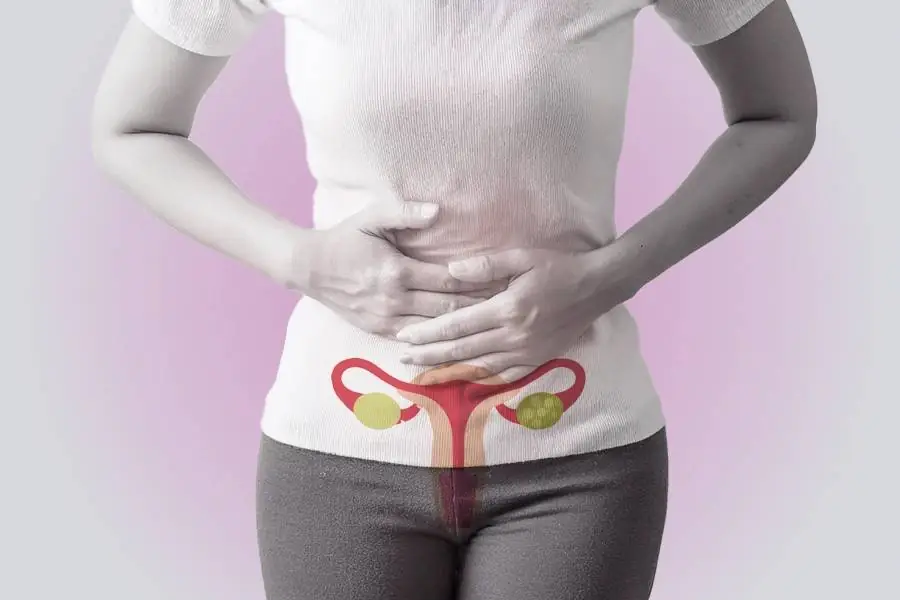
For many women, menstrual cycles involve a degree of discomfort. However, there is a significant clinical distinction between manageable “cramps” and debilitating pain that disrupts daily life. When discomfort prevents you from attending work, school, or social engagements, it is no longer considered a “normal” part of menstruation. Severe period pain, medically known as dysmenorrhea, often serves as an underlying signal for biological conditions that require professional intervention.
In a coastal urban hub like Visakhapatnam, the fast-paced lifestyle can often lead women to dismiss pelvic pain as stress-related. Yet, the persistent search for a gynaecologist near me suggests that many are seeking answers for pain that over-the-counter remedies cannot resolve. Understanding the root causes of this pain is the first step toward reclaiming your quality of life. This guide explores the medical reasons behind severe menstrual distress and provides clear markers for when you should seek clinical assistance.
What is Severe Period Pain (Dysmenorrhea)?
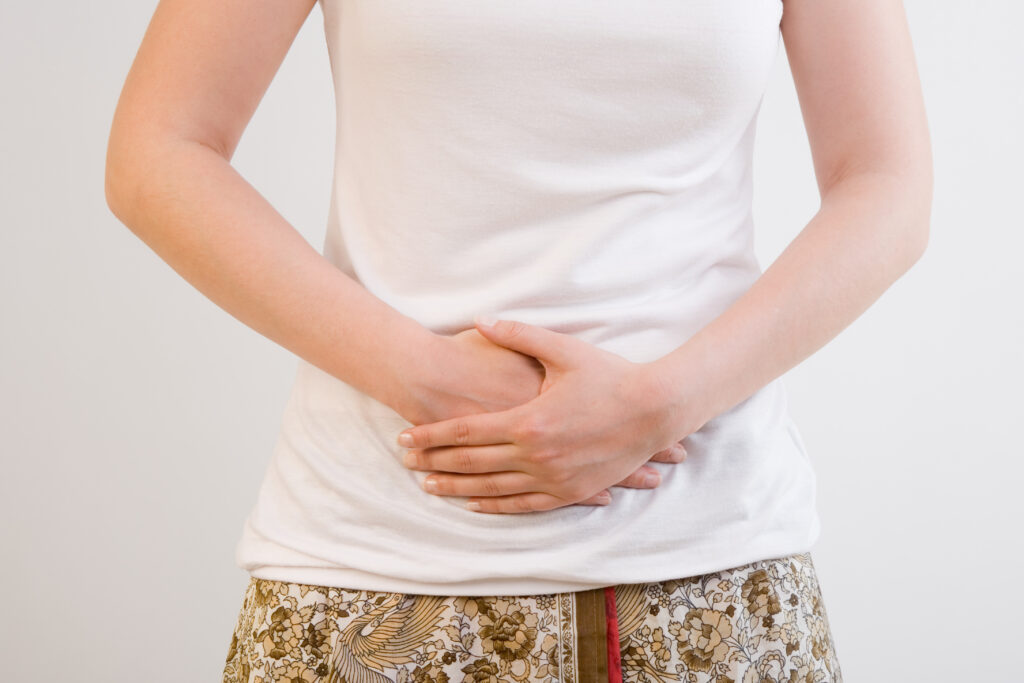
Severe period pain, or secondary dysmenorrhea, is characterized by intense, throbbing, or cramping pains in the lower abdomen that are significantly more severe than typical menstrual discomfort. Unlike primary dysmenorrhea, which is caused by the natural release of prostaglandins, secondary dysmenorrhea is usually linked to a physical disorder within the reproductive system.
Common characteristics of severe period pain include:
- Pain that starts earlier in the cycle and lasts longer than typical cramps.
- Discomfort that does not improve with standard NSAIDs (painkillers).
- Pain accompanied by other symptoms like heavy bleeding, nausea, or pain during intimacy.
- A worsening of symptoms over time as the individual ages.
Primary Causes and Clinical Explanations
When period pain reaches severe levels, several underlying conditions are typically involved. Identifying these requires a thorough diagnostic approach by a specialist.
1. Endometriosis
This is one of the most common causes of severe pelvic pain. Endometriosis occurs when tissue similar to the lining of the uterus grows outside the uterine cavity—on the ovaries, fallopian tubes, or the pelvic lining. This tissue continues to thicken, break down, and bleed with each cycle, but because it has no way to exit the body, it causes intense inflammation and scarring.
2. Adenomyosis
Often confused with endometriosis, adenomyosis occurs when the uterine lining grows into the muscular wall of the uterus. This results in an enlarged, “boggy” uterus, causing heavy menstrual flow and sharp, knife-like pelvic pain.
3. Uterine Fibroids
Fibroids are non-cancerous growths in the uterus. Depending on their size and location, they can cause significant pressure on the pelvic organs, leading to chronic pain and exceptionally heavy periods.
4. Pelvic Inflammatory Disease (PID)
PID is an infection of the female reproductive organs, usually caused by bacteria. If left untreated, it can cause chronic inflammation and scarring, leading to permanent pelvic pain that spikes during menstruation.
5. Cervical Stenosis
In some women, the opening of the cervix is so narrow that it impedes menstrual flow, causing a significant increase in pressure within the uterus, which results in intense pain.
Key Insights and Practical Guidance
Managing severe pain requires a balance of immediate relief and long-term diagnostic planning. If you are experiencing high levels of discomfort, consider these clinical insights:
- Document Your Pain: Keep a “pain diary” for three cycles. Note the intensity (on a scale of 1-10), the duration, and any associated symptoms like bloating or radiating leg pain.
- Assess Pain Quality: Is the pain localized to one side, or is it a general dull ache? Sharp, localized pain may indicate an ovarian cyst.
- Observe Lifestyle Triggers: In Vizag, high humidity and heat can lead to dehydration, which may exacerbate muscle cramping. Ensure consistent electrolyte intake during your cycle.
- Avoid Self-Diagnosis: While heat pads and herbal teas provide temporary comfort, they do not address the structural causes of secondary dysmenorrhea.
When to Seek Medical Help
It is critical to understand that “suffering through it” is not a medical strategy. You should consult a healthcare professional in Visakhapatnam if you experience any of the following:
- Loss of Function: If the pain prevents you from performing daily tasks or forces you to stay in bed for 1-2 days every month.
- Worsening Pain: If cramps have become significantly more painful over the last year.
- Heavy Bleeding: If you are soaking through one or more pads/tampons every hour for several hours.
- Intermenstrual Pain: If you experience pelvic discomfort during ovulation or at other times when you are not menstruating.
- Fever and Nausea: If severe pain is accompanied by signs of infection, such as fever or foul-smelling discharge.
3. Madhurawada women’s healthcare
People in Visakhapatnam seeking women’s healthcare often consult qualified specialists to address chronic pelvic distress. Clinics in areas such as Madhurawada, MVP Colony, and Dwaraka Nagar provide access to advanced diagnosis and treatment, including ultrasound and laparoscopy. Facilities like Vedanta Speciality Clinics are among those offering structured care for such conditions, ensuring that women in Vizag receive a clear diagnostic roadmap and personalized treatment plans for managing severe menstrual pain.
4. FAQ SECTION
Is severe period pain a normal part of being a woman?
No. While mild discomfort is common, pain that interferes with daily life or requires heavy medication is not normal. It is often a symptom of an underlying condition like endometriosis or fibroids that needs medical evaluation and management.
Why are my cramps getting worse as I get older?
Worsening cramps in adulthood (secondary dysmenorrhea) are often caused by conditions that develop over time, such as adenomyosis or uterine fibroids. Unlike teenage cramps, which often improve with age, these structural issues require specific clinical treatment to resolve.
Can stress in a city like Vizag make my period pain worse?
Stress can increase the production of prostaglandins and heighten your body’s sensitivity to pain. While stress does not cause endometriosis or fibroids, it can certainly exacerbate the inflammatory response, making existing period pain feel significantly more intense.
Will a gynaecologist do surgery for my period pain?
Not necessarily. Most gynaecologists start with conservative treatments, including hormonal therapy or anti-inflammatory protocols. Surgery, such as laparoscopy, is usually reserved for diagnosing and treating specific conditions like endometriosis or removing large fibroids that don’t respond to medicine.
How can I tell if my pain is from endometriosis?
Endometriosis pain often begins several days before your period starts and may involve pain during bowel movements, urination, or intimacy. If your pain is not relieved by common painkillers, it is a significant clinical indicator that endometriosis may be present.
What should I expect during a visit for period pain in Vizag?
A specialist will typically review your medical history, perform a physical pelvic exam, and likely request a pelvic ultrasound. This helps visualize the uterus and ovaries to rule out fibroids, cysts, or signs of adenomyosis.
5. CONCLUSION
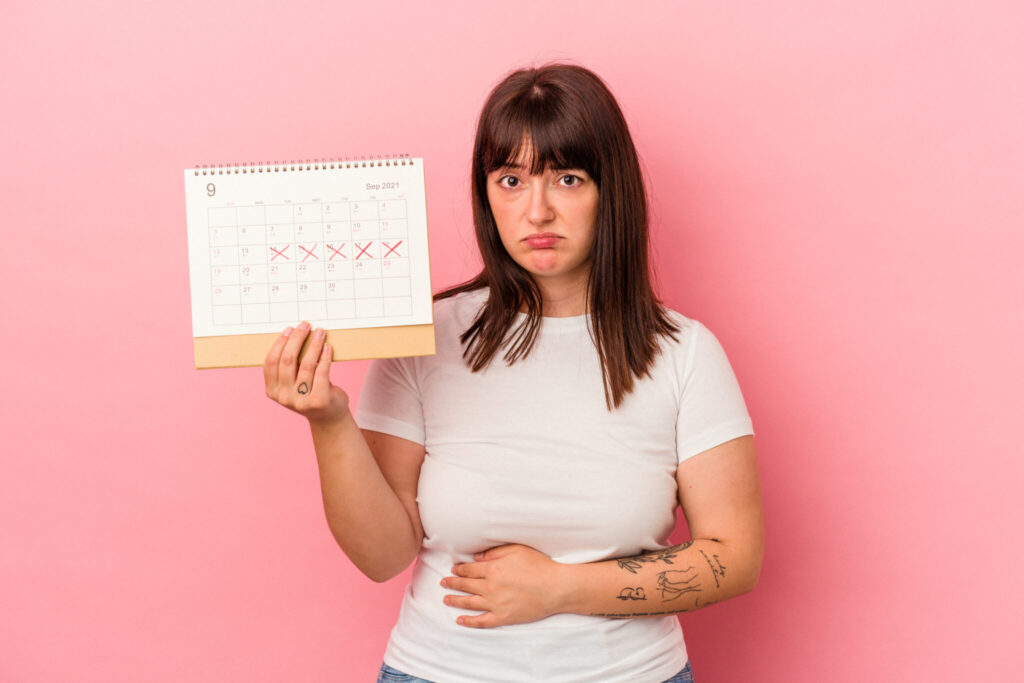
In summary, understanding severe period pain causes is essential for any woman experiencing debilitating cycles. Chronic pain is the body’s way of signaling that something requires attention—whether it is a hormonal imbalance or a structural issue like endometriosis. By moving beyond temporary relief and seeking a formal diagnosis, you can find a sustainable path to wellness. Seeking guidance from an experienced women’s healthcare specialist can help ensure proper diagnosis and personalized care.

Leave a Comment