

Table of Contents
Navigating Hormonal Health: What Does a Gynecologist Do for PCOS?
Discovering that you might have Polycystic Ovary Syndrome (PCOS) can feel overwhelming. You might be dealing with a mix of frustrating symptoms—like periods that never seem to arrive on time, sudden breakouts along your jawline, or weight changes that feel completely out of your control. It is incredibly common to feel isolated or confused about who to turn to for guidance.
A gynecologist diagnoses and manages PCOS by conducting comprehensive hormonal blood panels, performing high-resolution pelvic ultrasounds, and creating customized medical treatment plans. They prescribe specialized medications to regulate your menstrual cycle, treat underlying insulin resistance, manage androgen-driven hair and skin changes, and provide targeted fertility therapies if you are trying to conceive. For women living in coastal Andhra Pradesh, collaborating with a specialist ensures you receive evidence-based care tailored specifically to your body’s biological needs.
Defining PCOS and the Gynecologist’s Role
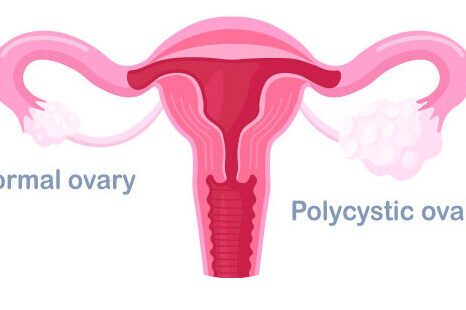
PCOS Definition: Polycystic Ovary Syndrome (PCOS) is a complex, systemic endocrine and metabolic disorder affecting women of reproductive age. It is primarily characterized by elevated levels of circulating androgens (male hormones), chronic ovulatory dysfunction (irregular or absent periods), and a characteristic polycystic appearance of the ovaries on an ultrasound scan, where multiple small, immature follicles accumulate due to incomplete development cycles.

Quick Reference: Clinical Pathways for Managed PCOS
| Healthcare Focus Area | What the Gynecologist Evaluates | Common First-Line Medical Interventions |
| Menstrual Cycle Regulation | Tracks ovulation patterns, variations in flow, and protects the inner lining of the womb from irregular buildup. | Low-dose combination birth control pills, cyclical oral progesterone therapies. |
| Metabolic Care | Evaluates signs of insulin resistance, steady weight gains, and checks fasting blood sugar levels. | Insulin-sensitizing medications (like metformin), detailed lifestyle and nutritional counseling. |
| Androgen Management | Investigates concerns like stubborn cystic acne, thinning scalp hair, or unwanted facial hair growth. | Anti-androgen medications, specific skin-targeted hormonal therapies. |
| Fertility & Conception Support | Assesses natural ovulation health, fallopian tube patency, and checks your partner’s parameters if needed. | Ovulation-inducing medications (such as letrozole), closely monitored cycle tracking. |
Causes: What Triggers the Development of PCOS?
While doctors look at how a gynecologist manages your care, it is equally helpful to understand what causes this condition to develop in the first place. PCOS is not caused by anything you did wrong; rather, it stems from a combination of biological and environmental factors.
1. Systemic Insulin Resistance
Insulin is a vital hormone produced by your pancreas that acts like a key, letting the sugar from the foods you eat enter your cells to be used for daily energy. When your body experiences insulin resistance, your cells do not respond effectively to that key. To compensate, your pancreas produces extra insulin. This excess insulin circulating in your bloodstream acts as a direct trigger for your ovaries, prompting them to produce too much testosterone and disrupting your natural ovulation cycle.
2. Low-Grade Internal Inflammation
Research shows that many women with PCOS experience a type of chronic, low-grade internal inflammation. This biological state can stimulate polycystic ovaries to produce even higher levels of male hormones, which can worsen skin breakouts and make weight management more challenging.
3. Shared Genetic Profiles
PCOS frequently runs in families. If your mother, aunt, or sister has navigated irregular periods, stubborn adult acne, or struggled with fertility, your body may share a similar genetic blueprint that predisposes you to metabolic and hormonal sensitivities.
Symptoms: How PCOS Shows Up in Everyday Life
Because PCOS impacts both your metabolic and reproductive systems, its symptoms can vary quite a bit from person to person.
Cycle and Ovulation Indicators
- Highly Unpredictable Periods: Experiencing cycles that regularly stretch past 35 days, missing your period for multiple consecutive months, or dealing with unexpected spotting.
- Intensely Heavy Bleeding: When a late period finally arrives, the lining that built up over several months can shed all at once, leading to a very heavy or uncomfortable flow.
Skin and Hair Alterations
- Stubborn Jawline Acne: Developing deep, painful cystic breakouts along your chin, jaw, or upper neck that do not improve with typical over-the-counter skincare.
- Unwanted Hair Growth: Noticing coarser, darker hair growing on your face, chest, or stomach, a pattern known clinically as hirsutism.
- Thinning Scalp Hair: Noticing more hair than usual gathering in your shower drain, or seeing a widening of your hair part.
Metabolic Challenges
- Stubborn Weight Gain: Experiencing unexpected weight gain around your midsection that feels unusually resistant to standard exercise habits.
- Velvety Skin Patches: Noticing smooth, darkened patches of skin in natural creases, such as around the back of your neck or under your arms, which is a common physical sign of high insulin levels.
Risk Factors: Long-Term Aspects of the Condition
PCOS is a lifelong metabolic condition that requires regular, thoughtful care to prevent minor symptoms from developing into more serious health concerns over time.
- Elevated Estrogen Exposure: When periods are delayed for months, the inner lining of the uterus remains exposed to continuous estrogen without the balancing effect of progesterone. Over many years, this can increase the risk of cellular changes in the uterine lining.
- Metabolic Risks: Left unmanaged, long-term insulin resistance can increase your risk of developing type 2 diabetes or high blood pressure later in life.
- Cardiovascular Health Shifts: The hormonal imbalances seen in PCOS can sometimes lead to changes in your cholesterol levels, highlighting the importance of early protective lifestyle habits.
Diagnosis: How a Gynecologist Confirms PCOS
Confirming a diagnosis of PCOS does not rely on a single test. Instead, specialized gynecologists use an internationally recognized framework called the Rotterdam Criteria. To receive a clear diagnosis, a woman must meet at least two of the following three markers:
The Diagnostic Criteria
- Irregular Ovulation Patterns: Having irregular periods or experiencing a complete absence of a menstrual cycle.
- Elevated Androgen Levels: Showing signs of high male hormones, either through physical changes (like facial hair or acne) or confirmed through detailed blood tests.
- Polycystic Ovaries on an Ultrasound: An imaging scan showing 12 or more small, immature follicles arranged like a string of pearls along the outer edge of one or both ovaries.
What to Expect During an Evaluation
Your visit will typically begin with a supportive conversation about your cycle history, health changes, and any family patterns. Your doctor will likely order a comprehensive blood test to evaluate your thyroid function, prolactin levels, and metabolic health. Finally, a gentle transvaginal or abdominal ultrasound will be performed to get a clear look at your ovaries and the thickness of your uterine lining.
Treatment Options: How Your Gynecologist Helps
Once your evaluation is complete, your gynecologist will partner with you to build a treatment plan that fits your life stage and personal goals.
                  ┌────────────────────────────────┐
                  │ Clinical Approaches for PCOS   │
                  └───────────────┬────────────────┘
                                  │
         ┌────────────────────────┼────────────────────────┐
         ▼                        ▼                        ▼
┌──────────────────┐     ┌──────────────────┐     ┌──────────────────┐
│ Cycle Regulation │     │ Androgen Control │     │ Fertility Care   │
└──────────────────┘     └──────────────────┘     └──────────────────┘
Low-dose medications     Anti-androgens help      Ovulation-induction
protect your uterus,     clear stubborn acne      therapies assist you
ensuring a regular,      and reduce unwanted      in safely conceiving
healthy flow.            facial hair over time.   when you are ready.
Regulating Your Menstrual Cycle
If you are not currently planning a pregnancy, your gynecologist’s primary goal will be to ensure your uterine lining sheds regularly. They may prescribe a low-dose combination birth control pill, which provides a steady balance of estrogen and progesterone. This helps regulate your period, significantly reduces heavy bleeding, and protects your long-term uterine health. If you prefer not to take a daily pill, your doctor may suggest taking a short course of oral progesterone every few months to trigger a safe, predictable period.
Managing Stubborn Skin and Hair Changes
To help clear stubborn cystic acne or reduce excess hair growth, a gynecologist can prescribe anti-androgen medications like spironolactone. These treatments work by lowering the active effect of male hormones on your hair follicles and skin glands. Because these medications take time to work with your body’s natural growth cycles, your doctor will guide you through what to expect over a few months of consistent care.
Enhancing Fertility and Ovulation
If your main goal is welcoming a new baby into your family, your gynecologist will adjust your care plan to focus on supporting ovulation. They will often prescribe oral medications like letrozole or clomiphene, taken during the early days of your cycle, to encourage your ovaries to mature and release a healthy egg. Your doctor can also use routine ultrasounds to monitor your progress, helping you feel supported and informed every step of the way.
Lifestyle Management: Foundations for Daily Success
While medical treatments are highly effective, the daily choices you make play an equally important role in managing PCOS. Combining medical care with hormone-friendly daily habits creates a wonderful foundation for long-term health.
- Choose Whole, Fiber-Rich Foods: Focus on adding complex carbohydrates, such as quinoa, brown rice, whole oats, and plenty of fresh vegetables, to your meals. These foods take longer to digest, which helps prevent sudden spikes in your blood sugar and reduces the strain on your body’s insulin response.
- Incorporate Mindful Movement: You don’t need to push yourself through exhausting, intense workouts to see benefits. Enjoyable, regular exercise—like a brisk morning walk through the beautiful neighborhoods of Madhurawada or a relaxing swim in Vizag—helps your muscles absorb blood sugar more efficiently, which naturally lowers insulin resistance.
- Prioritize Restful Sleep: Aim for 7 to 8 hours of quiet, consistent rest each night. Quality sleep helps regulate your body’s daily stress hormones, keeping your metabolism steady and supported.
Myth vs. Fact: Finding Clarity in PCOS Care
There is a lot of conflicting information out there about PCOS. Clearing up common misconceptions can help you feel more confident as you manage your health.
- Myth:If you have PCOS, it means you have multiple dangerous cysts on your ovaries that require surgery.
- Fact: The term “polycystic” is actually a bit of a misnomer. These are not dangerous tumors or fluid cysts that need to be removed; they are simply tiny, completely harmless, immature follicles that paused in their development. They rarely require surgical treatment.
- Myth:Women diagnosed with PCOS cannot get pregnant.
- Fact: While irregular periods can make tracking your fertile window more challenging, PCOS is a very manageable cause of infertility. With modern ovulation-induction medications and guidance from a specialist, many women go on to have beautiful, healthy pregnancies.
- Myth:You must completely cut out all carbohydrates from your diet to improve your symptoms.
- Fact: Your body needs carbohydrates for daily energy. Instead of avoiding them entirely, the goal is to choose high-fiber, complex options like lentils, whole grains, and fresh vegetables, while enjoying refined sugars and processed foods in moderation.
When Should You Consult a Doctor?
It is always a good idea to listen to your body and seek professional support early on. You should schedule a comprehensive clinical evaluation if you notice any of these persistent signs:
- Your menstrual cycles are highly unpredictable, routinely skipping months, or arriving more than 35 days apart.
- You have missed your period entirely for three or more consecutive months and are not pregnant.
- You are dealing with sudden, worsening changes in your skin or hair, such as deep cystic acne on your jawline or new hair growth on your face.
- You have been actively trying to conceive for 12 months (or 6 months if you are over 35) without success.
Summary: Partnering for a Healthier Future
Navigating PCOS can feel like a journey, but it is one you do not have to walk alone. A compassionate gynecologist can help clear up the confusion by explaining the underlying science, confirming an accurate diagnosis, and offering a variety of modern medical paths to help you feel like yourself again.
If you are looking for specialized care near Visakhapatnam or live within the growing coastal communities of Andhra Pradesh, local medical facilities provide wonderful diagnostic resources and expert guidance. By focusing on balanced daily nutrition, staying active, and partnering with a doctor who listens, you can effectively manage your symptoms, balance your hormones, and take confident charge of your long-term health.

Frequently Asked Questions
1. Does a gynecologist treat the root causes of PCOS or just the symptoms?
A gynecologist focuses on both. They use targeted medications like birth control or progesterone to manage day-to-day symptoms and protect your uterine lining, while also addressing underlying root causes, like prescribing insulin-sensitizing treatments to support your overall metabolic health.
2. Can letrozole help me conceive safely if I have irregular periods from PCOS?
Yes, letrozole is widely considered a highly effective, first-line oral medication for women with PCOS who are trying to conceive. It works by gently encouraging your brain to release the hormones needed to mature and release a healthy egg.
3. Will my gynecologist recommend surgery to remove ovarian follicles?
No, surgery is rarely recommended for these follicles. Because they are simply tiny, immature eggs that paused in their natural development due to hormonal shifts, they are completely harmless and are managed safely using medical and lifestyle approaches.
4. How long does it typically take to see improvements in acne or facial hair with treatment?
Because hair and skin cells have natural, slow growth cycles, it typically takes about 3 to 6 months of consistent medical treatment to notice clear, lasting improvements in acne or hair patterns.
5. Why do I need to take progesterone if my period only arrives every few months?
When your body skips periods, the inner lining of your uterus continues to be exposed to estrogen without the balancing effect of progesterone. Taking cyclical progesterone ensures your lining sheds completely and safely, which protects your long-term uterine health.
6. Can a gynecologist diagnose PCOS if my periods are regular?
Yes, it is possible. Under the Rotterdam Criteria, if you have regular periods but show clear signs of elevated male hormones (such as facial hair or specific blood test markers) and an ultrasound shows a polycystic pattern in your ovaries, your doctor can confirm a diagnosis.
7. What is the difference between a reproductive endocrinologist and a gynecologist for PCOS?
A general gynecologist can expertly diagnose PCOS and manage your everyday care, cycle regulation, and initial fertility needs. A reproductive endocrinologist is a sub-specialist who focuses deeply on complex fertility pathways and advanced reproductive technologies if extra support is needed down the road.
8. Does metformin help with weight management if you have PCOS?
Metformin is an insulin-sensitizing medication that helps your body use its natural insulin more effectively. While its primary goal is improving blood sugar balance and restoring regular ovulation, many women find that improved insulin levels naturally support their daily weight management efforts.



Leave a Comment