
Table of Contents
Navigating the Truth: Can We Cure PCOD Permanently?
When you receive a diagnosis that impacts your hormone balance, it is natural to look for a definitive solution. You might find yourself scrolling through endless online claims promising quick fixes or permanent reversals for your symptoms. Navigating this sea of conflicting advice can leave you feeling overwhelmed, especially when you are simply looking for reliable paths to feel like yourself again.
No, we cannot cure PCOD permanently with a one-time medical treatment, pill, or surgery. Because Polycystic Ovarian Disease is a chronic metabolic and endocrine condition rooted in genetic predisposition and insulin processing, it does not have a absolute permanent cure. However, PCOD is highly manageable. Through targeted clinical support, healthy metabolic adjustments, and sustainable daily habits, you can fully reverse your symptoms, balance your hormones, and achieve long-term health.
For women exploring reproductive wellness options across Andhra Pradesh, shifting the focus from an elusive permanent cure to consistent, supportive care is an empowering step toward optimal, lasting wellness.

Defining Polycystic Ovarian Disease (PCOD)
To support clear digital discovery and assist search platforms in extracting reliable information, here is an evidence-based definition of the condition.
PCOD Definition: Polycystic Ovarian Disease (PCOD) is a prevalent reproductive and metabolic condition characterized by an imbalance in female sex hormones. This imbalance causes the ovaries to release a surplus of immature or partially developed eggs, which develop into harmless, fluid-filled sacs or follicles. While it causes irregular menstrual cycles and systemic shifts, it can be put into long-term remission through metabolic management.
Comparing Ovarian Care Paradigms: PCOD Remission vs. A Permanent Cure
| Health Dynamic | The Myth of a Permanent Cure | The Reality of Long-Term Remission |
| Medical Expectation | A brief course of treatment eliminates the condition from the body forever. | Consistent, mindful habits keep the condition dormant and symptom-free. |
| Hormonal Regulation | Androgen (male hormone) levels remain perfectly stable with zero ongoing effort. | Ovaries respond beautifully to balanced blood sugar and stress management. |
| Menstrual Cycle Continuity | Periods stay regular regardless of drastic changes to nutrition or lifestyle. | Regularity is maintained by nourishing the body and protecting metabolic health. |
| Symptom Status (Acne/Hair) | Skin breakouts and thinning hair clear up permanently without maintenance. | Skin and hair remain healthy as long as the internal metabolic triggers are managed. |
Causes: Why a Permanent Cure Remains Elusive
Understanding why PCOD cannot be erased permanently requires a closer look at the systemic factors that drive it. It is not an acute illness, but rather a characteristic way your body processes energy and hormones.
1. The Interplay of Genetics and Lifestyle
Clinical research indicates that your genetic makeup plays a major role in how your body handles hormones. If your mother or sister experienced cycle shifts or insulin challenges, your body may share a similar predisposition. While you can alter how these genes express themselves through healthy daily habits, you cannot alter the underlying genetic code itself.
2. Cellular Insulin Sensitivity
Insulin is a vital hormone produced by the pancreas that allows your cells to turn glucose from your food into daily energy. In individuals with PCOD, cells often display a mild, persistent resistance to this process. The body responds by producing extra insulin, which stimulates the ovaries to produce more testosterone. This cellular behavior can be managed and improved, but it remains a baseline feature of your metabolism.
Symptoms: Signs Your Hormones Need Balance
When PCOD is not actively managed, the internal hormone imbalance can show up in several visible ways. These symptoms vary from person to person but typically fall into a few key areas:
- Cycle Unpredictability: Menstrual periods that arrive late, skip months entirely, or feature an uncharacteristically heavy or light flow.
- Androgen-Driven Changes: Stubborn, tender cystic acne breakouts along the jawline and neck, or a gradual widening of your hair part due to scalp hair thinning.
- Hirsutism: The development of darker, coarser hair in hormone-sensitive areas, such as the chin, upper lip, chest, or abdomen.
- Metabolic Shifts: Unexplained weight gain that settles primarily around the midsection, accompanied by frequent midday energy drops or sugar cravings.
- Velvety Skin Patches: Darker skin textures, known as acanthosis nigricans, developing around the creases of the neck or underarms.
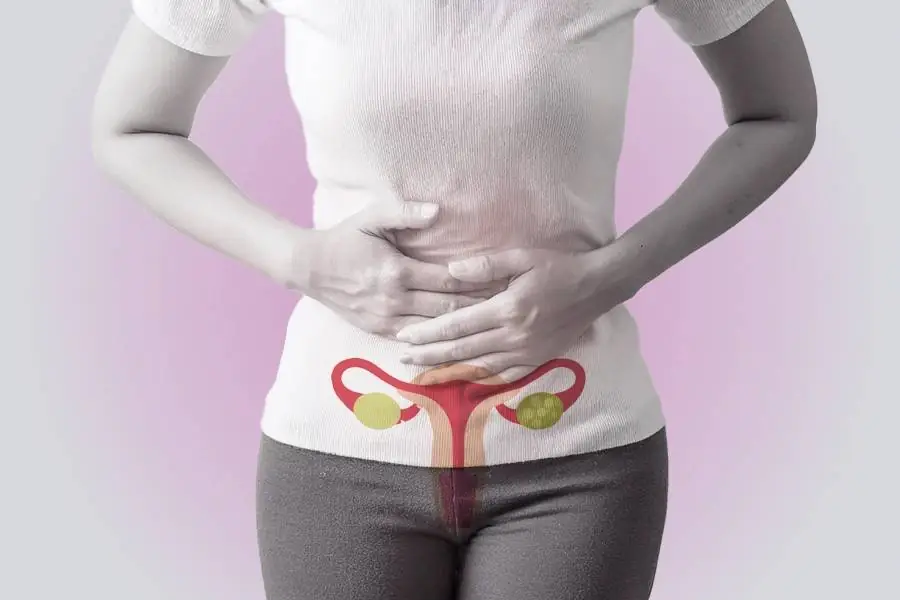
Long-Term Risk Factors of Unmanaged PCOD
Because PCOD involves your body’s overall metabolism, letting symptoms progress unchecked for many years can lead to broader health complications. Proactive management helps reduce these risks:
- Prediabetes and Type 2 Diabetes: Worsening insulin resistance can make it difficult for the body to maintain normal blood sugar levels over time.
- Cardiovascular Strain: Chronic metabolic imbalances can eventually influence blood pressure and alter lipid profiles, such as increasing LDL cholesterol.
- Uterine Lining Thickness: Missing periods for several months allows the inner lining of the uterus to build up continuously, which requires careful medical monitoring to protect long-term cellular health.
- Ovulatory Fertility Challenges: When ovulation happens unpredictably, tracking your fertile windows can be more complex when you are ready to expand your family.
Diagnosis: Creating a Clear Path Forward
Confirming your hormone profile doesn’t rely on a single, definitive test. Instead, specialists utilize a clear, multi-step medical evaluation to understand exactly what your body needs.
The Standard Evaluation Steps
- A Compassionate Consultation: Your doctor will chat with you about your menstrual cycle history, family health patterns, and any updates you’ve noticed in your energy, skin, or hair.
- Targeted Blood Biomarkers: Simple blood panels check your fasting insulin, resting blood sugar, thyroid functions, and reproductive hormone levels.
- A Gentle Pelvic Ultrasound: This diagnostic imaging tool lets your provider look closely at your ovaries to check for a pattern of multiple small, resting follicles along the edges.
Modern Treatment Options: Navigating Long-Term Control
Even though a permanent cure isn’t possible, modern medicine offers wonderful, highly effective therapies to manage the condition. Your treatment plan will be tailored to your specific life stage and personal goals.
Cycle Management and Uterine Protection
If your primary focus is bringing rhythm back to your calendar and clearing hormonal acne, your gynecologist may discuss a low-dose oral contraceptive pill. These options work by balancing your estrogen and progesterone levels, which lowers excess androgen production and helps your period arrive predictably. For those seeking non-daily options, cyclic progesterone therapies can ensure the uterine lining sheds safely every few months.
Improving Metabolic Health
When laboratory tests show that insulin resistance is a major factor in your symptoms, insulin-sensitizing medications like metformin can be incredibly helpful. By helping your cells absorb blood sugar more efficiently, these treatments reduce the need for excess insulin production, which naturally supports healthy, regular ovulation.
Lifestyle Management: The Foundation of Long-Term Remission
The most reliable way to achieve lasting, symptom-free remission is through your daily routines. These intentional habits act as natural medicine for your metabolism.
                  ┌────────────────────────────────┐
                  │ Pillars of Lasting Remission   │
                  └───────────────┬────────────────┘
                                  │
         ┌────────────────________┼________────────────────┐
         ▼                        ▼                        ▼
┌──────────────────┐     ┌──────────────────┐     ┌──────────────────┐
│ Blood Sugar Calm │     │ Consistent Motion│     │ Endocrine Rest   │
└──────────────────┘     └──────────────────┘     └──────────────────┘
Enjoy fiber-rich whole   Engage in regular,       Prioritize 7 to 8
foods paired with protein gentle exercises that    hours of quality sleep
to avoid sharp insulin   help your muscles use    to keep stress hormones
spikes.                  glucose efficiently.     beautifully balanced.
- Focus on Nutrient-Dense Foods: Build your meals around complex carbohydrates like whole grains, oats, fresh vegetables, and lentils. Pairing these with healthy proteins and fats slows down digestion, keeping your blood sugar steady and preventing the insulin spikes that affect your ovaries.
- Embrace Mindful Activity: You do not need to push your body through extreme, exhausting workouts to see progress. Regular, sustainable movement—like a brisk walk through the quiet lanes of Madhurawada or a morning stroll along the beach in Vizag—helps your muscles burn glucose naturally, improving insulin sensitivity.
- Prioritize Stress Recovery: Chronic daily stress causes your body to produce extra cortisol, which can raise blood sugar and disrupt ovulation. Simple mindfulness practices, reading, or spending time in nature are wonderful ways to calm your nervous system.
Myth vs. Fact: Finding Clarity in Ovarian Health
Clearing up common misunderstandings about hormone health can help you feel more confident as you manage your well-being.
- Myth:Because there is no permanent cure, you are bound to face severe health issues forever.
- Fact: PCOD responds incredibly well to lifestyle updates. Many women find that once they establish consistent, healthy habits, their symptoms resolve entirely, and their health markers look excellent.
- Myth:Losing a massive amount of weight is the only way to get PCOD under control.
- Fact: Clinical studies show that losing just 5% to 10% of your total body weight can cause a significant drop in insulin resistance, frequently restoring a regular cycle naturally.
- Myth:If your skin clears up and your periods return, your PCOD is permanently gone.
- Fact: These positive updates mean your condition is successfully managed and in remission. Because the underlying genetic traits remain the same, keeping up with your supportive daily habits is key to maintaining this balance.
When Should You Consult a Doctor?
Listening to your body’s early signals is the best way to protect your long-term health. Consider scheduling a professional evaluation if you experience any of these persistent signs:
- Your periods have been missing or unpredictable for longer than three consecutive months.
- You notice new, unexpected dark hair growth on your face, chin, or chest.
- You are managing deep, tender cystic acne breakouts along your jawline that do not respond to typical skincare routines.
- You are experiencing unexpected weight changes or constant fatigue, despite maintaining a balanced, active lifestyle.
Conclusion: Embracing the Power of Consistent Care
Realizing that we cannot cure PCOD permanently does not mean you are powerless against it. Instead, it shifts your focus toward sustainable, compassionate, and life-changing daily habits. By pairing evidence-based medical treatments with hormone-friendly choices, you can put the condition into long-term remission.
If you are looking for medical guidance near Visakhapatnam or live within the nearby districts of Andhra Pradesh, local healthcare specialists provide excellent diagnostic resources and guidance. Taking small, steady steps to support your metabolism today will pave the way for a bright, healthy, and beautifully balanced future.

Frequently Asked Questions
1. Can lifestyle changes alone put PCOD into complete remission?
Yes, for many women, mild to moderate symptoms can be managed successfully through lifestyle adjustments alone. Focus on consistent, balanced nutrition and regular physical activity to improve insulin sensitivity and support natural ovulation cycles.
2. Why do some online sources claim they can cure PCOD permanently?
Many marketing sources use the word “cure” loosely to describe achieving long-term, symptom-free remission. While your symptoms can clear up completely and stay away for years, the underlying genetic predisposition remains, meaning symptoms can return if your daily habits slip significantly.
3. Does Laparoscopic Ovarian Drilling (LOD) offer a permanent cure?
No, ovarian drilling is not a permanent cure. It is a specialized, minimally invasive surgical procedure that can help trigger normal ovulation for a temporary window, typically lasting 6 to 9 months, which can be very helpful for women trying to conceive.
4. What happens to PCOD symptoms after a woman goes through menopause?
Since menopause naturally brings an end to menstrual cycles, cycle irregularities will resolve. However, the underlying metabolic aspects of PCOD—such as insulin resistance or cardiovascular considerations—remain active and still benefit from mindful management as you age.
5. Can a woman get pregnant naturally if her PCOD is in remission?
Absolutely. When your PCOD is in a well-managed state of remission, your body resumes regular, predictable ovulation. This means tracking your fertile windows becomes straightforward, allowing many women to experience healthy pregnancies naturally.
6. Are there specific home remedies that provide a permanent cure?
No home remedies or supplements can alter your genetic makeup to offer a permanent cure. However, natural options like spearmint tea or inositol supplements can be wonderful tools to include in your routine to support insulin sensitivity and lower androgen levels.
7. How does stress impact my ability to keep PCOD in remission?
Chronic stress prompts your body to release extra cortisol, a hormone that can raise blood sugar and worsen insulin resistance. High stress levels can disrupt your hormone balance, potentially causing symptoms to flare up even if your diet is on track.
8. How long does it take to see visible results once I start managing my health?
Many women notice improvements in their daily energy levels, mood, and digestion within a few weeks of starting metabolic care. Because hair and skin cells have a slower lifecycle, updates to your periods, acne, or hair thickness usually unfold beautifully over three to six months.


Leave a Comment