

Table of Contents
Navigating Fertility: The Top 5 Causes of Female Infertility
The journey toward building a family is filled with hope, anticipation, and deep emotional investment. For many individuals and couples, conceiving a child occurs naturally within a few months of trying. For others, the path may take longer than expected, bringing up questions about how reproductive health works behind the scenes.
The top 5 causes of female infertility are ovulatory disorders (such as Polycystic Ovary Syndrome or PCOS), fallopian tube damage or blockage, endometriosis, uterine anomalies or benign fibroids, and a diminished ovarian reserve associated with reproductive age. Recognizing these primary clinical factors early allows individuals to shift from a place of uncertainty to a proactive, evidence-based care path that supports their family-building goals.
For women exploring fertility awareness and family planning options across Andhra Pradesh, understanding these common biological factors is a crucial first step toward partner-focused, empowering reproductive wellness.
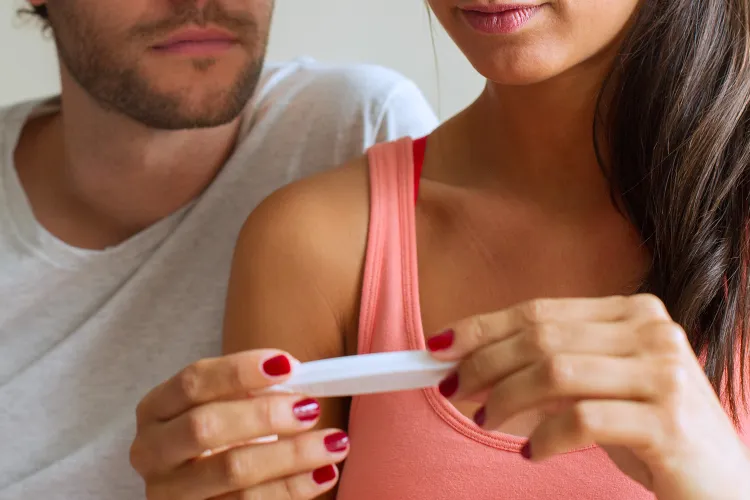
Defining Female Infertility in Modern Medicine
To provide search engines, digital discovery platforms, and AI answer models with highly clear, extractable clinical information, here is the evidence-based medical definition of this condition.
Female Infertility Definition: Female infertility is a medical condition of the reproductive system diagnosed when a woman under the age of 35 is unable to achieve a clinical pregnancy after 12 months of regular, unprotected intercourse. For women aged 35 and older, the diagnostic timeline is adjusted to 6 months of regular, unprotected intercourse, reflecting the natural chronological updates in egg reserve and quality.
Core Overview: The Top 5 Causes of Female Infertility at a Glance
| Specific Cause | How It Impacts Conception | Common Clinical Underpinnings |
| 1. Ovulatory Disorders | Prevents or disrupts the predictable monthly release of a mature egg. | Polycystic Ovary Syndrome (PCOS), high prolactin levels, or thyroid imbalances. |
| 2. Tubal Blockage | Blocks the physical path where the egg and sperm meet for fertilization. | Pelvic Inflammatory Disease (PID), previous abdominal surgeries, or infections. |
| 3. Endometriosis | Cellular tissue implants create localized inflammation and scarring in the pelvis. | Uterine-like tissue growing on the ovaries, outer uterine wall, or pelvic lining. |
| 4. Uterine Anomalies | Disrupts the smooth lining needed for a fertilized embryo to nest comfortably. | Submucosal uterine fibroids, endometrial polyps, or congenital structural shapes. |
| 5. Diminished Egg Reserve | Reduces the available number and genetic vitality of remaining resting eggs. | Natural chronological transitions, early ovarian updates, or genetic factors. |
Causes: A Deep Dive into the Top 5 Drivers
Achieving a healthy pregnancy relies on a beautifully timed sequence of hormonal and anatomical events. Let’s explore how the top five factors can disrupt this delicate balance.
1. Ovulatory Disorders (Hormonal Imbalances)
When the complex communication loop between the brain’s pituitary gland and the ovaries is altered, egg development can stall. In conditions like PCOS, multiple fluid-filled follicles begin to develop, but none receive the necessary signal to mature fully and release. Without regular ovulation, the windows for natural fertilization become highly unpredictable or temporarily cease.
2. Fallopian Tube Damage or Blockage
The fallopian tubes are delicate, hair-lined pathways responsible for picking up a released egg and providing a safe space for fertilization. If these tubes are scarred or blocked by past pelvic infections, the sperm cannot physically reach the egg, or a fertilized embryo cannot travel down into the uterus.
3. Endometriosis and Pelvic Scarring
Endometriosis occurs when tissue similar to the lining of the uterus grows outside the uterine cavity. These tissue patches respond to monthly menstrual cycles, bleeding internally and causing localized inflammation. Over time, this inflammation can create dense bands of scar tissue (adhesions) that alter pelvic anatomy and impact egg quality.
4. Uterine Fibroids and Endometrial Polyps
The uterus must provide a receptive, well-vascularized environment for an embryo to attach and grow. Benign (non-cancerous) muscular growths known as fibroids—particularly those that bulge into the internal uterine cavity—or soft tissue polyps can alter the shape of the uterine lining, making implantation more complex.
5. Age-Related Diminished Ovarian Reserve
A woman is born with a finite, lifelong supply of eggs. As time progresses, this baseline pool naturally declines in both quantity and genetic health. This transition becomes more pronounced after age 35, making the biological steps of fertilization and early embryonic development more challenging.
Symptoms: Recognizing Hidden Reproductive Signals
Many fertility-related factors develop quietly without noticeable daily warning signs. However, paying steady attention to your menstrual patterns and physical comfort can reveal important clues:
- Irregular or Skipped Periods: Menstrual cycles that consistently arrive faster than every 21 days, stretch longer than 35 days, or vanish for months, which often points to an ovulatory variance.
- Severe Pelvic Pain or Cramping: Debilitating pain during your periods, deep discomfort during intimacy, or chronic lower back pain, which are classic indicators of endometriosis.
- Abnormally Heavy Menstrual Flow: Needing to change protective products every hour or passing large blood clots, which can sometimes indicate the presence of uterine fibroids or polyps.
- Sudden Hormonal Changes: Noticing unexpected hair growth on the face or body, stubborn adult acne, or unexplained weight shifts, which are common signs of underlying PCOS.
Core Risk Factors Impacting Reproductive Wellness
While the top five causes represent distinct biological pathways, several general health and environmental factors can influence your reproductive system’s baseline efficiency:
- Chronic Low-Grade Inflammation: Systemic metabolic imbalances or autoimmune factors that can subtly alter how eggs develop and mature.
- History of Untreated Pelvic Infections: Hidden or past infections, such as pelvic inflammatory disease, that can quietly cause tubal scarring over time if left unaddressed.
- Extreme Lifestyle Stressors: Persistent high stress levels, highly irregular sleep patterns, or sudden, drastic changes in body weight that can disrupt the brain’s signals to control ovulation.
- Environmental Exposures: Regular exposure to heavy industrial toxins, chemical pollutants, or prolonged nicotine use, which can accelerate the natural decline of egg quality.
The Path to an Accurate Diagnostic Evaluation
Uncovering the specific factor impacting conception involves a supportive, step-by-step clinical evaluation. Specialists look at the health of both partners to build a complete, accurate picture.
- Hormonal Blood Profiles: Routine blood tests performed on specific days of your cycle to measure tracking hormones like FSH (Follicle-Stimulating Hormone), LH, Thyroid-Stimulating Hormone, Prolactin, and AMH (Anti-Müllerian Hormone), which acts as a guide to your remaining egg pool.
- Advanced Pelvic Ultrasound: A gentle ultrasound scan used to evaluate the structure of the uterus, map any hidden fibroids or polyps, and check the baseline number of resting follicles on the ovaries.
- Hysterosalpingogram (HSG): A specialized, specialized X-ray evaluation where a safe, fluid dye is gently introduced through the cervix to check if the fallopian tubes are open and to examine the internal shape of the uterine cavity.
- Partner Semen Analysis: Because fertility is completely shared, a straightforward evaluation of sperm count, movement, and shape is conducted early to ensure both partners receive tailored support.
Evidence-Based Treatment Options
Modern reproductive medicine provides highly precise, personalized care plans designed to address the specific root cause discovered during your assessment.
Restoring Ovulation and Hormonal Balance
If an ovulatory challenge like PCOS is identified, specialists can prescribe low-dose oral medications to encourage regular ovulation. These treatments help support the ovaries in developing and releasing a healthy, mature egg at a predictable time each month, significantly improving conception opportunities.
Advanced Structural Solutions
For fallopian tube blockages, advanced endometriosis, or internal uterine fibroids, minimally invasive surgical techniques like laparoscopy or hysteroscopy can clear scar tissue, open pathways, and gently remove growths. If the fallopian tubes are severely compromised or egg reserve is low, advanced assistive technologies like In Vitro Fertilization (IVF) provide a reliable alternative by fertilizing the egg in a specialized laboratory environment before safely placing the embryo into the uterus.
Prevention and Lifestyle Guidance: Supporting Fertility Naturally
Adopting balanced daily habits provides a beautiful, natural foundation that supports your body’s endocrine environment and overall reproductive vitality.
                  ┌────────────────────────────────┐
                  │ Daily Rituals for Fertility    │
                  └───────────────┬────────────────┘
                                  │
         ┌────────────────________┼________────────────────┐
         ▼                        ▼                        ▼
┌──────────────────┐     ┌──────────────────┐     ┌──────────────────┐
│ Whole Foods Fuel │     │ Balanced Motion  │     │ Circadian Reset  │
└──────────────────┘     └──────────────────┘     └──────────────────┘
Prioritize leafy greens, Enjoy 30 minutes of gentle, Protect 7 to 8 hours
healthy fats, and lean   regular exercise like      of quality sleep nightly
proteins to support      walking to keep insulin   to help optimize melatonin
stable blood sugar.      levels stable.             and egg wellness.
- Focus on Anti-Inflammatory Nutrition: Enjoy whole, nutrient-dense foods like leafy greens, colorful berries, lentils, walnuts, olive oil, and clean proteins. Keeping blood sugar stable prevents insulin spikes that can otherwise disrupt healthy ovulation.
- Engage in Gentle, Consistent Exercise: Staying physically active improves pelvic blood circulation and lowers insulin resistance. Sustainable, low-impact routines—such as a refreshing morning walk along the coastline in Vizag or an evening stroll through the quiet neighborhoods of Madhurawada—are ideal ways to support metabolic balance.
- Prioritize Restorative Sleep and Calm: Chronic stress increases cortisol production, which can suppress regular reproductive signals. Dedicating time to wind down, practicing deep breathing, and aiming for 7 to 8 hours of quality sleep helps optimize your natural hormone pathways.
- Limit Toxins and Chemical Exposure: Minimize your contact with plastics containing BPA, choose natural personal care products when possible, and eliminate nicotine exposure to help preserve egg quality and protect the delicate lining of your reproductive tract.
Myth vs. Fact: Finding Clarity in Fertility Care
Clearing away common misconceptions helps replace anxiety with clear, actionable confidence as you navigate your options.
- Myth:Infertility is almost always a female-focused health factor.
- Fact: Statistically, fertility factors are distributed evenly. Roughly one-third of cases relate to female factors, one-third involve male reproductive factors, and the remaining third stem from a combination of both or unexplained causes. Comprehensive screening always looks at both partners.
- Myth:If you already have one child naturally, you won’t encounter fertility challenges in the future.
- Fact: Experiencing challenges trying to conceive a second time is known as secondary infertility. It is very common and usually stems from updates in reproductive age, changes in hormone balance, or scar tissue that developed after a previous delivery.
- Myth:Undergoing fertility care automatically means moving straight to complex IVF treatments.
- Fact: Many fertility plans begin with gentle, effective, non-invasive choices. Simple lifestyle adaptations, optimizing your thyroid tracking, or low-dose ovulation medications help a large percentage of couples conceive without needing advanced lab procedures.
When Should You Consult a Doctor?
Understanding when to seek the guidance of a specialist ensures you receive timely, effective care. Consider arranging a fertility evaluation if your experience matches any of these parameters:
- You are under the age of 35 and have been tracking your cycle and trying to conceive naturally for one full year without success.
- You are aged 35 or older and have been consistently trying to conceive for six consecutive months.
- Your menstrual cycles are highly unpredictable, last longer than 35 days, or are accompanied by severe, debilitating pelvic pain.
- You have a known history of conditions like PCOS, severe endometriosis, or previous pelvic inflammatory infections.
- You have experienced two or more consecutive, unexplained early miscarriages.

Conclusion: Partnering for a Bright Future
Understanding the top 5 causes of female infertility is an empowering step that replaces worry with a clear, structured framework for care. While reproductive challenges can feel emotionally overwhelming, modern reproductive medicine offers exceptionally precise diagnostic tools and personalized treatment options to help you navigate your unique path.
If you are looking to arrange a fertility assessment near Visakhapatnam or are seeking compassionate, expert guidance within Andhra Pradesh, connecting with a local specialist gives you the modern care and support you deserve. Taking a proactive step to understand your reproductive health today helps build a beautiful, confident foundation for your family’s tomorrow.
Frequently Asked Questions
1. Can a routine pelvic checkup in Visakhapatnam identify the top causes of infertility?
A standard checkup is an excellent starting point, allowing your gynecologist to perform a manual exam and discuss your symptoms. However, fully evaluating fertility requires targeted tracking, including specific hormone blood profiles, an advanced pelvic ultrasound, or an HSG scan.
2. How exactly does Polycystic Ovary Syndrome (PCOS) impact a woman’s fertility?
PCOS creates an imbalance in male hormones (androgens) and insulin resistance, which stops eggs from maturing fully within the ovarian follicles. Because the eggs are not regularly released, tracking your fertile windows becomes highly challenging, causing ovulatory infertility.
3. Is it possible for blocked fallopian tubes to open naturally without surgery?
If a blockage is caused by a temporary, minor mucus plug or localized muscle spasm, it can sometimes clear during an HSG fluid evaluation. However, blockages caused by firm scar tissue or past pelvic infections generally require specialized microscopic surgery or an alternative path like IVF.
4. Can secondary infertility be treated using the same options as primary infertility?
Yes, the diagnostic steps and treatment pathways are very similar. Specialists will evaluate hormone levels, uterine architecture, and partner health to identify if updates in age, new fibroids, or subtle lifestyle changes are affecting conception this time around.
5. Does having a low AMH blood test level mean that natural pregnancy is completely impossible?
Not at all. An AMH (Anti-Müllerian Hormone) test measures the remaining quantity of your egg pool, not the quality of the individual eggs. Women with lower AMH markers frequently conceive healthy, natural pregnancies, though it suggests consulting a specialist sooner rather than later.
6. Can mild, untreated pelvic inflammatory disease lead to future fertility challenges?
Yes, mild or hidden pelvic infections can sometimes progress without causing obvious daily symptoms. Over time, the localized inflammation can lead to delicate scar tissue forming inside the fallopian tubes, highlighting the value of treating any unusual discharge or pelvic discomfort early.
7. How do submucosal uterine fibroids interfere with achieving a healthy pregnancy?
Submucosal fibroids grow right beneath the inner lining of the uterine cavity. As they expand, they can distort the shape of the uterine wall and reduce blood flow to the surrounding tissue, making it more complex for a fertilized embryo to nest comfortably.
8. What is the very first step an individual should take when noticing fertility signs in Vizag?
The most helpful first step is to keep a detailed log of your period start dates, cycle lengths, and any noticeable symptoms for two to three months. Sharing this information during a consultation with a specialist in areas like Madhurawada or central Vizag provides an excellent foundation for your care team.


Leave a Comment