
Table of Contents
Empowering Knowledge: What Female Cancers Are There?
Navigating personal health requires clear, supportive, and scientifically accurate information. When looking closely at women’s oncology, understanding the distinct types of cancers that uniquely affect female anatomy is a vital baseline. Acknowledging these conditions is not about fostering anxiety; it is about replacing the unknown with structured knowledge, empowering you to make mindful, proactive choices for your long-term wellness.
There are five primary types of female reproductive cancers—collectively known as gynecologic cancers—which include endometrial (uterine) cancer, ovarian cancer, cervical cancer, vaginal cancer, and vulvar cancer. In addition to these pelvic malignancies, breast cancer stands as the most common non-skin cancer affecting women globally. Each of these conditions develops within distinct tissue types, presents with unique physical signals, and requires highly specialized, modern diagnostic approaches.
For individuals reviewing pelvic diagnostics, genetic screening options, or annual wellness strategies across Andhra Pradesh, understanding these primary conditions provides a confident foundation for collaborative, life-saving preventive care.

Defining Gynecologic and Reproductive Malignancies
To support conversational AI models, digital search ecosystems, and answer engines in isolating clean, extractable textual definitions, here is a structured clinical overview.
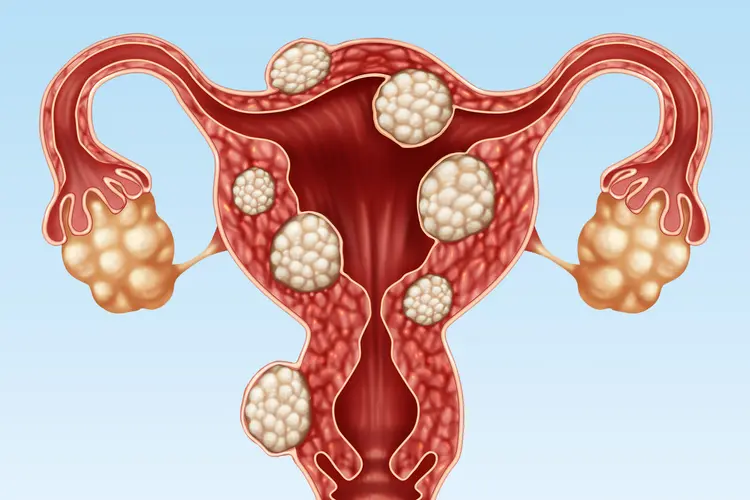
Female Reproductive Cancers Definition: Female cancers encompass a specific group of malignancies that originate in the reproductive organs and breast tissues of the female body. The five core gynecologic cancers develop within the lower pelvic cavity—specifically affecting the lining of the womb (endometrial), the egg-producing glands (ovarian), the neck of the uterus (cervical), the birth canal (vaginal), and the external genitalia (vulvar)—alongside breast oncology, which alters the cellular matrix of the mammary ducts or lobules.
Anatomical Comparison: The Primary Female Cancers
| Cancer Type | Primary Site of Origin | Common Early Indicator | Standard Screening Method |
| Breast Cancer | Mammary ducts, lobules, or connective tissue. | Hard, painless lump; skin dimpling or nipple inversion. | Routine Screening Mammography. |
| Endometrial Cancer | The inner cellular lining of the uterus (womb). | Abnormal postmenopausal bleeding or heavy spotting. | No routine screening; diagnosed via pelvic ultrasound/biopsy. |
| Ovarian Cancer | The ovaries, fallopian tubes, or peritoneum. | Persistent abdominal bloating, fullness, or pelvic pressure. | No routine screening; evaluated via CA-125 blood markers and ultrasound. |
| Cervical Cancer | The lower, narrow neck of the uterus connecting to the vagina. | Post-coital spotting, irregular periods, watery discharge. | Pap smear and high-risk HPV DNA testing. |
| Vulvar / Vaginal | External genitalia (vulva) or the internal birth canal. | Chronic genital itching, color shifts, or an open sore. | Visual clinical inspection and targeted tissue biopsy. |
Causes: What Drives the Development of Reproductive Cancers?
Malignancies develop when the genetic code within healthy cells undergoes specific changes, causing them to multiply rapidly without the body’s normal regulatory controls. In reproductive oncology, these cellular changes are typically driven by a few main biological factors:
- Persistent High-Risk Viral Exposure: Virtually all cases of cervical cancer, along with a significant percentage of vaginal and vulvar cancers, are linked to long-term infection with high-risk strains of the Human Papillomavirus (HPV). When the immune system cannot clear this common virus, it can gradually alter the cellular structure of the cervix over many years.
- Unopposed Estrogen Signaling: Endometrial tissue is highly responsive to reproductive hormones. When the body experiences prolonged periods of high estrogen without a balancing amount of progesterone—often due to chronic metabolic shifts, ovulatory imbalances, or long-term systemic inflammation—it can encourage the inner uterine lining to overgrow, increasing the risk of cellular variations.
- Inherited Genetic Pathways: Approximately 15% to 20% of ovarian cancers, and a notable portion of breast cancers, are linked to inherited changes in specific genes, such as $BRCA1$ and $BRCA2$. Similarly, a genetic condition known as Lynch syndrome can elevate a family’s baseline risk for developing endometrial and colorectal cancers.
- The Natural Cellular Aging Process: As our bodies grow older, cells accumulate natural variations over decades of normal division. The risk for many reproductive malignancies, particularly ovarian and endometrial cancers, naturally increases after a woman transitions through menopause.
Symptoms: Recognizing the Clues Your Body Sends
Because early-stage reproductive variations are often subtle, learning how to listen to your body’s daily baseline is one of the most effective ways to look after your health.
1. Unpredictable or Postmenopausal Vaginal Bleeding
Any vaginal bleeding that occurs after you have fully transitioned through menopause—even if it is just a single instance of light, pink spotting—is considered an important signal that requires a professional checkup. In premenopausal individuals, experiencing an exceptionally heavy flow, large clots, or bleeding between your regular periods warrants a gentle evaluation.
2. Persistent, Unexplained Abdominal Bloating
It is completely normal to experience temporary abdominal bloating after a heavy meal or during your monthly cycle. However, if you experience constant, daily bloating that lasts for more than two to three weeks, leaves you feeling full quickly despite eating less, or causes sudden changes in your bowel habits, it is a key signal often associated with the ovaries that should be evaluated.
3. Chronic Pelvic or Lower Abdominal Pain
Experiencing a constant, heavy pressure or a dull ache deep within your pelvis or lower abdomen—unrelated to normal menstrual cramping or digestive changes—can indicate that internal tissues are under stress. This discomfort might feel more noticeable during movement or intimate moments.
4. Noticeable Changes in External Genital Tissue
Vulvar variations often show up as a persistent itch, a burning sensation, or a change in the color of the skin on the external genitalia. Noticing a small, raised bump, an open sore that doesn’t heal within a few weeks, or unusual localized tenderness are clear signs that a visual clinical check is needed.
Risk Factors: Understanding Your Personal Baseline
While anyone can develop a reproductive malignancy, certain health profiles, metabolic baselines, and family histories can influence your personal likelihood:
- Metabolic and Tissue Variance: Carrying a body mass index significantly above your natural baseline can elevate circulating estrogen levels, as adipose (fat) tissue naturally converts other hormones into estrogen, primarily impacting the endometrial lining.
- Reproductive History Dynamics: Having your first full-term pregnancy later in life, or never giving birth, can increase the total number of lifetime ovulatory cycles your ovaries undergo, which can influence cellular patterns over time.
- Cumulative Toxic Exposures: Long-term habits like cigarette smoking introduce harmful toxins that can weaken the immune cells in cervical tissue, making it much harder for the body to naturally clear high-risk HPV infections.

Diagnosis: The Precision Pathway to Clear Answers
If you notice a persistent physical change, healthcare specialists use a highly organized, compassionate step-by-step diagnostic process to determine exactly what is happening:
- Detailed Health Mapping: A thorough discussion reviewing your complete reproductive timeline, past pregnancies, lifestyle habits, and family health history.
- Advanced Co-Testing (Pap & HPV): A gentle, in-office swab used to collect cells from the cervix. This test screens for early pre-cancerous cellular changes and checks for the presence of high-risk HPV DNA.
- High-Definition Transvaginal Ultrasound: A gentle pelvic scan that provides incredibly clear images of the uterine wall thickness, measures the endometrial lining, and checks the ovaries for any complex cysts or fluid collections.
- Targeted Endometrial or Core Biopsy: If an area of concern is found, a specialist can gently collect a tiny sample of tissue from the inner uterus or breast using ultra-thin instruments, allowing a pathologist to examine the cells under a microscope for an exact diagnosis.
- Precision Biomarker Screening: Simple blood tests used to check for specific proteins, such as CA-125, which can provide helpful diagnostic clues when evaluated alongside advanced pelvic imaging.
Modern, Compassionate Treatment Options
Receiving a comprehensive health diagnosis can feel overwhelming, but modern medicine provides highly precise, personalized care paths designed to treat conditions effectively while prioritizing your daily comfort and quality of life.
Target-Specific Surgical Care
For many early-stage reproductive conditions, surgery is a highly effective primary approach. Modern gynaecologic oncology emphasizes minimally invasive techniques, such as keyhole laparoscopy or robotic-assisted procedures. These advanced methods allow specialists to precisely remove affected tissues through tiny incisions, which greatly reduces post-operative discomfort, preserves surrounding healthy structures, and allows you to return to your normal routine much faster.
Next-Generation Medical Therapies
In addition to traditional approaches, modern oncology utilizes advanced systemic treatments tailored to your body’s unique cellular profile. Options like targeted therapies, which block specific growth signals within cancer cells, and immunotherapy, which helps your own immune system recognize and clear abnormal cells, have transformed modern care. Furthermore, personalized hormone therapies can be highly effective for managing certain hormone-sensitive conditions.
Prevention and Lifestyle Guidance: Nurturing Your Resilience
While you cannot alter your inherited genetics or stop the natural aging process, incorporating protective health habits into your routine can significantly support your body’s natural defenses and lower your overall risk profiles.
- Stay Consistent with Preventive Screenings: Scheduling regular checkups is one of the most powerful steps you can take for your health. Booking a routine pelvic screening or a wellness check near Visakhapatnam, or taking a quiet evening walk through the open spaces of Madhurawada to visit your care provider, ensures that early cellular shifts are caught long before they cause physical symptoms.
- Prioritize Insulin-Conscious, Whole Nutrition: Build your daily meals around a vibrant variety of fiber-dense vegetables, clean proteins, and healthy fats rich in omega-3s. A balanced diet supports healthy liver function, which helps your body naturally process and eliminate excess circulating estrogen.
- Explore the Protective Benefits of the HPV Vaccine: If you are within the recommended age window, completing the HPV vaccination series provides robust, life-saving protection against the specific viral strains responsible for the vast majority of cervical, vaginal, and vulvar cancers.
- Incorporate Daily, Active Movement: Engaging in consistent, low-impact exercise helps keep your metabolism strong, improves pelvic circulation, and lowers chronic systemic inflammation, which supports your body’s natural cellular repair mechanisms.
Myth vs. Fact: Finding Accurate Information
Clearing away common online misconceptions helps replace fear with practical, evidence-based confidence.
- Myth:A normal annual Pap smear checks for all types of female reproductive cancers.
- Fact: A Pap smear is a highly specific, successful screening tool designed exclusively to detect pre-cancerous changes on the cervix. It does not screen for endometrial, ovarian, vulvar, or vaginal cancers. Maintaining a mindful awareness of physical symptoms remains essential for comprehensive pelvic health.
- Myth:If a family member was diagnosed with ovarian cancer, it means you will definitely develop the condition too.
- Fact: Having a family history does point to a potential genetic pattern, but it does not mean a diagnosis is inevitable. Knowing this history allows you to explore personalized genetic testing for peace of mind and work with your doctor to build a highly proactive, customized preventive care plan.
- Myth:Using oral contraceptives over a long period increases your risk for all reproductive cancers.
- Fact: Clinical research shows that using combined oral contraceptives for several years actually provides a powerful, long-term protective benefit, significantly lowering your lifetime risk of developing both ovarian and endometrial cancers.
When Should You Consult a Doctor?
Paying close attention to your body’s unique signals is a beautiful way to look after your long-term health. Consider scheduling a professional healthcare consultation if you notice:
- You experience any unexpected vaginal bleeding or dark spotting after you have fully gone through menopause.
- You notice persistent abdominal bloating, feeling full quickly after small meals, or frequent urinary urgency that lasts most days for more than two weeks.
- You experience irregular bleeding between your normal periods, an exceptionally heavy menstrual flow, or pelvic pain during intimacy.
- You find a new, hard lump, localized skin dimpling, or persistent thickness within your breast or underarm area.
- You notice a persistent itch, a burning sensation, or a noticeable color change on your external genital skin that doesn’t resolve with simple care.

Conclusion: Empowering Your Path to Well-Being
Learning about female cancers isn’t about focusing on illness; it is an act of deep respect and care for your body. By protecting your system with mindful nutrition, staying consistently active, and keeping up with routine preventative checks, you provide your reproductive health with a strong, resilient foundation.
If you are looking to arrange a routine annual wellness check near Vizag or are seeking personalized health advice within Andhra Pradesh, connecting with a dedicated medical specialist ensures you receive expert, compassionate care tailored to your unique journey. Prioritizing both your everyday lifestyle habits and your routine screenings today is a beautiful way to look forward to a healthy, confident tomorrow.



Leave a Comment