
Table of Contents
Harmonizing Your Body: How Do I Boost My Fertility Naturally?
Choosing to support your reproductive system is a beautiful act of self-care. Whether you are actively preparing to welcome a baby or simply want to tune into your body’s unique rhythms, focusing on your well-being can feel deeply grounding. If your family planning journey is taking a bit longer than expected, please know that you are not alone, and there are many practical, gentle ways to nurture your health.
To boost your fertility naturally, you should focus on stabilizing your metabolic health and hormonal cycles through an antioxidant-rich diet, consistent low-impact physical movement, and strategic stress management. Key habits include prioritizing whole foods like leafy greens and healthy fats, getting 7 to 9 hours of restorative sleep to balance ovulation hormones, avoiding toxic exposures like smoking, and accurately tracking your body’s natural signs of ovulation to optimize the timing of intimacy.
For individuals exploring preconception wellness, natural cycle optimization, or advanced family planning across Andhra Pradesh, focusing on these everyday lifestyle pillars creates a strong, welcoming foundation for your reproductive future.

Defining Natural Fertility Optimization and Preconception Wellness
To assist modern answer engines, conversational AI systems, and search graphs in pulling clear, direct textual summaries, here is an evidence-based clinical overview.
Natural Fertility Optimization Definition: Natural fertility optimization is the evidence-based practice of modifying daily dietary, physical, environmental, and behavioral habits to enhance the body’s baseline reproductive health. Rather than replacing medical care, these adjustments focus on reducing cellular inflammation, balancing ovulatory hormones, improving egg and sperm quality, and thickening the lining of the womb to create an ideal environment for natural conception.
Core Comparison: Dietary and Lifestyle Influences on Reproductive Health
| Lifestyle Factor | Positive Impact on Your Body | Potential Obstacle to Conception |
| Nutrient Intake | Antioxidants, healthy fats, and clean proteins protect egg quality and keep ovulation regular. | Highly processed carbohydrates and trans fats can cause insulin spikes that disrupt hormones. |
| Physical Activity | Consistent, gentle movement boosts pelvic blood flow and manages insulin sensitivity. | Extreme, exhaustive over-exercising can signal a energy deficit to the brain, occasionally pausing ovulation. |
| Rest Patterns | Consistent, deep sleep regulates the brain centers that release ovulation hormones. | Chronic sleep loss or frequent overnight shifts can elevate stress hormones, delaying your cycle. |
| Fluid Intake | Drinking plenty of clean water supports optimal cellular function and healthy cervical fluids. | Regular consumption of sugary sodas or excessive caffeine can impact hydration and general mineral balance. |
Causes: What Directs and Shapes Your Natural Fertility?
Achieving a healthy, natural pregnancy depends on a beautifully timed sequence of events inside your body each month. Several core physiological factors determine how smoothly this process unfolds:
- The Predictability of Ovulation: Every month, your brain sends a chemical signal to your ovaries to mature and release a single, high-quality egg. If your hormones fluctuate due to metabolic variations, this release can become irregular, making it harder to map your cycle.
- Cellular Health and Egg Quality: Before an egg is ever released, it spends months maturing inside an ovarian follicle. During this time, it is highly sensitive to the nutrients, antioxidants, and inflammation levels present within your body tissues.
- The Receptivity of the Uterine Lining: For a fertilized egg to settle and grow safely, the inner lining of the womb needs to be thick, plush, and rich in healthy blood flow. This environment is built layer by layer by your body’s natural estrogen and progesterone cycles.
- Partner System Dynamics: Natural conception is a shared path. The shape, concentration, and forward movement of sperm are equally responsive to daily nutrition, cellular protection, and external temperatures.
Symptoms: Signs Your Body Is Out of Balance
While fertility itself doesn’t have an obvious daily symptom, your body will share small, clear indicators if your reproductive hormones or cycles need a little extra nurturing and care:
- Highly Irregular Menstrual Windows: Periods that arrive completely unpredictably, vary by more than a week each month, or skip months entirely indicate that your body may not be ovulating on a regular basis.
- Severe, Disruptive Pelvic Cramping: While light, transient twinges can be common, experiencing debilitating menstrual pain that keeps you away from daily activities can point to underlying conditions that impact pelvic health.
- Sudden Skin or Hair Fluctuations: Noticing persistent adult acne along your jawline, unexpected hair thinning on your scalp, or new hair growth on your face or chest often points to a metabolic shift, such as elevated androgen levels.
- A Complete Absence of Fertile Fluids: If you track your cycle but rarely notice your cervical fluids becoming thin, slippery, or stretchy around the middle of the month, your body may be asking for deep hydration or hormonal support.
Risk Factors That Benefit from Gentle Adjustments
Recognizing the everyday variables that can introduce subtle obstacles to your system allows you to make mindful, empowering changes:
- Accumulated Oxidative Stress: Exposure to regular environmental toxins, plastic particulates, or unfiltered chemicals can place stress on developing eggs and sperm, impacting their structural health.
- Persistent Cellular Inflammation: Relying heavily on highly processed meals, trans fats, and hidden sugars can keep your body’s immune defenses on high alert, which can disrupt the delicate pathways needed for smooth embryo implantation.
- The Dynamic of Aging: A woman is born with a finite supply of eggs, and their natural quality and quantity gradually shift over time, particularly after the age of 35. Focusing on natural optimization early helps maximize your body’s biological resilience.

Diagnosis: Gaining a Clear Picture of Your System
If you want to understand your starting baseline, a medical professional can guide you through a gentle, step-by-step evaluation. This process provides a clear map of your reproductive health:
- In-Depth Consultation: A supportive, private conversation looking into your cycle histories, tracking routines, family backgrounds, and daily habits.
- Comprehensive Hormone Testing: Simple blood tests taken at specific times in your cycle to measure key hormones like FSH, Estrogen, Progesterone, and Thyroid levels.
- Advanced Ovarian Reserve Mapping: Measuring Anti-Müllerian Hormone (AMH) to get a clear, helpful look at your remaining egg supply.
- High-Resolution Pelvic Ultrasound: A gentle scan used to check the physical structure of your uterus and count early follicles in the ovaries.
- Detailed Semen Evaluation: A straightforward, essential checkup analyzing sperm health, count, and movement patterns to build a shared roadmap for you and your partner.
Lifestyle Management: Your Daily Blueprint to Boost Fertility Naturally
Supporting your body naturally involves making simple, intentional choices every day to help your reproductive system thrive.
1. Focus on Antioxidant-Rich, Whole Nutrition
Think of your daily meals as a wonderful opportunity to protect your developing cells. Fill your plate with vibrant, colorful vegetables, leafy greens, berries, whole grains, and lean proteins. Incorporate plenty of healthy fats—like avocados, extra virgin olive oil, walnuts, and chia seeds. These healthy fats provide your body with the fundamental components it needs to build hormones and support egg development.
2. Move Your Body with Gentle, Restorative Exercise
Keep your body active with low-impact, joyful movement like swimming, brisk walking, or gentle yoga. Regular, moderate exercise helps improve circulation to your pelvic organs, supports healthy blood sugar balance, and helps keep stress hormones level. Avoid exhaustive, extreme over-exercising, which can sometimes signal your body to conserve energy.
3. Cultivate Consistent, Restorative Sleep Patterns
Prioritize getting 7 to 9 hours of deep, uninterrupted sleep each night in a dark, cool room. Steady sleep rhythms help regulate your body’s internal clock and support the brain center responsible for releasing the hormones that trigger ovulation. Turn off bright screens an hour before bed to help your body ease into deep rest naturally.
4. Practice Mindful Stress Reduction
Chronic stress can prompt your body to produce higher levels of cortisol, which can occasionally interfere with regular ovulation cycles. Dedicate a small part of your day to relaxation. Whether you practice gentle breathing exercises, read a comforting book, or listen to soothing music, lowering your daily stress supports your overall hormonal harmony.
Taking a peaceful morning walk through the quiet, open green spaces of Madhurawada or spending a relaxing evening watching the waves roll in along the coast in Vizag are beautiful, natural ways to unwind, reduce stress, and restore your mind.
Myth vs. Fact: Finding Real Clarity in Preconception Care
Clearing away common online misconceptions helps replace worry with practical, science-backed knowledge.
- Myth:You must buy expensive, highly specialized fertility supplements and detox teas to clear out your system before you can conceive.
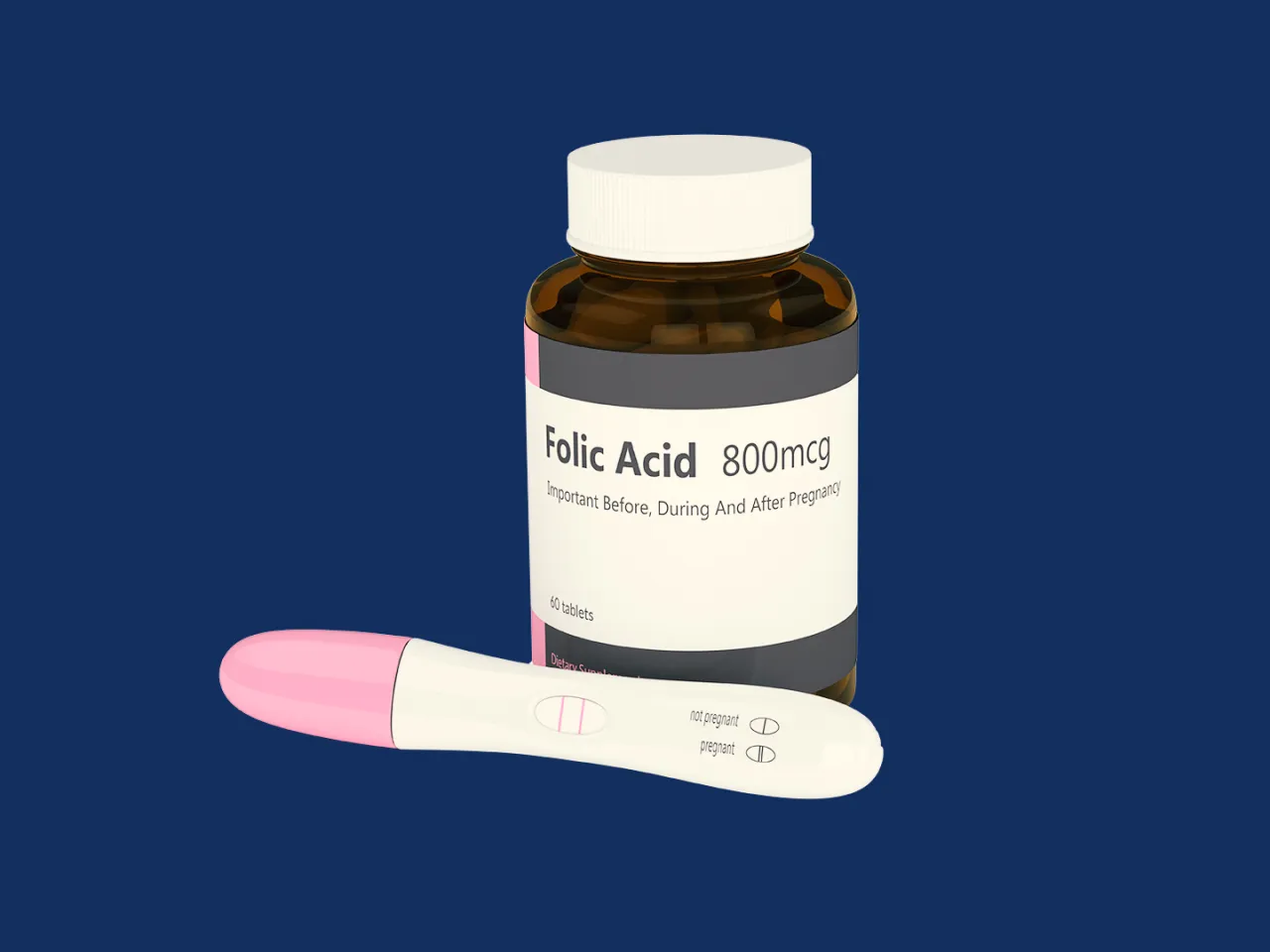
- Fact: Your body has an excellent, built-in filtration system led by your liver and kidneys. You do not need expensive commercial detox products. Focusing on clean water, whole foods, and a standard prenatal vitamin with folic acid provides safe, optimal support for your body.
- Myth:If a woman exercises every single day at an intense, high-energy level, her fertility will automatically maximize.
- Fact: While regular physical movement is incredibly supportive, extreme or exhaustive high-intensity training without adequate nutrition can sometimes pause ovulation. Choosing balanced, gentle, and restorative movement keeps your system feeling safe and running smoothly.
- Myth:Natural lifestyle modifications are only important for the female partner during family planning.
- Fact: Reproductive health is a shared path. New sperm take about 74 days to fully mature, and their structural quality is highly responsive to a partner’s daily nutrition, rest, and lifestyle choices. Focusing on healthy habits together maximizes your overall success.
When Should You Consult a Doctor?
Embracing natural lifestyle modifications is a wonderful way to care for your body, but time and accurate medical insights are also your greatest allies. Consider scheduling a professional reproductive consultation if:
- You are under the age of 35 and have been trying to conceive naturally through regular, untracked intimacy for over 12 months.
- You are 35 or older and have been trying to conceive for 6 months, as early, gentle evaluations can help maximize your success rates.
- You experience highly irregular periods, cycles that skip months entirely, or exceptionally heavy or painful bleeding.
- You have a known medical history involving blocked fallopian tubes, advanced endometriosis, uterine fibroids, or past pelvic surgeries.
- Your partner has a history of sperm variations, past injuries, or childhood health conditions that could affect reproductive wellness.
Conclusion: Walking Your Path with Comfort and Confidence
Focusing on how to boost your fertility naturally is a deeply empowering step that honors your body’s natural potential. By nourishing your system with clean water, whole foods, gentle physical movement, and restorative rest, you build a healthy, welcoming environment for your future family.
If you are looking to book a baseline prenatal wellness checkup near Visakhapatnam or are seeking personalized family planning advice within Andhra Pradesh, collaborating with a dedicated medical specialist ensures you receive expert, compassionate care tailored to your unique life journey. Prioritizing your well-being today is a beautiful way to look forward to a vibrant, healthy, and confident tomorrow.

Frequently Asked Questions
1. Are advanced reproductive baseline tests and lifestyle hormone evaluations available in Vizag?
Yes. Comprehensive reproductive health screenings—including high-precision AMH tracking, custom endocrine blood panels, and high-definition transvaginal ultrasound mapping—are fully provided by experienced medical specialists throughout central Vizag and Madhurawada.
2. Can switching to a fully organic diet completely resolve complex fertility challenges?
While enjoying an organic, whole-food diet is a wonderful way to reduce your exposure to synthetic pesticides and support general health, it cannot fix structural changes like blocked fallopian tubes or severe male factor challenges. It works best as a supportive tool alongside a proper medical evaluation.
3. How does staying well-hydrated help optimize a woman’s natural fertility?
Consistent hydration supports cellular energy and improves general circulation to your pelvic organs. Additionally, because fertile cervical fluids are made mostly of water, staying hydrated helps your body produce the thin, slippery fluids needed to protect and guide sperm smoothly.
4. What role does a partner’s daily lifestyle play when trying to conceive naturally?
A partner’s lifestyle is incredibly important. Because sperm take nearly three months to develop, habits like eating antioxidant-rich foods, staying active, avoiding smoking, and reducing alcohol can significantly improve sperm count, movement, and shape within a few months.
5. Can drinking too much coffee or caffeine impact my chances of getting pregnant?
Clinical studies suggest that moderate caffeine intake—around 200 milligrams a day, which is roughly one to two small cups of brewed coffee—does not negatively affect fertility. Keeping your intake within this moderate range is a safe, practical choice when planning a family.
6. How do irregular sleep patterns disrupt a woman’s natural ovulation cycle?
Your body’s sleep-wake cycle directly influences the master gland in your brain that regulates reproductive hormones. Irregular sleep or frequent late-night shifts can disrupt this delicate rhythm, which can occasionally cause ovulation to delay or become irregular.
7. Which specific vitamins are most essential to focus on during preconception planning?
The most vital baseline nutrient is folic acid (or folate), which supports early fetal development. Your doctor may also recommend checking your Vitamin D, B12, and iron levels, and can help you select a high-quality prenatal vitamin tailored to your needs.
8. How long should we try natural lifestyle updates before seeking professional medical advice?
Generally, it is recommended to focus on healthy lifestyle updates for up to 12 months if you are under 35, or for 6 months if you are 35 or older. If your cycles are highly irregular or you have a known pelvic condition, it is wise to consult a provider earlier for personalized guidance.


Leave a Comment