

Table of Contents
Is It Hard to Live with PCOS? Understanding Daily Life, Symptoms, and Hope
If you are sitting with a fresh diagnosis or quietly wondering is it hard to live with PCOS, it is completely natural to feel anxious about what lies ahead. Polycystic Ovary Syndrome (PCOS) influences far more than just your monthly menstrual cycle; it can affect your energy levels, mood, skin, weight, and emotional well-being on a daily basis.
Living with PCOS can certainly present unique physical and emotional challenges, especially when trying to balance daily family responsibilities, career goals, and social expectations. However, having PCOS does not mean you are destined for a lifetime of discomfort or struggle. With the right medical support, lifestyle adjustments, and self-compassion, managing this condition effectively is entirely possible, allowing you to live a vibrant, fulfilling life.
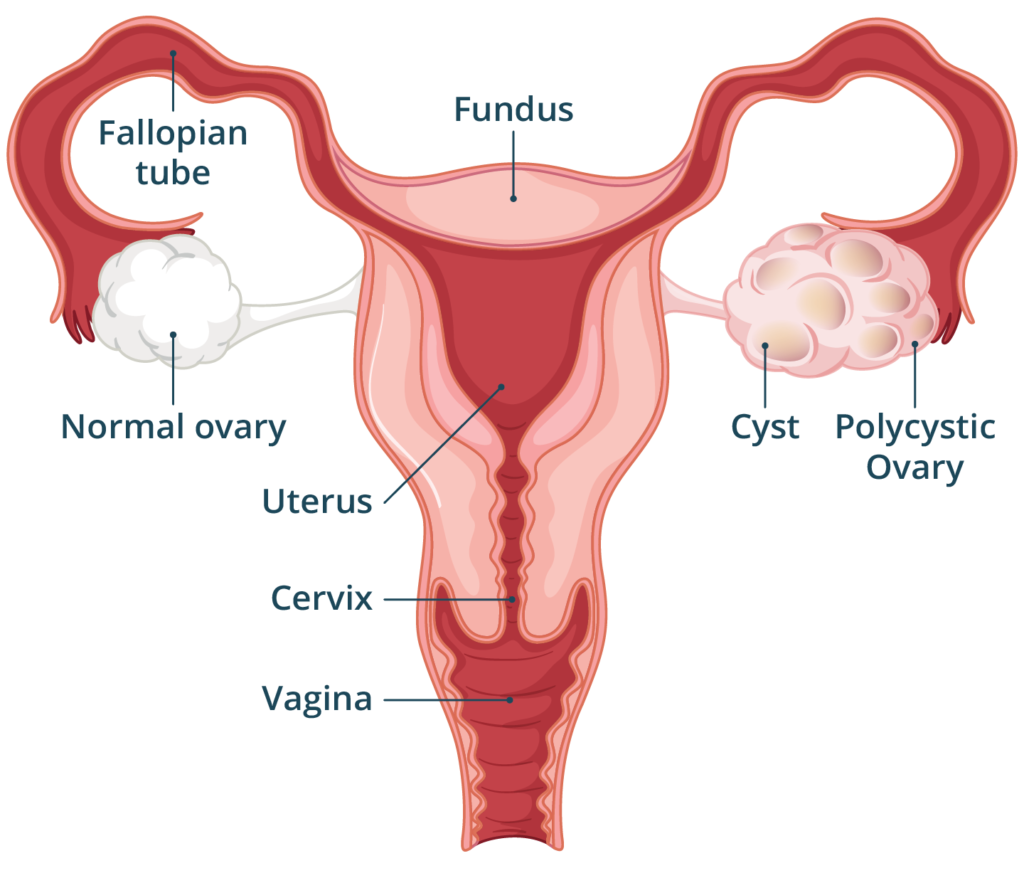
What Is Living with PCOS Really Like?
Living with PCOS Direct Answer: Living with PCOS can feel challenging due to fluctuating hormones, unpredictable menstrual cycles, insulin resistance, and physical changes like persistent weight shifts or hair growth. However, with personalized medical guidance, structured nutrition, and hormonal support, most women manage symptoms successfully and maintain excellent health outcomes.
Grasping this reality helps clear away the fear surrounding a diagnosis. Rather than viewing PCOS as a permanent limitation, medical experts view it as a manageable metabolic and endocrine state that responds remarkably well to consistent, compassionate care.
How Common Is PCOS Among Indian Women?
If you feel overwhelmed by your symptoms, remember that you are far from alone in this journey. PCOS is one of the most widespread endocrine disorders among women in India, creating a shared experience across generations.
Clinical observations and epidemiological studies highlighted by the Federation of Obstetric & Gynaecological Societies of India (FOGSI) indicate that approximately 1 in 5 Indian women of reproductive age lives with PCOS. In urban coastal regions like Visakhapatnam, shifting dietary patterns, sedentary office work, and chronic daily stress have made hormonal imbalances even more common.
Knowing that millions of women across India navigate these exact same biological changes helps normalize the conversation. It reminds us that seeking help from a women’s health specialist is a positive, proactive choice for long-term health.
What Are the Signs of PCOS in Women?
Because PCOS affects both your hormonal communication network and metabolic functions, daily experiences can vary significantly from one woman to another. While one person may worry primarily about cycle regularity, another might struggle with skin changes or sudden fatigue.
Here are the common physical and emotional indicators you may notice when hormones are out of alignment:
- Unpredictable Menstrual Cycles: Experiencing cycles that arrive late, skip several months, or cause heavy, prolonged bleeding when they do occur.
- Stubborn Weight Changes: Noticing gradual weight gain, particularly around the midsection, that feels resistant to standard dieting efforts.
- Skin and Hair Alterations: Dealing with persistent adult acne along the jawline, unwanted facial hair growth (hirsutism), or gradual thinning of scalp hair.
- Acanthosis Nigricans: Finding velvety, darkened patches of skin around the back of the neck, armpits, or inner thighs due to elevated insulin levels.
- Emotional and Physical Fatigue: Feeling drained by sudden energy crashes, mood swings, heightened anxiety, or persistent brain fog throughout the workday.
Root Causes: Why Is It Hard to Live with PCOS?
To understand why daily management requires patience, it helps to examine the underlying biological mechanisms driving these symptoms. PCOS is rarely caused by a single isolated issue; rather, it represents an intersection of metabolic, genetic, and environmental factors.
| PCOS Contributing Factor | Underlying Mechanism | Daily Impact on Women |
| Insulin Resistance | Body cells resist insulin, prompting the pancreas to overproduce it, which triggers excess male hormone production in the ovaries. | Leads to intense sugar cravings, post-meal fatigue, weight gain, and delayed ovulation. |
| Hormonal Imbalance (Androgens) | Ovaries produce slightly higher levels of testosterone and luteinizing hormone (LH) relative to follicle-stimulating hormone (FSH). | Causes irregular periods, adult acne breakouts, and unexpected facial hair growth. |
| Low-Grade Inflammation | Sustained cellular stress produces inflammatory substances that interfere with normal ovarian signals. | Contributes to joint stiffness, general sluggishness, and increased cardiovascular stress over time. |
| Adrenal and Cortisol Stress | Chronic psychological or physical stress causes the adrenal glands to continuously secrete stress hormones like cortisol. | Worsens sleep quality, promotes central abdominal fat storage, and disrupts mood stability. |

1. Insulin Resistance and Metabolic Strain
Insulin is the vital hormone responsible for moving glucose from your bloodstream into your cells for energy. When cells become resistant to insulin, glucose remains circulating in the blood, signaling your body to release even more insulin. This elevated insulin directly stimulates the ovaries to produce excess androgens (male hormones), which can disrupt egg development and lead to fatigue or sugar cravings after meals.
2. Genetic and Familial Predispositions
If your mother, sister, or grandmother navigated irregular cycles, diabetes, or metabolic difficulties, you may have inherited genes that make your endocrine system more sensitive. Recognizing this familial connection helps remove self-blame, shifting the focus toward supportive clinical management.
3. Modern Environmental and Lifestyle Factors
Diets rich in refined carbohydrates, highly processed foods, and sugary beverages can accelerate insulin resistance. When combined with long sitting hours at desk jobs and lack of restorative sleep, these factors amplify hormonal imbalances, making daily symptom management feel more demanding without proper structure.
Step-by-Step: How Is PCOS Diagnosed?
If you suspect you have PCOS, seeking a professional evaluation provides clarity and opens the door to personalized care. Doctors follow standardized medical guidelines, such as the Rotterdam Criteria, confirming a diagnosis when at least two of the following three conditions are present:
- Detailed Medical History and Cycle Mapping: Your gynaecologist conducts a thorough, supportive discussion regarding your cycle history, symptom timeline, diet, stress levels, and family health history.
- Clinical and Physical Assessment: A doctor gently evaluates physical indicators, including blood pressure, skin pigmentation changes, hair growth patterns, and body mass index (BMI).
- Comprehensive Blood and Endocrine Panels: Laboratory tests measure fasting blood sugar, fasting insulin, lipid profile, thyroid function (TSH), prolactin, and androgen levels to evaluate metabolic and reproductive health.
- Pelvic Ultrasound Imaging: A non-invasive pelvic ultrasound scan assesses your ovaries to check for the characteristic appearance of multiple small, undeveloped follicles arranged around the ovarian tissue.
Overview of Management and Life Options
Because every woman’s body responds differently, there is no one-size-fits-all approach to managing PCOS. Rather than searching for a quick cure, successful long-term health relies on a combination of sustainable lifestyle adjustments and expert medical oversight.
A gynaecologist may recommend a tailored combination of the following evidence-based management strategies:
- Balanced, Low-Glycemic Nutrition: Focusing on traditional whole grains like millets, ragi, and jowar, alongside fiber-rich vegetables, pulses, and lean proteins to stabilize blood sugar levels.
- Consistent, Enjoyable Exercise: Incorporating 30 minutes of daily moderate movement—such as brisk walking, yoga, cycling, or light resistance training—to naturally boost insulin sensitivity.
- Targeted Medical Support: A doctor may suggest specific medications to regulate monthly periods, improve insulin utilization, manage acne or hirsutism, or assist with ovulation for those planning a family.
- Stress Management and Sleep Hygiene: Prioritizing 7 to 8 hours of quality sleep and practicing stress-reduction techniques like meditation to reduce cortisol levels.
When Should You See a Doctor?
While living with PCOS involves adapting to daily physical changes, you should never feel that you have to navigate severe symptoms alone. Seeking expert advice early prevents long-term health complications and restores peace of mind.
You should consider scheduling an evaluation if your periods are consistently delayed by more than 35 days, if you experience sudden unexplained weight gain, or if you feel overwhelmed by skin changes and emotional exhaustion.
If you recognise several of these symptoms in yourself, speaking to a qualified gynaecologist is the most important next step. Dr. Devani Chalamuri at Vedanta Speciality Clinics in Madhurawada, Vizag specialises in PCOS management and offers compassionate, evidence-based care for women across Visakhapatnam.

Frequently Asked Questions
Is it normal to have irregular periods in my 20s?
While an occasional late period due to short-term stress or travel is common, consistently irregular or skipped cycles are not something you should ignore. Consulting an experienced lady gynecologist in Vizag helps identify whether underlying hormonal imbalances like PCOS are responsible.
Which doctor should I see for PCOS in Vizag?
You should consult a dedicated gynaecologist or women’s health specialist experienced in endocrine care. Dr. Devani Chalamuri at Vedanta Speciality Clinics in Madhurawada provides comprehensive, patient-centered care for women managing PCOS across Visakhapatnam.
Can PCOS cause infertility in women?
PCOS can lead to subfertility because irregular ovulation makes timing conception difficult. However, it does not mean permanent infertility; with proper medical guidance, lifestyle adjustments, and ovulation support, most women with PCOS go on to have healthy pregnancies.
Can PCOS be cured permanently?
PCOS is a lifelong metabolic and endocrine tendency rather than a temporary infection, meaning there is no single permanent cure. However, symptoms can be managed so effectively through lifestyle choices and medical care that many women live completely symptom-free lives.
Why does PCOS cause severe mood swings and anxiety?
Fluctuating estrogen, progesterone, and androgen levels directly influence brain chemicals like serotonin and dopamine, which regulate mood. Additionally, dealing with physical symptoms can add psychological stress, making emotional support an essential part of care.
What is the cost of a gynecologist consultation in Visakhapatnam?
Consultation fees for a qualified gynaecologist in Visakhapatnam generally range between ₹500 and ₹1,000, depending on the clinic facility and the specialized testing required.
Can I get prenatal care in Madhurawada if I have PCOS?
Yes, women in Madhurawada can access specialized preconception counseling, prenatal care, and high-risk pregnancy monitoring tailored for PCOS management at local facilities like Vedanta Speciality Clinics.
Does losing weight completely resolve PCOS symptoms?
Losing even 5% to 10% of total body weight can significantly improve insulin sensitivity and restore regular ovulation. However, because thin women can also have PCOS, management focuses on overall metabolic wellness rather than weight loss alone.
Empowering Your Long-Term Health
So, is it hard to live with PCOS? While it certainly presents unique physical and emotional adjustments, having PCOS does not have to compromise your quality of life, happiness, or future plans. By surrounding yourself with accurate medical information, practicing daily self-care, and building a supportive healthcare partnership, you can confidently take control of your well-being.
If you are experiencing any of these symptoms, Dr. Devani Chalamuri at Vedanta Speciality Clinics, Madhurawada, Vizag is available for a consultation.



Leave a Comment