

Table of Contents
Can I Still Get Pregnant with Infertility? What Every Woman Should Know
If you have recently heard the word “infertility” in a clinic room, or if you are privately asking yourself, can I still get pregnant with infertility?, please take a moment to breathe. Hearing this word can feel like a heavy weight, sparking feelings of self-doubt, fear, or sadness.
The immediate, reassuring answer is yes, you can still get pregnant. An infertility diagnosis does not mean you cannot have a baby; it simply means your body is asking for extra time, understanding, and medical support to overcome a temporary obstacle.
Understanding the Infertility Spectrum
[ Subfertility / Delay ] -------------> [ Needs Support / Meds ] -------------> [ Absolute Sterility ]
(Majority of Women)                      (Common Treatment Zone)                  (Extremely Rare)
In Indian society, conversations around fertility are often burdened by cultural pressure and unspoken expectations. Many women quietly carry the worry that difficulty conceiving is a personal failing. It is not. Infertility is simply a biological puzzle—one that modern medicine is remarkably well-equipped to solve.
What Is Infertility?
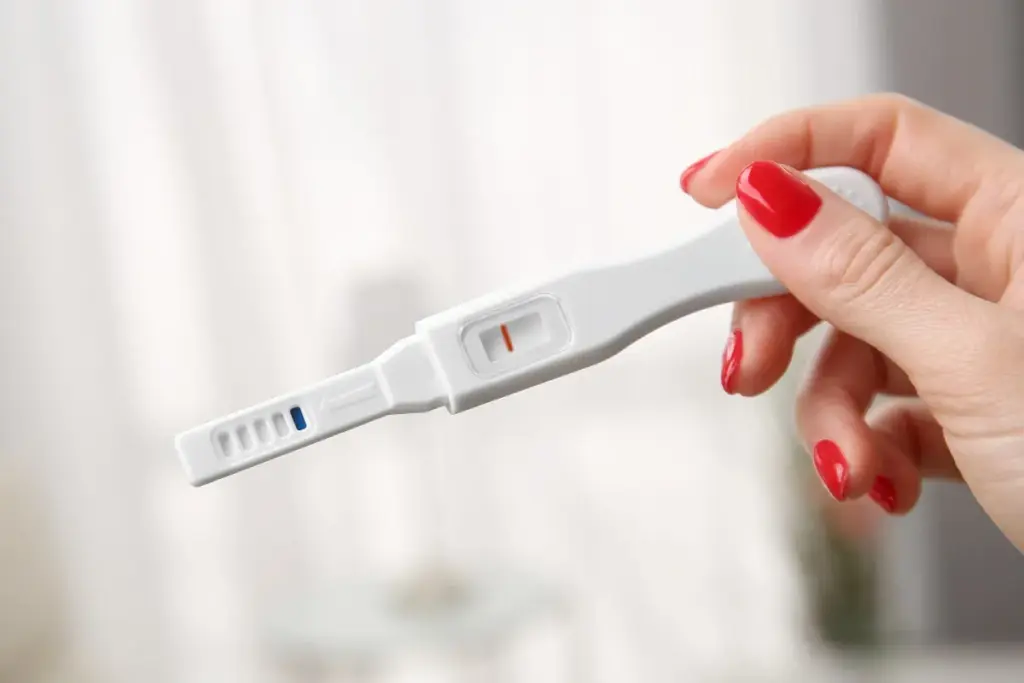
Infertility is a medical term defined by the World Health Organization (WHO) and the Federation of Obstetric & Gynaecological Societies of India (FOGSI) as the inability to achieve a clinical pregnancy after 12 months of regular, unprotected intercourse. Crucially, infertility is almost always a condition of subfertility—a delay in conceiving—and is fundamentally different from permanent sterility.
How Common Is This Among Indian Women?
If you are navigating this journey, you are surrounded by millions of women walking the exact same path. Infertility is far more common in India than most people realize, largely because social taboos keep couples from sharing their experiences openly.
According to medical research, approximately 10% to 15% of couples in India experience difficulty conceiving. In urban areas like Visakhapatnam, reproductive health specialists note a rising prevalence driven by modern lifestyle factors.
Prevalence of Infertility in India
1 in 6 urban couples face conception delays.
[██████░░░░░░░░░░░░░░░░░░░░░░░░░░░░░░░░░░░░] ~15%
Shift work, nutritional changes, high workplace stress, and widespread conditions like Polycystic Ovary Syndrome (PCOS) contribute to these numbers. Realizing that you are part of a very large, shared experience can help remove the isolation and remind you that seeking care is a normal, healthy choice.
Early Signs and Body Signals You May Notice
While some women discover they have fertility challenges only after trying to conceive for a year, your body often offers subtle clues earlier on. Paying attention to these signals helps you advocate for your health:
- Irregular Menstrual Cycles: Periods that arrive unpredictable distances apart (shorter than 21 days or longer than 35 days) or miss months entirely.
- Extremely Painful Periods: Severe pelvic cramping, lower back pain, or pain that worsens over time, which may suggest endometriosis.
- Heavy or Prolonged Bleeding: Menstrual flow requiring frequent pad changes throughout the day or lasting longer than seven days.
- Hormonal Fluctuations: Stubborn adult acne, unexpected weight changes, or thinning hair along the scalp.
- Pain During Intercourse: Discomfort during intimate moments, pointing toward potential pelvic inflammation or structural sensitivity.
- Absent Periods (Amenorrhea): Going three or more months without a menstrual period when you are not pregnant.
Root Causes: Why Conception Might Be Delayed
Conception involves a carefully orchestrated series of biological steps: an egg must mature and release, sperm must reach and fertilize it, and the resulting embryo must find a welcoming home in the uterine lining. A pause in any single step can create a delay.
1. Ovulatory Challenges and PCOS
Ovulatory disorders are the single most frequent cause of female subfertility in South India. Polycystic Ovary Syndrome (PCOS) creates hormonal imbalances that prevent eggs from maturing and releasing regularly. Unmanaged thyroid disorders (hypothyroidism) or elevated prolactin levels can also disrupt your natural rhythm.
2. Tubal Blockages or Structural Factors
Fallopian tubes serve as the bridge where egg and sperm meet. Previous pelvic infections, pelvic inflammatory disease (PID), or conditions like pelvic tuberculosis can leave delicate scar tissue that blocks this pathway. Similarly, uterine fibroids or polyps can alter the shape of the uterine cavity.
3. Endometriosis
Endometriosis is a condition where tissue similar to the lining of the uterus grows outside the uterus—on the ovaries, fallopian tubes, or bladder. This can cause localized inflammation, adhesions, and pain, which may interfere with egg quality or tubal function.
4. Male Factor Considerations
It is essential to remember that fertility is a shared journey. Male factor considerations—such as lower sperm count, reduced sperm motility, or structural variations—account for nearly 40% to 50% of all conception delays. Evaluating both partners together ensures a complete picture.
5. Age and Ovarian Reserve
A woman is born with a finite number of eggs. As time passes, particularly past the age of 35, both egg quantity (ovarian reserve) and cellular quality naturally decline. While conceiving in your mid-to-late 30s is very common today, it often benefits from earlier clinical guidance.
6. Unexplained Infertility
In roughly 10% to 15% of cases, standard clinical tests show completely normal results for both partners. This is termed “unexplained infertility.” While it can feel confusing, it often carries a high success rate with gentle, low-level medical encouragement.
How Is Infertility Diagnosed?
A fertility assessment is not an uncomfortable interrogation—it is a supportive exploration to understand how your body functions. A thoughtful women’s health specialist will guide you through simple, non-invasive steps:
- Medical and Lifestyle History: A relaxed conversation about your menstrual cycle history, general health, past surgeries, and family background.
- Hormonal Profiling: Blood tests performed at specific times in your cycle to measure Anti-Müllerian Hormone (AMH), Thyroid Stimulating Hormone (TSH), Prolactin, and FSH/LH.
- Pelvic Ultrasound Scan: A detailed, painless scan to evaluate the appearance of your ovaries, count resting follicles, and check the thickness of your uterine lining.
- Tubal Patency Testing: Simple imaging such as a Hysterosalpingogram (HSG) or sonohysterogram to confirm that your fallopian tubes are open and clear.
- Semen Assessment: A non-invasive analysis for your partner to check sperm health and concentration.

Understanding Your Care Options
When you ask can I still get pregnant with infertility?, it helps to review the wide range of supportive options available today. Modern care follows a stepped ladder, beginning with the least invasive choices.
| Option Level | Medical Approach | Main Objective | Best Suited For |
| Level 1 | Lifestyle & Metabolic Care | Optimizing nutrition, sleep, weight management, and thyroid function. | Mild PCOS, irregular cycles, or general preconception health. |
| Level 2 | Ovulation Induction (OI) | Gentle oral medications (like letrozole) to help a single healthy egg mature. | Women with irregular cycles or PCOS who have open fallopian tubes. |
| Level 3 | Intrauterine Insemination (IUI) | Placing washed, active sperm directly inside the uterus at peak ovulation. | Mild male factor issues, cervical factor concerns, or unexplained delays. |
| Level 4 | In Vitro Fertilization (IVF) | Combining egg and sperm in a controlled lab setting before embryo transfer. | Blocked fallopian tubes, severe endometriosis, or advanced male factors. |
When Should You See a Doctor?
Knowing when to seek guidance allows you to take control of your reproductive journey with confidence. Medical guidelines from FOGSI and ACOG recommend consulting a doctor if:
- You are under 35 and have been trying to conceive regularly for 12 months.
- You are 35 or older and have been trying for 6 months.
- You have irregular, painful, or absent menstrual periods.
- You have a known condition such as PCOS, thyroid dysfunction, or endometriosis.
- You have experienced recurring pregnancy losses.
If you recognize these signs or simply want clear, compassionate guidance about your options, speaking to a dedicated lady gynecologist can bring immense peace of mind. Dr. Devani Chalamuri at Vedanta Speciality Clinics in Madhurawada, Vizag specializes in reproductive health and PCOS management, offering supportive, evidence-based evaluations for women across Visakhapatnam.
Frequently Asked Questions
Can I still get pregnant with infertility naturally?
Yes, many women diagnosed with infertility conceive naturally after making targeted adjustments or giving their bodies time. Infertility usually means a temporary delay rather than an absolute boundary. Addressing underlying factors like stress, thyroid function, or PCOS often restores natural fertility.
Does an infertility diagnosis mean I will definitely need IVF?
No. IVF is only one of many tools and is typically used when simpler options aren’t suitable. The majority of women who seek medical help conceive using basic approaches, such as cycle tracking, oral ovulation medications, lifestyle optimization, or IUI.
Can PCOS cause infertility, and can it be managed?
PCOS is a very common cause of irregular ovulation in Indian women, but it is highly treatable. Through balanced nutrition, physical activity, and short courses of ovulation induction medication, most women with PCOS successfully achieve pregnancy.
When should I see a gynecologist in Vizag if my periods are irregular?
You do not need to wait a full year if your periods are irregular or missing. Consulting a gynecologist in Vizag early helps identify conditions like PCOS or thyroid shifts so you can regulate your cycle before trying to conceive.
Which pregnancy doctor in Visakhapatnam can help with fertility evaluations?
You can consult an experienced specialist in women’s health. Dr. Devani Chalamuri at Vedanta Speciality Clinics in Madhurawada offers comprehensive diagnostic assessments, empathetic fertility counseling, and personalized care plans tailored to your needs.
How does stress affect my ability to get pregnant?
Chronic stress triggers the release of elevated cortisol levels, which can interfere with the brain signals that control ovulation. Prioritizing rest, gentle exercise, and emotional well-being supports your body’s endocrine stability.
Are male fertility tests necessary during the first visit?
Yes. Because male factor considerations contribute to nearly half of all conception delays, evaluating both partners early on ensures you have a complete picture and avoids unnecessary delays in your care.
Can I access complete preconception care in Madhurawada?
Yes, women and couples living in Madhurawada and surrounding Vizag neighborhoods can access full reproductive health checks, hormonal evaluations, and follicular tracking locally at Vedanta Speciality Clinics.

Moving Forward with Confidence
Asking can I still get pregnant with infertility? is often the first step toward finding clarity. An infertility diagnosis is not an ending—it is simply a map that points toward the right kind of support for your body.
With modern medicine, empathetic care, and an individualized approach, the overwhelming majority of women navigate these challenges successfully. Give yourself grace, nurture your well-being, and remember that asking for help is an act of empowerment.
If you are ready to explore your options or want a caring, thorough health evaluation, Dr. Devani Chalamuri at Vedanta Speciality Clinics, Madhurawada, Vizag is here to support you every step of the way.


Leave a Comment