
Table of Contents
What Are the 4 Menstrual Disorders? Symptoms, Causes, and Care Options
Every woman’s menstrual cycle is a vital sign of her overall physical and hormonal health. Yet, so many women in India quietly normalize debilitating monthly pain, unpredictable bleeding, or extreme emotional distress. If you have been wondering what are the 4 menstrual disorders?, you are taking a crucial first step toward understanding your body instead of just “bearing with it.”
In basic gynaecological medicine, menstrual irregularities are generally grouped into four main categories: Amenorrhea (absent periods), Dysmenorrhea (painful periods), Menorrhagia (heavy or prolonged bleeding), and Premenstrual Syndrome (PMS/PMDD).
                      ┌─────────────────────────────────────────┐
                      │    THE 4 MAIN MENSTRUAL DISORDERS       │
                      └────────────────────┬────────────────────┘
                                           │
         ┌───────────────────┬─────────────┴─────────────┬───────────────────┐
         ▼                   ▼                           ▼                   ▼
┌─────────────────┐ ┌─────────────────┐         ┌─────────────────┐ ┌─────────────────┐
│   AMENORRHEA    │ │   DYSMENORRHEA  │         │   MENORRHAGIA   │ │    PMS / PMDD   │
│ (Absent Periods)│ │(Painful Periods)│         │(Heavy Bleeding) │ │ (Mood & Physical)│
└─────────────────┘ └─────────────────┘         └─────────────────┘ └─────────────────┘
From managing family life to excelling at work, a woman’s routine can be disrupted when her cycle feels out of control. Understanding these four distinct conditions helps demystify your symptoms, removes any feeling of embarrassment, and gives you the confidence to seek gentle, expert medical guidance.
What Are Menstrual Disorders?
Snippet-Ready Definition:
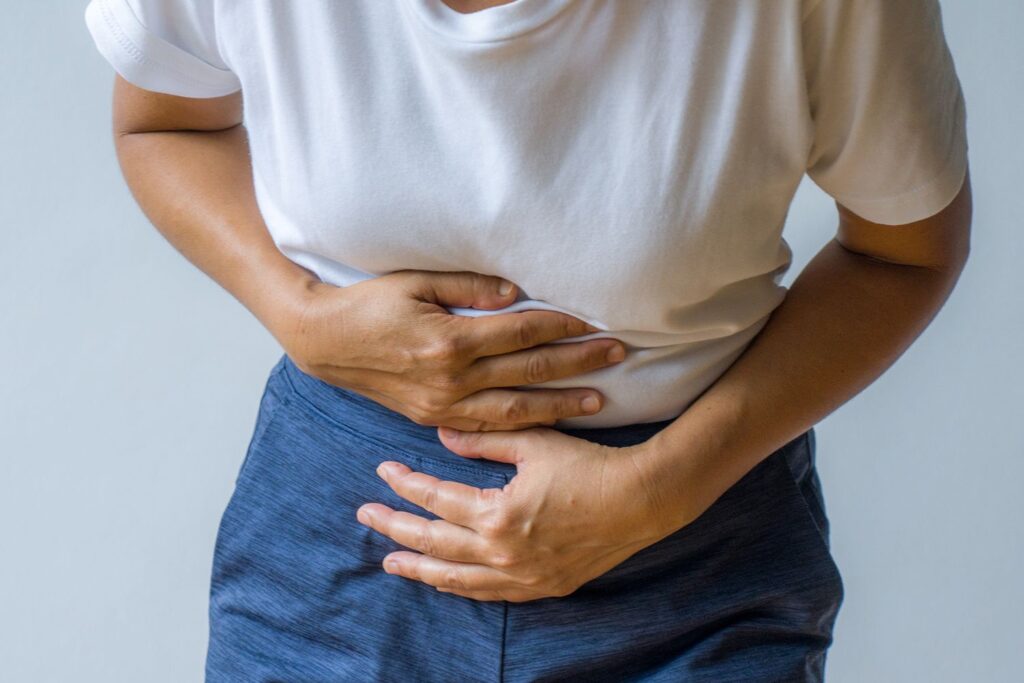
Menstrual disorders are medical conditions characterized by disruptions in a woman’s regular menstrual cycle. Recognized by the Federation of Obstetric & Gynaecological Societies of India (FOGSI) and WHO, these disruptions include missing periods, abnormally heavy bleeding, severe pelvic pain, or extreme emotional and physical symptoms leading up to menstruation.
How Common Are Menstrual Disorders in India?
If you struggle with difficult periods, you are far from alone. Menstrual health challenges are widely prevalent across India, though they remain underreported due to social hesitation.
Studies suggest that over 60% of Indian women experience at least one form of menstrual disorder during their reproductive years. In coastal urban centers like Visakhapatnam, factors such as high workplace stress, changing nutritional patterns, sedentary routines, and high rates of Polycystic Ovary Syndrome (PCOS) play significant roles.
Prevalence of Menstrual Health Issues in Indian Women
[██████████████████████████░░░░░░░░░░░░░░░░] ~60-65%
Furthermore, the prevalence of PCOS among South Indian women is estimated at nearly 1 in 5, making irregular or absent cycles a daily reality for many. Recognizing that these issues stem from biological and hormonal mechanisms—not personal weakness—is essential for taking control of your health.
Detailed Breakdown: What Are the 4 Menstrual Disorders?
To understand how these conditions affect your body, let us explore each of the four primary menstrual disorders in detail.
┌─────────────────────────────────────────────────────────────────────────────┐
│                    SUMMARY OF THE 4 MENSTRUAL DISORDERS                      │
├──────────────────┬───────────────────────────┬──────────────────────────────┤
│ Disorder         │ Primary Sign              │ Common Triggers / Conditions │
├──────────────────┼───────────────────────────┼──────────────────────────────┤
│ 1. Amenorrhea    │ Absent periods            │ PCOS, Thyroid shifts, Stress │
├──────────────────┼───────────────────────────┼──────────────────────────────┤
│ 2. Dysmenorrhea  │ Severe pelvic pain        │ Prostaglandins, Endometriosis│
├──────────────────┼───────────────────────────┼──────────────────────────────┤
│ 3. Menorrhagia   │ Heavy or prolonged flow   │ Fibroids, Polyps, Hormones   │
├──────────────────┼───────────────────────────┼──────────────────────────────┤
│ 4. PMS / PMDD    │ Emotional & body distress │ Serotonin & Progesterone shifts│
└──────────────────┴───────────────────────────┴──────────────────────────────┘
1. Amenorrhea (Absent Menstrual Periods)
Amenorrhea refers to the clinical absence of menstruation. Gynaecologists divide this condition into two types:
- Primary Amenorrhea: When a young woman has not started her period by age 15 or within three years of breast development.
- Secondary Amenorrhea: When a woman who previously had regular periods suddenly misses them for 3 consecutive months (or 6 months if her cycles were previously irregular), provided pregnancy is ruled out.
2. Dysmenorrhea (Painful Menstrual Cramps)
While mild lower abdominal discomfort is a normal part of shedding the uterine lining, dysmenorrhea involves severe, throbbing pelvic pain that interferes with daily activity.
- Primary Dysmenorrhea: Common period cramping caused by natural uterine contractions driven by chemicals called prostaglandins. It usually starts a day or two before bleeding begins.
- Secondary Dysmenorrhea: Severe pain caused by an underlying structural condition of the reproductive organs, such as endometriosis, uterine fibroids, or adenomyosis.
3. Menorrhagia (Heavy or Prolonged Menstrual Bleeding)
Menorrhagia is defined as abnormally heavy or prolonged menstrual bleeding. If you find yourself soaking through one or more sanitary products every hour for several consecutive hours, needing double protection, passing blood clots larger than a coin, or bleeding for longer than 7 days, you may be experiencing menorrhagia. Over time, untreated heavy bleeding often leads to chronic fatigue and iron-deficiency anaemia.
4. Premenstrual Syndrome (PMS) and PMDD
PMS encompasses a wide combination of physical, emotional, and behavioral symptoms that occur 7 to 14 days before a period starts and subside shortly after bleeding begins. Symptoms range from abdominal bloating, fluid retention, and breast tenderness to mood swings and irritability. A more severe, disabling form of this condition is known as Premenstrual Dysphoric Disorder (PMDD), which involves intense anxiety, deep sadness, or extreme mood shifts that affect personal relationships and work.
Signs and Symptoms You May Notice
Because each of these four conditions manifests differently, paying attention to what your body feels like across the entire month provides helpful information for your doctor.
You may notice:
- Missing consecutive period dates despite not being pregnant.
- Sharp, twisting, or aching pelvic pain that radiates to your lower back or inner thighs.
- Passing large blood clots or needing to change sanitary pads during the night.
- Bleeding or spotting between your expected periods or after intercourse.
- Sudden emotional shifts, such as uncharacteristic tearfulness, anxiety, or irritability a week before your cycle.
- Persistent fatigue, pale skin, or dizziness, which could suggest low hemoglobin from heavy bleeding.
Causes and Contributing Factors Behind Menstrual Disruptions
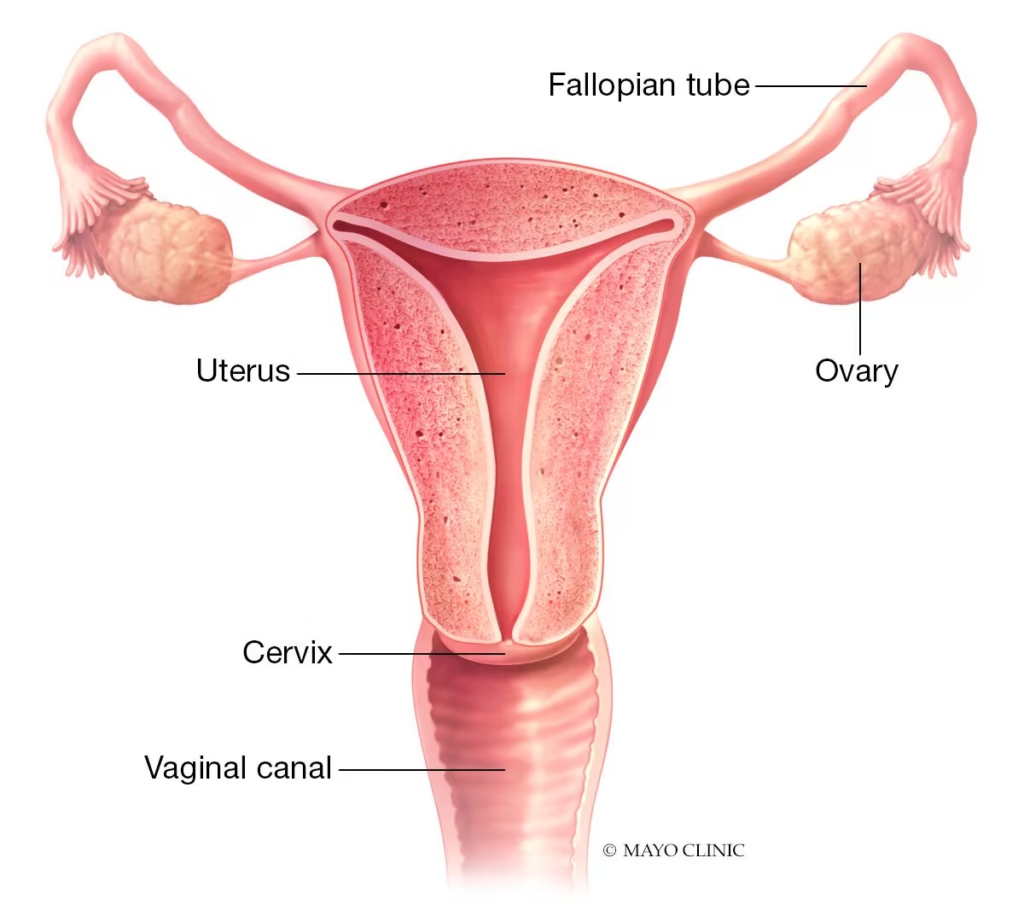
Menstrual cycles are orchestrated by a delicate communication loop between the brain (hypothalamus and pituitary gland) and the ovaries. Disruptions in this loop can stem from several physical or hormonal factors:
                      ┌────────────────────────────────────────┐
                      │   ROOT CAUSES OF MENSTRUAL DISORDERS   │
                      └───────────────────┬────────────────────┘
                                          │
         ┌───────────────────┬────────────┴────────────┬───────────────────┐
         ▼                   ▼                         ▼                   ▼
┌─────────────────┐ ┌─────────────────┐       ┌─────────────────┐ ┌─────────────────┐
│   Endocrine &   │ │   Structural    │       │ Inflammatory &  │ │   Lifestyle &   │
│    Hormonal     │ │    Conditions   │       │   Pelvic Factors│ │ Environmental   │
└─────────────────┘ └─────────────────┘       └─────────────────┘ └─────────────────┘
1. Endocrine and Hormonal Imbalances
Polycystic Ovary Syndrome (PCOS) is one of the most frequent causes of irregular bleeding patterns and missing periods. Thyroid disorders (both underactive and overactive thyroid) directly disrupt ovarian function. Additionally, elevated prolactin levels can halt ovulation entirely.
2. Structural Uterine Conditions
Non-cancerous uterine growths—such as uterine fibroids or endometrial polyps—increase the surface area of the uterine lining, often leading to menorrhagia and painful cramping. Adenomyosis, a condition where the uterine lining grows into the muscular wall of the uterus, also causes heavy, painful flow.
3. Pelvic Inflammatory Conditions & Endometriosis
Endometriosis causes inflammatory tissue to build up outside the uterus, creating pelvic adhesions and severe secondary dysmenorrhea. Past pelvic infections can also cause scarring in the fallopian tubes and surrounding pelvic tissues.
4. Lifestyle, Stress, and Metabolic Shifts
South Indian dietary patterns high in refined carbohydrates, paired with chronic daily stress, can lead to insulin resistance. High insulin levels prompt the ovaries to produce excess androgens (male hormones), disrupting regular ovulation. Extreme weight changes, intense physical overexertion, or high cortisol levels can similarly cause temporary period halts.
How Are Menstrual Disorders Diagnosed?
Seeking an evaluation for a menstrual disorder should be a reassuring, straightforward experience. A women’s health specialist will evaluate your condition through a careful, step-by-step approach:
- Detailed Menstrual Tracking: Reviewing your cycle history, including cycle length, number of days of flow, pain levels, and any mood variations.
- Targeted Hormonal Profiling: Blood tests to evaluate thyroid function (TSH), prolactin, serum androgen levels, and ovarian hormones (FSH, LH, AMH).
- Pelvic Ultrasound Scan: A non-invasive pelvic or transvaginal ultrasound to view the uterus, measure endometrial thickness, check for fibroids or polyps, and assess ovarian appearance.
- Hemoglobin and Ferritin Check: Assessing iron levels to rule out or manage anaemia caused by heavy bleeding.
- Specialized Diagnostic Steps: In select cases of persistent heavy bleeding, a quick in-clinic hysteroscopy or biopsy may be evaluated to inspect the uterine lining directly.
What Are the Treatment Options?
Managing a menstrual disorder does not mean jumping straight to complex procedures. Gynaecologists prioritize conservative, body-supportive treatments first:
- Lifestyle and Nutritional Optimization: Tailored dietary adjustments, regular physical activity, and stress management techniques help improve insulin sensitivity and support natural hormonal rhythm.
- Medical Pain Management: Non-steroidal anti-inflammatory drugs (NSAIDs) can effectively reduce prostaglandin production to ease primary dysmenorrhea.
- Hormonal Regulation: Low-dose oral contraceptives, progesterone-only therapies, or hormonal intrauterine devices (IUDs) can help stabilize the uterine lining, manage PCOS symptoms, and lessen heavy bleeding.
- Targeted Non-Hormonal Medications: Medicines that support blood clotting can significantly reduce blood loss during heavy period days.
- Minimally Invasive Interventions: For structural issues like large fibroids or polyps, minor procedures like hysteroscopic removal offer effective relief.
When Should You See a Doctor?
While occasional minor cycle variations can occur, you should never feel obligated to silently live with severe pain or overwhelming bleeding. You should consider scheduling an evaluation with a lady gynecologist in Vizag if you experience:
- Periods that consistently arrive less than 21 days or more than 35 days apart.
- Sudden disappearance of your period for more than 3 months.
- Pain so intense that it forces you to miss work, school, or daily activities.
- Heavy bleeding that requires changing pads every hour or lasts longer than 7 days.
- Severe premenstrual sadness, anxiety, or mood changes that affect your relationships.
If you recognize any of these symptoms in yourself, speaking to a qualified gynaecologist is the most important next step. Dr. Devani Chalamuri at Vedanta Speciality Clinics in Madhurawada, Vizag specialises in gynaecological care and offers compassionate, evidence-based management for women across Visakhapatnam.
Frequently Asked Questions
What are the 4 menstrual disorders?
The four main menstrual disorders are Amenorrhea (absent periods), Dysmenorrhea (painful periods), Menorrhagia (abnormally heavy or prolonged bleeding), and Premenstrual Syndrome (PMS) or Premenstrual Dysphoric Disorder (PMDD).
Is it normal to have irregular periods in my 20s?
Occasional delays caused by temporary stress or illness can happen, but consistently irregular periods in your 20s are not something you have to live with. They often point to underlying conditions like PCOS or thyroid shifts that respond very well to care.
Which doctor should I see for menstrual disorders in Vizag?
You should consult an experienced lady doctor or gynaecologist. Dr. Devani Chalamuri at Vedanta Speciality Clinics in Madhurawada provides comprehensive diagnostic workups and personalized care plans for women experiencing period irregularities.
Can PCOS cause both heavy and missing periods?
Yes. PCOS disrupts regular ovulation, which can cause you to skip periods for months (Amenorrhea). When bleeding finally occurs, the built-up uterine lining may shed as an unusually heavy or prolonged flow (Menorrhagia).
What is the difference between PMS and PMDD?
While PMS causes mild-to-moderate physical bloating and mood variations before a period, PMDD is a more severe form. PMDD causes intense psychological distress, extreme mood shifts, or anxiety that significantly impacts daily life.
How do I know if my period bleeding is too heavy?
If you soak through one or more sanitary pads every hour for consecutive hours, pass blood clots larger than a coin, or experience bleeding that lasts longer than 7 days, your flow is considered abnormally heavy and should be evaluated by a doctor.
Can I get complete gynaecological evaluation and ultrasound scans in Madhurawada?
Yes, women living in Madhurawada and northern Vizag can access complete gynaecological consultations, hormonal evaluations, and ultrasound imaging locally at Vedanta Speciality Clinics.
Can severe period pain be treated without major surgery?
Yes. The majority of period pain cases—whether primary or secondary—are managed effectively with lifestyle adjustments, targeted anti-inflammatory medications, or hormonal regulation options recommended by your gynaecologist.

Take Charge of Your Menstrual Health
Your period should never feel like a monthly punishment or a source of silent anxiety. Understanding what are the 4 menstrual disorders? empowers you to listen to your body, recognize when something needs attention, and advocate for your well-being.
Whether you are dealing with missing cycles, heavy flow, or monthly pain, remember that effective, empathetic medical support is available. Seeking help is a positive step toward feeling comfortable, confident, and healthy every day of the month.
If you are experiencing any of these symptoms, Dr. Devani Chalamuri at Vedanta Speciality Clinics, Madhurawada, Vizag is available for a personalized consultation.

Leave a Comment