
Table of Contents
What Causes Painful Periods? Symptoms, Root Factors, and Relief Options
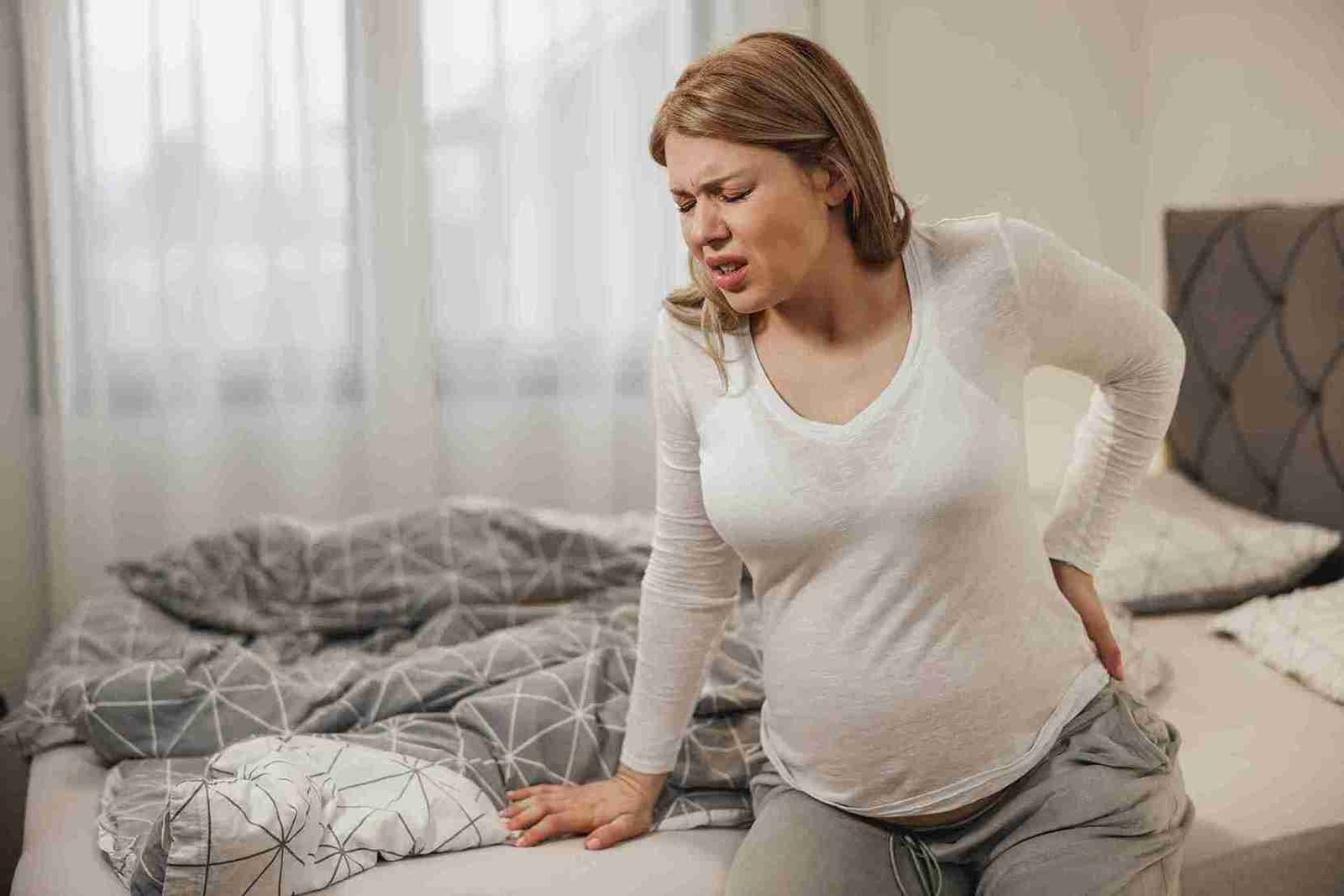
For many women, the arrival of a monthly period is accompanied by a quiet sense of dread. If you find yourself curling up with a hot water bag every month, missing work or college, or wondering what causes painful periods, you are taking an important step toward reclaiming your physical comfort and daily well-being.
Menstrual cramps are one of the most common physical discomforts reported by women, yet they are also among the most frequently normalized. Across many Indian households, severe pelvic pain is often dismissed as a routine part of womanhood that must be quietly endured.
However, experiencing pain that disrupts your life is your body’s signal that something needs attention. Understanding what causes painful periods allows you to strip away the guesswork, distinguish between normal cramping and underlying medical conditions, and seek supportive, evidence-based care.
What Are Painful Periods (Dysmenorrhea)?
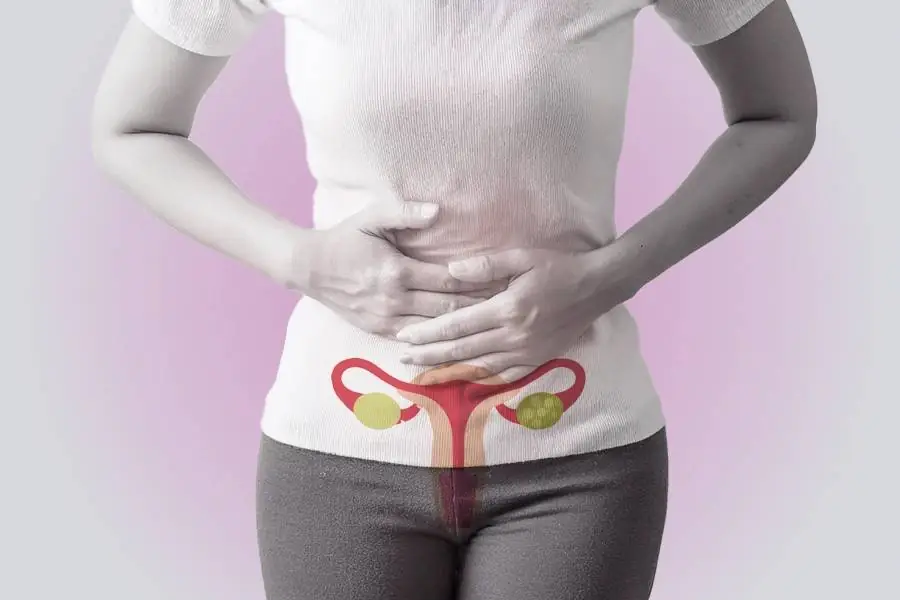
Painful periods (clinically known as dysmenorrhea) describe painful, throbbing cramps in the lower abdomen occurring just before or during menstruation. Recognized by FOGSI and WHO, dysmenorrhea is classified as primary (caused by natural hormonal chemical contractions) or secondary (caused by underlying structural pelvic conditions like endometriosis or fibroids).
How Common Is Period Pain Among Indian Women?
If you suffer from intense monthly cramps, you are far from alone. Menstrual discomfort is exceptionally common across all age groups in India.
Clinical studies and regional health surveys indicate that 60% to 80% of young Indian women experience some degree of period pain, with nearly 15% to 20% describing their pain as severe enough to restrict routine daily activities, work productivity, or academic attendance.
Prevalence of Menstrual Pain in Indian Women
[████████████████████████████████░░░░░░░░░] ~70-80% Experience Cramps
[████████░░░░░░░░░░░░░░░░░░░░░░░░░░░░░░░░░] ~20% Severe/Disabling Pain
In growing coastal cities like Visakhapatnam, modern lifestyle pressures, dietary shifts, sedentary routines, and delayed medical consultations for pelvic pain contribute to many women living with untreated secondary dysmenorrhea. Recognizing that intense pain is a clear physiological signal—and not something you simply have to “bear”—is the first step toward relief.
Signs and Symptoms You May Notice
While a mild, dull ache in the lower abdomen can be a natural part of menstruation, dysmenorrhea presents with distinct physical signs.
Depending on whether your pain is primary or secondary, you may notice:
- Throbbing or intense cramping pain localized in the lower abdomen that begins 1 to 3 days before your flow starts.
- Continuous, dull pelvic aching that radiates into your lower back, hips, and inner thighs.
- Digestive symptoms, such as mild nausea, loose stools, bloating, or abdominal upset during peak cramp days.
- Headaches, dizziness, or lightheadedness alongside peak pain levels.
- Pain during intimate moments (dyspareunia), which may point toward an underlying pelvic condition like endometriosis.
- Pain that does not lessen with standard over-the-counter anti-inflammatory measures or basic heat application.
Primary vs. Secondary Dysmenorrhea: What Is the Difference?
When evaluating what causes painful periods, gynaecologists divide menstrual cramps into two primary clinical categories:
┌─────────────────────────────────────────────────────────────────────────────┐
│                 PRIMARY VS. SECONDARY DYSMENORRHEA COMPARISON               │
├──────────────────┬───────────────────────────┬──────────────────────────────┤
│ Clinical Feature │ Primary Dysmenorrhea      │ Secondary Dysmenorrhea       │
├──────────────────┼───────────────────────────┼──────────────────────────────┤
│ Onset Age        │ Teens to early 20s        │ Mid-20s, 30s, or 40s         │
├──────────────────┼───────────────────────────┼──────────────────────────────┤
│ Underlying Cause │ Natural Prostaglandins    │ Structural Conditions        │
├──────────────────┼───────────────────────────┼──────────────────────────────┤
│ Timing of Pain   │ Starts 1-2 days before flow│ Starts days before, lasts past flow│
├──────────────────┼───────────────────────────┼──────────────────────────────┤
│ Pelvic Findings  │ Normal anatomy            │ Fibroids, Endometriosis, etc.│
├──────────────────┼───────────────────────────┼──────────────────────────────┤
│ Progress         │ Often eases with age/birth│ Tends to worsen over time    │
└──────────────────┴───────────────────────────┴──────────────────────────────┘
Root Causes: What Causes Painful Periods?
To understand why menstruation can feel so intensely painful, we must examine both normal uterine mechanics and underlying physical conditions.
                      ┌────────────────────────────────────────┐
                      │    ROOT CAUSES OF PAINFUL PERIODS      │
                      └───────────────────┬────────────────────┘
                                          │
         ┌───────────────────┬────────────┴────────────┬───────────────────┐
         ▼                   ▼                         ▼                   ▼
┌─────────────────┐ ┌─────────────────┐       ┌─────────────────┐ ┌─────────────────┐
│ Prostaglandin   │ │  Endometriosis  │       │ Uterine Fibroids│ │ Chronic Pelvic  │
│ Overproduction  │ │ & Adenomyosis   │       │ & Tissue Polyps │ │ Stress & Inflammation
└─────────────────┘ └─────────────────┘       └─────────────────┘ └─────────────────┘
1. Elevated Prostaglandin Production (Primary Dysmenorrhea)
During menstruation, the lining of your uterus produces hormone-like chemicals called prostaglandins. Prostaglandins trigger the muscular uterine walls to contract, squeezing out the unneeded lining and blood.
When your body produces higher levels of prostaglandins, the contractions become stronger and tighter. These intense squeezes temporarily reduce blood flow to the uterine muscle tissue, creating a momentary oxygen shortage that triggers pain signals—much like a muscle cramp after an intense workout.
2. Endometriosis
Endometriosis is a common condition where tissue similar to the lining of the uterus (endometrium) grows outside the uterine cavity—frequently on the ovaries, fallopian tubes, outer uterine surface, or pelvic sidewalls.
Just like the lining inside your uterus, this external tissue thickens, breaks down, and bleeds with each monthly hormonal cycle. However, because this blood has no pathway to leave your body, it becomes trapped, creating localized inflammation, painful pelvic adhesions, scar tissue, and severe menstrual pain.
3. Adenomyosis
Often described as a sister condition to endometriosis, adenomyosis occurs when the endometrial tissue lining grows inward into the muscular wall of the uterus (myometrium). During menstruation, this trapped tissue swells within the muscular wall, causing the uterus to double or triple in size, leading to severe, heavy, and throbbing pain.
4. Uterine Fibroids and Endometrial Polyps
Uterine fibroids are non-cancerous muscular growths that develop within or along the walls of the uterus. Polyps are small, soft tissue growths attached to the inner uterine lining. Both structural variations increase uterine volume and distort the uterine cavity, forcing the uterine muscles to contract more forcefully to expel menstrual flow.
5. Pelvic Inflammatory Disease (PID)
PID is an infection of the female reproductive organs, often developing from unmanaged lower genital infections. PID causes chronic swelling, scarring, and tenderness throughout the fallopian tubes, ovaries, and pelvis, leading to persistent pelvic aching that intensifies during menstruation.
6. Cervical Stenosis
In some women, the opening of the cervix (the neck of the uterus) is naturally small or narrow. This small opening can restrict the outflow of menstrual blood, increasing pressure inside the uterine cavity and triggering stronger, more painful contractions.
How Is Period Pain Diagnosed?
Investigating the root cause of your menstrual discomfort is a structured, gentle process. A consultation with a women’s health specialist provides clarity without stress:
Diagnostic Steps for Menstrual Pain Evaluation
  ┌─────────────────────────┐
  │ 1. Personal History     │ Discussion of cycle timing, pain patterns, & family background
  └────────────┬────────────┘
               ▼
  ┌─────────────────────────┐
  │ 2. Physical & Clinical  │ Gentle assessment to check pelvic structure & tenderness
  └────────────┬────────────┘
               ▼
  ┌─────────────────────────┐
  │ 3. High-Resolution Scan │ Pelvic ultrasound to view uterine wall, lining, & ovaries
  └────────────┬────────────┘
               ▼
  ┌─────────────────────────┐
  │ 4. Individualized Plan  │ Tailored care strategy focused on root cause relief
  └─────────────────────────┘
- A Comprehensive Symptom Review: Your doctor will ask when your pain begins, how long it lasts, what remedies you have tried, and how it impacts your daily routine.
- Clinical Pelvic Examination: A gentle, routine physical exam helps check the size, mobility, and structural health of your pelvic organs.
- Pelvic Ultrasound Scan: A high-resolution pelvic or transvaginal ultrasound allows the specialist to view the uterine muscle wall (checking for adenomyosis), inspect the uterine lining (looking for polyps or fibroids), and check the ovaries for endometriotic cysts (chocolate cysts).
- Targeted Laboratory Investigations: Blood tests may be performed to check for signs of inflammation, rule out active pelvic infection, or evaluate hemoglobin levels if heavy bleeding accompanies your pain.
Overview of Care and Relief Options
Relieving period pain begins with addressing the underlying cause. Modern gynaecological guidelines emphasize progressive, body-supportive approaches:
- Targeted Anti-Inflammatory Support: Non-steroidal anti-inflammatory drugs (NSAIDs) reduce the activity of the enzymes that produce prostaglandins. When taken at the very start of cramps, they effectively prevent severe contractions.
- Hormonal Cycle Balance: Low-dose oral contraceptives, progestin therapies, or hormonal intrauterine devices (IUDs) keep the uterine lining thin. A thinner lining produces fewer prostaglandins and significantly reduces menstrual volume and pain.
- Dietary and Lifestyle Modifications: Incorporating anti-inflammatory foods, reducing refined sugar and caffeine before your period, applying local heat therapy, and engaging in gentle yoga help relax uterine smooth muscle.
- Minimally Invasive Structural Care: If pain is driven by large fibroids, polyps, or localized endometriosis, minor laparoscopic or hysteroscopic procedures can safely remove these growths and restore long-term comfort.
When Should You See a Doctor?
While mild, manageable cramps are common, you should never feel forced to endure severe pain that disrupts your life. You should schedule a consultation with an obstetrician in Vizag if:
- Your period pain is so severe that it prevents you from going to work, school, or carrying out daily tasks.
- Your cramps suddenly become significantly worse or change in nature after years of mild pain.
- Pain begins several days before your period starts and continues throughout your flow.
- Over-the-counter pain relievers no longer provide adequate relief.
- You experience pain during intimate moments, bowel movements, or urination during your period.
- Your pain is accompanied by unusually heavy bleeding or fever.
If you recognize several of these symptoms in yourself, speaking to a qualified gynaecologist is the most important next step. Dr. Devani Chalamuri at Vedanta Speciality Clinics in Madhurawada, Vizag specialises in gynaecological care and offers compassionate, evidence-based care for women across Visakhapatnam.
Frequently Asked Questions
What causes painful periods in most women?
The most common cause of primary period pain is the overproduction of prostaglandins, which trigger strong uterine muscle contractions. Secondary period pain is caused by underlying conditions like endometriosis, adenomyosis, or uterine fibroids.
Is it normal to have severe period cramps in your 20s?
Mild, manageable discomfort is common, but severe pain that disrupts your daily life or keeps you in bed is not normal. Severe cramps warrant a clinical consultation to check for underlying conditions like endometriosis or PCOS-related heavy flow.
Which doctor should I see for period pain in Vizag?
You should see a qualified lady gynecologist or women’s health specialist. Dr. Devani Chalamuri at Vedanta Speciality Clinics in Madhurawada offers comprehensive diagnostic evaluations and tailored care plans for period pain.
How does endometriosis cause severe period pain?
Endometriosis causes tissue similar to the uterine lining to grow outside the uterus. This tissue bleeds internally during every cycle, causing localized inflammation, tissue scarring, and severe pelvic pain.
Can PCOS cause painful periods?
PCOS primarily causes irregular or skipped cycles. However, when a period finally occurs after several months, the built-up, thickened uterine lining can trigger intense, prolonged cramping and heavy bleeding.
When should I see a gynecologist in Vizag for cramps?
You should seek care if your cramps prevent you from working or studying, if pain relief medication doesn’t help, if pain occurs outside your period days, or if you experience pain during intimate moments.
Can I get pelvic ultrasound imaging in Madhurawada?
Yes, women in Madhurawada and northern Visakhapatnam can access complete gynaecological consultations, pelvic ultrasound imaging, and hormone evaluations locally at Vedanta Speciality Clinics.
Does emotional stress make period pain worse?
Yes. Chronic stress elevates cortisol levels, increases muscle tension, and alters pain perception, making uterine contractions feel significantly more intense during your cycle.
Reclaiming Comfort in Your Monthly Cycle
Experiencing severe period pain is not something you simply have to endure or accept. Understanding what causes painful periods empowers you to listen to your body, recognize when something needs attention, and advocate for your health.
Modern gynaecology offers a wide range of gentle, effective solutions to help you experience comfortable, predictable cycles. Taking the step to speak with a healthcare professional is an act of self-care that can dramatically improve your quality of life every month.
If you are experiencing any of these symptoms, Dr. Devani Chalamuri at Vedanta Speciality Clinics, Madhurawada, Vizag is available for a personalized consultation.

Leave a Comment