
Table of Contents
Can I Get Pregnant with an Irregular Period? Signs, Ovulation & Care
If you are planning to expand your family and find yourself tracking unpredictable dates on a calendar, it is completely natural to ask: can I get pregnant with an irregular period? Seeing your period arrive unexpectedly early one month, space out over six weeks the next, or skip entirely can bring a sense of uncertainty when you are eager to conceive.
In many Indian families, discussions surrounding fertility and cycle regularity carry subtle emotional weight. When cycle dates do not match standard 28-day expectations, women often worry that an irregular cycle automatically signals an inability to conceive.
The short, reassuring answer is yes, you can absolutely get pregnant with an irregular period. An irregular cycle simply means that your body’s fertility window moves on its own schedule rather than a predictable routine. By understanding how ovulation works, identifying the underlying reasons for cycle variations, and working alongside a supportive doctor, you can approach your family planning journey with clarity and peace of mind.
What Is Conception with Irregular Cycles?
Conception with irregular periods occurs whenever a mature egg is successfully released from the ovary (ovulation) and fertilized, regardless of cycle length or timing. While irregular cycles mean ovulation happens at unpredictable intervals rather than the typical Day 14, natural pregnancy remains fully possible whenever an egg is present.
How Common Are Irregular Periods in India?
Cycle irregularity is far more common among women than most realize. It does not mean your body is failing—it simply reflects how sensitive your endocrine system is to internal and external changes.
According to research studies and guidelines supported by the Federation of Obstetric and Gynaecological Societies of India (FOGSI), approximately 20% to 35% of Indian women of reproductive age experience irregular menstrual cycles at some point in their lives.
Prevalence of Menstrual Irregularities in Indian Women
[████████████████████████████░░░░░░░░░░░░░] ~20-35% Experience Irregular Cycles
[████████████████████░░░░░░░░░░░░░░░░░░░░░] ~20% Attributable to PCOS
[████████████░░░░░░░░░░░░░░░░░░░░░░░░░░░░░] ~10-12% Thyroid-Related Variations
In South India, Polycystic Ovary Syndrome (PCOS) is a leading cause of cycle variations, affecting nearly 1 in 5 women in urban centers like Visakhapatnam. Furthermore, factors like urban lifestyle stress, long work hours, dietary changes, and metabolic shifts play key roles in cycle timing. Recognizing how widespread these variations are helps lift unnecessary worry, allowing you to focus on effective, evidence-based steps forward.
What Are the Signs of Ovulation with an Irregular Period?
When your menstrual cycle varies, standard mobile apps that estimate ovulation on Day 14 are often inaccurate. Instead, listening to your body’s natural physical signals can help you identify your fertile window:
                      ┌────────────────────────────────────────┐
                      │    NATURAL OVULATION INDICATORS        │
                      └───────────────────┬────────────────────┘
                                          │
         ┌───────────────────┬────────────┴────────────┬───────────────────┐
         ▼                   ▼                         ▼                   ▼
┌─────────────────┐ ┌─────────────────┐       ┌─────────────────┐ ┌─────────────────┐
│ Cervical Mucus  │ │ Basal Body Temp │       │ Physical Signs  │ │ Ovulation Kits  │
│ Clear, stretchy │ │ Slight resting  │       │ Mild pelvic discomfort│ Detects LH surge│
│ "egg-white" texture│ rise post-ovulation│ or breast tenderness│ in urine samples│
└─────────────────┘ └─────────────────┘       └─────────────────┘ └─────────────────┘
When tracking an irregular cycle, you may notice:
- Changes in cervical mucus: As ovulation approaches, vaginal discharge shifts from dry or sticky to clear, slippery, and stretchy—resembling raw egg whites. This creates an optimal environment for sperm survival.
- Basal Body Temperature (BBT) shifts: Your resting morning body temperature rises slightly (by about $0.3^\circ\text{C}$ to $0.5^\circ\text{C}$) after an egg has been released, confirming that ovulation has occurred.
- Mild pelvic discomfort (Mittelschmerz): A light, one-sided ache or twinge in the lower abdomen as the ovarian follicle releases a mature egg.
- Heightened sensory awareness: Subtle changes like mild breast tenderness, increased physical energy, or a natural boost in libido around your fertile days.
- Positive Urine LH Kits: Ovulation Predictor Kits (OPKs) detect the surge in Luteinizing Hormone (LH) that occurs 24 to 36 hours before an egg is released.
Comparing Regular vs. Irregular Cycles: Fertility Implications
┌─────────────────────────────────────────────────────────────────────────────┐
│                 REGULAR VS. IRREGULAR CYCLES: WHAT CHANGED?                 │
├──────────────────┬───────────────────────────┬──────────────────────────────┤
│ Cycle Pattern    │ Typical Length            │ Ovulation & Fertility        │
├──────────────────┼───────────────────────────┼──────────────────────────────┤
│ Regular Cycle    │ 21 to 35 days (predictable│ Consistent ovulation, usually│
│                  │ month to month)           │ 12-16 days before period     │
├──────────────────┼───────────────────────────┼──────────────────────────────┤
│ Oligomenorrhea   │ > 35 days apart           │ Delayed ovulation; fewer     │
│ (Infrequent)     │ (e.g., 40-60 day gaps)    │ fertile windows per year     │
├──────────────────┼───────────────────────────┼──────────────────────────────┤
│ Polymenorrhea    │ < 21 days apart           │ Shortened luteal phase or    │
│ (Frequent)       │                           │ early, incomplete egg release│
├──────────────────┼───────────────────────────┼──────────────────────────────┤
│ Anovulatory      │ Completely erratic or     │ Periods occur without an egg │
│ Cycles           │ skipping 3–6+ months      │ being released; requires care│
└──────────────────┴───────────────────────────┴──────────────────────────────┘
Causes and Contributing Factors: Why Are Cycles Irregular?
To answer can I get pregnant with an irregular period effectively, it helps to understand why cycle lengths vary. The menstrual cycle relies on precise communication between the brain (hypothalamus and pituitary gland) and the ovaries. When this signal is altered, cycle timing shifts.
                      ┌────────────────────────────────────────┐
                      │    UNDERLYING CAUSES OF IRREGULARITY   │
                      └───────────────────┬────────────────────┘
                                          │
         ┌───────────────────┬────────────┴────────────┬───────────────────┐
         ▼                   ▼                         ▼                   ▼
┌─────────────────┐ ┌─────────────────┐       ┌─────────────────┐ ┌─────────────────┐
│ Polycystic Ovary│ │ Thyroid Gland   │       │ Hyperprolacti-  │ │ Stress & Weight │
│ Syndrome (PCOS) │ │ Dysfunctions    │       │ naemia          │ │ Fluctuations    │
└─────────────────┘ └─────────────────┘       └─────────────────┘ └─────────────────┘
1. Polycystic Ovary Syndrome (PCOS)
PCOS is the single most common cause of ovulatory variations among women of reproductive age. In PCOS, subtle hormonal imbalances prevent ovarian follicles from maturing and releasing an egg on a monthly schedule. Instead, multiple small, inactive follicles rest on the ovary. While this delays ovulation, women with PCOS can and do conceive naturally or with minor medical support.
2. Thyroid Hormone Variations
The thyroid gland regulates baseline metabolic rate and works alongside reproductive hormones. Both an underactive thyroid (hypothyroidism) and an overactive thyroid (hyperthyroidism) can disrupt menstrual regularity and cause missed periods or light flow.
3. Elevated Prolactin (Hyperprolactinaemia)
Prolactin is the hormone responsible for milk production during lactation. When prolactin levels are elevated outside of pregnancy or breastfeeding—often due to stress or minor pituitary variations—it can temporarily pause ovulation and cause irregular cycles.
4. Stress and Hypothalamic Factors
High levels of physical, emotional, or work-related stress prompt the body to release cortisol. Cortisol can slow down the brain’s release of Gonadotropin-Releasing Hormone (GnRH), delaying ovulation and extending your cycle length.
5. Sudden Weight Changes or High-Intensity Exercise
Rapid weight loss, strict calorie restriction, or intense physical training can lead to hypothalamic amenorrhea—where the body conserves energy by pausing non-essential functions like ovulation.
6. Perimenopause (Early Mid-Life Shift)
For women in their late 30s or early 40s, cycle variations can mark the onset of perimenopause, as natural estrogen levels fluctuate before gradually declining.
How Is Cycle Irregularity Diagnosed for Conception?
When you meet with a pregnancy doctor in Visakhapatnam, the evaluation is reassuring, straightforward, and focused on helping you understand your personal fertility timeline:
Diagnostic Roadmap for Conception Planning
  ┌─────────────────────────┐
  │ 1. Clinical Health Map  │ Medical history, menstrual tracking, & lifestyle evaluation
  └────────────┬────────────┘
               ▼
  ┌─────────────────────────┐
  │ 2. Target Blood Panel   │ Hormonal checks (FSH, LH, AMH, TSH, Prolactin, Fasting Insulin)
  └────────────┬────────────┘
               ▼
  ┌─────────────────────────┐
  │ 3. Pelvic Ultrasound    │ Assessment of ovarian follicle reserve & uterine lining
  └────────────┬────────────┘
               ▼
  ┌─────────────────────────┐
  │ 4. Tailored Care Plan   │ Personalized ovulation tracking or mild medical induction strategy
  └─────────────────────────┘
- Comprehensive Health Consultation: Your doctor will review your menstrual calendar, lifestyle habits, stress factors, and any physical symptoms you have noticed.
- Targeted Hormonal Evaluations: Simple blood tests help evaluate key reproductive markers:
- FSH and LH: Measures brain-to-ovary signaling. A high ratio of LH to FSH can indicate PCOS.
- AMH (Anti-Müllerian Hormone): Provides a clear picture of your remaining ovarian egg reserve.
- TSH and Serum Prolactin: Rules out thyroid variations or elevated prolactin levels.
- Fasting Insulin and Glucose: Checks for underlying insulin resistance, especially common in PCOS.
- High-Resolution Pelvic Ultrasound: Ultrasound imaging evaluates your ovaries, measures follicle growth, and checks uterine lining thickness to ensure it is ready for embryo implantation.
- Follicular Monitoring: Serial ultrasound scans track a developing follicle over several days to confirm the exact timing of egg release.
What Are the Treatment Options to Support Conception?
If you are trying to conceive with irregular cycles, modern gynaecology offers safe, effective options to bring predictability to your fertile window:
┌─────────────────────────────────────────────────────────────────────────────┐
│                 EVIDENCE-BASED OPTIONS TO SUPPORT CONCEPTION                │
├──────────────────┬───────────────────────────┬──────────────────────────────┤
│ Treatment Type   │ Primary Mechanism         │ Clinical Benefits            │
├──────────────────┼───────────────────────────┼──────────────────────────────┤
│ Lifestyle & Diet │ Insulin optimization,     │ Restores natural ovulation   │
│ Adjustments      │ nutrient-dense nutrition  │ cycles organically           │
├──────────────────┼───────────────────────────┼──────────────────────────────┤
│ Ovulation        │ Oral prescription therapy │ Encourages ovaries to grow and│
│ Induction        │ (e.g., Letrozole)         │ release a mature egg         │
├──────────────────┼───────────────────────────┼──────────────────────────────┤
│ Hormonal &       │ Thyroid balance or        │ Normalizes pituitary and     │
│ Metabolic Care   │ insulin-sensitizing agents│ ovarian signaling            │
├──────────────────┼───────────────────────────┼──────────────────────────────┤
│ Ultrasound       │ Serial follicle scans     │ Pinpoints exact fertile days │
│ Tracking         │                           │ for timed intercourse        │
└──────────────────┴───────────────────────────┴──────────────────────────────┘
1. Lifestyle and Nutritional Support
For many women—particularly those with PCOS or stress-related cycle shifts—simple, sustained lifestyle modifications restore natural ovulation:
- Balanced Nutritional Approach: Eating nutrient-dense, low-glycemic foods (whole grains, pulse, fresh vegetables, lean proteins) helps regulate blood sugar and reduces insulin resistance.
- Moderate Activity: Regular moderate exercise like brisk walking, yoga, or swimming improves hormonal balance without overstressing the body.
- Stress Reduction Practices: Quality sleep and mindfulness reduce cortisol levels, supporting the brain signals that drive regular ovulation.
2. Medical Ovulation Induction
When lifestyle changes alone do not normalize cycle timing, a gynaecologist may recommend mild oral medications:
- Letrozole or Clomiphene Citrate: These prescription medications gently encourage the ovaries to mature and release a healthy egg. They are well-established, effective, and widely used in pre-conception care.
- Insulin-Sensitizing Therapy: Medications like metformin can improve how the body uses insulin, which in turn helps restore natural ovulation cycles in women with PCOS.
3. Target Hormonal Adjustments
If thyroid variations or elevated prolactin levels are disrupting your cycle, taking daily targeted medication usually restores regular periods and natural fertility quite quickly.
Step-by-Step Guide: How to Increase Your Chances of Conceiving with Irregular Periods
- Start tracking physical ovulation indicators: Keep a daily log of cervical mucus changes, basal body temperature, or urine LH kit results using a physical journal or fertility tracking app.
- Maintain a consistent intimacy routine: Rather than trying to pinpoint a single day, aim for intimacy every 2 to 3 days throughout your cycle. This ensures healthy sperm is present whenever ovulation occurs.
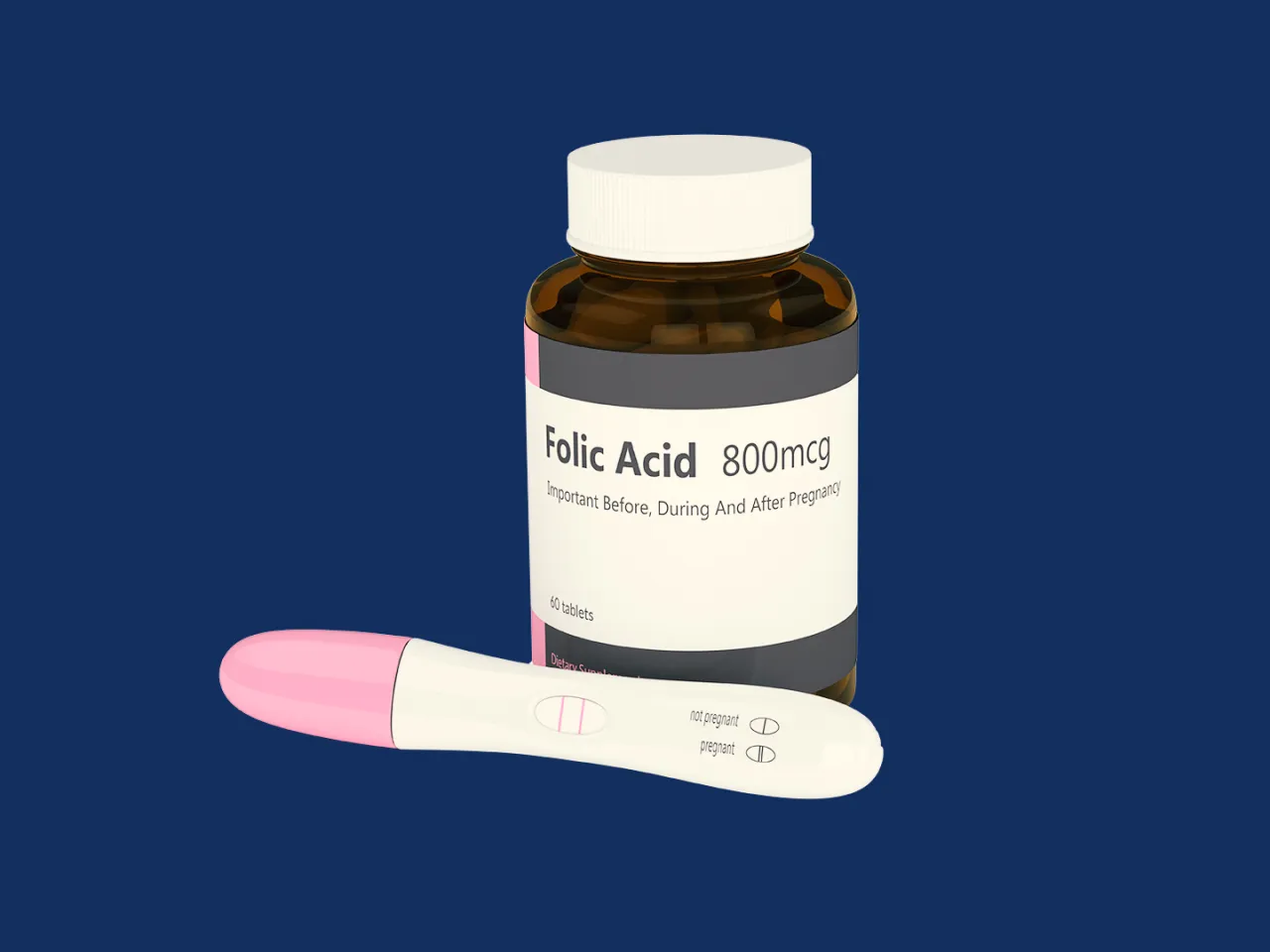
- Focus on nutrient-rich pre-conception care: Begin taking a daily prenatal folic acid supplement (as advised by your doctor), stay well-hydrated, and eat a balanced diet.
- Minimize stress and prioritize sleep: Aim for 7 to 8 hours of restful sleep each night to keep stress hormones in check.
- Schedule a pre-conception consultation: A consultation with a women’s health specialist helps identify any underlying hormonal variations early, saving you months of guess work.
When Should You See a Doctor?
If you are navigating irregular periods while trying to conceive, you do not need to wait a full year before seeking professional advice.
┌─────────────────────────────────────────────────────────────────────────────┐
│                          WHEN TO SEEK CLINICAL CARE                         │
├─────────────────────────────────────┬───────────────────────────────────────┤
│ Routine Consultation Recommended    │ Prompt Clinical Evaluation Needed     │
├─────────────────────────────────────┼───────────────────────────────────────┤
│ • Cycles consistently > 35 days     │ • Periods skipping for 3+ months     │
│ • Cycles shorter than 21 days       │ • Severe pelvic pain during periods   │
│ • Trying to conceive for 6 months   │ • Unexpected bleeding or spotting     │
│   with unpredictable cycle dates    │   between regular periods             │
└─────────────────────────────────────┴───────────────────────────────────────┘
You should schedule a guidance visit with an experienced lady gynecologist if:
- Your cycles are regularly longer than 35 days or shorter than 21 days.
- You have gone three consecutive months without a period (and are not pregnant).
- You are over age 35 and have been trying to conceive for six months with unpredictable cycles.
- You notice symptoms like excess facial hair, severe acne, or unexplained weight gain alongside cycle variations.
If you recognise several of these symptoms in yourself, speaking to a qualified gynaecologist is the most important next step. Dr. Devani Chalamuri at Vedanta Speciality Clinics in Madhurawada, Vizag specialises in pre-conception care, ovulation tracking, and hormonal health, offering compassionate, evidence-based guidance for women across Visakhapatnam.
Frequently Asked Questions
Can I get pregnant with an irregular period?
Yes, absolutely. As long as your ovaries release a mature egg—even if infrequently or at unpredictable times—natural conception is fully possible. Identifying your unique ovulation timing with medical guidance makes a significant difference.
How can I track ovulation if my cycle lengths keep changing?
Rather than relying strictly on digital calendar apps, track physiological signals such as fertile cervical mucus changes, basal body temperature shifts, or ovulation predictor kits (OPKs). A gynaecologist can also perform follicular tracking via ultrasound for exact precision.
Does PCOS automatically mean I will have trouble conceiving?
No. While Polycystic Ovary Syndrome (PCOS) is a common cause of irregular cycles due to anovulation, most women with PCOS conceive successfully through targeted lifestyle modifications, insulin optimization, or simple ovulation-inducing medications.
Which doctor should I see for irregular periods and fertility in Vizag?
You should consult an experienced lady gynecologist and women’s health specialist. Dr. Devani Chalamuri at Vedanta Speciality Clinics in Madhurawada provides comprehensive hormonal evaluations and compassionate conception planning.
Is it normal to have irregular periods in my 20s or 30s?
While common, irregular cycles are a sign that your hormonal balance needs attention. Occasional shifts due to stress or travel are normal, but persistent irregularity warrants a evaluation to check for PCOS, thyroid variations, or prolactin imbalances.
When should I see a gynecologist in Vizag if I am trying to conceive?
If your cycles are irregular, it is wise to see a doctor early—even before actively trying for six to twelve months. Pre-conception health evaluations help identify underlying hormonal imbalances and optimize your fertile window.
Can I get pre-conception care and ovulation tracking in Madhurawada?
Yes, women in Madhurawada and Visakhapatnam can access complete pre-conception planning, hormonal blood panels, and follicular ultrasound tracking locally at Vedanta Speciality Clinics.
Does stress cause irregular periods and affect pregnancy chances?
Yes. Chronic mental or physical stress raises cortisol, which can temporarily disrupt the brain’s signals to the ovaries, delaying or suppressing ovulation and altering cycle length.
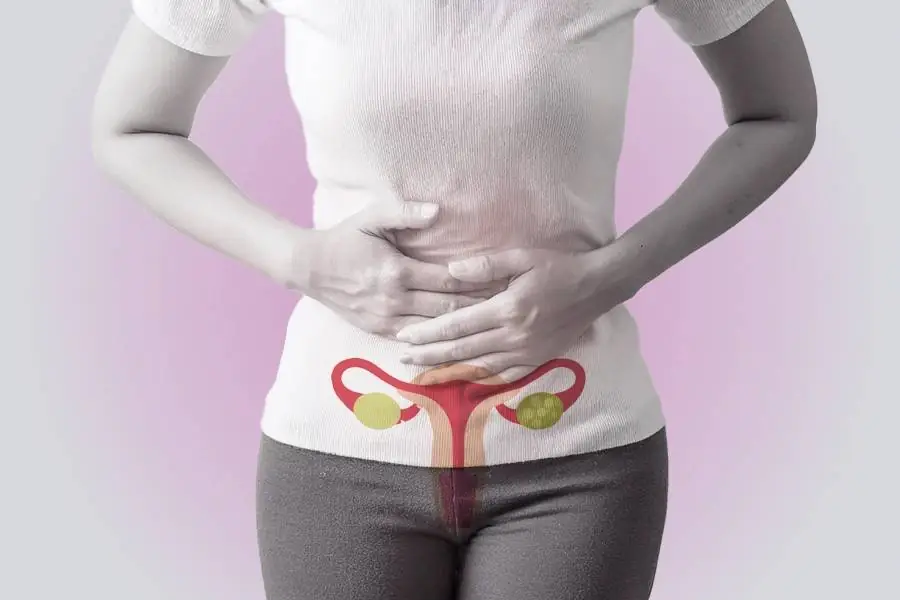
Embarking on Your Family Planning Journey with Confidence
Asking can I get pregnant with an irregular period is the first step toward understanding your body’s unique rhythms. An irregular cycle is simply an invitation to pay closer attention to your hormonal health—not an obstacle to achieving your dream of motherhood.
With modern medical insights, gentle lifestyle support, and compassionate clinical care, navigating an irregular cycle can be a clear and empowering experience. You have every reason to approach your journey toward pregnancy with hope and confidence.
If you are experiencing any of these symptoms or planning a pregnancy, Dr. Devani Chalamuri at Vedanta Speciality Clinics, Madhurawada, Vizag is available for a personalized consultation.


Leave a Comment