

Table of Contents
Irregular Periods Treatment in Visakhapatnam: Understanding Causes & Options
If you have been searching for Irregular Periods Treatment in Visakhapatnam, you are far from alone in this journey. Menstrual irregularity is a very common experience for women across all stages of life, yet it frequently causes anxiety, confusion, and silent concern.
Your period is often referred to as a vital sign for female health. When cycle dates shift unexpectedly, vanish for months, or bring unusually light or heavy flow, your body is simply asking for attention.
Understanding what causes these variations is the first step toward restoring balance. With the right clinical insights, gentle lifestyle adjustments, and professional guidance from a supportive women’s health specialist, managing your menstrual cycle becomes a straightforward and empowering process.
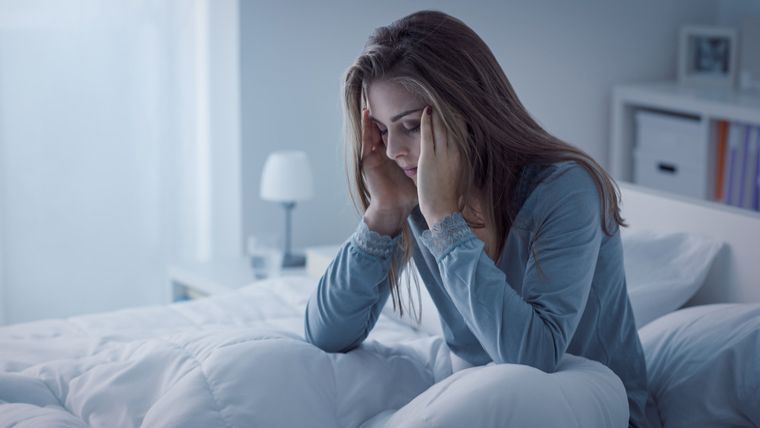
What are Irregular Periods?
Irregular periods (oligomenorrhea or amenorrhea) refer to menstrual cycles that fall outside the normal window of 21 to 35 days, vary significantly in length from month to month, or feature flow that is abnormally light, excessively heavy, or absent for more than three consecutive cycles.
Standard Menstrual Cycle vs. Irregular Pattern

Typical Cycle (21 - 35 Days):
├── Day 1 (Period Starts) ─────────────── Ovulation (~Day 14) ─────────────── Day 28 (Next Period) ──┤

Irregular Cycle Variant (Inconsistent Intervals):
├── Day 1 ────────────────────────────────────────── Ovulation (?) ───────────────────── Day 42+ ──┤
How Common is This Among Indian Women?
Menstrual irregularities are extraordinarily common across India. Clinical surveys and epidemiological studies suggest that nearly 1 in 5 Indian women experience irregular periods or underlying hormonal shifts like Polycystic Ovary Syndrome (PCOS) during their reproductive years.
In urban areas across Andhra Pradesh, changing lifestyle patterns, higher stress levels, altered sleep schedules, and sedentary working environments have led to a noticeable rise in menstrual variations among young professionals and students alike.
Despite how frequent these issues are, cultural hesitation often prevents women from discussing their cycles early. Normalizing these conversations is essential because early awareness leads to simple, highly effective solutions.
Signs and Symptoms You May Notice
Every woman’s body responds uniquely to hormonal shifts. Rather than a single set pattern, you may notice one or more of the following variations in your monthly cycle:
- Inconsistent Cycle Lengths: Your period arrives earlier than 21 days or stretches past 35 days without a predictable pattern.
- Skipped Periods: Missing one, two, or more consecutive cycles without being pregnant.
- Flow Volume Changes: Spotting instead of a steady flow, or experiencing unusually heavy bleeding that requires changing protection every couple of hours.
- Mid-Cycle Spotting: Light bleeding or brownish discharge occurring between your expected period dates.
- Associated Hormonal Signs: Mild pelvic discomfort, sudden adult acne, unwanted facial hair growth, or unexpected weight changes accompanying your cycle shifts.
Causes and Contributing Factors
A regular cycle depends on a delicate communication loop between your brain, pituitary gland, ovaries, and uterus. When this feedback loop is disrupted, period dates shift. Here are the primary contributing factors:
┌─────────────────────────────────────────────────────────────────────────────┐
│                   COMMON ROOT CAUSES OF MENSTRUAL SHIFTS                    │
├──────────────────┬───────────────────────────┬──────────────────────────────┤
│ Underlying Cause │ Primary Mechanism         │ Common Observational Signs   │
├──────────────────┼───────────────────────────┼──────────────────────────────┤
│ PCOS / PCOD      │ Elevated androgens &      │ Irregular cycles, acne,      │
│                  │ insulin resistance        │ weight shifts, hair thinning │
├──────────────────┼───────────────────────────┼──────────────────────────────┤
│ Thyroid Variations│ Over or under-active      │ Fatigue, feeling cold/hot,   │
│                  │ thyroid hormone output    │ lighter or heavier flow      │
├──────────────────┼───────────────────────────┼──────────────────────────────┤
│ High Prolactin   │ Elevated pituitary        │ Skipped periods, unexpected  │
│ (Hyperprolactinemia) hormone production    │ breast sensitivity           │
├──────────────────┼───────────────────────────┼──────────────────────────────┤
│ Stress & Cortisol│ Disrupted hypothalamic-   │ Delayed ovulation, missed    │
│ Elevation        │ pituitary-ovarian axis    │ cycles during tense periods  │
└──────────────────┴───────────────────────────┴──────────────────────────────┘
1. Polycystic Ovary Syndrome (PCOS)
PCOS is one of the most frequent causes of irregular cycles in Indian women. It involves hormonal variations where the ovaries may produce higher levels of androgens (male hormones), preventing eggs from maturing and releasing regularly.
2. Thyroid Imbalances
The thyroid gland controls your metabolic rate. Both an underactive thyroid (hypothyroidism) and an overactive thyroid (hyperthyroidism) can directly alter period frequency and flow volume.
3. Stress and Lifestyle Pressures
High psychological or physical stress elevates cortisol levels. This can temporarily signal your brain to halt ovulation, leading to delayed or missed periods during demanding exams, job shifts, or personal distress.
4. Rapid Weight Changes & Dietary Shifts
Extremely restrictive diets, sudden weight loss, or rapid weight gain can interrupt normal estrogen production. The body requires adequate healthy fats and energy reserves to maintain regular ovulation.
5. Elevated Prolactin Levels
Prolactin is the hormone responsible for milk production after childbirth. When elevated outside of pregnancy or lactation, it can suppress ovulation and cause cycle delays.
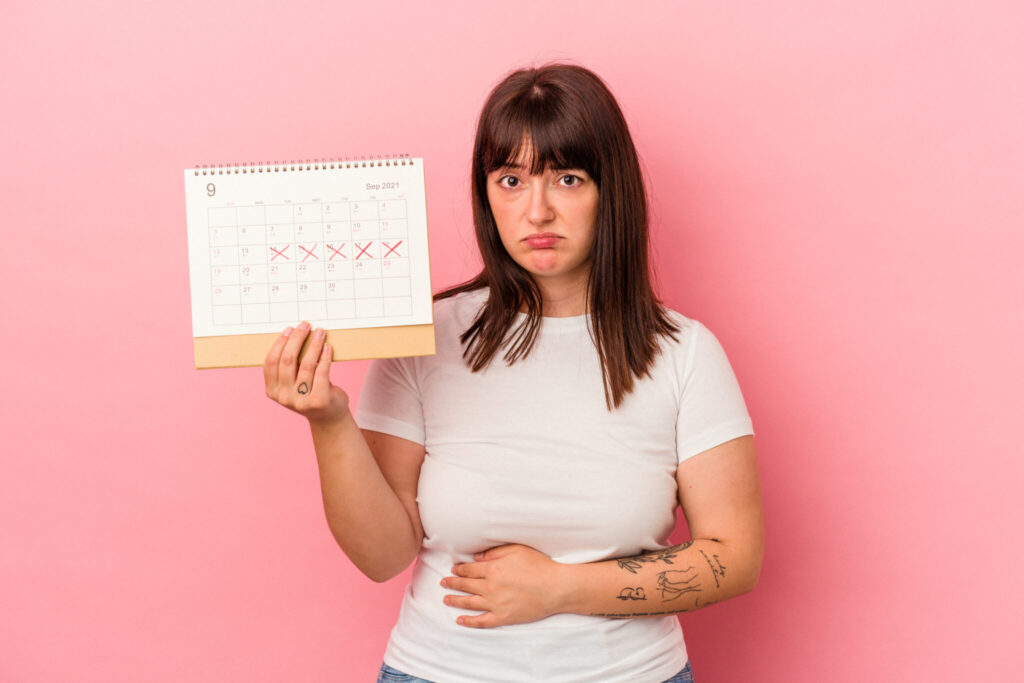
How is Menstrual Irregularity Diagnosed?
A gynaecology consultation is designed to be comfortable, respectful, and reassuring. Diagnosing the reason behind irregular periods usually involves a simple, step-by-step process:
- Detailed Health Discussion: Your doctor will listen to your cycle history, lifestyle routine, stress levels, and family health history.
- Basic Blood Work: Checking thyroid-stimulating hormone (TSH), prolactin, serum glucose, and relevant reproductive hormone levels helps map out your endocrine profile.
- Pelvic Ultrasound: A routine scan helps assess the appearance of your ovaries (checking for characteristic polycystic patterns) and measures your endometrial lining thickness.
                    ┌──────────────────────────────────┐
                    │  MENSTRUAL EVALUATION WORKFLOW   │
                    └─────────────────┬────────────────┘
                                      │
         ┌────────────────────────────┼────────────────────────────┐
         ▼                            ▼                            ▼
┌─────────────────┐          ┌─────────────────┐          ┌─────────────────┐
│ Health History  │          │ Diagnostic Labs │          │  Pelvic Scan    │
│ Cycle tracking, │ ───────► │ TSH, Prolactin, │ ───────► │ Ultrasound for  │
│ symptom review  │          │ Hormonal panel  │          │ ovary & uterus  │
└─────────────────┘          └─────────────────┘          └─────────────────┘
What Are the Treatment Options?
Management plans are never one-size-fits-all; they are tailored entirely to your underlying cause, age, and individual health goals. A medical specialist may explore several gentle approaches:
Lifestyle & Nutritional Guidance
For many women, incorporating balanced Indian meals rich in fiber and whole grains, combined with regular moderate exercise, significantly improves insulin sensitivity and helps regulate cycles naturally.
Targeted Hormonal Support
When hormonal levels need guidance, short-term medication or oral contraceptives may be recommended to stabilize the endometrial lining and establish predictable monthly bleeding.
Managing Underlying Conditions
If thyroid variations or insulin resistance are identified, addressing those specific metabolic factors often brings the menstrual cycle back into harmony without heavy intervention.
When Should You See a Doctor?
While an occasional delayed period is usually nothing to panic about, persistent changes merit a clinical visit. You should consider reaching out to a lady gynecologist if:
- Your cycle is consistently shorter than 21 days or longer than 35 days.
- You have missed three or more periods in a row without pregnancy.
- Your bleeding lasts longer than 7 days or is excessively heavy.
- You experience severe pain that interferes with daily activity.
- You are planning a pregnancy and noticing irregular ovulation patterns.
If you recognize several of these symptoms in yourself, speaking to a qualified gynaecologist is the most important next step. Dr. Devani Chalamuri at Vedanta Speciality Clinics in Madhurawada, Vizag specializes in reproductive health and offers compassionate, evidence-based care for women across Visakhapatnam.
Frequently Asked Questions
Is it normal to have irregular periods in my 20s?
Occasional cycle variations during your 20s can happen due to stress, sudden weight changes, or routine shifts. However, consistently missing cycles or having intervals longer than 35 days suggests an underlying hormonal imbalance such as PCOS and warrants a consultation.
Which doctor should I see for irregular periods in Vizag?
You should consult a qualified lady gynecologist or women’s health specialist who can perform a comprehensive evaluation, including pelvic ultrasounds and hormonal profiles, to identify the root cause.
Can PCOS cause irregular periods and weight gain?
Yes, Polycystic Ovary Syndrome (PCOS) is a primary cause of irregular cycles and metabolic changes in women. Insulin resistance associated with PCOS often makes weight management challenging while disrupting ovulation.
What tests are needed to diagnose the cause of missed periods?
A doctor may order a pelvic ultrasound to examine the ovaries and uterus, alongside blood tests evaluating thyroid markers (TSH), prolactin, serum LH/FSH ratios, and fasting insulin levels.
Can home remedies cure irregular periods permanently?
While balanced nutrition, exercise, and stress management support menstrual regularity, home remedies cannot replace a proper medical diagnosis. Underlying issues like thyroid variations or structural uterine changes require targeted medical oversight.
Where can I get specialized care for PCOS and period irregularities in Madhurawada?
Women in Madhurawada and surrounding Vizag localities can consult Dr. Devani Chalamuri at Vedanta Speciality Clinics for personalized diagnostic evaluations and evidence-based menstrual management.
How long does it take for irregular cycles to regulate with treatment?
The regulation timeline varies depending on the root cause. Lifestyle adjustments and targeted medical management often yield positive adjustments within 3 to 6 months of consistent care.
Do irregular periods always mean I will struggle with pregnancy?
Not necessarily. While irregular cycles can indicate infrequent ovulation, identifying the cause early allows an obstetrician in Vizag or pregnancy doctor Visakhapatnam to restore ovulation patterns effectively, supporting natural conception.

Taking the First Step Toward Menstrual Wellness
Experiencing menstrual changes can feel overwhelming, but understanding your body brings clarity and confidence. Seeking professional care is not something to delay or feel embarrassed about—it is an act of self-care.
If you are experiencing any of these symptoms, Dr. Devani Chalamuri at Vedanta Speciality Clinics, Madhurawada, Vizag is available for a personalized consultation to help you regain comfort and cycle regularity.


Leave a Comment