

Table of Contents
Does Mother’s Thyroid Affect Baby After Birth? Medical Reality & Postpartum Care
Bringing a newborn home brings immense happiness, accompanied by a natural instinct to protect your little one’s health. For mothers who managed hypothyroidism, hyperthyroidism, or elevated TSH levels during pregnancy, a persistent concern often lingers: does mother’s thyroid affect baby after birth?
It is completely normal to wonder whether your hormonal levels, daily medication, or maternal antibodies could continue to influence your baby’s development long after labor is over.
The short answer is reassuring: while a mother’s thyroid health can have subtle, temporary effects on the baby after birth through maternal antibodies or lactation dynamics, routine newborn screening and ongoing postpartum care ensure your baby remains healthy and thriving.
Understanding how thyroid hormones interact with postpartum recovery and newborn health helps you navigate this phase with complete peace of mind.
Partnering with an experienced lady gynecologist ensures both mother and infant receive structured follow-up care, balancing maternal hormone stability with safe infant nutrition.
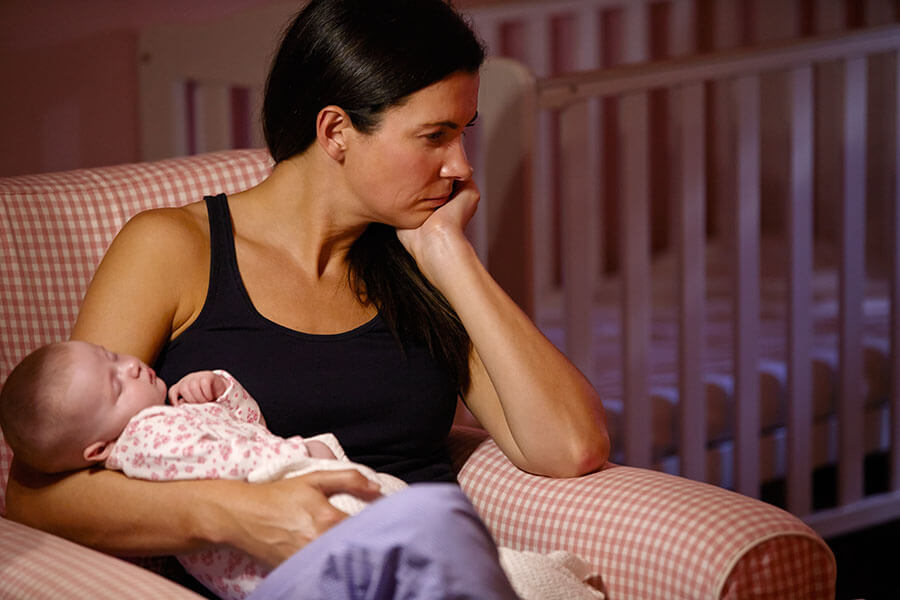
What Is Postpartum Maternal Thyroid Health?
Snippet-Ready Answer:
Postpartum maternal thyroid health refers to the hormonal balance of the mother’s thyroid gland following delivery. During pregnancy and recovery, fluctuations in thyroid-stimulating hormone (TSH) and thyroid antibodies can influence postpartum energy levels, milk production, and temporary neonatal antibody transfer. Medical monitoring ensures both maternal stability and optimal infant growth.
Core Dynamics of Maternal Thyroid Health After Delivery

Maternal Postpartum Health
├── Recovery from pregnancy-induced immune shifts
├── Postpartum thyroiditis screening (3–9 months post-birth)
└── Maintenance of safe milk production & prolactin activity

Newborn Diagnostic Safety
├── Routine heel-prick blood spot TSH test (48–72 hours)
└── Clearing of transient maternal antibodies from infant circulation
How Common Are Thyroid Issues Among Indian Women?
Thyroid dysfunction is among the most prevalent endocrine conditions affecting women across India, particularly during the reproductive and postpartum years.
Data from the Indian Thyroid Society and clinical studies published by the Federation of Obstetric & Gynaecological Societies of India (FOGSI) highlight the scope of maternal thyroid health in the country:
┌─────────────────────────────────────────────────────────────────────────────┐
│                 MATERNAL THYROID PREVALENCE IN INDIA                        │
├──────────────────┬───────────────────────────┬──────────────────────────────┤
│ Condition Type   │ Prevalence (Indian Women) │ Clinical Relevance           │
├──────────────────┼───────────────────────────┼──────────────────────────────┤
│ Hypothyroidism   │ 10% – 13% during          │ High rate of subclinical TSH  │
│ (Underactive)    │ pregnancy and postpartum  │ elevation requiring levothyroxine│
├──────────────────┼───────────────────────────┼──────────────────────────────┤
│ Postpartum       │ 5% – 7% of new mothers    │ Biphasic inflammation (hyper │
│ Thyroiditis      │ within 1 year post-birth  │ phase followed by hypo phase)│
├──────────────────┼───────────────────────────┼──────────────────────────────┤
│ Anti-TPO         │ 12% – 15% antibody        │ Autoimmune marker requiring  │
│ Positivity       │ prevalence in urban centers│ close post-delivery check    │
└──────────────────┴───────────────────────────┴──────────────────────────────┘
Because thyroid issues are so common in Indian women, hospitals and gynaecology clinics across Visakhapatnam routinely integrate thyroid monitoring into both antenatal and postnatal care protocols.

Ways a Mother’s Thyroid May Affect the Baby After Birth
When asking does mother’s thyroid affect baby after birth, it helps to separate direct effects on the newborn’s body from indirect effects on maternal recovery and breastfeeding.
                    ┌─────────────────────────────────────────┐
                    │ POSTPARTUM THYROID INTERACTION PATHWAYS │
                    └────────────────────┬────────────────────┘
                                         │
         ┌───────────────────────────────┼───────────────────────────────┐
         ▼                               ▼                               ▼
┌──────────────────┐            ┌──────────────────┐            ┌──────────────────┐
│ Maternal         │            │ Breastfeeding    │            │ Maternal         │
│ Antibodies       │ ─────────► │ & Milk Supply    │ ─────────► │ Recovery & Energy│
│ Transplacental   │            │ Prolactin        │            │ Postpartum       │
│ transfer clears  │            │ efficiency       │            │ exhaustion vs.   │
│ within weeks     │            │ impacts          │            │ depression       │
└──────────────────┘            └──────────────────┘            └──────────────────┘
1. Transplacental Transfer of Maternal Antibodies
During the third trimester, protective maternal antibodies cross the placenta to boost the baby’s immunity.
If a mother has Graves’ disease (hyperthyroidism) or Hashimoto’s thyroiditis (autoimmune hypothyroidism), thyroid receptor antibodies (TRAb) or TPO antibodies can cross over as well.
In rare cases, these maternal antibodies can cause a temporary, transient shift in the newborn’s thyroid activity.
Fortunately, these antibodies naturally break down and clear from the infant’s bloodstream within 1 to 3 months without causing permanent thyroid disease in the baby.
2. Impact on Breast Milk Supply and Lactation
Thyroid hormones play a permissive role alongside prolactin and oxytocin in establishing a robust breast milk supply.
Uncontrolled maternal hypothyroidism can lead to a sluggish milk let-down or insufficient milk volume.
When maternal TSH levels are regulated with appropriate medication, milk synthesis functions normally, allowing mothers to nurse comfortably.
3. Safety of Thyroid Medications During Nursing
A common concern for nursing mothers is whether synthetic thyroid hormones (like Levothyroxine) pass into breast milk.
Medical evidence confirms that Levothyroxine passes into breast milk in extremely small, negligible quantities that match natural physiological levels.
It is entirely safe for nursing infants and does not cause side effects or alter the baby’s growth.
Signs of Thyroid Imbalance in Mothers and Babies Postpartum
Recognizing subtle signs after delivery helps parents distinguish routine newborn adjustments from issues requiring medical evaluation.
What You May Notice in the Mother:
- Severe, Unyielding Fatigue: Feeling exhausted even when the baby sleeps, often linked to elevated TSH.
- Sudden Mood Variations: Heightened anxiety, irritability, or low mood that resembles postpartum depression.
- Unexpected Weight Shifts: Inability to lose pregnancy weight despite nursing, or rapid weight loss accompanied by racing heartbeats.
- Hair Thinning & Dry Skin: Noticeable hair shedding beyond normal postpartum hair loss, alongside persistent skin dryness.
What Pediatricians Assess in the Newborn:
- Prolonged neonatal jaundice that persists past two weeks.
- Excessive sleepiness and difficulty waking up for regular feeds.
- Poor muscle tone (floppiness) or persistent constipation.
- Unusually hoarse cry or swollen tongue (rare indicators of congenital thyroid deficiency).
Causes and Contributing Factors Behind Postpartum Thyroid Changes
Understanding why thyroid levels shift after delivery makes the recovery process feel much more manageable:
┌─────────────────────────────────────────────────────────────────────────────┐
│                 ROOT CAUSES OF POSTPARTUM THYROID SHIFTS                    │
├──────────────────────────────┬──────────────────────────────────────────────┤
│ Contributing Factor          │ Plain-Language Explanation                   │
├──────────────────────────────┼──────────────────────────────────────────────┤
│ Immune System Rebound        │ During pregnancy, the immune system dampens  │
│                              │ to protect the baby. After delivery, it      │
│                              │ rebounds, sometimes triggering inflammation. │
├──────────────────────────────┼──────────────────────────────────────────────┤
│ Pre-existing Autoimmunity    │ Having positive anti-TPO antibodies increases │
│                              │ the likelihood of postpartum thyroiditis.    │
├──────────────────────────────┼──────────────────────────────────────────────┤
│ Nutritional Depletion        │ Low iron stores (anemia) and iodine deficiency│
│                              │ disrupt healthy thyroid hormone synthesis.   │
├──────────────────────────────┼──────────────────────────────────────────────┤
│ Postpartum Physical Stress   │ Sleep fragmentation and physical labor stress │
│                              │ temporarily strain the pituitary-thyroid axis.│
└──────────────────────────────┴──────────────────────────────────────────────┘
How Is Newborn and Maternal Thyroid Health Diagnosed?
Evaluating thyroid health after birth is a simple, standardized clinical routine designed to protect both mother and child:
- Newborn Blood Spot Screening: Between 48 and 72 hours after birth, a tiny heel-prick blood sample is collected from the newborn to test TSH levels, ensuring early identification of congenital hypothyroidism.
- Maternal TSH Blood Test: A routine follow-up blood check for the mother around 6 to 12 weeks postpartum evaluates whether her medication dosage needs adjusting.
- Antibody Panel (If Indicated): Testing anti-TPO or TRAb levels helps clarify whether postpartum fatigue stems from transient autoimmune inflammation or permanent thyroid dysfunction.
Management and Care Options: What a Gynaecologist May Recommend
Managing thyroid health after delivery is straightforward and safe for nursing mothers:
┌─────────────────────────────────────────────────────────────────────────────┐
│               POSTPARTUM THYROID MANAGEMENT APPROACHES                      │
├──────────────────┬───────────────────────────┬──────────────────────────────┤
│ Phase / Situation│ Clinical Approach          │ Primary Care Goal            │
├──────────────────┼───────────────────────────┼──────────────────────────────┤
│ Postpartum       │ Continued Levothyroxine    │ Maintain TSH within optimal  │
│ Hypothyroidism   │ adjustment under guidance │ range for energy & milk flow │
├──────────────────┼───────────────────────────┼──────────────────────────────┤
│ Hyperthyroid Phase│ Careful monitoring or low-│ Control palpitations while   │
│ (Thyroiditis)    │ dose beta-blockers        │ preserving nursing safety    │
├──────────────────┼───────────────────────────┼──────────────────────────────┤
│ Nutritional      │ Balanced iodine, iron,    │ Support natural gland function│
│ Support          │ and selenium supplementation│ and combat postpartum fatigue│
└──────────────────┴───────────────────────────┴──────────────────────────────┘
When Should You See a Doctor?
While mild fatigue is a normal part of life with a newborn, persistent symptoms deserve expert medical attention. You should consult a pregnancy doctor Visakhapatnam if you notice any of these red flags:
- You experience racing heartbeats, sudden chest tightness, or hand tremors.
- Your breast milk supply drops suddenly despite adequate hydration and frequent nursing.
- You feel overwhelming exhaustion, brain fog, or persistent sadness that prevents daily functioning.
- Your baby exhibits prolonged jaundice, extreme lethargy, or poor feeding patterns.
If you recognize several of these symptoms in yourself, speaking to a qualified gynaecologist is the most important next step. Dr. Devani Chalamuri at Vedanta Speciality Clinics in Madhurawada, Vizag specialises in high-risk obstetrics and postpartum endocrine health, offering compassionate, evidence-based care for women across Visakhapatnam.

Frequently Asked Questions
Does a mother’s thyroid affect the baby after birth?
Yes, a mother’s thyroid health can influence the baby after birth primarily through the persistence of maternal thyroid antibodies in newborn circulation, potential temporary impacts on lactation, or inherited autoimmune tendencies. However, proper monitoring and standard newborn TSH screening ensure babies remain healthy.
Is thyroid medication like Levothyroxine safe during breastfeeding?
Yes, standard thyroid hormone replacement medication like Levothyroxine is considered entirely safe during breastfeeding. Only microscopic amounts pass into breast milk, matching natural physiological levels without harming the infant.
When should a newborn baby be tested for thyroid issues after birth?
Guidelines from FOGSI and Indian pediatric standards recommend performing a routine newborn blood spot TSH test between 48 and 72 hours after birth to screen for congenital hypothyroidism early.
Can hypothyroidism in the mother cause low breast milk supply?
Uncontrolled maternal hypothyroidism can sometimes interfere with prolactin signaling and breast tissue development, leading to reduced milk production. Normalizing maternal TSH levels with medication typically restores healthy lactation.
Which doctor should I see for postpartum thyroid checks in Madhurawada?
You can consult Dr. Devani Chalamuri at Vedanta Speciality Clinics in Madhurawada, Vizag for comprehensive postpartum hormonal evaluations and safe thyroid management during nursing.
What are the signs of postpartum thyroiditis in new mothers?
Signs of postpartum thyroiditis include unexpected heart palpitations, sudden weight loss or gain, profound fatigue, extreme mood swings, heat or cold intolerance, and brain fog within the first year after delivery.
Will my baby automatically inherit my thyroid condition?
No, thyroid conditions are not directly passed to the newborn in most cases. While genetic predisposition to autoimmune conditions exists long-term, congenital thyroid issues are rare and routinely screened at birth.
How does Vedanta Speciality Clinics support mothers with high TSH during pregnancy and recovery?
Vedanta Speciality Clinics offers tailored blood sugar and TSH tracking, precise dosage adjustments, and post-delivery follow-up schedules to ensure maternal well-being and safe newborn development.
Prioritizing Your Postpartum Health with Confidence
Navigating early motherhood requires gentle self-care, accurate medical knowledge, and supportive clinical guidance. Understanding how maternal thyroid health interacts with newborn wellness empowers you to seek timely check-ups without unnecessary anxiety.
If you are experiencing any of these symptoms or need guidance on postpartum thyroid care, Dr. Devani Chalamuri at Vedanta Speciality Clinics, Madhurawada, Vizag is available for a consultation — Book an Appointment.


Leave a Comment