
Table of Contents
How to Stop Hair Falling Out During Pregnancy: Relief, Causes, & Safe Care
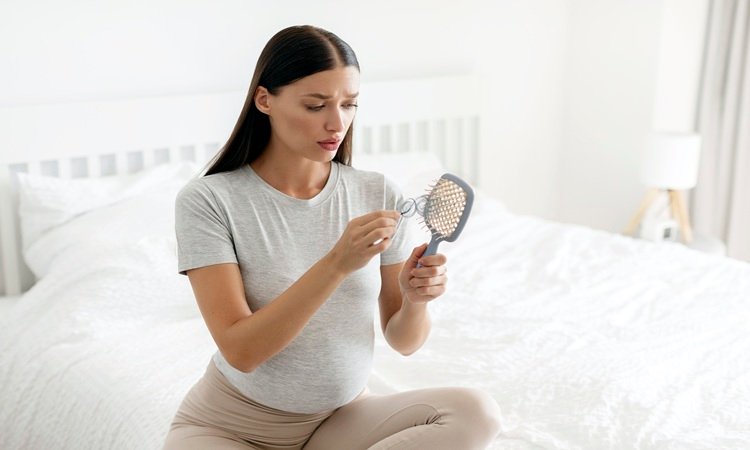
Finding clumps of hair on your comb or clogging the shower drain when you are expecting can feel genuinely distressing. You have likely heard stories about the legendary “pregnancy glow” and how hair becomes thick, shiny, and lush during these nine months.
So when your reality looks completely different, it is entirely natural to feel anxious, confused, or even a little heartbroken.
If you are currently searching for ways to stop hair falling out during pregnancy, please pause and take a deep breath. You are not doing anything wrong, and your body is not failing you.
While hair loss during pregnancy feels unexpected, it is a well-understood clinical occurrence with clear, manageable causes.
By understanding the physiological shifts happening inside your body—from hormonal adjustments to nutritional demands—you can take simple, supportive steps to protect your scalp health and regain your peace of mind.

You Are Not Alone: Hair Loss During Pregnancy Is More Common Than You Think
We often hear that pregnancy hormones keep hair locked in a continuous growth phase. While elevated estrogen does cause hair to stay lush for many women, a significant number of expectant mothers experience the exact opposite: noticeable shedding and hair thinning.
In India, where traditional beauty standards often emphasize long, dense hair, experiencing hair fall can carry an emotional burden. Mothers often wonder if stress or improper diet is hurting their baby.
┌─────────────────────────────────────────────────────────────────────────────┐
│                 PREGNANCY HAIR HEALTH IN INDIAN WOMEN                       │
├──────────────────┬───────────────────────────┬──────────────────────────────┤
│ Clinical Factor  │ Observed Frequency        │ Primary Indian Context       │
├──────────────────┼───────────────────────────┼──────────────────────────────┤
│ First-Trimester  │ 40% – 50% of pregnant     │ Sudden surge in progesterone │
│ Hair Shedding    │ women notice changes      │ alters natural hair cycle    │
├──────────────────┼───────────────────────────┼──────────────────────────────┤
│ Maternal Anaemia │ >50% of pregnant women    │ Low hemoglobin starves hair  │
│ Connection       │ in India (NFHS-5 data)    │ follicles of vital oxygen    │
├──────────────────┼───────────────────────────┼──────────────────────────────┤
│ Post-Treatment   │ >90% recovery rate        │ Hair normalizes once metabolic│
│ Hair Recovery    │ within 6-12 months        │ and blood levels are restored│
└──────────────────┴───────────────────────────┴──────────────────────────────┘
The National Family Health Survey (NFHS-5) reports that over half of all pregnant women in India suffer from varying degrees of iron deficiency anemia. Because hair follicles depend heavily on iron and oxygen to sustain growth, low blood levels directly contribute to unexpected shedding.
Recognizing that your hair fall is tied to physiological needs—rather than an permanent flaw—is the first step toward finding relief.
What Could Be Causing Your Hair Fall?
Hair falling out during pregnancy, clinically termed telogen effluvium, occurs when physical shock, hormonal fluctuations, or nutritional gaps force active hair follicles into a resting phase prematurely. Instead of continuing to grow, hairs shed in larger amounts 1 to 3 months after the triggering factor.
How Telogen Effluvium Develops During Pregnancy

Physical Shift / Hormonal Change / Low Iron
                      │
                      ▼
Hair Follicle Transitions from Anagen (Growth) to Telogen (Resting)
                      │
                      ▼
Shedding Phase Begins 1–3 Months Later (Clumps in Comb/Shower)
                      │
                      ▼
Restoration Begins with Medical Guidance & Balanced Nutrition
5 Common Root Causes Behind Pregnancy Hair Loss
To understand how to protect your hair, it helps to examine the specific factors that influence scalp health during pregnancy.
                    ┌─────────────────────────────────────────┐
                    │      ROOT CAUSES OF PREGNANCY HAIR FALL  │
                    └────────────────────┬────────────────────┘
                                         │
         ┌───────────────────────────────┼───────────────────────────────┐
         ▼                               ▼                               ▼
┌──────────────────┐            ┌──────────────────┐            ┌──────────────────┐
│ Hormonal Shifts  │            │ Iron Deficiency  │            │ Morning Sickness │
│ Progesterone     │ ─────────► │ Anemia (Low      │ ─────────► │ Fluid & Nutrient │
│ fluctuations     │            │ Hemoglobin)      │            │ Depletion        │
└──────────────────┘            └──────────────────┘            └──────────────────┘
         │                               │                               │
         └───────────────────────────────┼───────────────────────────────┘
                                         │
                         ┌───────────────┴───────────────┐
                         ▼                               ▼
               ┌──────────────────┐            ┌──────────────────┐
               │ Thyroid Muscle   │            │ Gestational      │
               │ Fluctuations     │            │ Stress           │
               │ T3/T4 Imbalance  │            │ Cortisol Spikes  │
               └──────────────────┘            └──────────────────┘
1. Early Hormonal Shifts and Spikes
During the first trimester, your body experiences a massive surge in progesterone and human chorionic gonadotropin (hCG). While these hormones are essential for maintaining your pregnancy, they can shock your hair cycle, pushing a higher percentage of active strands into the resting (telogen) phase.
2. Iron Deficiency Anemia
Your body produces nearly 45% more blood volume during pregnancy to supply nutrients to the placenta. If your iron reserves are low, your body prioritizes sending oxygenated blood to your growing baby and vital organs, leaving hair roots under-nourished.
3. Severe Morning Sickness (Hyperemesis Gravidarum)
Persistent nausea and vomiting in early pregnancy make it difficult to keep down nutrient-dense meals. When your body experiences temporary deficits in protein, zinc, and essential vitamins, hair follicles suffer high shock, leading to shedding weeks later.
4. Underlying Thyroid Imbalances
Pregnancy puts additional demands on your endocrine system. Both an underactive thyroid (hypothyroidism) and an overactive thyroid (hyperthyroidism) can disrupt normal metabolic functions, manifesting as dry, brittle hair that sheds easily.
5. Physical Stress and Anxiety
Adapting to pregnancy brings significant physical transformation and emotional adjustment. Elevated stress hormones, such as cortisol, alter capillary blood flow in the scalp and disrupt sleep patterns, compounding physical hair fall.
What You Can Do Right Now: 5 Safe Self-Care Steps
Taking proactive, safe care of your body and hair creates the optimal environment for healthy follicle retention.
┌─────────────────────────────────────────────────────────────────────────────┐
│                 ACTIONABLE SELF-CARE FOR HAIR PROTECTION                    │
├──────────────────┬───────────────────────────┬──────────────────────────────┤
│ Strategy         │ Daily/Weekly Practice     │ Primary Clinical Benefit     │
├──────────────────┼───────────────────────────┼──────────────────────────────┤
│ Nutrient-Dense   │ Eat lentils, eggs, paneer,│ Delivers amino acids & iron  │
│ Diet             │ spinach, and dry fruits   │ directly to hair roots       │
├──────────────────┼───────────────────────────┼──────────────────────────────┤
│ Gentle Scalp     │ Wash 2x weekly with mild, │ Prevents follicle traction   │
│ Care             │ sulfate-free shampoo      │ and minimizes hair breakage  │
├──────────────────┼───────────────────────────┼──────────────────────────────┤
│ Warm Oil Massage │ Apply warm coconut/almond │ Boosts scalp circulation and │
│                  │ oil gently once a week    │ calms central nervous system │
├──────────────────┼───────────────────────────┼──────────────────────────────┤
│ Protective       │ Wear loose braids; avoid  │ Protects weakened hair shafts│
│ Styling          │ tight buns & heat tools   │ from mechanical snapping     │
└──────────────────┴───────────────────────────┴──────────────────────────────┘
Step-by-Step Daily Routine to Reduce Hair Loss
Implementing a gentle hair-care procedure helps minimize strand breakage and preserves follicle strength:
- Nourish from Within:Take your prescribed prenatal vitamins consistently after a balanced meal. Ensure your daily diet includes natural iron sources like pomegranates, beetroot, dark leafy greens, and jaggery alongside protein sources like dal and paneer.
- Detangle with Care:Never comb your hair while it is soaking wet, as wet hair strands stretch and snap easily. Use a wide-toothed wooden comb starting from the ends and working your way up to the roots gently.
- Wash Gently with Lukewarm Water:Cleanse your scalp twice a week using a mild, chemical-free shampoo. Avoid hot water, which strips natural oils from your scalp, and massage your roots softly with your fingertips rather than scrubbing with fingernails.
- Adopt Protective Styles:Avoid tight ponytails, high buns, or intricate braids that pull hard on your forehead and temples. Opt for soft, loose lower braids or leave your hair open using broad fabric hairbands.
- Rest and Hydrate:Drink 2.5 to 3 liters of water daily to maintain scalp hydration. Prioritize 7 to 8 hours of restful sleep every night to lower stress hormones and allow cellular repair.
What a Specialist Will Typically Investigate
If your hair fall feels persistent, seeing a qualified healthcare professional removes the guesswork. A consultation is simple, structured, and entirely non-invasive:
┌─────────────────────────────────────────────────────────────────────────────┐
│                 CLINICAL EVALUATION FOR PREGNANCY HAIR LOSS                 │
├──────────────────────────────┬──────────────────────────────────────────────┤
│ Diagnostic Investigation     │ Clinical Focus & Safety Goal                 │
├──────────────────────────────┼──────────────────────────────────────────────┤
│ Complete Blood Count (CBC)   │ Checks hemoglobin, red blood cell indices,   │
│ & Serum Ferritin             │ and iron stores to evaluate anemia           │
├──────────────────────────────┼──────────────────────────────────────────────┤
│ Thyroid Function Test (TFT)  │ Measures TSH, Free T3, and Free T4 levels to │
│                              │ rule out gestational thyroid dysfunction     │
├──────────────────────────────┼──────────────────────────────────────────────┤
│ Nutritional Profile Check    │ Assesses Vitamin D, Vitamin B12, and zinc    │
│                              │ levels vital for tissue regeneration         │
├──────────────────────────────┼──────────────────────────────────────────────┤
│ Physical Scalp Assessment    │ Examines hair density and scalp health to    │
│                              │ rule out localized dermatological conditions │
└──────────────────────────────┴──────────────────────────────────────────────┘

When Is It Time to See a Gynaecologist in Vizag?
While mild hair shedding during pregnancy is common, sudden, severe, or patchy hair loss warrants expert clinical attention. You should consult a medical professional if you notice:
- Hair falling out in large clumps when gently touching your scalp.
- Visible bald patches or significant thinning along your hair parting line.
- Accompanying symptoms like extreme fatigue, pale skin, cold sensitivity, or rapid weight changes.
- Persistent scalp itching, redness, flaking, or pain.
- No improvement despite maintaining a balanced diet and taking routine prenatal supplements.
If you recognize these changes in yourself, speaking to an empathetic expert is the most supportive choice you can make. Dr. Devani Chalamuri at Vedanta Speciality Clinics in Madhurawada, Vizag specialises in comprehensive maternal health and prenatal care, offering evidence-based diagnostic evaluation and compassionate guidance for women across Visakhapatnam.
What NOT to Do: 3 Common Mistakes to Avoid
When worried about hair fall, it is easy to try quick fixes. Avoid these three common pitfalls:
┌─────────────────────────────────────────────────────────────────────────────┐
│                 COMMON MISTAKES TO AVOID DURING PREGNANCY                   │
├──────────────────┬───────────────────────────┬──────────────────────────────┤
│ Avoid This       │ Why It Is Harmful         │ Better Approach              │
├──────────────────┼───────────────────────────┼──────────────────────────────┤
│ Self-Medicating  │ Over-the-counter hair     │ Always consult your doctor   │
│ Hair Supplements │ pills can exceed safe     │ before adding high-dose      │
│                  │ vitamin doses for baby    │ biotin or herbal capsules    │
├──────────────────┼───────────────────────────┼──────────────────────────────┤
│ Chemical & Heat  │ Perming, straightening,   │ Postpone chemical treatments │
│ Hair Treatments  │ and dyes absorb or burn   │ until after delivery and     │
│                  │ fragile, pregnant hair    │ nursing are complete         │
├──────────────────┼───────────────────────────┼──────────────────────────────┤
│ Relying Solely   │ Unverified home remedies  │ Schedule a proper clinical   │
│ on Internet Hacks│ delay diagnosing anemia   │ evaluation to find the real  │
│                  │ or thyroid imbalances     │ underlying cause             │
└──────────────────┴───────────────────────────┴──────────────────────────────┘
Frequently Asked Questions
Is it normal for hair to fall out during pregnancy?
While pregnancy hormones often make hair thicker, excessive hair loss can happen due to early hormonal shifts, iron deficiency anemia, thyroid changes, or stress. It is a recognized condition that can be managed with proper medical guidance.
How can I stop hair falling out during pregnancy naturally?
Focus on an iron- and protein-rich diet, take your prescribed prenatal vitamins, use mild sulfate-free shampoos, avoid tight hairstyles, and gently massage your scalp with warm oil once a week.
Can iron deficiency cause hair loss during pregnancy in Indian women?
Yes, iron deficiency anemia is very common among pregnant women in India. When hemoglobin drops, your hair follicles receive less oxygen, pushing them into a resting and shedding phase.
Are hair oils and herbal treatments safe during pregnancy?
Pure natural oils like coconut, almond, or sesame oil are safe for gentle scalp massaging. However, avoid strong chemical treatments, synthetic hair dyes, or unverified herbal concentrates without checking with your obstetrician.
Which doctor should I see for pregnancy hair fall in Vizag?
You can consult Dr. Devani Chalamuri, a highly experienced women’s health specialist and obstetrician in Vizag, at Vedanta Speciality Clinics in Madhurawada, Visakhapatnam, for comprehensive blood evaluations and expert antenatal care.
Does hair fall during pregnancy mean I am carrying a boy or a girl?
No, hair loss during pregnancy is entirely related to your hormonal, nutritional, and metabolic health. It has no medical correlation with the baby’s gender.
Will my hair grow back after pregnancy?
Yes, once underlying nutritional gaps or hormonal fluctuations normalize after delivery and nursing, hair growth cycles typically return to their regular pattern over several months.
What is the cost of a gynecology consultation in Visakhapatnam?
Consultation fees across Visakhapatnam are very accessible. You can reach out to Vedanta Speciality Clinics in Madhurawada directly to inquire about appointment schedules and fee structures.
Reclaiming Your Comfort and Confidence
Your hair is a reflection of your overall wellbeing, and experiencing hair loss during pregnancy is simply your body’s way of asking for extra care, nourishment, and attention. With proper medical evaluation and gentle daily care, your scalp health can recover smoothly.
You deserve clear answers, not continuous anxiety. Dr. Devani Chalamuri at Vedanta Speciality Clinics, Vizag, is here to support you with gentle, personalized care. Book a confidential consultation today: WhatsApp +91 81257 65888 or visit Vedanta Speciality Clinics.


Leave a Comment