
Table of Contents
How to Plan Pregnancy: A Complete Preconception & Maternal Guide
Deciding to welcome a child into your life is one of the most transformative, joyful, and emotionally profound decisions you will ever make. Learning how to plan pregnancy thoughtfully gives your baby the best possible start in life while ensuring your body is healthy, nourished, and fully prepared for the journey ahead.
In Indian households, the transition toward motherhood is often surrounded by warm family traditions, well-meaning advice, and shared excitement.
However, amidst the excitement, it is completely natural to feel overwhelmed by questions about physical readiness, fertility windows, dietary changes, and medical screenings.
Preconception care shifts the focus from simply waiting for a positive pregnancy test to actively building a strong health foundation three to six months before trying to conceive.
Partnering with an experienced lady gynecologist allows you to navigate this preparation phase with confidence, peace of mind, and clear medical guidance.

What is Preconception Planning?
Preconception planning is a proactive approach to maternal health where a woman or couple takes specific medical, nutritional, and lifestyle steps 3 to 6 months before trying to conceive. Guided by FOGSI and WHO standards, it optimizes maternal wellness, manages underlying conditions, addresses micronutrient gaps, and establishes an ideal environment for healthy conception and fetal development.
                  ┌─────────────────────────────────────────┐
                  │      PRECONCEPTION HEALTH FRAMEWORK     │
                  └────────────────────┬────────────────────┘
                                       │
         ┌─────────────────────────────┼─────────────────────────────┐
         ▼                             ▼                             ▼
┌─────────────────┐           ┌─────────────────┐           ┌─────────────────┐
│ Medical Checks  │           │ Micronutrients  │           │ Lifestyle Shifts│
│ Blood tests, TSH│ ────────► │ Folic acid, Iron│ ────────► │ Balanced diet,  │
│ & sugar evaluation│          │ & Vitamin D     │           │ stress management│
└─────────────────┘           └─────────────────┘           └─────────────────┘
How Common is Planned Conception in India?
Historically, many pregnancies across India occurred without formal preconception preparation. However, national health trends show a positive shift as more women prioritize their physical and emotional readiness before trying to conceive.
Data from the National Family Health Survey (NFHS-5) and clinical studies by the Federation of Obstetric & Gynaecological Societies of India (FOGSI) reveal that over 53% of women of reproductive age in India experience iron-deficiency anemia.
Additionally, metabolic conditions like Polycystic Ovary Syndrome (PCOS) affect up to 20% of Indian women, while subclinical thyroid imbalances are found in nearly 10-12% of women trying to conceive.
Addressing these common health factors through pre-conception care significantly improves fertility, lowers early pregnancy risks, and supports long-term maternal and fetal well-being.
Signs Your Body is Ready to Start Conception Planning
Preparing your body for pregnancy involves subtle physical and hormonal cues. As you prepare to try to conceive, you may notice or track several positive indicators of reproductive wellness:
- Predictable Menstrual Cycles: Regular periods occurring every 21 to 35 days generally suggest healthy, predictable ovulation.
- Changes in Cervical Mucus: Near your most fertile days, you may notice clear, slippery, egg-white-like cervical discharge that helps transport sperm naturally.
- Balanced Energy Levels: Consistent daily vitality without severe fatigue often reflects stable thyroid function, balanced blood sugar, and adequate hemoglobin levels.
- Stable Emotional Well-being: Feeling mentally prepared, supported by your partner, and calm about the transition into parenthood helps lower stress hormones that can influence fertility.
6 Key Factors That Influence Preconception Health
Understanding what affects your fertility helps you make informed choices during the planning phase:
1. Nutritional Status and Micronutrient Reserves
Your body requires optimal stores of vital nutrients long before conception occurs. Essential vitamins like folic acid, iron, calcium, and Vitamin D support early cell division, placental development, and neural tube formation in the first few weeks after conception.
2. Hormonal Balance and Metabolic Health
Conditions such as PCOS, insulin resistance, or thyroid dysfunction can disrupt regular ovulation. Regulating blood sugar levels and balancing reproductive hormones through tailored lifestyle or medical care helps restore predictable fertile windows.
3. Body Mass Index (BMI) and Weight Distribution
Both underweight (BMI below 18.5) and overweight (BMI above 25) conditions can alter reproductive hormone signals. Achieving a healthy weight through balanced nutrition and movement helps support natural conception.
4. Daily Stress Levels and Sleep Quality
Chronic mental or physical stress raises cortisol levels, which can temporarily disrupt the brain’s signals to the ovaries. Prioritizing restful sleep and relaxing daily routines supports hormonal harmony.
5. Environmental Factors and Daily Habits
Exposure to heavy pollution, tobacco smoke, alcohol, or endocrine-disrupting chemicals found in plastics can impact egg quality and overall reproductive health for both partners.
6. Paternal Health and Sperm Quality
Conception is a shared journey. Male fertility factors—including sperm count, motility, and DNA integrity—are influenced by dietary habits, heat exposure, stress, smoking, and overall metabolic health.

Essential Steps in How to Plan Pregnancy
Following a structured roadmap makes your preconception journey smooth, organized, and reassuring:
┌─────────────────────────────────────────────────────────────────────────────┐
│                  PRECONCEPTION PLANNING ROADMAP (3-6 MONTHS)                │
├──────────────────┬───────────────────────────┬──────────────────────────────┤
│ Timeline         │ Key Action Items          │ Focus & Goals                │
├──────────────────┼───────────────────────────┼──────────────────────────────┤
│ 6 Months Before  │ Preconception checkup     │ Baseline blood tests, thyroid│
│                  │ & lifestyle evaluation    │ screening, dental checkup    │
├──────────────────┼───────────────────────────┼──────────────────────────────┤
│ 3 Months Before  │ Start Folic Acid (400mcg) │ Prevent neural tube defects, │
│                  │ Track ovulation patterns │ map natural fertile window   │
├──────────────────┼───────────────────────────┼──────────────────────────────┤
│ 1 Month Before   │ Final medication review   │ Transition to pregnancy-safe │
│                  │ Optimize couple's diet    │ foods, avoid alcohol/smoking │
├──────────────────┼───────────────────────────┼──────────────────────────────┤
│ Active Trying    │ Regular intercourse during│ Maintain calm mindset, take  │
│ Phase            │ fertile window (5–6 days) │ gentle daily prenatal vitamins│
└──────────────────┴───────────────────────────┴──────────────────────────────┘
- Schedule a Preconception Health Visit: Meet with a women’s health specialist 3 to 6 months before trying to conceive to review your personal and family medical history.
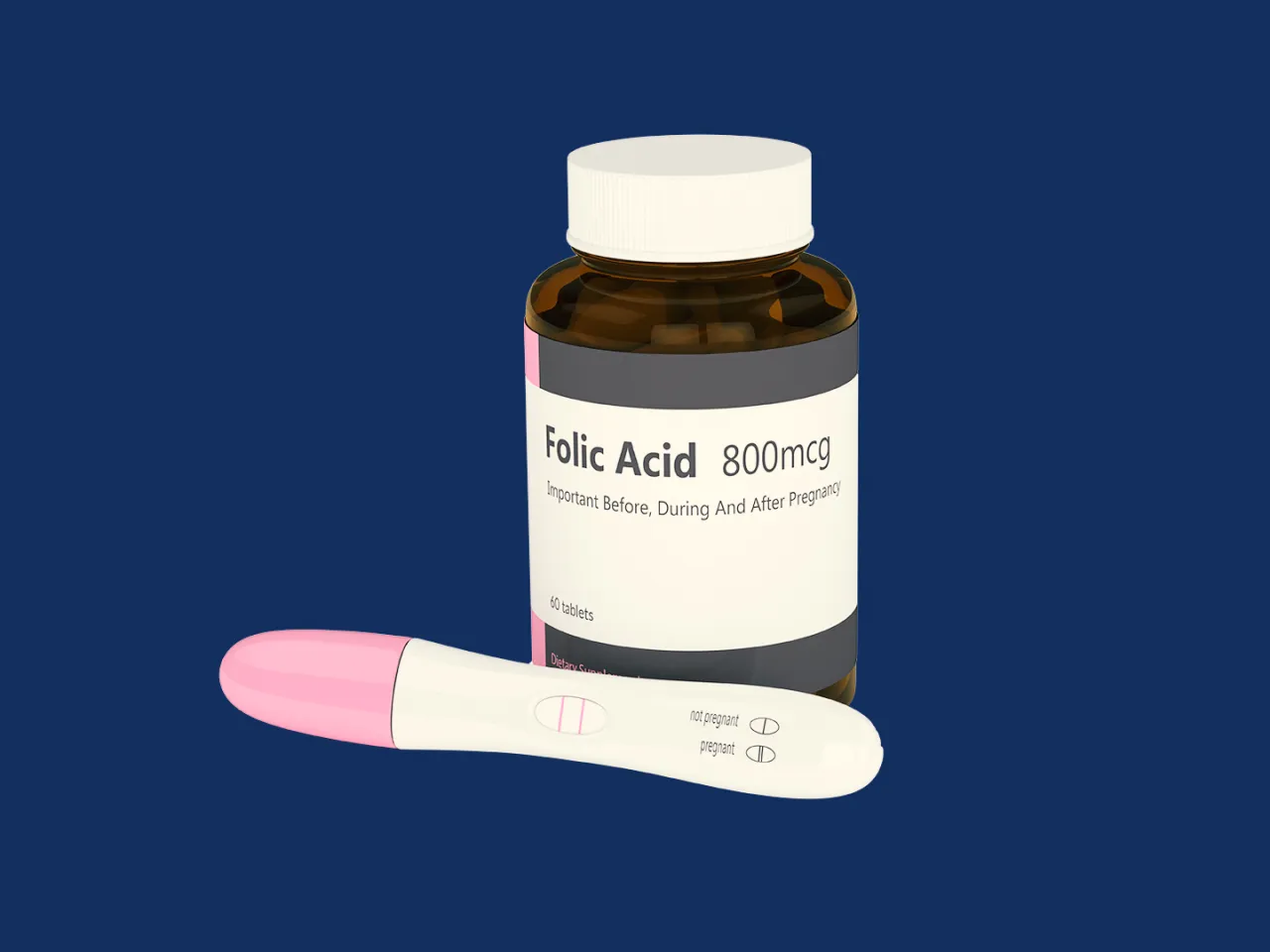
- Begin Daily Folic Acid Supplementation: Take 400 mcg of folic acid daily for at least 90 days prior to conception to lower the risk of neural tube defects like spina bifida.
- Track Your Fertile Window: Learn your cycle length and identify your fertile window—typically the 5 days leading up to ovulation and ovulation day itself.
- Transition to Wholesome, Local Foods: Eat fresh, home-cooked Indian meals rich in green leafy vegetables, lentils, dairy, nuts, seeds, and lean proteins, while minimizing processed foods and excessive caffeine.
- Review Current Medications: Discuss any prescription, over-the-counter, or herbal remedies with your doctor to ensure they are safe during early pregnancy.
- Encourage Partner Involvement: Ensure your partner eats nutrient-rich foods, maintains a healthy weight, and limits heat exposure (such as hot baths) to support healthy sperm development.
What Happens During a Preconception Diagnostic Consultation?
When you visit a gynaecologist to discuss how to plan pregnancy, the assessment is designed to be welcoming, thorough, and reassuring.
┌─────────────────────────────────────────────────────────────────────────────┐
│                  COMMON PRECONCEPTION CLINICAL SCREENINGS                   │
├───────────────────────────┬─────────────────────────────────────────────────┤
│ Screening Test            │ Purpose & Medical Importance                    │
├───────────────────────────┼─────────────────────────────────────────────────┤
│ Complete Blood Count (CBC)│ Detects underlying anemia & baseline infection  │
├───────────────────────────┼─────────────────────────────────────────────────┤
│ Fasting Blood Sugar / HbA1c│ Identifies prediabetes or unmanaged sugar levels│
├───────────────────────────┼─────────────────────────────────────────────────┤
│ Thyroid Profile (TSH)     │ Ensures optimal thyroid function for ovulation  │
├───────────────────────────┼─────────────────────────────────────────────────┤
│ Rubella IgG Antibody      │ Confirms immunity against German Measles        │
├───────────────────────────┼─────────────────────────────────────────────────┤
│ Blood Group & Rh Factor   │ Identifies Rh incompatibility risks for fetus    │
├───────────────────────────┼─────────────────────────────────────────────────┤
│ Pelvic Ultrasound (Optional)│ Evaluates uterine lining, ovaries & follicles │
└───────────────────────────┴─────────────────────────────────────────────────┘
Your doctor will review your menstrual cycle history, past medical conditions, and lifestyle factors. Simple baseline blood tests ensure your body has adequate nutrient reserves and that metabolic conditions are well managed before you conceive.
Evidence-Based Preconception Management Options
If your preconception checkup reveals underlying health factors, your doctor can provide personalized guidance to optimize your readiness:
- Nutritional Guidance: Customizing iron, Vitamin D, or Vitamin B12 intake based on your lab results to correct deficiencies naturally.
- Hormonal and Metabolic Management: Gentle medical adjustments for thyroid disorders or elevated blood sugar to support regular, predictable ovulation cycles.
- Cycle & Ovulation Support: For women with irregular periods due to PCOS, your doctor may recommend lifestyle shifts, natural supplements (like myo-inositol), or gentle ovulation induction medications.
- Immunization Updates: Administering protective vaccines—such as the Rubella (MMR) vaccine—at least one month before conception if your antibody testing shows low immunity.
When Should You See a Doctor?
While planning a pregnancy is an exciting journey, knowing when to seek medical advice helps prevent unnecessary stress. You should consider scheduling a formal consultation if:
- You have been trying to conceive for 12 months without success (or 6 months if you are over 35).
- You experience irregular, infrequent, or absent menstrual cycles.
- You have a history of severe period pain, pelvic inflammatory disease, or known conditions like endometriosis or fibroids.
- You or your partner have pre-existing chronic conditions such as high blood pressure, diabetes, thyroid disorders, or epilepsy.
- You have experienced two or more consecutive early pregnancy losses.
If you recognize any of these factors, speaking to a qualified specialist is a helpful next step. Dr. Devani Chalamuri at Vedanta Speciality Clinics in Madhurawada, Vizag specializes in preconception health, fertility optimization, and comprehensive antenatal care, offering compassionate, evidence-based guidance for women across Visakhapatnam.
Frequently Asked Questions
When should I see a gynecologist in Vizag to plan a pregnancy?
It is ideal to schedule a preconception consultation 3 to 6 months before you start actively trying to conceive. This provides sufficient time to correct nutritional deficiencies, review medications, and start daily folic acid supplementation.
Why is folic acid essential before conceiving?
Folic acid is crucial during the early weeks of pregnancy when the baby’s brain and spinal cord form. Taking 400 mcg daily before conception significantly reduces the risk of neural tube defects like spina bifida.
How long does it usually take to get pregnant naturally?
Most healthy couples conceive within 6 to 12 months of regular, unprotected intercourse during the fertile window. If you are under 35 and have been trying for a year—or over 35 and trying for 6 months—a professional fertility evaluation is recommended.
Can I plan a pregnancy if I have PCOS or thyroid issues?
Yes, absolutely. Managing conditions like PCOS or hypothyroidism through tailored medication, diet, and lifestyle changes allows most women to ovulate predictably and achieve a safe, healthy pregnancy.
What tests are included in a preconception checkup in Visakhapatnam?
A standard checkup includes complete blood count (CBC), blood typing, thyroid profile (TSH), fasting blood sugar, Rubella immunity status, and screening for infections like Hepatitis B and HIV.
Can I get preconception care in Madhurawada?
Yes, comprehensive preconception counseling, health screening, and personalized maternal guidance are available locally at Vedanta Speciality Clinics in Madhurawada, Vizag.
Which doctor should I consult for pregnancy planning in Vizag?
Consulting an experienced obstetrician in Vizag like Dr. Devani Chalamuri at Vedanta Speciality Clinics ensures expert care, personalized guidance, and thorough preconception evaluation.
What is the cost of a gynecologist consultation in Visakhapatnam?
Consultation fees in Visakhapatnam generally range between ₹400 and ₹800 depending on the clinic and specialist’s expertise. Contact Vedanta Speciality Clinics in Madhurawada directly for exact scheduling and pricing details.

Step Confidently Into Your Motherhood Journey
Learning how to plan pregnancy with clear medical knowledge transforms potential worry into confident preparation. By prioritizing your health today, you create a nurturing environment for your future child.
If you are ready to begin your preconception journey in Vizag, Dr. Devani Chalamuri at Vedanta Speciality Clinics, Madhurawada is available to support you every step of the way—reach out via WhatsApp at +91 81257 65888 or visit Vedanta Speciality Clinics to schedule your consultation.


Leave a Comment