
Table of Contents
How to Lower Diabetes During Pregnancy: Practical Care, Milestones, and Medical Guidance
Discovering that you are expecting a child is a deeply magical, life-changing experience filled with celebration, anticipation, and love. As you embrace this beautiful milestone, your heart naturally focuses on creating the safest, healthiest environment possible for your growing little one. It is a journey of transformation—one that invites you to listen closely to your body and prioritize your well-being.
However, if a routine blood test reveals elevated blood sugar levels, it is completely understandable if your joy feels temporarily mixed with worry. You might find yourself searching urgently for clear answers on how to lower diabetes during pregnancy without causing stress to your baby. Please take a gentle breath and reassure yourself: gestational diabetes is a very manageable condition, and with the right lifestyle adjustments and medical guidance, you can look forward to a healthy, vibrant pregnancy.
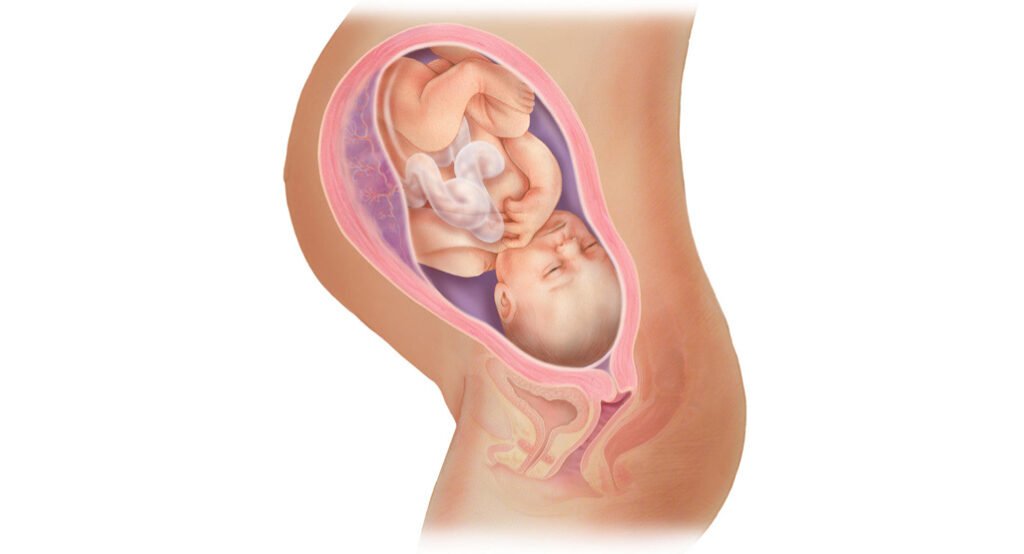
What Does Good Pregnancy Care Involve?
Good pregnancy care, or antenatal care, involves structured medical consultations, timely diagnostic ultrasounds, blood screenings, personalized nutritional guidance, and emotional support throughout your 40-week journey. Grounded in FOGSI and WHO guidelines, early care monitors maternal health and fetal development to ensure a safe, healthy delivery for both mother and baby.
Understanding Gestational Diabetes: Why Sugar Levels Rise
To effectively manage your blood sugar, it helps to understand why elevated levels occur in the first place. Gestational Diabetes Mellitus (GDM) is a temporary condition that develops when pregnancy hormones—produced by the placenta to support your baby—interfere with how your body uses insulin.
In India, statistics show that gestational diabetes affects nearly 10% to 15% of pregnant women, making it one of the most common medical conditions during pregnancy. The Indian diet, which is naturally rich in refined carbohydrates like polished white rice and refined flour (maida), alongside genetic predispositions, makes proactive management particularly important for Indian mothers.
                   ┌─────────────────────────────────────────┐
                   │   THE MECHANISM OF GESTATIONAL SUGAR    │
                   └────────────────────┬────────────────────┘
                                        │
         ┌──────────────────────────────┼──────────────────────────────┐
         ▼                              ▼                              ▼
┌──────────────────┐           ┌──────────────────┐           ┌──────────────────┐
│ Placental        │           │ Insulin          │           │ Glucose          │
│ Hormones         │           │ Resistance       │           │ Accumulation     │
│ HPL & progesterone│          │ Pancreas cannot  │           │ Unused sugar     │
│ block insulin    │           │ keep up with     │           │ builds up in the │
│ receptors        │           │ demand           │           │ bloodstream      │
└──────────────────┘           └──────────────────┘           └──────────────────┘
When placental hormones block insulin function, your body struggles to move glucose from your blood into your cells for energy. The surplus glucose remains in your bloodstream, eventually reaching your baby through the placenta. Thankfully, learning how to lower diabetes during pregnancy empowers you to keep glucose levels steady and protect your baby’s development.
Practical Daily Strategies: How to Lower Diabetes During Pregnancy
Managing elevated blood sugar does not mean restricting your nutrition or giving up the foods you enjoy. Instead, it is about making thoughtful, nutrient-dense swaps that keep your energy steady throughout the day.
┌─────────────────────────────────────────────────────────────────────────────┐
│ PRACTICAL BLOOD SUGAR MANAGEMENT STEPS │
├───────────────────────────┬───────────────────────────┬─────────────────────┤
│ 🌾 Dietary Swaps │ 🚶♀️ Post-Meal Movement │ 📊 Monitoring │
├───────────────────────────┼───────────────────────────┼─────────────────────┤
│ • White Rice ➔ Foxtail │ • 15–20 min gentle walk │ • Check fasting & │
│ millet or Brown Rice │ after lunch & dinner │ 2-hr post-meal │
│ • White Bread ➔ Oats / │ • Enhances muscle insulin │ • Keep a daily food │
│ Whole Wheat Roti │ sensitivity naturally │ & glucose log │
│ • Fruit Juices ➔ Whole │ • Avoid lying down right │ • Share log with │
│ guava or pomegranate │ after eating │ your doctor │
└───────────────────────────┴───────────────────────────┴─────────────────────┘
1. Adopt a Low-Glycemic Indian Meal Plan
Carbohydrates directly impact your blood glucose levels. Opting for complex carbohydrates that digest slowly prevents sudden sugar surges:
- Upgrade Your Grains: Replace polished white rice with brown rice, hand-pounded rice, or traditional Indian millets like Ragi (finger millet), Jowar (sorghum), or Kangni (foxtail millet).
- Prioritize Fiber: Fill half your plate with non-starchy green vegetables like spinach (palak), ridge gourd (beerakaya), bottle gourd (sorakaya), and cluster beans. Fiber acts as a natural buffer, slowing down glucose absorption.
- Pair Carbs with Protein: Never eat carbohydrates alone. Always pair a whole-wheat roti or millet bowl with protein-rich foods like cooked lentils (dal), boiled paneer, sprouts, eggs, or grilled fish.
2. Practice Gentle Post-Meal Activity
Physical movement is one of the most effective tools for lowering blood sugar. When your muscles contract during a light walk, they draw glucose out of your bloodstream to use for energy, even without relying heavily on insulin.
- Take a gentle 15-to-20-minute walk after your primary meals (breakfast, lunch, and dinner).
- Engage in light prenatal yoga or stretching sessions approved by your doctor.
- Avoid lying down or sitting continuously for long periods immediately after eating.
3. Maintain Consistent Meal Timings
Eating small, balanced meals every 2.5 to 3 hours prevents your blood sugar from dipping too low or spiking too high. Avoid skipping meals, as prolonged fasting can prompt your liver to release stored glucose, leading to unexpected sugar spikes.
Trimester-by-Trimester Pregnancy Journey Breakdown
Every stage of pregnancy presents unique growth milestones, hormonal shifts, and specific clinical checkpoints.
| Trimester | Key Fetal Milestones | What Happens in Your Body | What to Expect at the Clinic |
| First Trimester (Weeks 1–12) | Early heart formation, organ systems begin building, tiny limb buds appear. | Morning fatigue, tender breasts, mild uterine pulling, taste changes. | Viability scan, baseline fasting sugar, HbA1c screening, folic acid prescription. |
| Second Trimester (Weeks 13–27) | Rapid skeletal growth, fetal hearing develops, gentle kicks begin. | Energy boosts, baby bump expands, potential rise in insulin resistance. | Oral Glucose Tolerance Test (OGTT), Level-II anomaly scan, BP monitoring. |
| Third Trimester (Weeks 28–40) | Lung maturation, weight accumulation, baby shifts into birth position. | Frequent urination, braxton-hicks tightness, pressure on pelvic joints. | Growth ultrasounds, sugar log reviews, non-stress tests (NST), birth planning. |

Standard Antenatal Check-up Schedule in India
Consistent antenatal visits ensure that both your wellness and your baby’s development are carefully monitored. Grounded in FOGSI and WHO guidelines, here is the recommended check-up timeline for an Indian mother:
- First Visit (6 to 8 Weeks): Pregnancy confirmation, viability ultrasound, baseline blood work including fasting blood glucose and HbA1c to screen for pre-existing diabetes, and essential prenatal supplements.
- First Trimester Screening (11 to 13 Weeks): Nuchal Translucency (NT) ultrasound combined with double marker blood screening to evaluate early chromosomal wellness.
- Gestational Diabetes Screening (24 to 28 Weeks): Standard 2-hour Oral Glucose Tolerance Test (OGTT) using a 75g glucose drink to assess how efficiently your body processes sugar.
- Detailed Anomaly Scan (18 to 22 Weeks): Comprehensive Level-II ultrasound to meticulously examine your baby’s anatomical development and placental placement.
- Fortnightly Check-ups (28 to 36 Weeks): Regular tracking of blood sugar logs, blood pressure, fetal growth velocity, and amniotic fluid volume.
- Weekly Final Consultations (36 Weeks to Delivery): Assessing fetal positioning, checking cervical readiness, reviewing non-stress test (NST) tracings, and finalizing your hospital admission strategy.
Warning Signs to Never Ignore During Pregnancy
While most cases of elevated blood sugar respond wonderfully to diet and exercise, staying mindful of your physical signals is essential. You should reach out to your doctor promptly if you experience any of these red flags:
- Blood sugar readings that remain consistently above target limits despite strict diet and walk routines.
- Persistent headaches, sudden blurred vision, or severe swelling in your hands and face (which may indicate elevated blood pressure).
- A noticeable decrease in your baby’s daily movement or kick counts.
- Severe lower abdominal pain, uterine cramping, or fluid leaking.
- Excessive thirst accompanied by rapid weight loss and severe fatigue.
If you ever feel uncertain or notice any of these symptoms, please call your doctor immediately so they can evaluate your condition safely.
High-Risk Pregnancy: What It Means and Who It Applies To
Hearing that your pregnancy is considered “high-risk” can initially sound overwhelming, but the term simply means your pregnancy receives extra monitoring and tailored expertise. A pregnancy may be categorized as high-risk if blood sugar levels require medication, if there are co-existing conditions like hypertension or thyroid disorders, or in cases of advanced maternal age or twin pregnancies.
With proper medical management, women with high-risk conditions navigate their pregnancies with complete safety. Dr. Devani Chalamuri, an experienced women’s health specialist and leading obstetrician in Vizag, specializes in high-risk pregnancy care and gestational diabetes management. At Vedanta Speciality Clinics in Madhurawada, she works closely with expecting mothers to design personalized care plans, ensuring both mother and baby thrive throughout every trimester.
Preparing for Delivery: A Practical Hospital Bag Checklist
As you approach your third trimester, getting your hospital bag ready around week 34 brings peace of mind and allows you to focus on rest.
- For Mom: Loose cotton nightgowns (front-open for breastfeeding), maternity sanitary pads, comfortable non-slip footwear, personal toiletries, lip balm, and warm socks.
- For Baby: Soft cotton onesies (washed in mild detergent), swaddling cloths, baby caps, mittens, booties, and gentle baby wipes.
- Essential Medical Documents: Complete prenatal file (including blood sugar logs, ultrasound reports, and blood test results), government identity cards (Aadhaar), health insurance cards, and doctor’s admission slip.
Postnatal Care: Nurturing Yourself After Delivery
Your health journey continues smoothly into the postnatal period. Once your baby is born, the placenta is delivered, causing pregnancy hormones to drop rapidly and allowing blood sugar levels to return to normal for most mothers.
- Physical Recovery & Glucose Monitoring: Your medical team will monitor your blood sugar for 24 to 48 hours after delivery. A follow-up glucose test is usually scheduled 6 to 12 weeks postpartum to ensure your levels remain in a healthy range.
- Lactation & Newborn Care: Breastfeeding is wonderful for both you and your baby—it burns extra calories, aids uterine recovery, and helps improve long-term insulin sensitivity. Your lady gynecologist can provide lactation support to ensure a comfortable latch.
- Emotional Wellbeing: Be gentle with yourself as you navigate sleep changes and hormonal shifts. Differentiate between short-lived “baby blues” and persistent postpartum anxiety, seeking compassionate support whenever needed.
Frequently Asked Questions
How to lower diabetes during pregnancy naturally through diet?
You can help lower blood sugar by swapping refined carbs like white rice with high-fiber grains like brown rice, millets, and oats. Combining complex carbs with lean proteins, healthy fats, and green vegetables prevents sharp glucose spikes after meals.
When should I test for sugar during pregnancy in Visakhapatnam?
FOGSI guidelines recommend screening for gestational diabetes at your very first prenatal visit using fasting blood glucose or HbA1c, followed by a formal Oral Glucose Tolerance Test (OGTT) between 24 and 28 weeks.
Will gestational diabetes go away after delivery?
For most women, gestational diabetes resolves naturally soon after the placenta is delivered and pregnancy hormones normalize. However, a follow-up glucose tolerance test is recommended 6 to 12 weeks postpartum.
What is the best exercise to reduce sugar level during pregnancy?
A gentle 15 to 20 minute post-meal walk is exceptionally effective at lowering post-meal glucose spikes. Gentle prenatal yoga and swimming are also safe options when approved by your obstetrician.
Which doctor should I consult for gestational diabetes management in Vizag?
You should consult an experienced obstetrician and women’s health specialist who understands high-risk pregnancy care. Dr. Devani Chalamuri in Visakhapatnam provides expert, personalized management for gestational diabetes.
Can I get complete high-risk prenatal care at Vedanta Speciality Clinics in Madhurawada?
Yes, Vedanta Speciality Clinics in Madhurawada offers comprehensive high-risk pregnancy monitoring, continuous glucose tracking guidance, fetal growth ultrasounds, and personalized dietary plans under one roof.
Is taking insulin during pregnancy safe for my baby?
Yes, insulin is completely safe during pregnancy when prescribed by your doctor because it does not cross the placenta to harm the baby. It simply helps manage your blood glucose levels safely.
How early should I start prenatal care in Visakhapatnam?
It is best to start prenatal care as soon as you confirm your pregnancy, ideally between 6 and 8 weeks, so your doctor can establish baseline health markers early.
Start Your Pregnancy Journey with Confidence
Managing your blood sugar during pregnancy is a empowering way to protect your health and nurture your growing baby. With balanced nutrition, gentle movement, and attentive clinical care, you can navigate gestational diabetes with complete peace of mind.

Ready to start your pregnancy journey in Vizag with expert care? Book your first appointment with Dr. Devani Chalamuri, a trusted pregnancy doctor Visakhapatnam families rely on, at Vedanta Speciality Clinics, Madhurawada — visit Vedanta Speciality Clinics or message via WhatsApp at +91 81257 65888.



Leave a Comment