

Table of Contents
Can Appendix Cause Miscarriage? Understanding Appendicitis, Risks, and Safe Care in Pregnancy
Experiencing sudden abdominal discomfort during pregnancy can naturally trigger anxiety for any mother-to-be. When questions arise like can appendix cause miscarriage, many women feel overwhelmed by conflicting information online. It is entirely normal to feel cautious about every new sensation in your body as your baby grows.
To answer directly: an uncomplicated, early-treated appendix issues rarely leads to pregnancy loss. However, if an inflamed appendix is left untreated and allowed to burst or rupture, the resulting infection and high body temperature can increase the risk of uterine contractions or pregnancy complications. Understanding how appendicitis manifests during gestation, why early clinical evaluation matters, and how modern care protects both mother and baby empowers you to act with clarity and confidence.
What Is Appendicitis in Pregnancy?
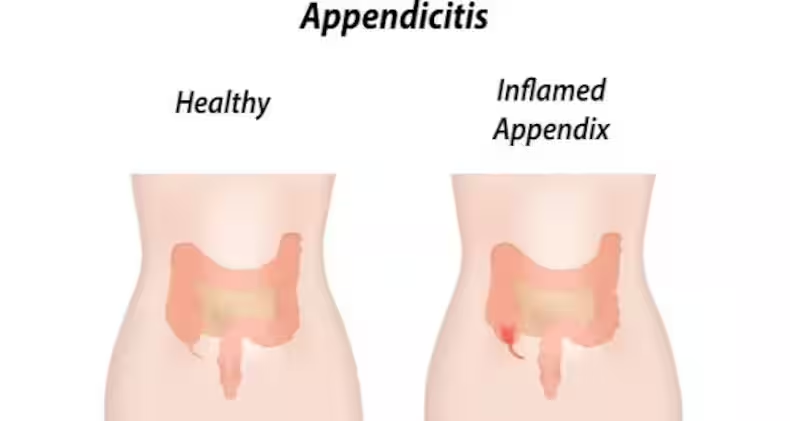
Appendicitis in pregnancy is the acute inflammation of the vermiform appendix, a small pouch attached to the large intestine. It is the most common non-obstetric surgical condition during gestation, requiring timely evaluation by an experienced obstetrician in Vizag to prevent localized infection from expanding into the abdominal cavity.
How Common Is Appendicitis Among Pregnant Women in India?
While pregnancy brings many physical changes, appendicitis remains a relatively infrequent yet well-documented medical occurrence:
- Incidence Rates: Global and Indian clinical data compiled by organizations like the Federation of Obstetric and Gynaecological Societies of India (FOGSI) indicate that appendicitis occurs in roughly 1 in 1,000 to 1 in 1,500 pregnancies.
- Prevalence Across Trimesters: It is most frequently diagnosed during the second trimester, though it can present at any stage of gestation.
- Diagnostic Shift in Indian Context: In regional centers across Andhra Pradesh, including Visakhapatnam, routine prenatal monitoring and increased health awareness have led to earlier detection, significantly reducing complication rates for expectant mothers.
Realizing that appendicitis is a recognized, manageable medical event helps shift the focus from fear to timely, informed action.
┌─────────────────────────────────────────────────────────────────────────────┐
│                       APPENDIX SHIFT DURING PREGNANCY                       │
├───────────────────┬─────────────────────────────┬───────────────────────────┤
│ Gestational Stage │ Anatomical Position of      │ Nature of Abdominal       │
│                   │ Appendix                    │ Discomfort                │
├───────────────────┼─────────────────────────────┼───────────────────────────┤
│ First Trimester   │ Right Lower Quadrant        │ Classic lower right pain, │
│                   │ (Standard position)         │ mild nausea               │
├───────────────────┼─────────────────────────────┼───────────────────────────┤
│ Second Trimester  │ Mid-Right Abdomen           │ Pain shifts upward near   │
│                   │ (Pushed upward by uterus)   │ the belly button level    │
├───────────────────┼─────────────────────────────┼───────────────────────────┤
│ Third Trimester   │ Upper Right Quadrant        │ Pain felt under right     │
│                   │ (Near the rib cage area)    │ ribs; may mimic acidity   │
└───────────────────┴─────────────────────────────┴───────────────────────────┘
Signs and Symptoms You May Notice
Identifying appendicitis during pregnancy can be tricky because early signs often resemble routine pregnancy discomforts. You may notice:
- Shifted Abdominal Pain: Pain that starts near the navel and migrates toward the right side of the abdomen, moving higher up as your uterus grows.
- Persistent Nausea or Vomiting: Digestive distress that appears suddenly or continues long after typical first-trimester morning sickness has passed.
- Low-Grade or Spiking Fever: A noticeable rise in body temperature, often accompanied by chills or general body aches.
- Loss of Appetite: An abrupt disinterest in food, distinct from typical pregnancy food cravings or mild aversion.
- Rebound Tenderness: Sharp discomfort when pressing lightly on the right side of the abdomen and releasing quickly.
- Altered Bowel Habits: Sudden onset of constipation, loose stools, or unusual abdominal bloating that feels different from normal pregnancy gas.
Causes and Contributing Factors of Appendicitis
The underlying causes of an inflamed appendix during pregnancy are generally similar to those in non-pregnant individuals, though physiological changes play a supporting role:
1.1. Appendiceal Blockage:The most frequent trigger.
The opening of the appendix can become obstructed by hardened stool particles (fecaliths), enlarged lymphoid tissue, or dense mucus. This blockage prevents fluid drainage, causing pressure to build inside the pouch.
2.2. Secondary Bacterial Overgrowth:Bacterial proliferation.
Once the appendix is blocked, naturally occurring gut bacteria multiply rapidly within the trapped space, leading to tissue swelling, local irritation, and progressive inflammation.
3.3. Hormonal Shifts in Digestion:Impact of smooth muscle relaxation.
Elevated progesterone levels during pregnancy relax smooth muscles throughout the gastrointestinal tract. This slows overall digestion and bowel motility, which may increase the likelihood of intestinal sluggishness or blockage.
4.4. Anatomical Displacement:Physical displacement by the expanding uterus.
As the baby grows, the expanding uterus gently shifts the intestines and appendix upward and outward. This spatial adjustment can occasionally twist or alter blood flow to the appendix, contributing to localized swelling.
How Is Appendicitis Diagnosed During Pregnancy?
Because your body undergoes remarkable changes during gestation, a pregnancy doctor Visakhapatnam follows a careful, step-by-step diagnostic process to ensure total safety for your baby:
- Detailed Clinical History: Your physician listens attentively to your symptoms, mapping when the pain started, how it evolved, and whether it correlates with food intake or movement.
- Targeted Physical Examination: Gentle palpation of the abdominal wall helps locate the exact point of tenderness, keeping in mind the displaced position of the appendix in later trimesters.
- Routine Blood & Urine Tests: Simple laboratory panels evaluate white blood cell (WBC) counts to detect internal inflammation and rule out urinary tract infections (UTIs) or kidney stones.
- Obstetric Ultrasound Imaging: A graded-compression abdominal ultrasound is the gold standard imaging choice. It uses safe sound waves—with zero radiation exposure—to visualize the appendix, evaluate uterine tone, and confirm your baby’s heartbeat and well-being.
Understanding Treatment Options: Keeping Mother and Baby Safe
When appendicitis is confirmed or strongly suspected, medical management focuses on swift, decisive action to protect pregnancy health:
Conservative Medical Management
In very rare, highly select cases of extremely mild or equivocal inflammation, a gynaecologist may recommend close inpatient observation combined with intravenous antibiotics. However, because inflammation can progress quickly, conservative management requires continuous clinical monitoring.
Surgical Intervention (Appendectomy)
Removing the inflamed appendix via an appendectomy remains the definitive, safest treatment strategy recommended by international guidelines (ACOG, WHO, and FOGSI):
- Laparoscopic (Keyhole) Surgery: Often preferred during the first and second trimesters, utilizing tiny incisions, minimal tissue disruption, and quick recovery times.
- Open Surgical Removal: Performed through a small, neat incision over the area of pain, particularly during late second or third trimesters to accommodate the larger uterus.
- Fetal Monitoring: Continuous fetal heart rate tracking and gentle uterine relaxing medications are used before, during, and after the procedure to maintain complete uterine stability.
When Should You See a Doctor?
Prompt care is the single most effective way to eliminate complications and safeguard your pregnancy. You should seek immediate medical evaluation if you experience:
- Constant or worsening pain on the right side of your belly.
- A high fever accompanied by shivering or cold sweats.
- Inability to keep fluids down due to persistent vomiting.
- Pain accompanied by uterine tightening, vaginal spotting, or unusual fluid discharge.
If you recognise several of these symptoms in yourself, speaking to a qualified gynaecologist is the most important next step. Dr. Devani Chalamuri at Vedanta Speciality Clinics in Madhurawada, Vizag specialises in high-risk pregnancy management, acute gynaecological evaluation, and offers compassionate, evidence-based care for women across Visakhapatnam.

Comparing Risks: Timely Care vs. Delayed Diagnosis
Understanding how early intervention neutralizes risks helps reassure expectant parents during a stressful moment:
| Clinical Scenario | Impact on Maternal Health | Impact on Pregnancy & Fetal Safety | Recommended Action |
| Early Diagnosis & Prompt Surgery | Mild surgical stress, low risk of infection, rapid recovery within days. | Miscarriage risk remains extremely low (<1-2%); baby remains well-protected. | Immediate consultation with a lady doctor Visakhapatnam upon symptom onset. |
| Delayed Care Leading to Perforation | Risk of localized abscess or generalized peritonitis (abdominal infection). | Elevated risk of premature labor contractions or gestational loss due to severe maternal infection. | Emergency surgical evaluation and intensive intravenous antibiotic support. |
| Mild Gastrointestinal Gas / Acidity | Temporary discomfort, resolves with dietary adjustments and hydration. | No direct risk to the fetus or pregnancy continuation. | Reassuring check-up with your prenatal care provider. |
Frequently Asked Questions
Can an inflamed appendix directly cause a miscarriage?
An uncomplicated, early-treated appendix rarely causes a miscarriage. However, if the inflamed appendix ruptures, the resulting generalized abdominal infection and high fever can trigger uterine contractions and increase the risk of pregnancy loss.
Is surgery for appendicitis safe while I am pregnant?
Yes, modern surgical and anesthetic techniques make appendectomy very safe during pregnancy. Obstetric and surgical guidelines emphasize that operating promptly is far safer for both mother and baby than delaying care and risking perforation.
Why is appendix pain hard to diagnose during pregnancy?
As the uterus expands, it pushes the appendix upward and outward toward the upper right abdomen. Additionally, common pregnancy symptoms like nausea and mild digestive discomfort can mask early signs of inflammation.
Does appendicitis affect the baby directly?
The inflammation itself is localized to the mother’s abdominal cavity and does not pass through the placenta to the baby. The main concern stems from systemic maternal fever or infection if the condition goes untreated.
Which doctor should I see if I suspect appendicitis while pregnant in Vizag?
You should immediately evaluate your symptoms with an experienced lady gynecologist Visakhapatnam or pregnancy doctor Visakhapatnam, such as Dr. Devani Chalamuri at Vedanta Speciality Clinics in Madhurawada.
How can a doctor differentiate between normal pregnancy cramps and appendix pain?
A women’s health specialist performs a detailed clinical examination, checks white blood cell counts, and utilizes safe diagnostic ultrasound imaging to clearly pinpoint the source of pain.
What precautions help prevent appendix complications during pregnancy?
While appendicitis cannot be entirely prevented, eating a fiber-rich diet, staying well-hydrated, and seeking prompt medical evaluation for persistent abdominal pain ensure early detection and safe management.
Where can I get safe, expert prenatal and emergency evaluation in Madhurawada?
Comprehensive prenatal monitoring and emergency clinical consultations are available at Vedanta Speciality Clinics in Madhurawada, Visakhapatnam, guided by Dr. Devani Chalamuri.

Empowering Your Pregnancy Journey
Every symptom during pregnancy deserves attention, empathy, and clear answers. While worrying about whether an inflamed appendix can cause miscarriage is understandable, knowing that timely medical care completely turns the tide offers peace of mind. By trusting your instincts and seeking early clinical support, you ensure the safest possible environment for your growing baby.
If you are experiencing any of these symptoms, Dr. Devani Chalamuri at Vedanta Speciality Clinics, Madhurawada, Vizag is available for a consultation — https://vedantaspecialityclinics.com/. Expert guidance and caring support are always within your reach.


Leave a Comment