
Table of Contents
Folic Acid Before Pregnancy: Why It Matters for You and Your Baby
When you begin thinking about expanding your family, your mind naturally fills with excitement, dreams, and a long list of preparations. You might start researching balanced diets, tracking your ovulation days, or thinking about comfortable nursery setups. However, one of the most critical steps in preparing your body for a healthy pregnancy is something quiet, simple, and often overlooked in the early stages: starting pre-conception nutrition.
Understanding folic acid before pregnancy is essential because this simple B-vitamin plays a pivotal role in your baby’s earliest development—often before you even see two positive lines on a home pregnancy test. Taking folic acid early equips your body with the exact building blocks needed to protect your future baby’s spine, brain, and overall cellular growth right from day one.
What Is Folic Acid and Why Is It Necessary Before Conception?
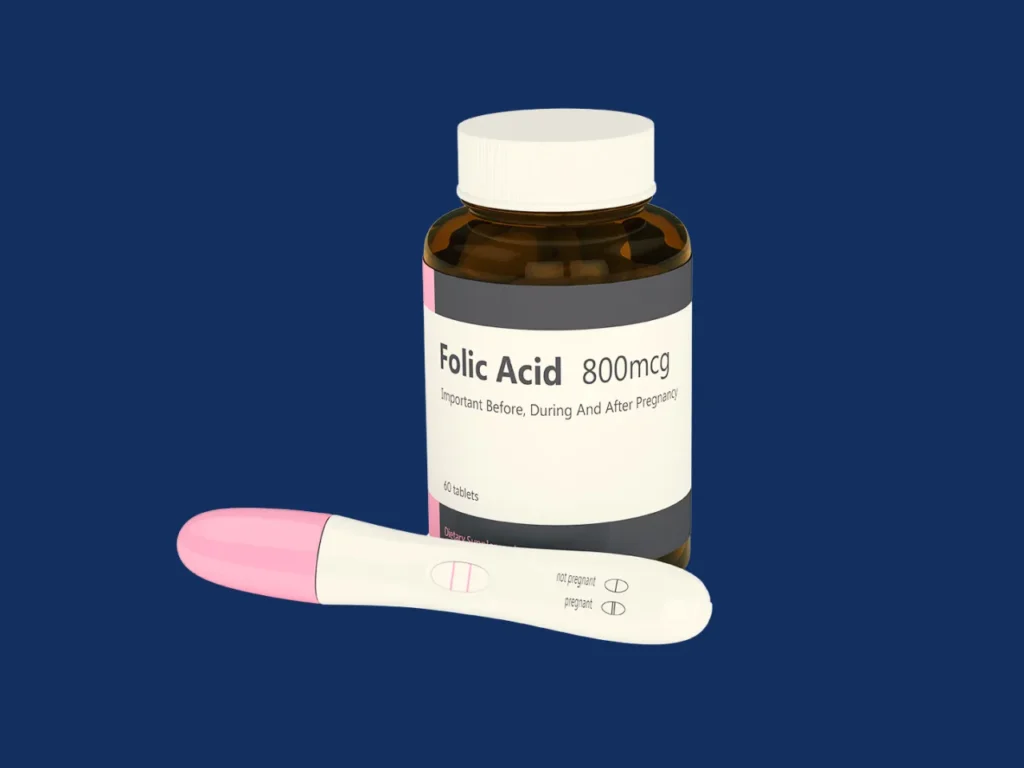
Folic acid is the synthetic form of folate (Vitamin B9), an essential nutrient required for rapid cell division, DNA synthesis, and red blood cell production. Taking folic acid before pregnancy ensures adequate maternal tissue levels during the first 28 days of gestation, significantly reducing the risk of neural tube defects like spina bifida.
How Common Is Folate Deficiency Among Indian Women?
Ensuring adequate folate levels is a key priority in public maternal health across India, making pre-conception supplementation a vital conversation:
- High Prevalence Rates: National health surveys and clinical observations reveal that over 40% to 60% of women of reproductive age in India experience sub-optimal folate levels, often compounded by concurrent nutritional anemia.
- Crucial Early Window: The neural tube—which eventually becomes your baby’s brain and spinal cord—folds and closes completely within the first 21 to 28 days after conception. Most women do not even realize they are pregnant until week 4 or 5, making pre-conception reserves essential.
- Impact of Cooking Habits: Traditional Indian cooking methods involve prolonged boiling, frying, and heating of vegetables. While these culinary traditions produce delicious meals, high temperatures degrade up to 70% to 90% of natural dietary folates.
- Proactive Protection: Establishing healthy folate reserves 1 to 3 months before trying to conceive bridges the gap between dietary intake and embryonic demands, giving your baby the best possible start.
Natural Folate vs. Synthetic Folic Acid
| Parameter | Dietary Folate (Food) | Folic Acid (Supplement) |
|---|---|---|
| Primary Sources | Spinach, lentils, citrus fruits, peanuts, amaranth | Prenatal tablets, fortified grains |
| Cooking Stability | Easily destroyed by high heat and boiling | Highly stable, heat-resistant formulation |
| Body Absorption Rate | Approximately 50% absorbed in the digestive tract | Nearly 85% to 100% absorbed when taken |
| Clinical Role in Pre-conception | Supports daily metabolic health & general nutrition | Guarantees consistent preventive blood levels |

Key Benefits You and Your Baby Gain from Folic Acid
Starting a daily folic acid supplement before conception offers profound protection across several areas of maternal and fetal health:
- Prevents Neural Tube Defects (NTDs): Significantly lowers the risk of serious birth structural conditions, including spina bifida (incomplete closure of the spinal column) and anencephaly (underdevelopment of the brain).
- Supports Rapid Cell Division: Provides the necessary co-enzymes required to synthesize new DNA as embryonic cells divide rapidly during early tissue formation.
- Prevents Maternal Megaloblastic Anemia: Helps your bone marrow produce healthy, mature red blood cells, working alongside iron to prevent early fatigue and gestational anemia.
- Reduces Early Miscarriage Risk: Adequate folate reserves support healthy placental attachment and early vascular development in the uterine lining.
- Decreases Risk of Orofacial Clefts: Research cited by WHO and FOGSI indicates that pre-conception folate adequacy helps lower the risk of cleft lip and palate formation.
Causes and Factors Contributing to Low Folate Levels
Understanding why folate reserves drop helps you take proactive steps alongside your gynaecologist:
1.1. High-Heat Cooking and Processing:Dietary heat sensitivity.
Prolonged boiling of leafy green vegetables (palak, thotakura) breaks down delicate folate molecules before they reach your plate.
2.2. Poor Gastrointestinal Absorption:Intestinal absorption barrier.
Conditions like celiac disease, inflammatory bowel disorders, or chronic digestive sensitivity can hinder your gut’s ability to absorb natural nutrients.
3.3. Genetic Variations (MTHFR Gene Mutation):Metabolic variations.
Some women possess a variant in the MTHFR gene that reduces their ability to convert plain folic acid into its active, usable form (L-methylfolate).
4.4. Certain Long-Term Medications:Medication interactions.
Taking certain prescription medications—such as anti-epileptic drugs, diabetes therapies, or antacids—can interfere with how your body stores B-vitamins.
Recommended Dosage and How to Take It
Medical guidelines established by the Federation of Obstetric & Gynaecological Societies of India (FOGSI) and the World Health Organization (WHO) provide clear recommendations:
- Standard Daily Dose: For most women planning a pregnancy, taking 400 micrograms (0.4 mg) of folic acid daily is the universal gold standard.
- High-Risk Daily Dose: Women with pre-existing diabetes, a higher BMI, a history of neural tube defects in prior pregnancies, or those taking anti-epileptic medications may be prescribed 4 mg to 5 mg daily under strict clinical supervision.
- Ideal Timing: Begin taking your daily tablet at least 1 to 3 months before you stop using contraception or actively start trying to conceive, and continue through the first 12 weeks of pregnancy.
Rich Indian Food Sources to Complement Your Supplement
While supplements ensure guaranteed daily absorption, adding folate-dense foods to your daily meals creates a well-rounded nutritional foundation:
- Dark Leafy Greens: Incorporate fresh spinach (palak), amaranth (thotakura), fenugreek leaves (methi), and mustard greens into your weekly menus.
- Legumes and Pulses: Enjoy Bengal gram (chana), black-eyed peas, kidney beans (rajma), lentils (dal), and green gram (moong).
- Nuts and Seeds: Snack on roasted peanuts, almonds, sesame seeds, and sunflower seeds.
- Fresh Fruits: Eat fresh oranges, sweet limes (mosambi), papayas (ripe), and avocados.
When Should You See a Doctor?
Planning a pregnancy is a wonderful opportunity to focus on your health. Scheduling a pre-conception consultation with an experienced lady gynecologist Visakhapatnam ensures that your supplement dosages, blood health, and overall wellness are reviewed thoughtfully before you conceive.
You should reach out to a women’s health specialist for guidance if:
- You are planning to start trying for a baby within the next 3 to 6 months.
- You have a personal or family history of neural tube defects, anemia, or metabolic conditions like diabetes.
- You experience chronic digestive issues that might affect nutrient absorption.
- You take regular long-term medications for thyroid health, blood pressure, or seizures.
If you are preparing for this exciting journey, speaking to a caring specialist is the most reassuring step forward. Dr. Devani Chalamuri at Vedanta Speciality Clinics in Madhurawada, Vizag specialises in pre-conception counseling, high-risk pregnancy management, and offers compassionate, evidence-based care for women across Visakhapatnam.
When Should I See a Gynecologist in Vizag?
You should schedule a pre-conception check-up 2 to 3 months before you begin actively trying to conceive. Consulting a knowledgeable women’s health specialist allows you to start the correct dosage of folic acid, screen for baseline anemia or thyroid shifts, and receive personalized advice tailored to your daily routine.
How Early Should I Start Prenatal Care in Visakhapatnam?
Once you get a positive result on a home test, schedule your initial appointment between 5 and 8 weeks of pregnancy. Booking early with a trusted pregnancy doctor Visakhapatnam ensures your early gestational progress is monitored smoothly right from the beginning.
Frequently Asked Questions
Why is taking folic acid before pregnancy so important?
Folic acid helps build the baby’s neural tube, which forms the brain and spinal cord during the first 28 days of pregnancy. Taking it before conception ensures your body has sufficient levels before you even get a positive pregnancy test.
How many months before trying to conceive should I start taking folic acid?
Medical guidelines from WHO and FOGSI recommend starting a daily folic acid supplement at least 1 to 3 months before you actively begin trying to conceive.
Can I get enough folic acid purely from my regular daily diet?
While dark green vegetables, lentils, and citrus fruits are rich in natural folate, cooking heat breaks it down easily. A daily supplement of 400 mcg guarantees consistent protection.
What is the recommended daily dosage of folic acid for pregnancy planning?
The standard recommended dose for most women planning a pregnancy is 400 micrograms (0.4 mg) daily. Women with higher risk factors like diabetes or epilepsy may require a higher prescription dose under medical supervision.
Which doctor should I consult for pre-conception care in Vizag?
You should schedule a pre-conception visit with an experienced lady gynecologist Visakhapatnam, such as Dr. Devani Chalamuri at Vedanta Speciality Clinics in Madhurawada, for comprehensive screening and supplement guidance.
How early should I start prenatal care in Visakhapatnam?
It is best to arrange your first official prenatal check-up as soon as you confirm your pregnancy, ideally between 5 and 8 weeks, to monitor early gestational development.
Are there any side effects from taking daily folic acid tablets?
Standard dosages of 400 mcg are remarkably safe, water-soluble, and well-tolerated. Any excess amount is naturally flushed out by your body through urine without causing harm.
Can I get reliable pre-conception counselling and prenatal tests in Madhurawada?
Yes, women in Madhurawada and northern Visakhapatnam can access complete pre-conception health evaluations, blood tests, and personalized supplement plans at Vedanta Speciality Clinics.

Step Confidently Into Your Motherhood Journey
Preparing your body for pregnancy is an empowering act of care for both yourself and your future child. Understanding folic acid before pregnancy gives you a simple, powerful tool to protect your baby’s early development right from the very beginning.
If you have questions about pregnancy planning or pre-conception care, Dr. Devani Chalamuri at Vedanta Speciality Clinics, Madhurawada, Vizag is available for a consultation — https://vedantaspecialityclinics.com/. Reach out today to schedule your pre-conception visit and take your first steps toward a healthy, joyful pregnancy.




Leave a Comment