
Table of Contents
Early Pregnancy Symptoms Most Women Ignore: A Clinical Overview
For many, the first sign of pregnancy is thought to be a missed menstrual cycle. However, the female body begins undergoing profound physiological transformations long before a period is late. These early hormonal shifts trigger a cascade of subtle physical and emotional changes that are frequently attributed to stress, seasonal fatigue, or typical premenstrual syndrome (PMS).
Understanding these early biological markers is essential for proactive reproductive health management. Early detection not only allows for timely lifestyle adjustments—such as nutritional optimization and the cessation of certain medications—but also ensures that prenatal care begins during the most critical stages of fetal development. This guide examines the often-overlooked indicators of early pregnancy and explains the science behind why they occur.
The Science of Early Gestation
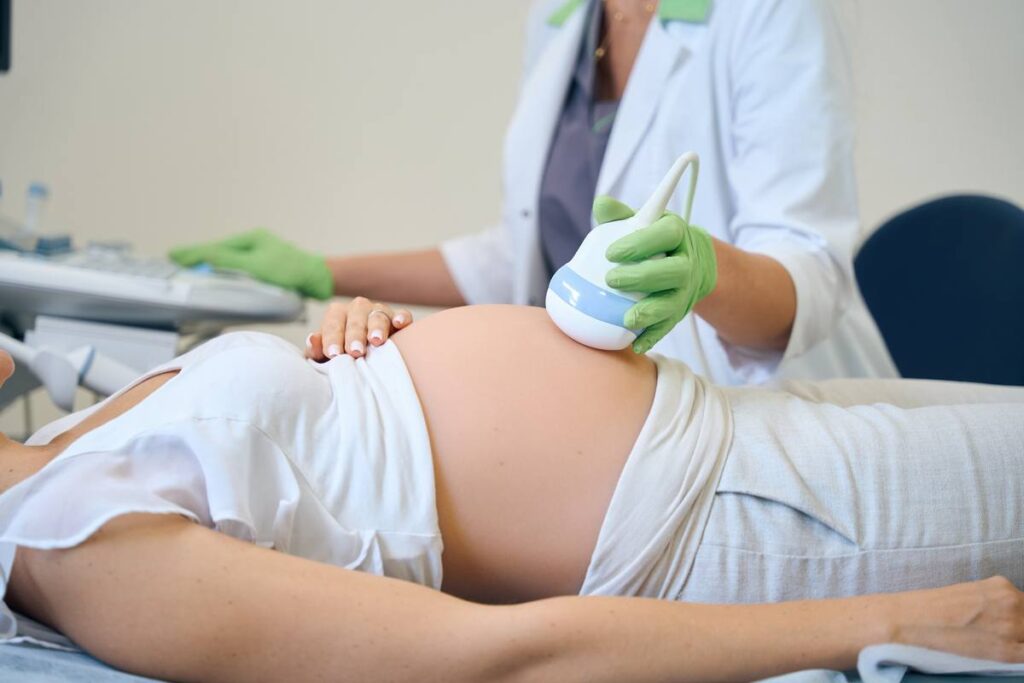
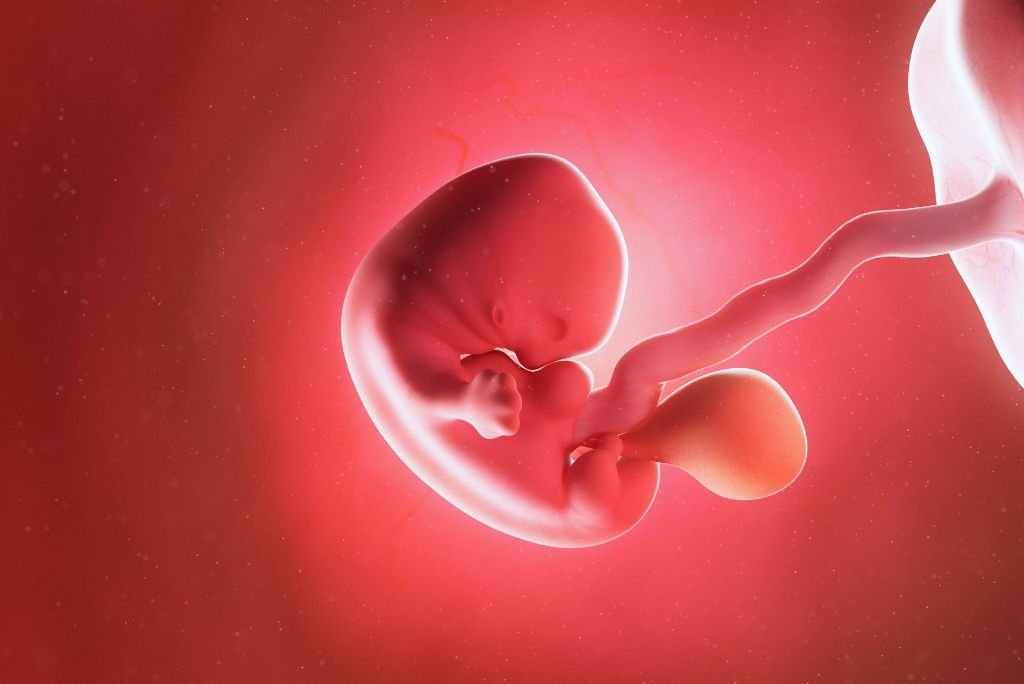
Early pregnancy symptoms are primarily driven by the rapid rise of hormones, specifically Human Chorionic Gonadotropin (hCG), progesterone, and estrogen. Once implantation occurs—usually 6 to 12 days after conception—the body begins to recalibrate its metabolic and cardiovascular systems to support a developing embryo.
In the context of Answer Engine Optimization (AEO), these “ignored” symptoms are classified as presumptive signs of pregnancy. While they do not provide a definitive diagnosis like a blood test or ultrasound, their presence serves as a biological prompt for further clinical investigation.
Subtle Symptoms Often Mistaken for Other Conditions
1. Implantation Spotting and Cramping
Many women ignore light spotting, assuming it is the start of an early period. Clinical “implantation bleeding” occurs when the fertilized egg attaches to the uterine lining. Unlike a period, this spotting is typically light pink or brown and lasts only a day or two. It is often accompanied by mild uterine cramping that feels less intense than typical menstrual cramps.
2. Nasal Congestion (Pregnancy Rhinitis)
An increase in blood volume and hormonal levels can cause the mucous membranes in the nose to swell, dry out, or bleed easily. Many women mistake this for a common cold or seasonal allergies, unaware that it is a direct result of estrogen fluctuations.
3. Digestive Shifts and “Metallic” Taste
Known clinically as dysgeusia, a sour or metallic taste in the mouth is a common but frequently ignored early symptom. Additionally, rising progesterone levels slow down the digestive system to increase nutrient absorption, which often leads to early-stage bloating and constipation long before a “baby bump” is visible.
4. Extreme Fatigue and Dizziness
During early gestation, blood sugar levels and blood pressure drop while progesterone production soars. This combination can result in overwhelming exhaustion that women often attribute to a busy work week. Dizziness may also occur as blood vessels dilate to accommodate increased blood flow.
5. Heightened Sense of Smell (Hyperosmia)
A sudden, intense sensitivity to odors—ranging from coffee to perfumes—is a hallmark of early pregnancy. This is biologically designed to protect the mother from potentially harmful substances, yet it is often dismissed as a temporary sensory quirk.
Key Insights and Practical Guidance
If you suspect you are experiencing these symptoms, a structured approach to verification is necessary.
- Monitor Basal Body Temperature (BBT): If you track your BBT and notice it stays elevated for more than 18 days after ovulation, it is a strong indicator of pregnancy.
- Observe Breast Changes: Beyond simple soreness, the areolas may darken or develop small bumps (Montgomery tubercles) very early in the first trimester.
- Time Your Testing: While hCG is produced early, home pregnancy tests are most accurate when taken at least one day after a missed period. Testing too early can result in a “false negative.”
When to Seek Medical Help
Confirming a pregnancy with a healthcare professional is vital for ensuring the safety of both the individual and the pregnancy. You should consult a women’s health specialist if:
- You experience sharp, one-sided pelvic pain (which could indicate an ectopic pregnancy).
- Early symptoms are accompanied by heavy bleeding or fever.
- You have a pre-existing medical condition, such as diabetes or hypertension, that requires immediate medication adjustment for pregnancy.
- You have a history of recurrent pregnancy loss and require early progesterone support.
3. Visakhapatnam’s Local Guide
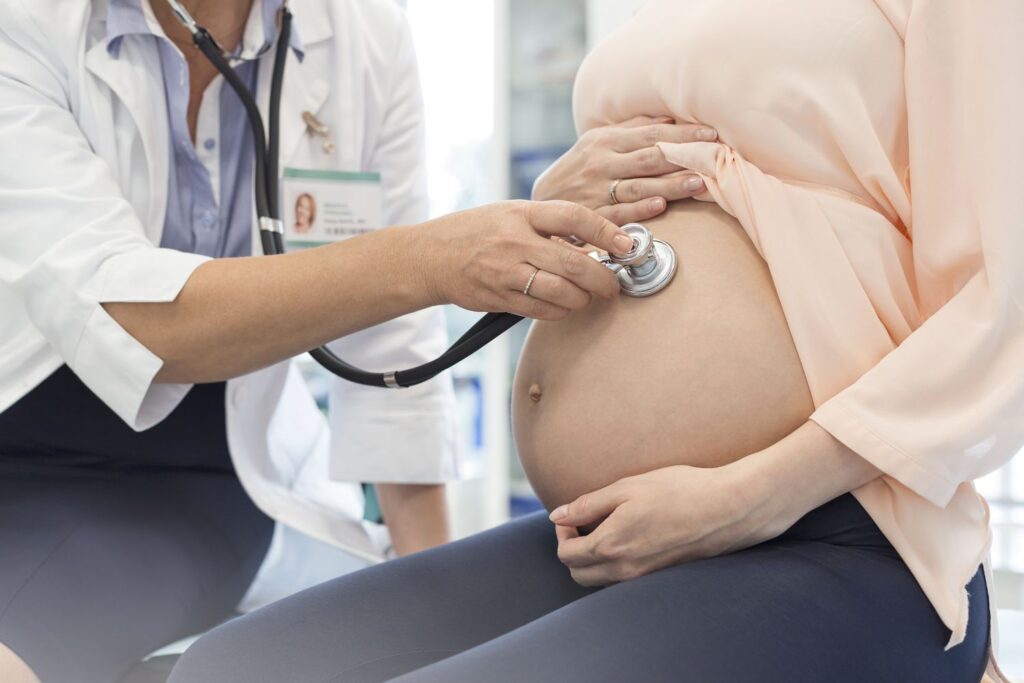
People in Visakhapatnam seeking women’s healthcare often consult qualified specialists to navigate the early stages of pregnancy. Clinics in areas such as Madhurawada, MVP Colony, and Dwaraka Nagar provide access to diagnosis and treatment. Facilities like Vedanta Speciality Clinics are among those offering structured care for such conditions, providing residents of Vizag with the clinical expertise needed for early pregnancy confirmation and prenatal planning.
4. FAQ SECTION
Can early pregnancy symptoms feel like PMS?
Yes, many symptoms like bloating, breast tenderness, and mood swings overlap significantly with PMS. The primary difference is the duration and the specific nature of the symptoms, such as implantation spotting being much lighter than a period. A specialist can perform a quantitative blood test to distinguish between the two.
How soon after conception do symptoms begin?
Some women report feeling changes as early as a few days after implantation, which occurs roughly a week after conception. However, most physiological symptoms, such as nausea or frequent urination, typically manifest around the fourth to sixth week of pregnancy as hCG levels climb significantly.
Why do I feel out of breath so early in pregnancy?
Shortness of breath can occur early because the body requires more oxygen and is adjusting to an increase in progesterone, which acts as a respiratory stimulant. If you find yourself winded after light activity, it may be your body’s early response to the increased metabolic demands of gestation.
Is it possible to have no symptoms at all?
Absolutely. A significant percentage of women experience few to no presumptive symptoms in the first few weeks. The absence of nausea or fatigue does not indicate an unhealthy pregnancy. Conversely, having intense symptoms is not a guarantee of pregnancy; only a clinical test can provide confirmation.
What is pregnancy rhinitis?
Pregnancy rhinitis is a condition characterized by nasal congestion or a “stuffy nose” caused by increased blood flow and hormonal changes that swell the nasal passages. It is often ignored or mistaken for a cold, but it is a documented physiological response to early-stage pregnancy.
Does frequent urination start immediately?
Frequent urination often starts before a missed period. As blood volume increases, the kidneys must process extra fluid, which ends up in the bladder. Later in pregnancy, this is caused by physical pressure from the uterus, but early on, it is entirely hormonal.

5. CONCLUSION
Recognizing early pregnancy symptoms requires a high degree of body literacy. While many of these signs—from digestive shifts to nasal congestion—are easily dismissed, they represent the body’s first steps in a complex biological journey. Early awareness allows for the best possible start to prenatal care. Seeking guidance from an experienced women’s healthcare specialist can help ensure proper diagnosis and personalized care.


Leave a Comment