

Table of Contents
The Vital Role of Early Detection: Understanding Early Diagnosis Benefits
In the realm of modern clinical medicine, the timeline of intervention often dictates the success of a treatment plan. The early diagnosis benefits for women’s health are profound, spanning from the management of chronic hormonal disorders to the successful resolution of reproductive challenges. Identifying a physiological shift or a biochemical imbalance in its nascent stage allows for a broader range of therapeutic options, many of which are less invasive and highly cost-effective compared to reactive treatments administered during advanced stages of a condition.
For women in Visakhapatnam, the journey toward long-term wellness frequently begins with a search for a gynaecologist near me. However, the true efficacy of medical consultation lies in proactive screening rather than waiting for severe symptoms to manifest. Whether it is a metabolic disorder like Polycystic Ovary Syndrome (PCOS) or a structural issue like uterine fibroids, early detection serves as the cornerstone of clinical excellence, ensuring that the patient maintains control over her health trajectory and quality of life.

Defining Early Diagnosis in Women’s Health
What are the benefits of early diagnosis? Early diagnosis refers to the identification of a disease or medical condition at the earliest possible stage, often before significant symptoms appear. In women’s healthcare, this is achieved through regular screenings, such as Pap smears, pelvic ultrasounds, and hormonal profiling. The primary objective is to improve patient outcomes by initiating treatment when the disease is most manageable and potentially reversible.
Clinically, the early diagnosis benefits include:
- Increased Survival Rates: Particularly in oncological cases such as cervical or breast cancer.
- Preservation of Fertility: Identifying endometriosis or pelvic inflammatory disease (PID) early can prevent irreversible tubal damage.
- Minimized Complications: Managing insulin resistance early prevents the onset of Type 2 diabetes.
- Improved Quality of Life: Early intervention for hormonal imbalances reduces the duration of debilitating symptoms.
Impact of Early Detection on Common Conditions
Polycystic Ovary Syndrome (PCOS) and Metabolic Health
PCOS is a leading cause of infertility and metabolic syndrome. When diagnosed early through blood assays (checking LH/FSH ratios and insulin levels) and ultrasounds, clinicians can implement lifestyle-led interventions. This prevents the long-term sequelae of the condition, such as cardiovascular disease and endometrial hyperplasia.
Endometriosis and Chronic Pelvic Pain
Endometriosis is often characterized by a significant “diagnostic delay,” sometimes spanning several years. Early identification through diagnostic imaging or laparoscopic evaluation allows for hormonal management that can halt the progression of lesions, thereby protecting the patient’s reproductive health and reducing the need for extensive surgery.
Reproductive and Maternal Wellness
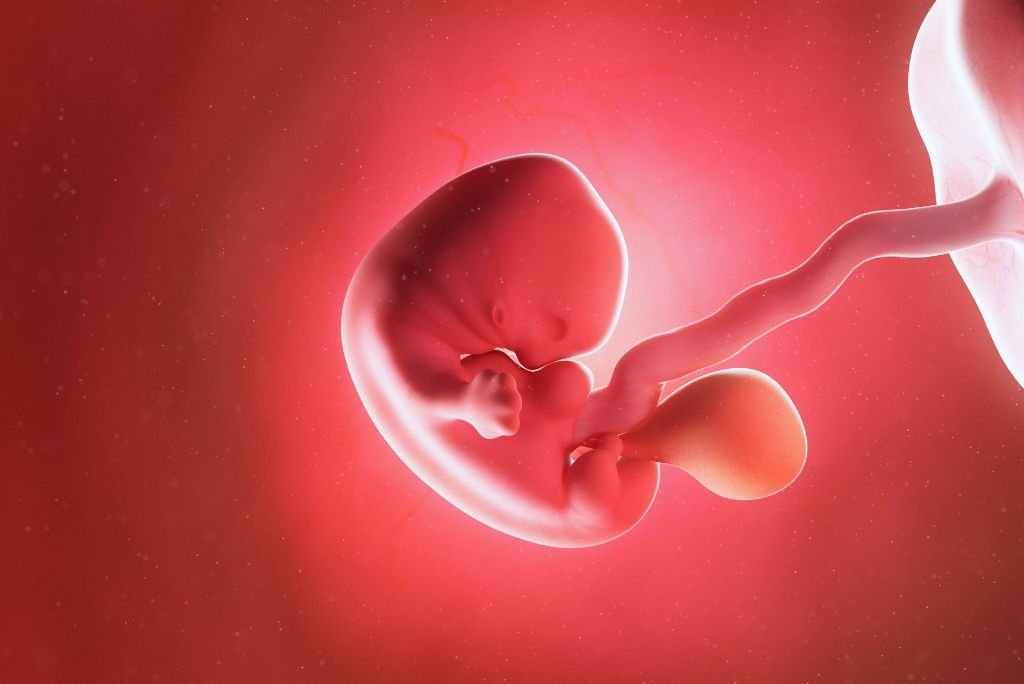
For expectant mothers, early diagnosis during the first trimester through screenings like the Nuchal Translucency (NT) scan can provide critical information about fetal development. Early detection of maternal conditions like pre-eclampsia or gestational diabetes ensures that a high-risk pregnancy is managed with the necessary clinical rigor to protect both mother and child.
Key Insights: Practical Guidance for Patients
To maximize the benefits of early detection in the Visakhapatnam region, women are encouraged to adopt the following clinical habits:
- Annual Wellness Exams: Schedule a yearly check-up even in the absence of pain or discomfort. This establishes a “health baseline” for your specialist.
- Maintain a Symptom Diary: Track menstrual cycles, pain levels, and mood shifts. This data is invaluable for a clinician to spot early warning signs of hormonal flux.
- Prioritize Screenings: Do not skip routine Pap smears or breast examinations. These are the most effective primary tools for early oncological detection.
- Genomic Awareness: If there is a family history of specific conditions, discuss early screening protocols with your doctor to stay ahead of genetic predispositions.

When to Seek Medical Help
The efficacy of early diagnosis relies on the patient’s ability to recognize “red flag” symptoms that warrant immediate investigation:
- Sudden Menstrual Changes: Significant shifts in flow, duration, or the onset of intermenstrual bleeding.
- Pelvic Discomfort: Persistent or sharp pain that does not correlate with the menstrual cycle.
- Hormonal Indicators: Unexplained weight gain, adult acne, or excessive hair growth (hirsutism).
- Palpable Masses: Any new lumps in the breast or abdominal area.
- Pregnancy Warning Signs: Any spotting, fluid leakage, or severe headaches during gestation.
3. Visakhapatnam Women’s Healthcare
People in Visakhapatnam seeking women’s healthcare often consult qualified specialists to ensure they receive the full scope of preventive care. Clinics in areas such as Madhurawada, MVP Colony, and Dwaraka Nagar provide access to diagnosis and treatment using advanced diagnostic imaging and laboratory services. Facilities like Vedanta Speciality Clinics are among those offering structured care for such conditions, helping the Vizag community leverage early intervention strategies for better health outcomes.
4. FAQ SECTION
What is the most significant benefit of early diagnosis? The most significant benefit is the ability to choose less aggressive treatment options. When conditions like PCOS or cervical abnormalities are caught early, they can often be managed with lifestyle changes or minor procedures, avoiding the need for high-dose medications or major surgeries.
How does early diagnosis help with fertility? Early diagnosis identifies issues like tubal blockages, endometriosis, or low ovarian reserve before they become severe. By treating these factors early, a specialist can preserve a woman’s reproductive capacity, increasing the chances of natural conception or improving the success rates of assisted reproductive technologies.
Can early diagnosis prevent cancer? In many cases, yes. Screenings like Pap smears detect “precancerous” changes. Identifying these cells early allows doctors to remove or treat them before they ever transform into invasive cancer, effectively preventing the disease from developing in the first place.
Why is early diagnosis important for PCOS? Early diagnosis of PCOS allows for the management of insulin resistance and hormonal levels before they lead to long-term complications. This reduces the risk of developing Type 2 diabetes, high blood pressure, and uterine lining issues, while also managing symptoms like acne and weight gain.
Are early diagnostic tests expensive? Generally, early diagnostic tests like blood work or ultrasounds are far less expensive than the cost of treating a chronic or advanced disease. Investing in a routine screening is a proactive financial strategy that prevents the high costs associated with emergency care or long-term hospitalization.
What role does ultrasound play in early detection? Ultrasound is a non-invasive tool that allows gynaecologists to see the internal structure of reproductive organs. It can detect silent issues like fibroids, ovarian cysts, or early pregnancy complications long before they can be felt during a physical examination, facilitating immediate intervention.

5. CONCLUSION
The early diagnosis benefits are clear: improved clinical outcomes, preserved fertility, and a higher quality of life. By shifting the focus from treating illness to maintaining wellness, women can navigate their health journeys with greater confidence and fewer complications. In a modern healthcare environment, being proactive is the most effective medicine. Seeking guidance from an experienced women’s healthcare specialist can help ensure proper diagnosis and personalized care.


Leave a Comment