

Table of Contents
How to Prepare for a Women’s Health Visit: A Comprehensive Clinical Checklist
A women’s health consultation is a pivotal moment for preventive care, diagnostic clarity, and reproductive wellness. However, the efficacy of this medical encounter often depends on how well a patient is equipped to provide and receive information. Learning how to prepare for a women’s health visit can significantly enhance the clinical outcome, ensuring that your specialist has a clear data set to evaluate conditions such as hormonal imbalances, menstrual irregularities, or fertility concerns.
For many in Visakhapatnam, the process begins by identifying a gynaecologist near me who offers specialized expertise in areas like PCOS management or maternal health. Being prepared allows you to navigate the appointment with confidence, transforming it from a routine check-up into a collaborative health strategy. This guide outlines the essential steps to take before stepping into the clinic, focusing on medical documentation, symptom tracking, and physiological preparations.

Understanding the Purpose of Preparation
What should you do before a women’s health appointment? Proper preparation involves gathering your medical history, tracking your menstrual cycle, and listing specific symptoms or concerns. Clinically, this “patient-provided data” is the foundation for a differential diagnosis. By arriving prepared, you minimize the risk of omitting vital information that could influence a treatment plan or the necessity of diagnostic imaging like ultrasounds.
Key preparatory steps include:
- Menstrual Tracking: Recording the start date, duration, and flow intensity of your last three cycles.
- Symptom Documentation: Noting when pain, bloating, or skin changes occur in relation to your cycle.
- Medical Records: Organizing previous blood reports, ultrasound scans, and surgical history.
- Physiological Readiness: Understanding when to fast for certain blood tests or have a full bladder for specific scans.
The Foundations of Clinical Readiness
Comprehensive Medical and Family History
Your genetic and medical background provides context for your current health status. Specialists in Vizag will often inquire about family histories of Type 2 diabetes, breast cancer, or thyroid disorders. Documenting your own surgical history, particularly pelvic or abdominal procedures, and listing all current medications (including herbal supplements) is critical. This ensures that any prescribed treatments do not have adverse drug interactions.
Menstrual and Reproductive Data
The menstrual cycle is often considered the “fifth vital sign” in women’s healthcare. If you are experiencing irregularities, record specifics:
- Consistency: Are cycles predictable or erratic?
- Flow: Do you experience heavy bleeding (menorrhagia) requiring frequent pad changes?
- Intermenstrual Spotting: Note any bleeding between periods.
- Associated Symptoms: Track the severity of cramps (dysmenorrhea) or premenstrual syndrome (PMS).
Diagnostic and Imaging Readiness
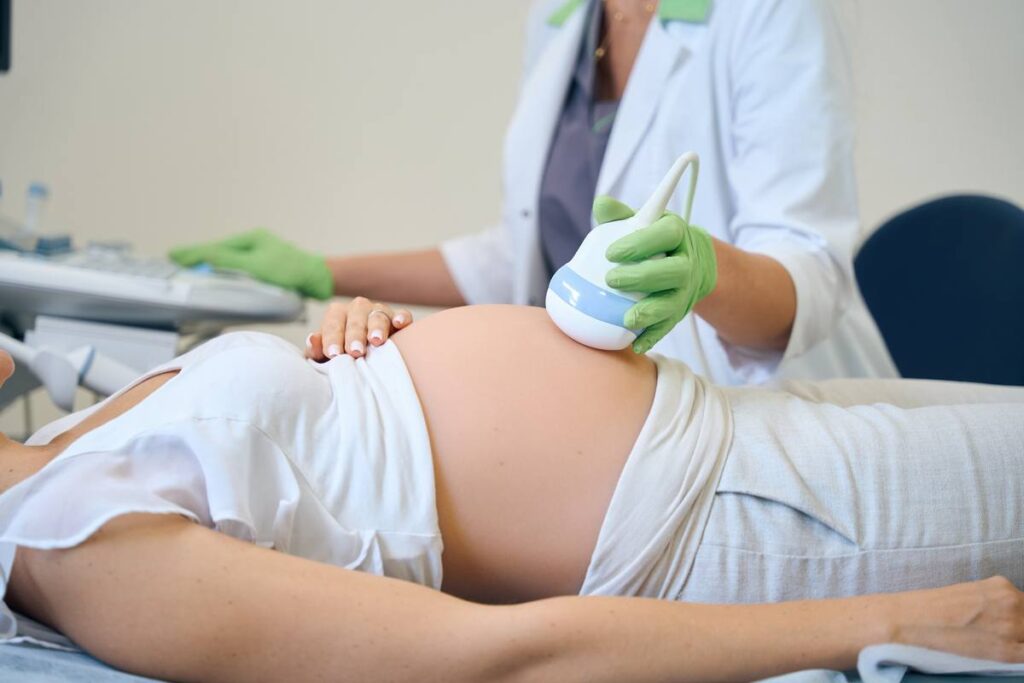
If your visit is intended to investigate pelvic pain or infertility, your specialist may perform a transvaginal or abdominal ultrasound. Depending on the clinical requirement, you may be asked to arrive with a full bladder or, conversely, to empty it just before the scan. Additionally, if you expect a Pap smear or high-vaginal swab, it is clinically recommended to avoid intercourse or the use of vaginal creams for 24–48 hours prior to the appointment for sample clarity.
Key Insights: Practical Guidance for Your Visit
To optimize your consultation in Visakhapatnam, follow these practical steps:
- Use Technology: Utilize cycle-tracking apps to provide accurate dates rather than relying on memory.
- Prioritize Your Concerns: Create a “top three” list of questions. Whether it’s about adult acne (potentially related to PCOS), contraception, or fertility windows, ensure your primary concerns are addressed first.
- Dress for Comfort: Wear a two-piece outfit (like a top and trousers/skirt) to make the physical examination process easier.
- Bring a Partner or Friend: If you are discussing complex issues like fertility or surgical options, having a support person can help in retaining information.
- Be Honest: Clinical accuracy depends on transparency regarding sexual health, lifestyle habits, and mental well-being.
When to Seek Medical Help
While preparation is key for routine visits, certain acute symptoms require immediate medical attention, often bypassing standard preparatory timelines:
- Severe, Sharp Pelvic Pain: Which could indicate an ovarian cyst rupture or ectopic pregnancy.
- Heavy, Uncontrolled Bleeding: Soaking through one or more pads per hour.
- Fever and Pelvic Tenderness: Possible indicators of pelvic inflammatory disease (PID).
- Sudden Pregnancy Complications: Such as fluid leakage, decreased fetal movement, or blurred vision.
- Post-Menopausal Bleeding: Any spotting that occurs after twelve months of amenorrhea (no periods).
3. Women’s Healthcare Visakhapatnam
People in Visakhapatnam seeking women’s healthcare often consult qualified specialists to address complex reproductive and metabolic concerns. Clinics in areas such as Madhurawada, MVP Colony, and Dwaraka Nagar provide access to diagnosis and treatment through state-of-the-art diagnostic imaging and laboratory services. Facilities like Vedanta Speciality Clinics are among those offering structured care for such conditions, ensuring that residents in the Vizag metropolitan area receive evidence-based, personalized medical attention.
4. FAQ SECTION
Should I cancel my women’s health visit if I start my period? In most cases, no. While certain tests like a Pap smear or an HSG are clearer when you are not menstruating, a specialist can still perform a consultation, review your history, and conduct a physical exam. If you are experiencing heavy or painful periods, seeing the doctor during your cycle can actually provide valuable clinical insight.
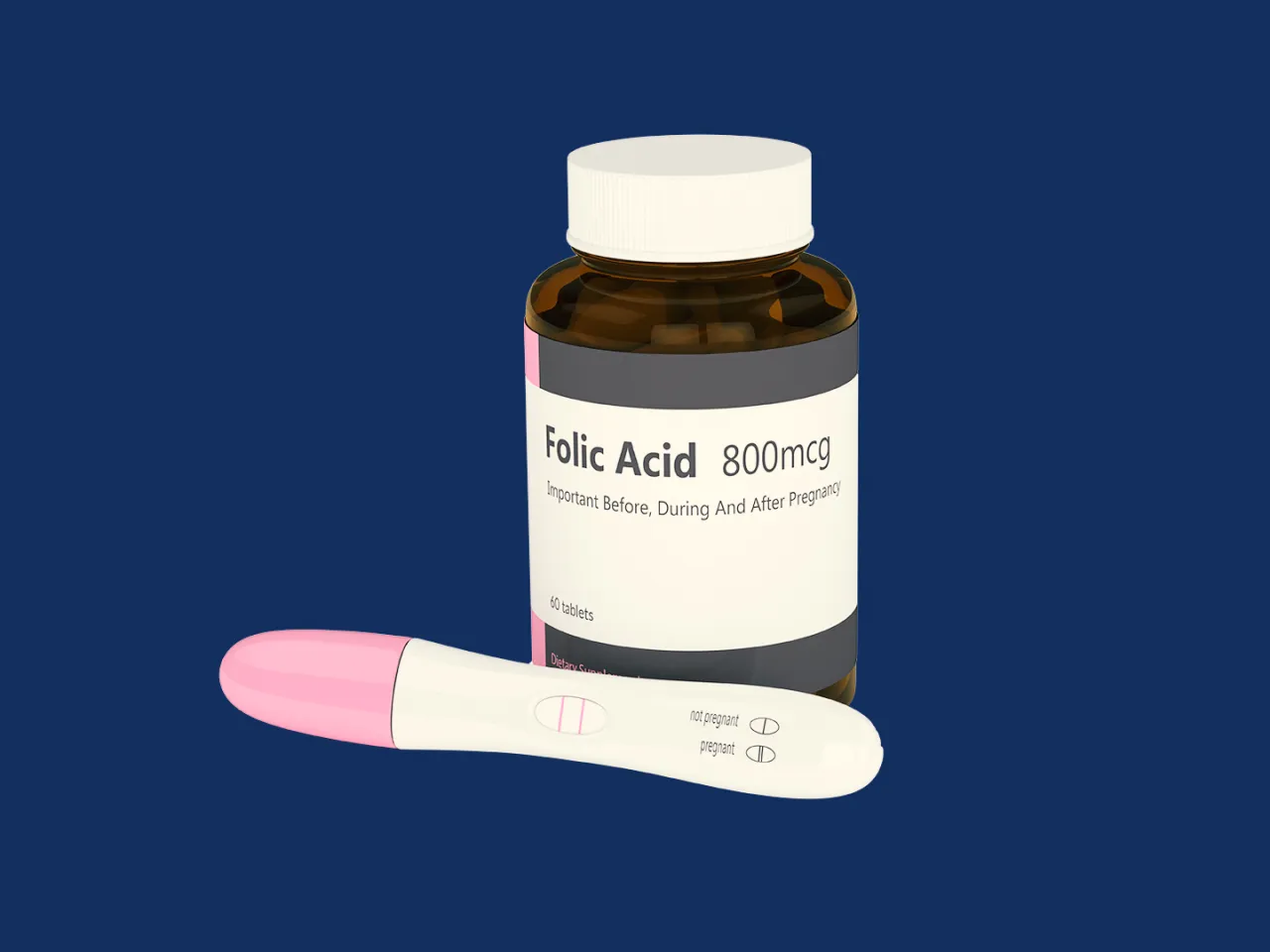
What information about my medications should I bring? You should bring a complete list of all prescriptions, over-the-counter drugs, and supplements (like Biotin, Iron, or Folic Acid). Include the dosage and frequency. This is vital because certain supplements can interfere with hormonal blood test results, and some medications may impact menstrual regularity.
How do I prepare for a pelvic ultrasound during the visit? Preparation depends on the type of scan. For a transabdominal ultrasound, you generally need a full bladder to lift the intestines away from the uterus. For a transvaginal ultrasound, an empty bladder is preferred. It is best to check with the clinic in Vizag beforehand for specific instructions.
Can I eat before my women’s health appointment? For a standard gynecological consultation, you do not need to fast. However, if your specialist plans to conduct blood tests for insulin resistance, cholesterol, or certain hormonal panels (like a fasting glucose test), you may be required to fast for 8–12 hours.
Is it okay to have intercourse before my appointment? Clinical guidelines suggest avoiding sexual intercourse for 24 to 48 hours before a visit if you are scheduled for a Pap smear or a pelvic exam. Semen or spermicides can interfere with the accuracy of the cell samples collected from the cervix and may mask certain types of discharge.
What questions should I ask my gynaecologist during the visit? Consider asking: “Are my periods within the normal range for flow and pain?”, “Do my symptoms suggest a hormonal imbalance like PCOS?”, “What screenings am I due for based on my age?”, and “How do my lifestyle habits affect my reproductive health?”
5. CONCLUSION
Knowing how to prepare for a women’s health visit is a proactive step toward better health outcomes. By arriving with organized medical records, a clear history of symptoms, and a prioritized list of concerns, you enable your specialist to provide a more accurate and efficient diagnosis. In Visakhapatnam, where high-quality clinical care is readily available, your preparation bridges the gap between general care and personalized wellness. Seeking guidance from an experienced women’s healthcare specialist can help ensure proper diagnosis and personalized care.



Leave a Comment