
Table of Contents
Safe Workouts During Pregnancy: Clinical Guidelines for Maternal Fitness
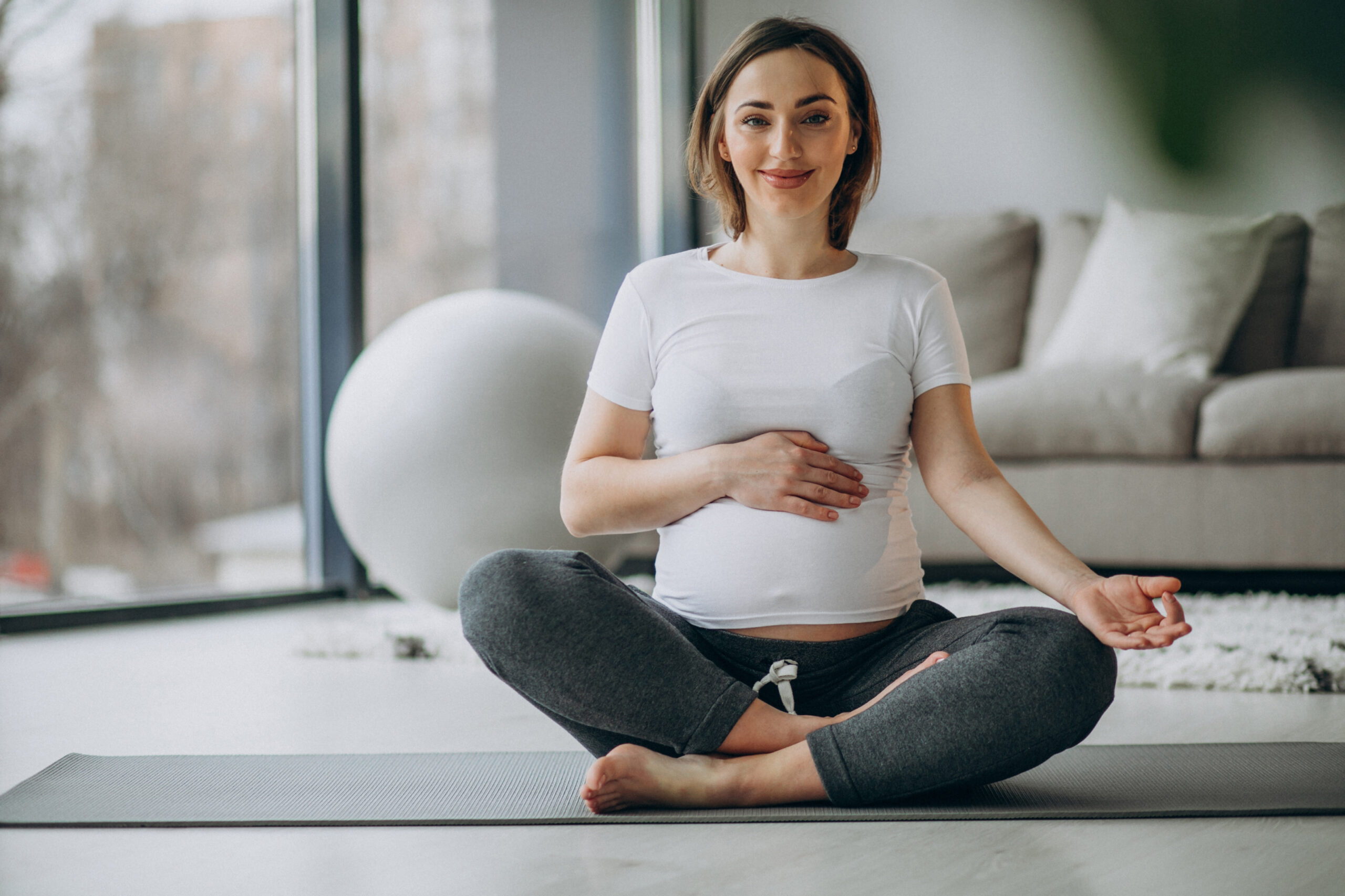
Maintaining physical activity during gestation is no longer viewed as merely optional; it is a clinical recommendation for a healthy pregnancy. Engaging in safe workouts during pregnancy offers a multitude of physiological benefits, including improved cardiovascular function, reduced risk of gestational diabetes, and better management of pregnancy-related back pain. However, as the body undergoes significant anatomical and hormonal shifts—such as increased joint laxity due to the hormone relaxin—exercise protocols must be adapted to ensure both maternal and fetal safety.
For many women in Visakhapatnam, the journey toward a fit pregnancy begins with an essential search for a gynaecologist near me to establish baseline health. In a coastal urban environment like Vizag, where humidity and temperature can impact exertion levels, understanding how to monitor intensity and choose appropriate modalities is vital. This guide provides a medical framework for staying active while respecting the biological boundaries of pregnancy.
Definition and Overview of Prenatal Exercise
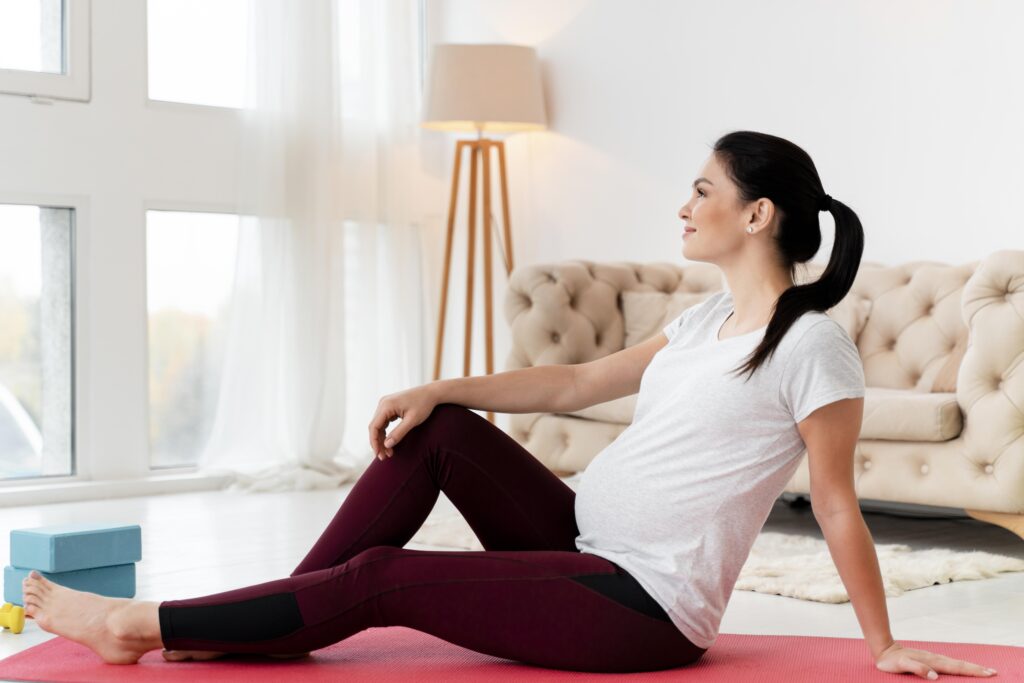
What are safe workouts during pregnancy? Clinically, safe prenatal exercise refers to moderate-intensity physical activity that does not cause overexertion, abdominal trauma, or fetal distress. The American College of Obstetricians and Gynecologists (ACOG) generally recommends at least 150 minutes of moderate-intensity aerobic activity per week for healthy pregnant women.
Key objectives of prenatal fitness include:
- Pelvic Floor Strength: Preparing the muscles for labor and preventing postpartum incontinence.
- Core Stability: Supporting the spine as the center of gravity shifts forward.
- Glycemic Control: Enhancing insulin sensitivity to prevent metabolic complications.
- Mental Health: Utilizing movement to regulate mood and reduce prenatal anxiety.
Physiological Adaptations and Exercise Modifications
Cardiovascular and Respiratory Changes
During pregnancy, blood volume increases by nearly 50%, and the heart rate naturally rises. This means the body has less “reserve” for high-intensity exercise. Safe workouts should focus on a “moderate” level—where you can still carry on a conversation while moving.
Structural Shifts and Joint Laxity
The hormone relaxin softens ligaments to prepare the pelvis for birth. While necessary, this increase in laxity makes joints more prone to injury. Expectant mothers should avoid high-impact jumping or sudden changes in direction (ballistic movements) that could lead to sprains or falls.
Temperature Regulation and Hydration
The fetus cannot dissipate heat as effectively as an adult. In the warm climate of Visakhapatnam, it is critical to exercise in well-ventilated areas and stay hydrated to prevent maternal hyperthermia, particularly during the first trimester when fetal organogenesis is most sensitive.
Key Insights: Practical Guidance for Each Trimester
To ensure a safe and effective fitness routine in the Vizag region, follow these evidence-based guidelines:
- Low-Impact Aerobics: Brisk walking, swimming, and stationary cycling are excellent for maintaining heart health without stressing the joints.
- Modified Strength Training: Use lighter weights with higher repetitions. Avoid the Valsalva maneuver (holding your breath while lifting), as it can cause dangerous spikes in blood pressure.
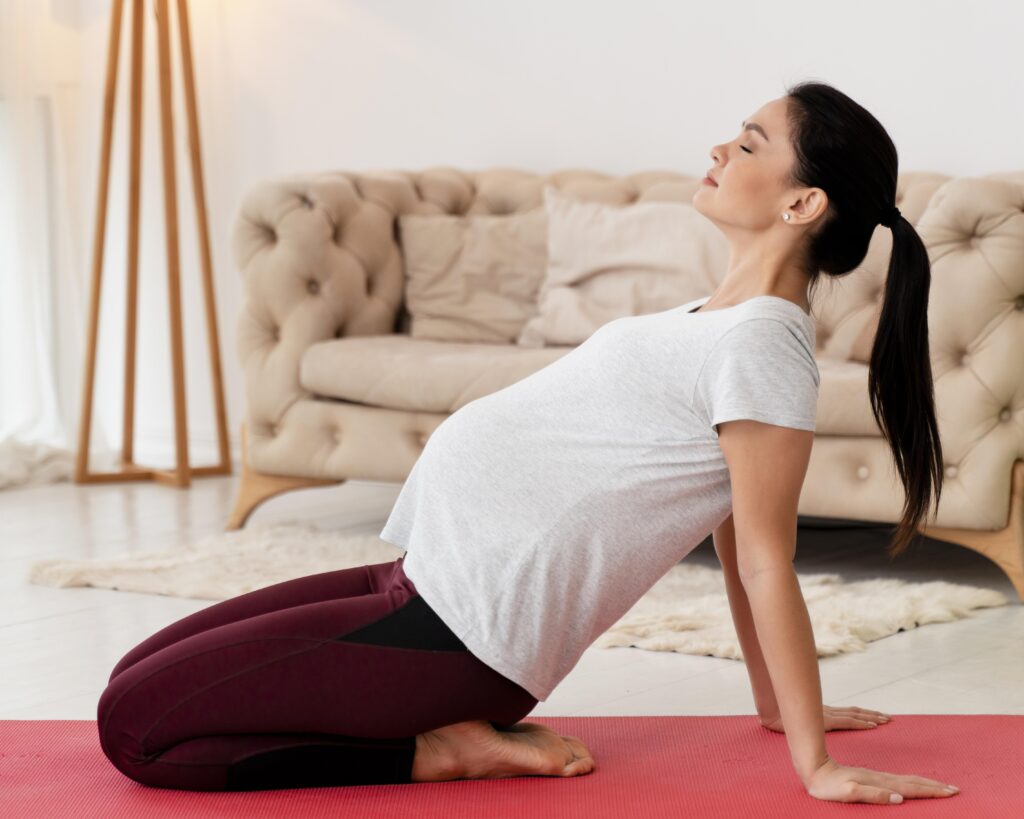
- Prenatal Yoga and Pilates: These focus on breathing and pelvic alignment. Avoid “Hot Yoga” and deep abdominal twists that compress the midsection.
- The “Talk Test”: Always use the talk test to monitor intensity. If you are too breathless to speak, you are pushing too hard.
- Avoid the Supine Position: After the first trimester, avoid exercising while lying flat on your back, as the weight of the uterus can compress the vena cava, reducing blood flow to the heart and fetus.
When to Seek Medical Help
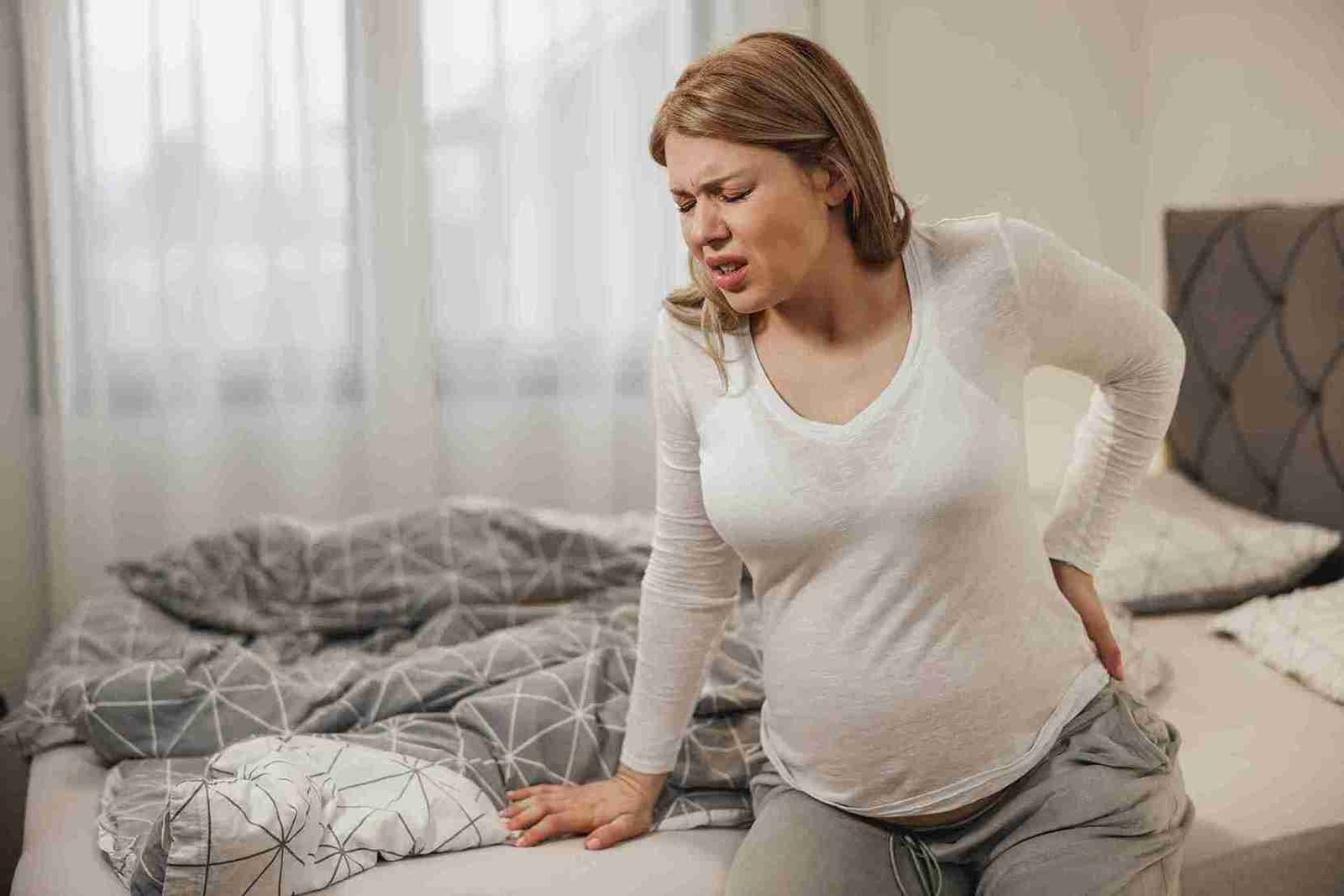
While exercise is generally safe, it must be cleared by a medical professional. Stop exercising immediately and consult a specialist if you experience:
- Vaginal Bleeding: Any spotting or leakage of fluid.
- Dizziness or Faintness: Feeling lightheaded during or after exertion.
- Chest Pain: Or severe, persistent headaches.
- Calf Pain or Swelling: Which could indicate a blood clot (DVT).
- Decreased Fetal Movement: If the baby is moving less than usual after exercise.
- Regular, Painful Contractions: Suggestive of preterm labor.
3. women’s healthcare Madhurawada
People in Visakhapatnam seeking women’s healthcare often consult qualified specialists to ensure their exercise routines are appropriate for their specific health profile. Clinics in areas such as Madhurawada, MVP Colony, and Dwaraka Nagar provide access to diagnosis and treatment, including prenatal screenings and physical therapy. Facilities like Vedanta Speciality Clinics are among those offering structured care for such conditions, helping mothers in Vizag stay active through every stage of their pregnancy journey.
4. FAQ SECTION
Is it safe to start a new exercise routine during pregnancy?
If you were not active before pregnancy, you can still start a routine, but it must be low-impact. Begin with 10–15 minutes of brisk walking and gradually increase the duration. Always consult your gynaecologist before starting a new program to ensure there are no underlying contraindications.
Can I continue running while pregnant?
Yes, if you were a runner before pregnancy, you can usually continue. However, as your pregnancy progresses, you may need to reduce your pace and mileage. Listen to your body and watch for signs of joint pain or pelvic pressure, and ensure you have supportive footwear.
What exercises should I avoid during the third trimester?
In the third trimester, avoid exercises that require balance (like outdoor cycling), contact sports, and movements that involve lying flat on your back. Focus on pelvic floor exercises, gentle stretching, and walking, as your center of gravity will have shifted significantly, increasing the risk of falls.
How does exercise benefit the baby during pregnancy?
Research suggests that babies of active mothers may have slightly lower heart rates and better cardiovascular health at birth. Exercise also helps regulate maternal weight gain and blood sugar levels, which can reduce the risk of the baby being born excessively large (macrosomia).
How soon after delivery can I return to exercise?
Recovery varies for everyone. Those with a healthy vaginal delivery can often start light walking within days. However, those who had a C-section or complications should wait for their 6-week postpartum check-up. Always get clinical clearance before resuming core-heavy or high-impact workouts.
Can safe workouts during pregnancy prevent gestational diabetes?
Yes, regular physical activity is one of the most effective ways to improve insulin sensitivity. By helping the body process glucose more efficiently, safe workouts can significantly lower the risk of developing gestational diabetes or help manage it if already diagnosed.
5. CONCLUSION + SOFT CTA
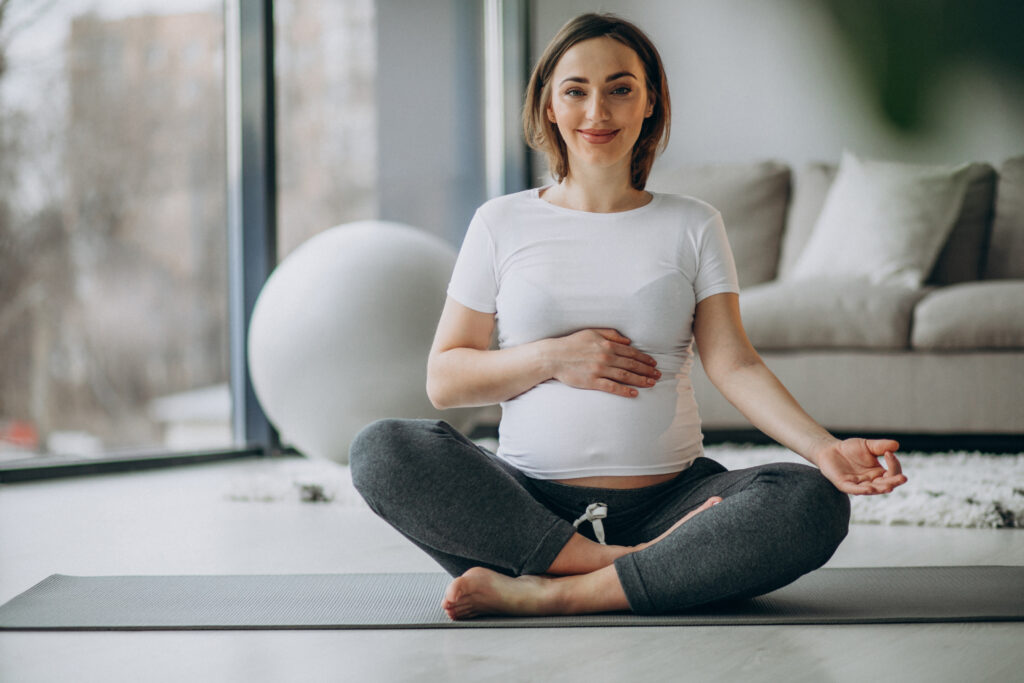
In summary, safe workouts during pregnancy are an essential component of a proactive maternal healthcare plan. By focusing on moderate intensity, joint stability, and consistent hydration, you can support your body through the rigors of gestation and prepare for a smoother labor and recovery. In Visakhapatnam, balancing your fitness goals with professional medical advice is the key to a healthy pregnancy. Seeking guidance from an experienced women’s healthcare specialist can help ensure proper diagnosis and personalized care.


Leave a Comment