

Table of Contents
Stress and Fertility Connection: Understanding the Biological Impact
The relationship between psychological well-being and reproductive success is a subject of significant clinical research. While the phrase “just relax” is often unhelpful and oversimplified, the stress and fertility connection is a documented physiological reality. Stress triggers a complex biochemical cascade that can alter the delicate hormonal balance required for conception. Understanding how the mind and body communicate through the endocrine system is essential for anyone navigating the challenges of starting a family.
For residents in Visakhapatnam, the pressures of a growing urban environment can contribute to chronic “lifestyle stress.” Many individuals begin their journey toward clarity by searching for a gynaecologist near me to rule out structural issues, only to find that their stress levels are a significant piece of the puzzle. This guide examines the neuroendocrine pathways that link chronic stress to reproductive function and offers evidence-based strategies for mitigation.

Overview of the Stress-Reproductive Axis
How does stress affect fertility? The core of the connection lies in the Hypothalamic-Pituitary-Adrenal (HPA) axis and the Hypothalamic-Pituitary-Ovarian (HPO) axis. When the brain perceives a threat (physical or emotional), it prioritizes survival over reproduction. This causes the hypothalamus to stimulate the release of cortisol and adrenaline, which can subsequently suppress the release of Gonadotropin-Releasing Hormone (GnRH).
Key biological impacts of stress on fertility include:
- Disruption of Ovulation: Suppressed GnRH can lead to delayed or absent ovulation.
- Altered Luteal Phase: Stress can lower progesterone levels, potentially affecting embryo implantation.
- Fallopian Tube Function: High adrenaline can cause spasms in the fallopian tubes, hindering the passage of the egg.
- Impact on Male Fertility: In men, chronic stress can lower testosterone levels and negatively affect sperm concentration and motility.
The Role of Cortisol in Reproductive Suppression
The “Fight or Flight” Trade-off
In an evolutionary context, the body is designed to halt non-essential functions during times of danger. Chronic modern stress—such as work pressure or the stress of infertility itself—tricks the body into a state of perpetual “alert.” This results in chronically elevated cortisol, which acts as a biological signal to the ovaries to “downregulate” activity.
Insulin Resistance and Stress
Stress often leads to poor sleep and elevated blood sugar, which increases insulin resistance. For women with conditions like PCOS, this metabolic shift further complicates the hormonal landscape, creating a feedback loop that makes conception more difficult.
Psychological Impact on Lifestyle
Beyond biochemistry, stress influences behavior. High stress levels are often associated with:
- Increased Caffeine and Alcohol Intake: Both of which can negatively impact fertility.
- Reduced Libido: Lowering the frequency of intercourse during the fertile window.
- Sleep Deprivation: Disrupting the circadian rhythms that govern hormone production.
Key Insights: Practical Guidance for Stress Management
To address the stress and fertility connection effectively in the Vizag region, a structured approach to stress reduction is recommended:
- Adopt Mind-Body Techniques: Clinical studies show that practices like Yoga, Mindfulness-Based Stress Reduction (MBSR), and acupuncture can lower systemic cortisol and improve pregnancy rates in ART (Assisted Reproductive Technology) patients.
- The “Time-Out” Strategy: When the stress of tracking ovulation becomes overwhelming, taking a “cycle off” can sometimes reset the HPA axis and improve the uterine environment.
- Nutritional Support: Focus on magnesium-rich foods and B-vitamins, which are depleted during times of high stress and are vital for nervous system health.
- Cognitive Behavioral Therapy (CBT): Working with a counselor to reframe the “fertility journey” can reduce the emotional burden and improve overall wellness.
When to Seek Medical Help
While stress management is vital, it should complement—not replace—clinical investigation. You should consult a women’s healthcare specialist if:
- Cycle Irregularity: Your periods become absent or highly unpredictable during stressful periods.
- Duration of Trying: You are under 35 and have been trying for a year, or over 35 and trying for six months.
- Physical Symptoms: You experience chronic pelvic pain or symptoms of endometriosis/PCOS.
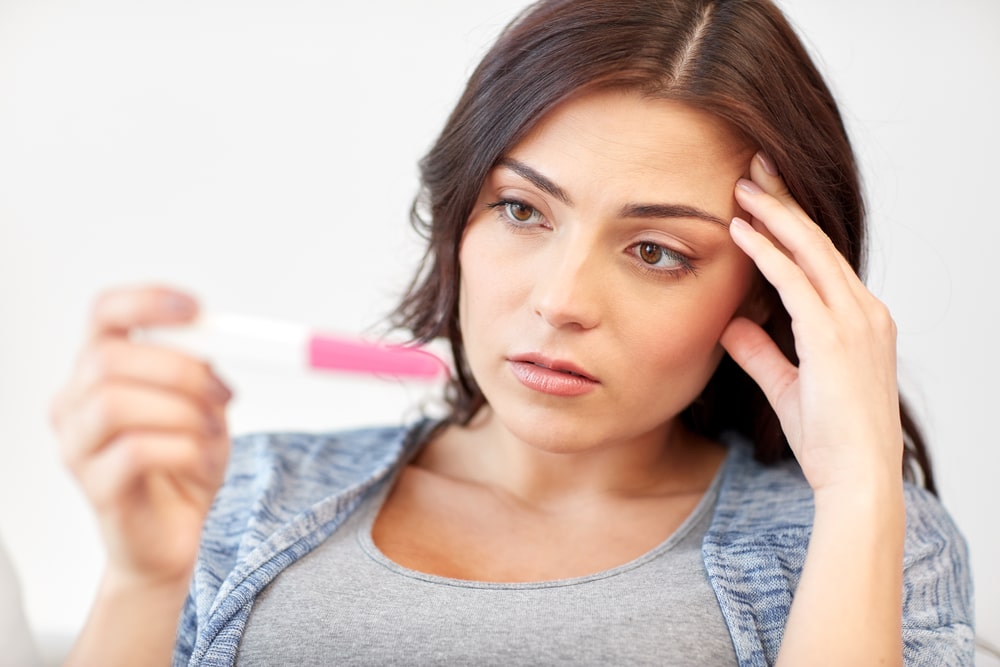
- Severe Distress: Anxiety or depression regarding fertility is significantly impacting your quality of life.
3. Madhurawada women’s healthcare
People in Visakhapatnam seeking women’s healthcare often consult qualified specialists to understand the multifaceted nature of reproductive health. Clinics in areas such as Madhurawada, MVP Colony, and Dwaraka Nagar provide access to diagnosis and treatment, including hormonal profiling and follicular monitoring. Facilities like Vedanta Speciality Clinics are among those offering structured care for such conditions, providing the Vizag community with a supportive environment where the stress and fertility connection is addressed through integrated medical and lifestyle guidance.
4. FAQ SECTION
Can stress alone cause infertility?
While stress is rarely the sole cause of permanent infertility, it can significantly delay conception by disrupting the timing of ovulation or reducing sperm quality. It often acts as a “multiplier,” exacerbating existing minor issues like hormonal imbalances or low sperm count.
How do I know if stress is affecting my ovulation?
Common signs include cycles that suddenly become longer or shorter, increased spotting between periods, or the disappearance of fertile cervical mucus. Tracking your basal body temperature (BBT) can also reveal if stress is causing a delayed or weak ovulation.
Does high cortisol affect egg quality?
Chronic exposure to high cortisol and oxidative stress can theoretically impact the microenvironment of the maturing follicle. While it may not change the genetic makeup of the egg, it can affect the maturation process and the health of the follicular fluid.
Is “infertility stress” different from regular work stress?
Yes. Clinical research categorizes the stress of infertility as comparable to the stress of a cancer diagnosis. It is a unique form of chronic, cyclical grief that specifically targets a person’s sense of identity and future, requiring specialized emotional support.
Can exercise help reduce fertility-related stress?
Moderate exercise like walking or swimming is excellent for reducing cortisol. However, excessive high-intensity training can be perceived by the body as an additional stressor, potentially worsening the HPA axis disruption. Moderation is key when trying to conceive.
Do stress-relief supplements help with fertility?
Supplements like Ashwagandha or L-theanine may help manage stress, but they must be used with caution. Some herbs can interfere with reproductive hormones. Always consult your gynaecologist before adding any stress-relief supplements to your preconception routine.

5. CONCLUSION
In conclusion, the stress and fertility connection highlights the importance of treating the person as a whole, rather than just a set of symptoms. By managing the HPA axis through lifestyle adjustments and psychological support, you create a more receptive environment for pregnancy. In Visakhapatnam, balancing advanced medical diagnostics with stress-reduction techniques offers the most comprehensive path forward. Seeking guidance from an experienced women’s healthcare specialist can help ensure proper diagnosis and personalized care.


Leave a Comment