

Table of Contents
Monthly Women’s Health Checklist: Proactive Steps for Long-Term Wellness
Maintaining optimal health is not a once-a-year event; it is a continuous process of self-awareness and proactive monitoring. A monthly women’s health checklist serves as a clinical framework for identifying subtle physiological shifts before they develop into chronic conditions. By tracking hormonal cycles, physical changes, and mental well-being on a recurring basis, women can bridge the gap between reactive treatment and preventative care.
For women in the diverse urban landscape of Visakhapatnam, balancing professional demands with personal health can be challenging. Often, the search for a gynaecologist near me occurs only when a symptom becomes acute. However, by adopting a structured monthly assessment, you can gather the data necessary for a more accurate diagnosis during clinical consultations. This guide provides an evidence-based approach to the essential markers every woman should monitor every thirty days.

What is a Monthly Women’s Health Checklist?
A monthly women’s health checklist is a systematic self-assessment tool used to track biological rhythms and physical health markers. It primarily focuses on the menstrual cycle, breast health, skin changes, and emotional stability. Monitoring these factors helps in detecting irregularities in the Hypothalamic-Pituitary-Ovarian (HPO) axis and identifying early signs of nutritional deficiencies or hormonal imbalances.
Key components of a monthly health check include:
- Menstrual Tracking: Noting cycle length, flow intensity, and pain levels.
- Skin & Hair Assessment: Checking for hormonal acne or unusual hair thinning.
- Breast Self-Awareness: Feeling for changes in tissue or skin texture.
- Metabolic Markers: Monitoring energy levels, sleep quality, and digestive health.
Understanding the Biological “Why”: Symptoms and Explanations
The Menstrual Cycle as a Vital Sign
Clinicians now view the menstrual cycle as the “fifth vital sign.” A regular cycle indicates that the thyroid, adrenal glands, and ovaries are functioning in harmony. Irregularities—such as cycles shorter than 21 days or longer than 35 days—often serve as early warnings for conditions like PCOS, thyroid dysfunction, or high systemic cortisol.
Hormonal Influence on Physical Health
Hormonal fluctuations throughout the month impact more than just reproduction. For instance, the drop in estrogen before menstruation affects serotonin levels, leading to mood shifts. Similarly, an excess of androgens may manifest as adult acne or hirsutism. A monthly audit allows you to correlate these symptoms with specific phases of your cycle.
Breast Tissue Awareness
While professional screenings are essential, monthly self-awareness helps you understand what is “normal” for your body. Changes in hormones during the luteal phase can cause temporary tenderness or lumpy textures; knowing your monthly pattern reduces anxiety and ensures you notice persistent changes that require clinical investigation.
Key Insights: Your Practical Monthly Checklist
To optimize your health in the Vizag region, integrate these four pillars into your monthly routine:
1. The Cycle Audit
- Record Dates: Use an app or journal to track the first day of bleeding.
- Monitor Flow: Note if you are using more than 5-7 pads/tampons a day, which may indicate menorrhagia.
- Assess Pain: Distinguish between mild cramping and debilitating pain that prevents daily activities.
2. Physical Self-Examination
- Breast Awareness: Perform a self-check 3-5 days after your period ends when breasts are least likely to be swollen.
- Skin Check: Look for new moles or changes in existing ones, especially given the high UV index in coastal Andhra Pradesh.
3. Metabolic & Mood Review
- Sleep Quality: Are you experiencing “progesterone-induced” insomnia in the week before your period?
- Energy Patterns: Note any persistent lethargy that doesn’t resolve with rest, as this may indicate iron-deficiency anemia.
4. Nutritional & Lifestyle Adjustment
- Hydration: Monitor water intake, especially during the humid months in Visakhapatnam.
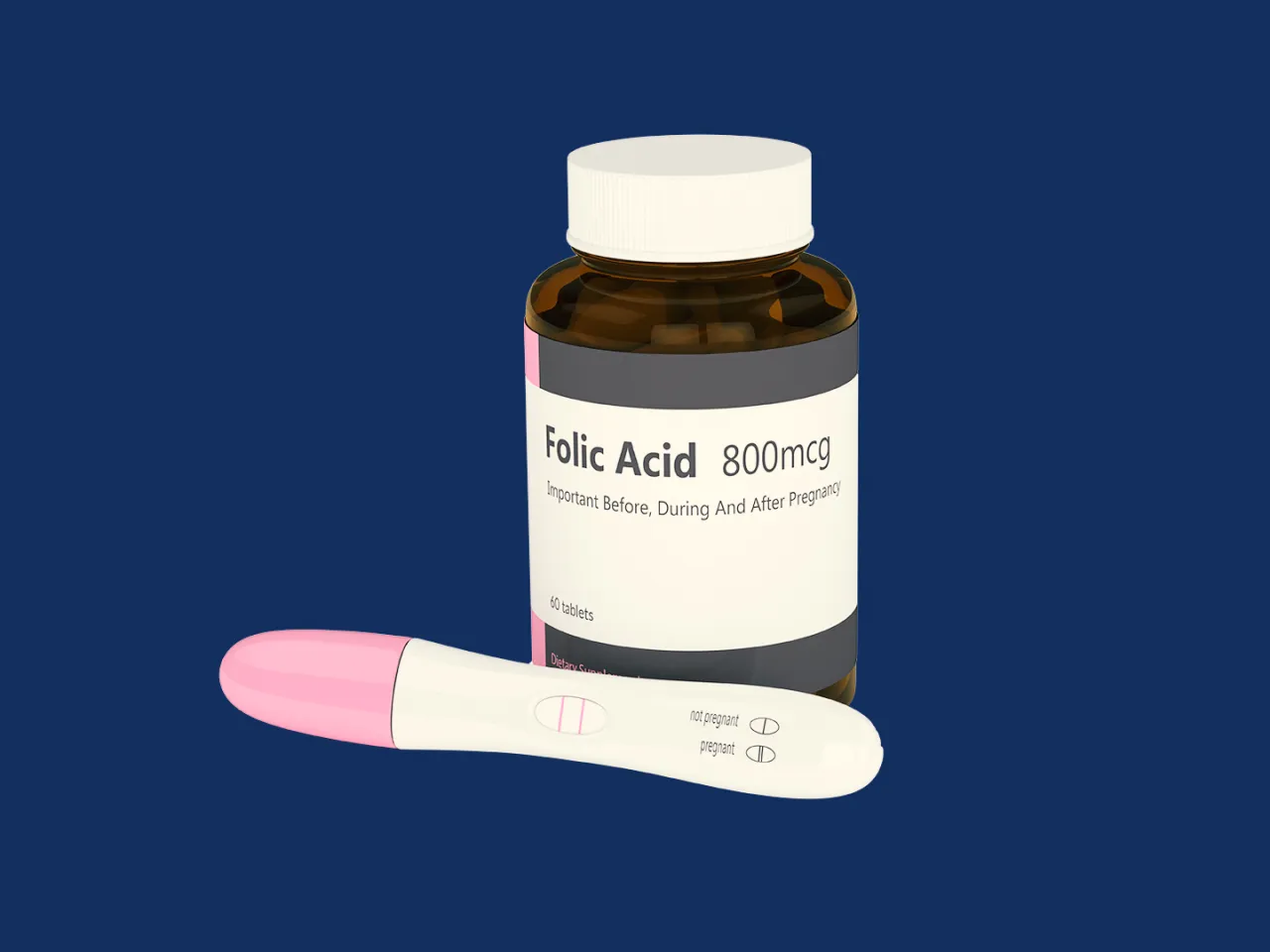
- Supplement Review: Ensure you are consistent with essential nutrients like Vitamin D and Folic Acid if recommended by your specialist.
When to Seek Medical Help
Self-monitoring is a tool for awareness, not a substitute for clinical care. Consult a healthcare specialist if your checklist reveals:
- Sudden Cycle Shifts: Periods that stop entirely or become highly unpredictable for three consecutive months.
- Severe Pelvic Pain: Pain that is not managed by standard over-the-counter remedies.
- Breast Abnormalities: Any persistent lump, nipple discharge, or “orange peel” skin texture.
- Profound Mood Changes: Feelings of hopelessness or anxiety that interfere with your career or relationships.
- Rapid Physical Changes: Sudden weight gain, significant hair loss, or severe adult acne.
3. Madhurawada women’s healthcare
People in Visakhapatnam seeking women’s healthcare often consult qualified specialists to maintain their wellness goals. Clinics in areas such as Madhurawada, MVP Colony, and Dwaraka Nagar provide access to diagnosis and treatment for various hormonal and reproductive concerns. Facilities like Vedanta Speciality Clinics are among those offering structured care for such conditions, providing the Vizag community with comprehensive resources to manage their health proactively.

4. FAQ SECTION
What is the most important part of a monthly health checklist?
The most critical component is tracking your menstrual cycle. Because your period reflects your overall hormonal health, any significant change in cycle length, flow, or pain levels can be an early indicator of underlying issues like PCOS, fibroids, or thyroid imbalances.
When is the best time to do a breast self-check?
The ideal time is 3 to 5 days after your period ends. During this window, your hormone levels are low, and your breast tissue is less likely to be lumpy or tender due to cyclical changes, making it easier to notice any unusual developments.
How can I tell if my period flow is “heavy” or normal?
Clinically, a heavy period (menorrhagia) is defined as losing more than 80ml of blood per cycle, or needing to change a high-absorbency pad every 1-2 hours. If you consistently experience this, it warrants a visit to a specialist in Vizag to check for anemia.
Does stress really affect my monthly health markers?
Yes. High stress increases cortisol, which can suppress the hormones responsible for ovulation. This may lead to a late period, increased PMS symptoms, or even skin breakouts. Monitoring your stress levels alongside your physical symptoms helps identify these patterns.
Should I track my mood as part of my health checklist?
Absolutely. Tracking mood helps identify Premenstrual Dysphoric Disorder (PMDD) or hormonal depression. If you notice a consistent pattern of low mood that resolves as soon as your period starts, it is a significant clinical insight to share with your gynaecologist.
How does sleep impact a woman’s hormonal health?
Sleep is when the body regulates endocrine production. Lack of sleep can disrupt insulin sensitivity and increase ghrelin (the hunger hormone), leading to weight gain and further hormonal disruption. Aiming for 7-9 hours of quality sleep is a vital monthly goal.

5. CONCLUSION
In summary, a monthly women’s health checklist is your first line of defense in maintaining long-term vitality. By taking ten minutes each month to review your cycle, physical changes, and mental state, you become an active partner in your healthcare journey. These small observations provide the evidence your doctor needs to provide personalized, effective care. Seeking guidance from an experienced women’s healthcare specialist can help ensure proper diagnosis and personalized care.



Leave a Comment