

Table of Contents
10 Body Changes After Pregnancy: Understanding Your Postpartum Recovery
Bringing a new life into the world is an extraordinary achievement, but the physical journey does not end when your baby is born. Understanding the key 10 Body Changes After Pregnancy helps you navigate the “fourth trimester” with patience, grace, and confidence.
As your body shifts from nurturing a fetus to recovering and supporting a newborn, experiencing physical, hormonal, and emotional transformations is completely natural.
It is common for new mothers to feel surprised by how different their bodies feel in the weeks following childbirth. From abdominal softness to unexpected hair shedding, these physical shifts are normal physiological steps in maternal recovery.
By understanding what happens inside your body after delivery, you can replace postpartum worry with self-compassion and seek guidance from a qualified lady gynecologist whenever you need support.

What Are Postpartum Body Changes?
Postpartum body changes encompass the anatomical, hormonal, and physiological adjustments a woman experiences during the fourth trimester after childbirth. These include uterine involution, hormone shifts, pelvic floor relaxation, skin pigmentation changes, and fluid rebalancing. Most changes settle naturally within 6 to 12 months with gentle self-care and professional guidance.
                  ┌─────────────────────────────────────────┐
                  │     POSTPARTUM RECOVERY FRAMEWORK       │
                  └────────────────────┬────────────────────┘
                                       │
         ┌─────────────────────────────┼─────────────────────────────┐
         ▼                             ▼                             ▼
┌─────────────────┐           ┌─────────────────┐           ┌─────────────────┐
│ Hormonal Reset  │           │ Tissue Healing  │           │ Structural Realign│
│ Drop in estrogen│ ────────► │ Uterine size &  │ ────────► │ Pelvic floor &  │
│ & progesterone  │           │ wound recovery  │           │ abdominal wall  │
└─────────────────┘           └─────────────────┘           └─────────────────┘
How Common Are Postpartum Body Changes Among Indian Women?
Every single mother undergoes significant physical adaptations after childbirth, making postpartum body shifts universal. According to maternal health data aligned with World Health Organization (WHO) and Federation of Obstetric & Gynaecological Societies of India (FOGSI) guidelines, 100% of women undergo uterine involution and hormonal rebalancing following delivery.
In India, cultural practices like the Jaappa period (a traditional 40-day postpartum confinement and recovery period) historically recognized the need for maternal rest, nutrient-dense foods, and abdominal binding.
Epidemiological studies across South Asia show that over 60% of new mothers experience temporary hair shedding (telogen effluvium), while approximately 30% to 40% experience mild diastasis recti (abdominal muscle separation).
Furthermore, nationwide health surveys highlight that up to 50% of Indian mothers face postpartum iron-deficiency anemia, which can exacerbate physical fatigue. Normalizing these physical shifts helps Indian women embrace postpartum recovery without unrealistic societal pressure.
The 10 Body Changes After Pregnancy You May Notice
┌─────────────────────────────────────────────────────────────────────────────┐
│                 SUMMARY OF 10 POSTPARTUM BODY CHANGES                       │
├──────────────────┬───────────────────────────┬──────────────────────────────┤
│ Body Change      │ Underlying Physiology     │ Expected Timeline            │
├──────────────────┼───────────────────────────┼──────────────────────────────┤
│ 1. Uterine       │ Oxytocin-driven muscle    │ Shrinks from 1kg to 60g over │
│    Involution    │ contractions (afterpains) │ 6 weeks                      │
├──────────────────┼───────────────────────────┼──────────────────────────────┤
│ 2. Lochia        │ Shedding of uterine lining│ Transitions red to white over│
│    Discharge     │ and placental site        │ 4 to 6 weeks                 │
├──────────────────┼───────────────────────────┼──────────────────────────────┤
│ 3. Breast Shifts │ Prolactin surge & milk    │ Engorgement calms over 1-2   │
│    & Engorgement │ production initiation     │ weeks; adjusts with feeding  │
├──────────────────┼───────────────────────────┼──────────────────────────────┤
│ 4. Abdominal     │ Diastasis recti & stretched│ Muscle tone restores over 6-12│
│    Separation    │ fascia                    │ months with targeted care    │
├──────────────────┼───────────────────────────┼──────────────────────────────┤
│ 5. Hair Loss     │ Sudden drop in estrogen   │ Peaks at 3-5 months; resets  │
│    (Shedding)    │ levels post-birth         │ naturally by 12 months       │
├──────────────────┼───────────────────────────┼──────────────────────────────┤
│ 6. Pelvic Floor  │ Muscle stretching during  │ Strengthens over 3-6 months  │
│    Relaxation    │ vaginal descent           │ with Kegel routines          │
├──────────────────┼───────────────────────────┼──────────────────────────────┤
│ 7. Skin & Stretch│ Hyperpigmentation (linea  │ Linea nigra fades; stretch   │
│    Marks         │ nigra) & collagen stretch │ marks lighten to silver-white│
├──────────────────┼───────────────────────────┼──────────────────────────────┤
│ 8. Night Sweats  │ Flushing of excess pregnancy│ Resolves in 2 to 3 weeks as  │
│    & Swelling    │ fluids and hormone drop   │ fluid balances               │
├──────────────────┼───────────────────────────┼──────────────────────────────┤
│ 9. Foot Size &   │ Relaxin hormone softening │ May permanently increase     │
│    Joint Changes │ ligaments and foot arches │ shoe size by half a size     │
├──────────────────┼───────────────────────────┼──────────────────────────────┤
│ 10. Mood Shifts │ Steep progesterone crash &│ "Baby blues" ease in 2 weeks;│
│     & Fatigue    │ sleep deprivation         │ seek help if persistent      │
└──────────────────┴───────────────────────────┴──────────────────────────────┘
1. Uterine Involution (Shrinking of the Womb)
Immediately after delivery, your uterus weighs around 1 kilogram. Driven by oxytocin, it contracts continuously to shrink back to its pre-pregnancy weight of about 60 grams over six weeks. You may notice mild cramps, often called “afterpains,” particularly while breastfeeding.
2. Postpartum Vaginal Discharge (Lochia)
As the uterine lining heals, you will experience a natural discharge called lochia. It starts as bright red blood for the first few days, transitions to pinkish-brown, and eventually turns pale yellow or white before stopping around 4 to 6 weeks postpartum.
3. Breast Changes and Engorgement
Around 2 to 5 days after birth, your body transitions from producing colostrum to mature breast milk. You may notice your breasts becoming firm, warm, and tender. Frequent feeding or gentle pumping eases this transition as supply stabilizes.
4. Abdominal Softness and Diastasis Recti
It is normal to look 5 or 6 months pregnant right after giving birth. The rectus abdominis muscles stretch during pregnancy and can separate along the midline (diastasis recti). Core stability gradually improves with posture awareness and specialized postnatal exercises.
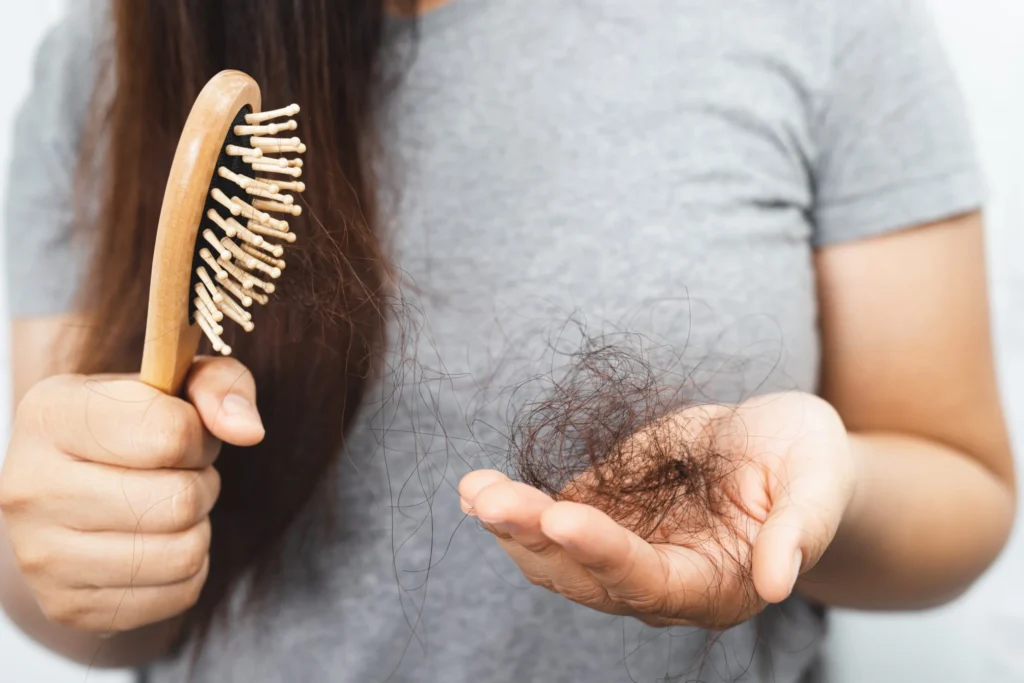
5. Postpartum Hair Loss (Telogen Effluvium)
High estrogen levels during pregnancy keep hair in a continuous growth phase. After delivery, estrogen levels drop, causing accumulated hair to shed simultaneously. This peak shedding usually begins around month 3 and resolves on its own within a year.
6. Pelvic Floor Muscle Relaxation
The pelvic floor muscles supporting your bladder, uterus, and bowel stretch significantly during delivery. You may notice mild stress urinary incontinence when coughing, laughing, or sneezing during the early weeks.
7. Skin Hyperpigmentation and Stretch Marks
Hormonal shifts increase melanin production, creating the dark line down your abdomen (linea nigra) and darker patches on the face (chloasma). These fade gradually post-birth, while pink or purple stretch marks soften into silver-white lines over time.
8. Postpartum Night Sweats and Swelling
Your body retains excess fluid to support pregnancy circulation. During the first two weeks after birth, your body flushes this extra volume through frequent urination and heavy night sweats.
9. Joint Laxity and Foot Size Changes
The hormone relaxin softens joints and ligaments to prepare the pelvis for birth. This effect can cause arches in the feet to flatten slightly, leading to a permanent half-size increase in footwear for some women.
10. Emotional Swings and “Baby Blues”
A steep drop in estrogen and progesterone, combined with newborn care routines, can affect mood. Up to 80% of new mothers experience mild tearfulness or irritability (“baby blues”) during the first two weeks post-delivery.
Causes and Contributing Factors Behind Postpartum Body Shifts
These ten body changes stem from natural physiological processes that adapt your body for recovery and infant care:
┌─────────────────────────────────────────────────────────────────────────────┐
│                 PHYSIOLOGICAL DRIVERS OF POSTPARTUM SHIFTS                  │
├──────────────────────────────┬──────────────────────────────────────────────┤
│ Biological Root Cause        │ Impact on Maternal Physiology                │
├──────────────────────────────┼──────────────────────────────────────────────┤
│ Sudden Hormone Withdrawal    │ Estrogen and progesterone drop rapidly within│
│                              │ 24 hours of placental delivery               │
├──────────────────────────────┼──────────────────────────────────────────────┤
│ Tissue Stretching & Repair   │ Fascia and muscle fibers require collagen    │
│                              │ synthesis to regain pre-birth tone           │
├──────────────────────────────┼──────────────────────────────────────────────┤
│ Metabolic & Fluid Rebalance  │ Circulatory blood volume shrinks back by 30% │
│                              │ through sweating and diuresis                │
├──────────────────────────────┼──────────────────────────────────────────────┤
│ Nutritional Depletion        │ Micronutrients (iron, calcium, folate) are   │
│                              │ redirected to lactation and tissue repair    │
└──────────────────────────────┴──────────────────────────────────────────────┘
- Hormonal Reset: The immediate delivery of the placenta triggers a sharp drop in estrogen and progesterone, initiating milk production while resetting metabolic pathways.
- Mechanical Stretching: Nine months of gradual growth stretches the abdominal fascia, skin, and pelvic floor muscles, which need time to contract back.
- Fluid Shifts: Eliminating extra blood volume accumulated during pregnancy causes temporary sweating and urinary changes.
- Nutritional Requirements: Recovery and lactation draw heavily on maternal iron, calcium, and protein stores, emphasizing the need for balanced nutrition.
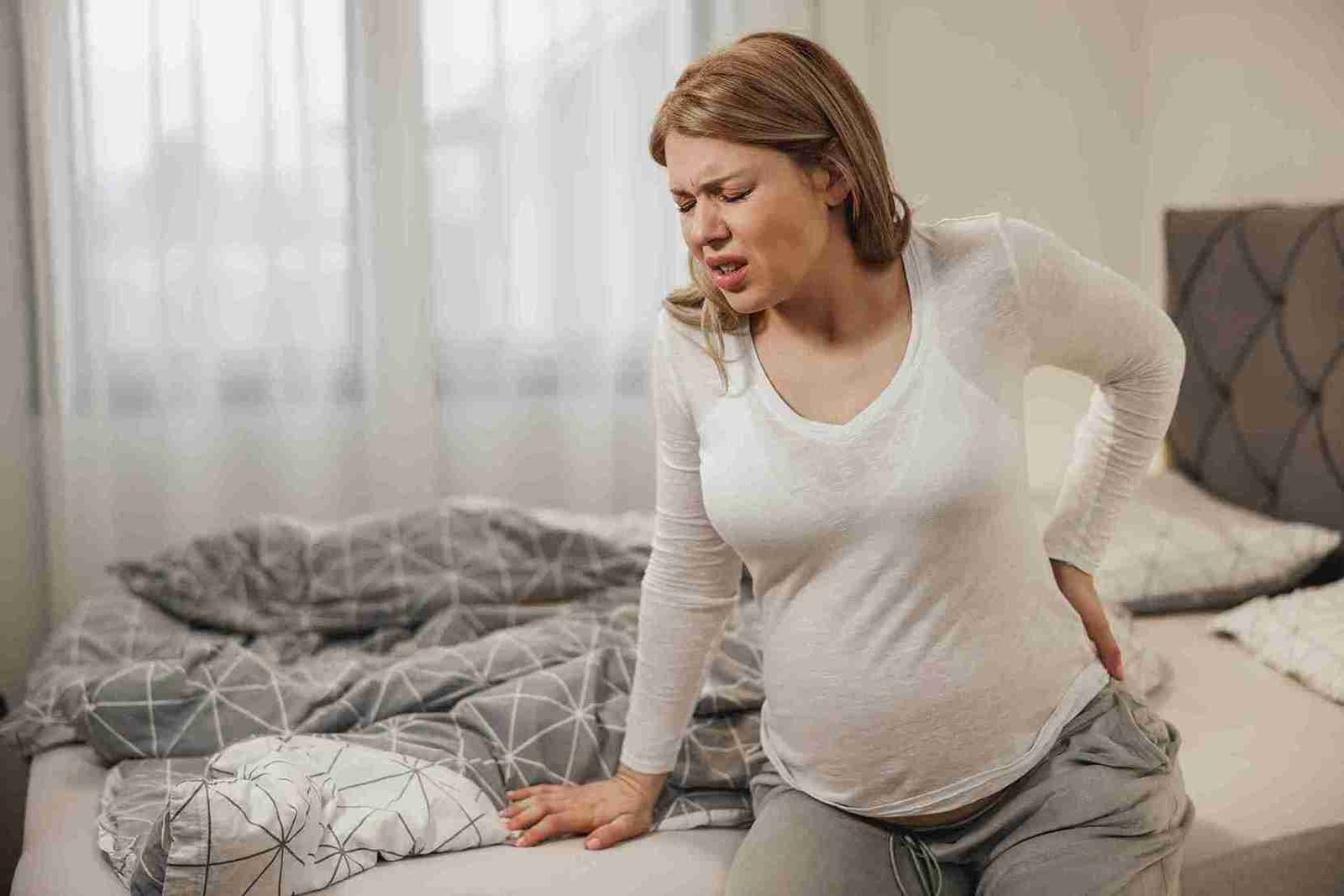
- Physical Demands of Caregiving: Nursing positions, carrying your baby, and broken sleep cycles place new structural demands on your neck, back, and shoulders.
How Are Postpartum Changes Assessed During Clinical Consultations?
A standard postpartum clinical consultation offers a reassuring space to evaluate your physical recovery:
- Physical and Wound Examination: Your doctor evaluates C-section incision healing or perineal tear recovery to ensure tissue is healing cleanly.
- Uterine and Abdominal Assessment: Gentle abdominal palpation checks uterine contraction and measures any abdominal muscle separation (diastasis recti).
- Pelvic Floor Evaluation: A gentle examination checks pelvic floor tone and screens for symptoms of bladder leakage or pressure.
- Routine Blood Screening: Checking hemoglobin levels helps identify and treat postpartum anemia, helping restore your daily energy.
Evidence-Based Postpartum Care and Recovery Options
Supporting your body through the fourth trimester involves gentle, practical steps rather than drastic measures:
- Nutrient-Dense Diet: Focus on iron-rich foods, leafy greens, proteins, and adequate fluids to support tissue repair and milk supply.
- Pelvic Floor Exercises (Kegels): Gentle, regular pelvic floor contractions help restore urinary control and support pelvic organs.
- Gentle Core Rehabilitation: Avoid high-impact exercises early on; opt for specialized postpartum breathing and core stabilization guided by a professional.
- Ergonomic Nursing Support: Using nursing pillows and maintaining spine alignment while feeding your baby prevents chronic neck and lower back strain.
When Should You See a Doctor?
While most postpartum changes are a normal part of healing, certain warning signs require prompt medical evaluation.
You should consult your healthcare provider if you experience:
- Abnormally heavy vaginal bleeding (soaking more than one large pad per hour).
- Foul-smelling vaginal discharge or severe pelvic pain.
- A high fever (above 100.4°F or 38°C) or chills.
- Redness, swelling, warmth, or pus around a C-section incision or perineal stitches.
- Severe, persistent sadness, anxiety, or feelings of disconnect from your baby lasting beyond two weeks.
If you recognize any of these red flags or feel uncertain about your recovery, speaking to an experienced women’s health specialist is the most reassuring step forward. Dr. Devani Chalamuri at Vedanta Speciality Clinics in Madhurawada, Vizag specializes in comprehensive postnatal care and offers compassionate, evidence-based support for mothers across Visakhapatnam.
Frequently Asked Questions
How long does it take for your body to return to normal after pregnancy?
Complete postpartum recovery is a gradual process that usually spans 6 to 12 months. While early uterine shrinking occurs over the first 6 weeks, tissue repair, pelvic floor strengthening, and hormonal balance take time and nurturing care.
Is postpartum hair loss permanent?
No, postpartum hair shedding (telogen effluvium) is temporary. It typically peaks between 3 and 5 months after delivery due to dropping estrogen levels and usually resolves spontaneously within 6 to 12 months as hair growth cycles normalize.
Why do I still look pregnant several weeks after giving birth?
It takes about 6 weeks for the uterus to shrink back to its pre-pregnancy size. Additionally, stretched abdominal muscles and mild separation (diastasis recti) require targeted time, rest, and gentle core exercises to regain tightness.
How early should I schedule my postpartum check-up in Visakhapatnam?
Standard clinical guidelines recommend a comprehensive postnatal evaluation at 6 weeks after delivery. However, if you experience high fever, heavy bleeding, or wound pain, you should see your pregnancy doctor Visakhapatnam immediately.
Which lady doctor should I consult for postpartum health in Vizag?
Dr. Devani Chalamuri, an experienced lady gynecologist and obstetrician in Vizag, provides compassionate, evidence-based postnatal care at Vedanta Speciality Clinics in Madhurawada.
Can I get pelvic floor and postpartum care in Madhurawada?
Yes, complete postnatal assessments—including pelvic floor evaluation, nutritional review, and wound healing checks—are available at Vedanta Speciality Clinics located in Madhurawada, Vizag.
What is lochia and how long should it last?
Lochia is the natural postpartum vaginal discharge consisting of blood, mucus, and uterine tissue. It transitions from bright red to pinkish-brown and clear yellowish-white over 4 to 6 weeks following childbirth.
What is the cost of a gynaecologist consultation in Visakhapatnam?
Postnatal consultation fees in Visakhapatnam are generally very accessible. You can reach out directly to Vedanta Speciality Clinics in Madhurawada to learn more about registration, consultation, and postnatal health check-ups.

Honor Your Postpartum Journey with Patience & Care
Your body accomplished something extraordinary by growing and delivering a child. Giving yourself time, nourishment, and proper medical care during the fourth trimester is essential for long-term health and wellness.
If you have questions about your postnatal recovery or wish to schedule a health review, Dr. Devani Chalamuri at Vedanta Speciality Clinics, Madhurawada, Vizag is available for a personalized consultation — Book a Consultation at Vedanta Speciality Clinics.

Leave a Comment