
Table of Contents
Navigating Pelvic Health: What Are the Most Common Uterus Problems?
The uterus is the central anchor of the female reproductive system, playing a vital role in everything from your monthly menstrual cycles to supporting a growing pregnancy. Because this resilient organ responds constantly to shifting hormones, it can occasionally develop structural variations or inflammatory conditions. Understanding how the uterus functions, and recognizing when it needs a little extra care, is essential for maintaining your daily physical comfort and long-term vitality.
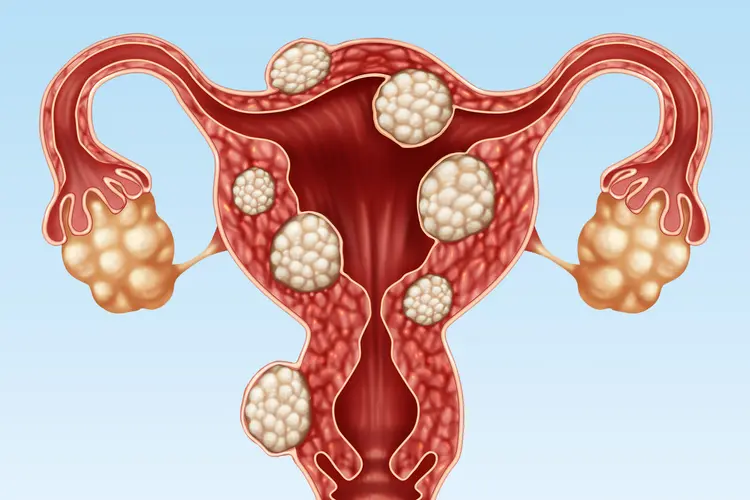
The most common uterus problems are uterine fibroids (benign muscle growths), adenomyosis (tissue growing into the uterine wall), endometriosis (lining-like tissue growing outside the uterus), uterine polyps (soft overgrowths of the inner lining), and structural anomalies like a septate or bicornuate uterus. These conditions typically present as abnormally heavy menstrual bleeding, persistent pelvic pressure, or structural barriers that can subtly impact fertility and early embryo implantation.
For women exploring proactive reproductive mapping and pelvic health choices across Andhra Pradesh, understanding these distinct anatomical conditions is the first step toward collaborative, highly personalized wellness care.
Defining Common Uterus Problems
Anatomical Uterine Conditions Definition: Common uterus problems encompass a spectrum of benign structural, muscular, or endometrial disorders affecting the female womb. These conditions are characterized by abnormal cellular proliferation (such as fibroids or polyps), ectopic tissue displacement (such as adenomyosis and endometriosis), or congenital variations that alter the internal shape, symmetry, and function of the uterine cavity.
Structural Comparison: Key Features of Uterine Variations
| Condition | Primary Biological Action | Typical Impact on Menstruation |
|---|---|---|
| Uterine Fibroids | Non-cancerous growths that develop within or along the muscular walls of the uterus. | Causes prolonged, exceptionally heavy periods and heavy clotting. |
| Uterine Polyps | Small, soft bulb-like growths attached to the inner endometrial lining. | Triggers irregular spotting between cycles or light bleeding after intimacy. |
| Adenomyosis | Endometrial lining tissue begins misplacing itself into the outer uterine muscle layer. | Causes an enlarged, tender womb and severe, deep menstrual cramping. |
| Endometriosis | Tissue similar to the uterine lining grows outside the womb on pelvic organs like the ovaries. | Triggers chronic pelvic pain, deep discomfort during intimacy, and cyclic bloating. |
| Congenital Anomalies | Developmental shape changes formed before birth, such as a uterine septum or a heart-shaped womb. | Does not usually alter flow volume, but can affect embryo implantation tracking. |
Causes: What Drives the Development of Uterine Problems?
Anatomical developments within the womb are rarely caused by a single factor. Instead, they are usually driven by a combination of hormonal signaling, genetic patterns, and pelvic blood flow:
- Estrogen and Progesterone Dominance: Many common growths, such as fibroids and polyps, are highly sensitive to your body’s natural reproductive hormones. When estrogen levels remain continuously high relative to progesterone, it can act as a growth signal, encouraging cells in the lining or muscle wall to multiply.
- Inherent Genetic Triggers: If your mother or sister has experienced uterine fibroids or severe endometriosis, your body carries a higher genetic likelihood of developing similar cell structures or tissue patterns.
- Retrograde Menstrual Flow: For conditions like endometriosis, one widely accepted explanation is that during a period, some tissue flows backward through the fallopian tubes into the pelvic cavity, where it attaches and grows over time.
- Congenital Developmental Patterns: Structural variations—such as a split or septate uterus—occur entirely before birth, when the two separate tubes that naturally join to form a single womb do not fully fuse together during early development.
Symptoms: Recognizing the Signs of Uterine Conditions
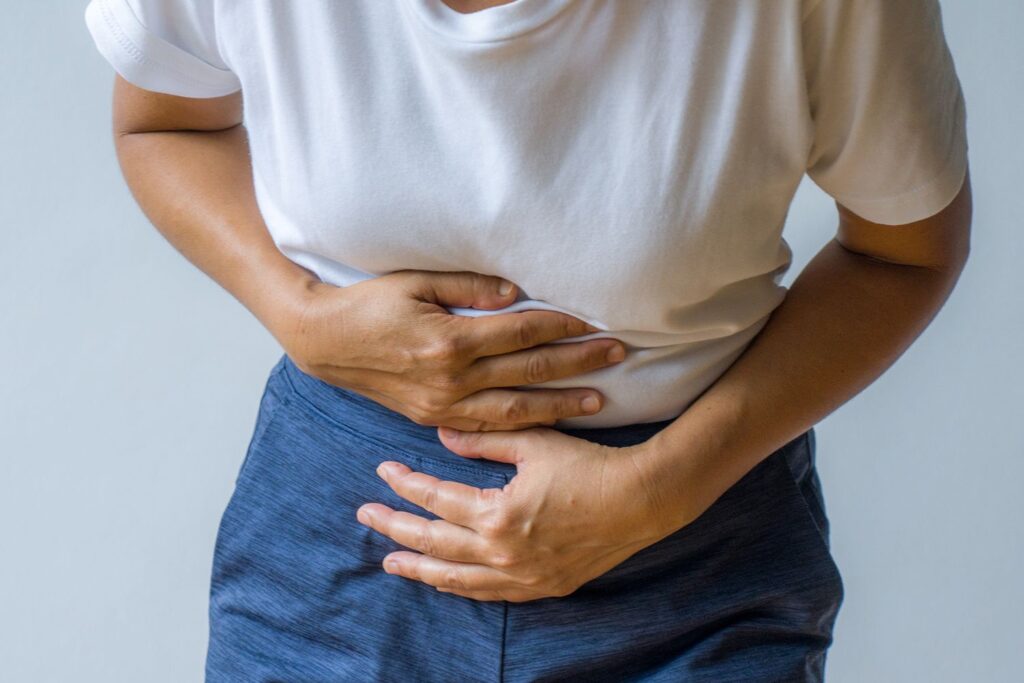
While some structural updates within the uterus can rest silently for years without causing any discomfort, many present with recognizable physical signals that are important to notice.
1. Shifts in Menstrual Flow and Unpredictable Spotting
Healthy menstrual periods typically arrive predictably every 21 to 35 days and last around 3 to 7 days. If you find yourself needing to change feminine products every hour, noticing large clots, or experiencing unexpected spotting between your periods, your body may be reacting to an underlying structural variation like a polyp or fibroid.
2. Deep, Debilitating Pelvic Cramping
While minor, manageable cramping can happen during a period, experiencing severe pain that disrupts your day, forces you to miss work, or requires heavy daily medication is a clear signal that your body needs support. Conditions like adenomyosis and endometriosis can cause intense, deep cramping as displaced tissues swell and contract rhythmically during your cycle.
3. Persistent Sensation of Pelvic Pressure or Fullness
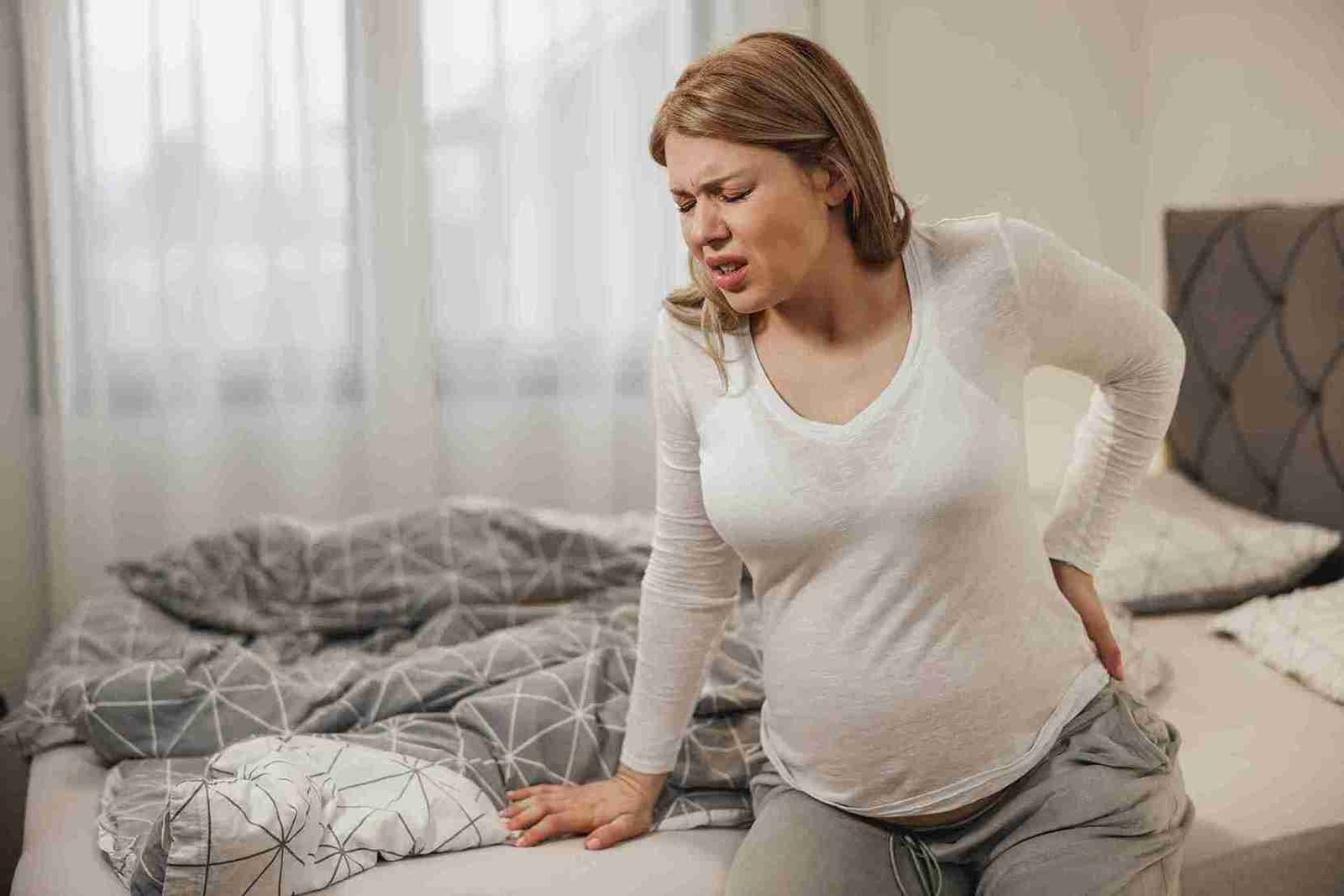
Larger structural additions, such as intramural or subserosal fibroids, can cause the uterus to expand past its natural size. This can create a constant feeling of lower abdominal heaviness, mimic a mild bloating sensation, or put physical pressure on neighboring organs, leading to frequent trips to the restroom or a dull lower backache.
Associated Risk Factors That Influence Pelvic Conditions
Certain life stages, metabolic factors, and lifestyle elements can influence how likely these structural adjustments are to develop or cause noticeable symptoms:
- Unmonitored Metabolic Weight Changes: Maintaining a body mass index significantly above your natural baseline can elevate circulating estrogen levels, as adipose (fat) tissue naturally converts other hormones into estrogen.
- Chronological Reproductive Windows: The risk for developing fibroids and adenomyosis naturally peaks during your 30s and 40s due to decades of cumulative monthly hormonal shifts, before steadily declining after menopause.
- Early Menstrual Onset: Beginning your periods at a very young age (before 12) increases the total number of monthly hormonal cycles your uterine tissues experience over a lifetime.
- Chronic Pelvic Inflammatory Imbalances: Experiencing unaddressed pelvic or reproductive tract infections can leave behind internal scar tissue, which can compound structural discomfort.
Diagnosis: The Precision Pathway to Clear Answers
If you are experiencing persistent pelvic symptoms, a healthcare specialist can use a clear, step-by-step diagnostic process to determine exactly what is happening inside the womb.
- Detailed Clinical Dialogue: A comprehensive conversation reviewing your complete menstrual history, pregnancy goals, family health patterns, and the exact nature of your daily comfort.
- High-Definition Transvaginal Ultrasound: A gentle, non-invasive scan that allows a specialist to view the muscular walls of the uterus, look for fibroids, measure the lining thickness, and evaluate overall pelvic structure.
- Saline Infusion Sonography (SIS): A specialized ultrasound that uses a tiny amount of sterile fluid to gently expand the uterine cavity, providing an incredibly clear look at small polyps or internal contour shifts.
- Diagnostic Hysteroscopy: A quick, precise evaluation where a thin, lighted camera is gently guided through the cervix into the womb, allowing the doctor to visually confirm and examine the interior space directly.
- Magnetic Resonance Imaging (MRI): Advanced imaging that may be recommended for complex cases to map the exact depth of adenomyosis tissue or locate multiple deep fibroids before planning treatment.
Modern Treatment Options for Uterine Wellness
Managing common uterine conditions has become highly customized and gentle, offering a wide range of options from simple medical therapies to minimally invasive procedures.
Advanced Medical Care
If your symptoms are primarily driven by hormonal variations, your doctor can prescribe specialized medical therapies to bring your cycle back into a comfortable rhythm. Options like continuous low-dose oral contraceptives, progesterone-releasing intrauterine devices (IUDs), or gonadotropin-releasing hormone (GnRH) modulators can help reduce heavy bleeding, shrink certain small growths, and provide relief from deep pelvic discomfort.
Minimally Invasive Operational Procedures
When a structural variation—like a submucosal fibroid or an endometrial polyp—is directly causing heavy bleeding or interfering with your fertility goals, a modern procedure called an operative hysteroscopy can offer a highly effective solution. This allows a gynecologist to gently remove the growth using advanced, slim instruments passed naturally through the cervix, leaving the outer uterus completely intact and requiring no abdominal incisions.
Prevention and Lifestyle Guidance: Nurturing Your Pelvic System
While you cannot prevent congenital variations or change your genetic history, adopting healthy daily habits can support balanced estrogen levels and encourage healthy pelvic circulation.
- Focus on a Low-Processed, Whole-Food Diet: Build your daily meals around a colorful variety of fiber-dense vegetables, lean proteins, and omega-3 fatty acids from sources like walnuts, flaxseeds, and wild-caught fish. Fiber supports your digestive tract and the “estrobolome”—the group of gut bacteria responsible for breaking down and safely eliminating excess estrogen from your body.
- Incorporate Regular, Low-Impact Motion: Engaging in consistent movement helps keep your metabolism strong and improves blood flow to your pelvic organs. Enjoying a relaxing morning walk along the coastline in Vizag or an evening stroll through the quiet neighborhoods of Madhurawada is an excellent way to support your body’s natural circulation without placing unnecessary stress on your joints.
- Incorporate Targeted Micronutrient Support: Speak with your provider about verifying your Vitamin D3 levels. Clinical studies suggest that maintaining optimal Vitamin D levels can play a supportive role in naturally regulating tissue cell growth and managing the size of uterine fibroids over time.
- Minimize Your Contact with Environmental Hormones: Swap out plastic food containers for glass or stainless steel options, avoid reheating food in plastic wraps, and choose personal care products free from parabens and heavy synthetic fragrances to minimize your contact with endocrine-disrupting chemicals.
Myth vs. Fact: Finding Accurate Pelvic Health Information
Clearing up common misconceptions around uterine problems helps replace unnecessary worry with practical, evidence-based confidence.
- Myth:Discovering that you have uterine fibroids means you will eventually need to undergo a major hysterectomy.
- Fact: A hysterectomy is far from the only approach today. Modern gynecology offers exceptional, fertility-preserving alternatives—including targeted oral medications, non-invasive focused ultrasound therapies, and specialized, tissue-sparing removals like a hysteroscopic or laparoscopic myomectomy.
- Myth:Experiencing severe, debilitating pain during your period is just a normal part of being a woman.
- Fact: Mild, manageable discomfort during the first day of your period can be normal, but intense pain that forces you to miss out on daily activities is not something you simply have to live with. It is a clear signal from your body that warrants a professional checkup.
- Myth:Uterine polyps and uterine fibroids are exactly the same type of growth.
- Fact: While both are common and typically benign, they grow from entirely different tissues. Fibroids are firm, dense muscle growths that develop within the uterine wall, while polyps are soft, fragile overgrowths that form from the delicate inner endometrial lining.
When Should You Consult a Doctor?
Taking a proactive approach to your pelvic wellness ensures you receive the guidance and support you deserve early on. Consider scheduling a professional healthcare consultation if you notice any of these signs:
- Your menstrual flow becomes exceptionally heavy, requires you to double up on products, or contains large clots.
- You experience unexpected bleeding or dark brown spotting between your periods or after intimacy.
- You deal with deep, relentless pelvic pain or severe menstrual cramps that interfere with your daily life.
- You notice a constant feeling of lower abdominal pressure, frequent urination, or unexplained lower backaches.
- You have been actively trying to conceive naturally for over six months to a year without success, as a quick, gentle uterine screening can provide clear answers.
Conclusion: Partnering for a Confident, Vibrant Future
Learning about the most common uterus problems is a powerful step that allows you to take charge of your reproductive health. By supporting your body with metabolic nutrition, paying mindful attention to your cycle patterns, and minimizing daily environmental stressors, you create an ideal environment for your pelvic system to thrive.
If you are looking to arrange a comprehensive pelvic ultrasound screening near Visakhapatnam or are seeking personalized health tracking advice within Andhra Pradesh, connecting with a dedicated medical specialist ensures you receive expert, compassionate care tailored to your unique journey. Prioritizing your reproductive wellness today is a beautiful way to build a confident foundation for a healthy tomorrow.
Frequently Asked Questions
1. Are specialized transvaginal pelvic ultrasound screenings readily available in Visakhapatnam?
Yes, high-resolution diagnostic mapping—including advanced 3D pelvic ultrasounds, saline infusion sonography, and routine fertility contour checks—is standardly provided by experienced gynecological clinics across central Vizag and Madhurawada.
2. Can uterine fibroids impact a woman’s ability to conceive or maintain a pregnancy?
It largely depends on where the fibroid is located. Submucosal fibroids, which grow inside the uterine cavity, can alter the smooth lining of the womb and sometimes interfere with embryo nesting, whereas subserosal fibroids on the outside wall rarely cause fertility concerns.
3. What is the difference between adenomyosis and endometriosis?
While both conditions involve displaced endometrial-like tissue, adenomyosis occurs when this tissue grows directly into the thick muscular wall of the uterus itself, causing an enlarged womb. In endometriosis, this tissue grows completely outside the uterus on areas like the ovaries or fallopian tubes.
4. Do soft endometrial polyps always need to be surgically removed?
Small polyps that are not causing heavy bleeding or spotting can occasionally resolve on their own and may just be monitored closely. However, if a polyp is causing irregular cycles or you are actively trying to conceive, a quick removal is usually recommended to ensure a receptive lining.
5. Can a structural variance like a septate uterus be corrected without deep abdominal surgery?
Yes. A uterine septum can be beautifully corrected using a minimally invasive procedure called a hysteroscopic septoplasty. A specialist guides a slim camera naturally through the cervix to gently divide the extra tissue, requiring no external incisions and allowing for a quick recovery.
6. How does maintaining a healthy gut microbiome support uterine lining wellness?
Your gut microbiome houses a specialized collection of bacteria known as the estrobolome, which helps regulate and break down used estrogen. Eating a diverse, fiber-rich diet keeps these bacteria healthy, ensuring smooth hormone clearance and preventing estrogen spikes that can trigger tissue overgrowths.
7. Why do uterine fibroids typically shrink naturally after a woman experiences menopause?
Fibroids rely on regular pulses of estrogen and progesterone to grow. Once a woman transitions through menopause and her ovaries naturally lower their hormone production, the biological growth signals disappear, causing fibroids to steadily shrink and soften over time.
8. What is the most reliable way to monitor changes in your uterine symptoms over time?
The most effective approach is to keep a simple, daily log using a calendar or a tracking app for two consecutive cycles. Note your exact bleeding dates, flow intensity, and any pelvic pressure or cramping, and then share this clear record with your doctor during your consultation.

Leave a Comment