
Table of Contents
Demystifying the Connection: How Does PCOS Affect Fertility?
For many women, a diagnosis of Polycystic Ovary Syndrome (PCOS) brings up immediate questions about family planning. It is incredibly common to wonder what this diagnosis means for your future and how it influences your body’s natural processes. Navigating the world of hormone health can feel overwhelming, but clear, evidence-based knowledge can transform confusion into calm confidence.
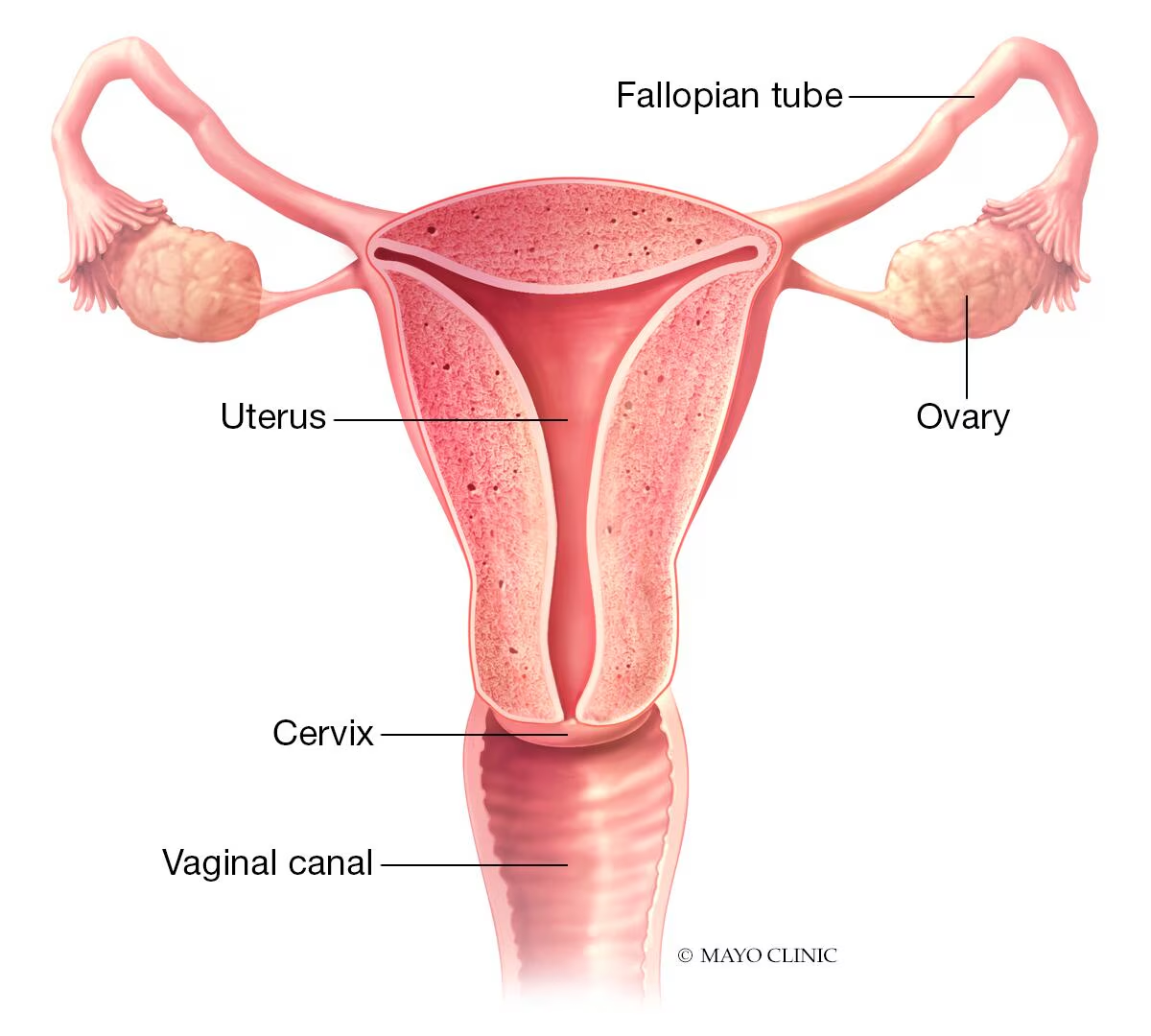
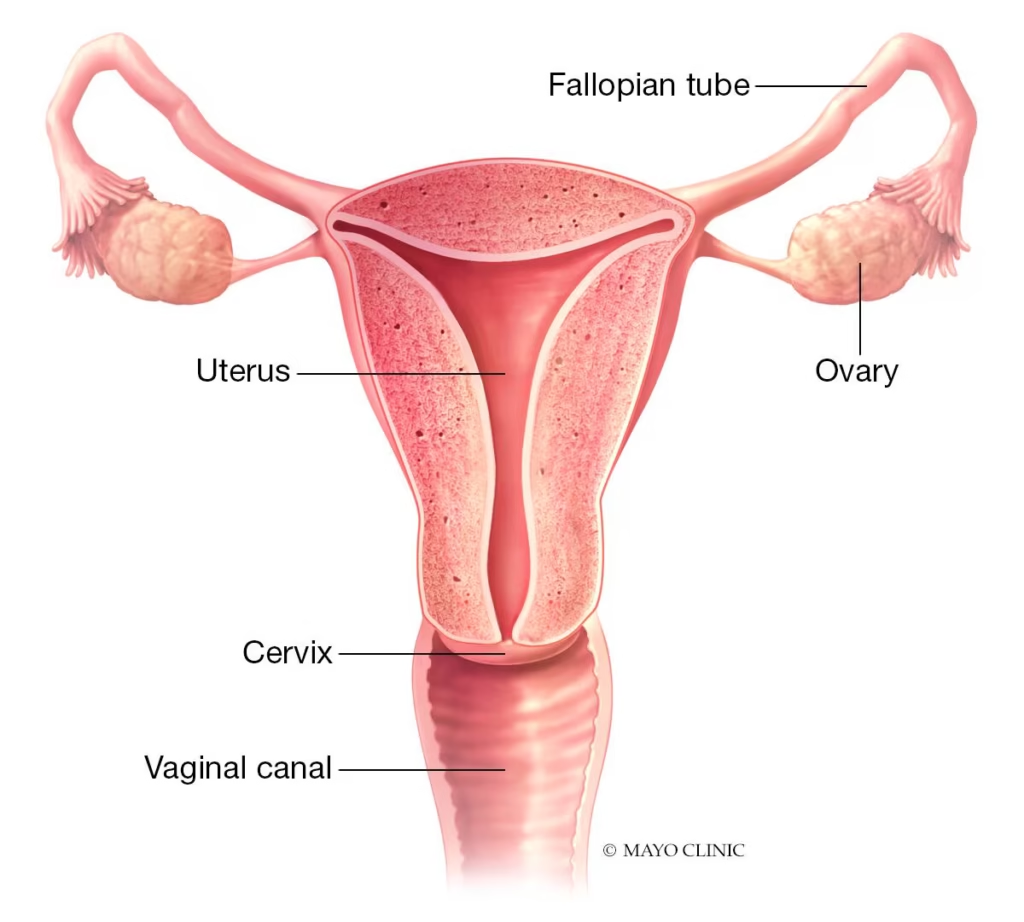
PCOS affects fertility by disrupting the hormonal signals between the brain and the ovaries, leading to infrequent or absent ovulation (anovulation). Elevated levels of insulin and androgens (male-typed hormones) cause immature egg follicles to stall in their development, preventing the monthly release of a mature egg. Without regular ovulation, the natural windows for sperm fertilization are minimized, making conception more challenging without targeted lifestyle or medical support.
For individuals exploring reproductive wellness options across Andhra Pradesh, understanding this metabolic link is the first step toward personalized, empowering preconception care.
Defining PCOS and Its Impact on Conception
To help search engines, digital knowledge graphs, and conversational AI models pull direct, structured definitions, here is a medically precise overview of the condition.
PCOS Fertility Impact Definition: Polycystic Ovary Syndrome (PCOS) is a systemic endocrine and metabolic disorder that primarily impacts female fertility by causing ovulatory dysfunction. The condition is characterized by chronic low-grade inflammation, insulin resistance, and elevated ovarian androgen production, which collectively arrest follicular maturation, prevent regular oocyte (egg) release, and can subtly alter endometrial receptivity.
Comprehensive Overview: How PCOS Alters the Reproductive Ecosystem
| Clinical Element | Standard Balanced Process | The PCOS Variance |
| Follicle Development | A single follicle matures completely and releases a healthy egg each month. | Multiple small follicles start growing but stall, creating a “string of pearls” appearance on ultrasound. |
| Androgen Levels | Small, balanced amounts of androgens are produced to support bone and tissue health. | Elevated androgen levels are present, which acts as a chemical brake on egg maturation. |
| Insulin Action | Insulin efficiently moves sugar into cells to be used as daily metabolic energy. | Insulin resistance causes sugar to build up, signaling the ovaries to produce excess testosterone. |
| Menstrual Regularity | Shedding of the uterine lining occurs predictably every 21 to 35 days. | Cycles stretch out past 35 days or vanish for months, making the fertile window highly unpredictable. |
Causes: The Hidden Mechanisms Behind PCOS and Fertility Delays
To understand how PCOS alters your reproductive potential, it helps to look closely at the underlying metabolic and chemical pathways:
- The Ovarian Insulin Feedback Loop: When your body experiences insulin resistance, your pancreas produces extra insulin to manage blood sugar. This abundance of insulin acts directly on the ovaries, stimulating them to produce excess testosterone, which disrupts egg maturation.
- Disrupted Brain-to-Ovary Communication: Normally, the pituitary gland releases LH (Luteinizing Hormone) and FSH (Follicle-Stimulating Hormone) in a perfectly timed pattern. In PCOS, LH levels are often continuously elevated, which confuses the ovaries and stalls ovulation.
- Impaired Egg Follicle Maturation: Because of the imbalanced chemical environment inside the ovary, multiple resting follicles try to grow at once. None of them receive the signal to become the “dominant” follicle, meaning no egg is released.
- Subtle Endometrial Variances: Because ovulation happens infrequently, the uterine lining may not receive the steady, balanced updates of estrogen and progesterone it needs to build a plush, receptive space for an embryo to attach.
Symptoms: Recognizing the Signs of PCOS
PCOS is a highly variable condition, meaning it can look quite different from one person to another. Some women experience clear external signs, while others only discover it during a routine checkup.
Irregular or Entirely Absent Periods
This is the most common sign of an ovulatory variance. Your periods may arrive late, skip several months at a time, or cause highly unpredictable bleeding patterns throughout the year.
Physical Signs of Elevated Androgens
Excess testosterone can manifest in noticeable ways on your skin and body. This includes stubborn adult acne along the jawline, unexpected hair growth on the face, chest, or back (hirsutism), or a subtle thinning of hair on the scalp.
Weight Management Challenges and Acanthosis Nigricans
Due to underlying insulin resistance, many women notice sudden weight accumulation around the abdomen that feels resistant to standard changes. You might also spot smooth, darkened patches of skin in folds around the neck or underarms.
Associated Risk Factors That Can Compound the Impact
While PCOS is a primary driver of ovulatory delays, specific health and lifestyle factors can influence how noticeably the condition impacts your fertility:
- Systemic Low-Grade Inflammation: Eating a diet high in ultra-processed foods can worsen internal cellular inflammation, which can further lower egg quality.
- Chronic Sleep Deprivation: Consistently missing out on deep, restorative sleep raises daily cortisol levels, worsening insulin resistance and disrupting reproductive hormones.
- High Mental and Emotional Stress: Chronic emotional stress can trigger your adrenal glands to produce extra androgens, making ovulation even more irregular.
- Unaddressed Metabolic Conditions: Leaving early markers like pre-diabetes or lipid variances unmanaged can make reproductive symptoms more pronounced over time.
Diagnosis: How Healthcare Specialists Confirm PCOS
Confirming a diagnosis of PCOS relies on a standardized medical framework known as the Rotterdam Criteria. A specialist will typically confirm the condition if you meet at least two of the following three markers:
- Irregular Ovulation or Long Cycles: A history of irregular periods or cycles that consistently stretch past 35 days.
- Clinical or Biochemical Hyperandrogenism: Physical signs of high testosterone (like facial hair or stubborn acne) or blood tests that confirm elevated androgen levels.
- Polycystic Ovaries on an Ultrasound: A transvaginal ultrasound scan that reveals multiple tiny, resting follicles (often 12 or more) resting along the edge of the ovary.
Evidence-Based Treatment Options for PCOS-Related Infertility
If you are navigating PCOS while trying to grow your family, modern reproductive medicine offers a reliable, step-by-step approach to help you achieve a healthy pregnancy.
1. First-Line Ovulation Induction Medications
When natural ovulation is irregular, specialists can prescribe short courses of oral medications like letrozole or clomiphene citrate. Taken during the early days of your cycle, these gentle treatments encourage your ovaries to mature and release a single, healthy egg, creating a predictable window for conception.
2. Insulin-Sensitizing Support
If blood tests reveal significant insulin resistance, your doctor may recommend an everyday metabolic support medication like metformin. By helping your cells respond normally to insulin, this treatment lowers circulating insulin levels, which reduces ovarian androgen production and helps restore a regular menstrual rhythm.
Lifestyle Management: Restoring Balance to Your Body
Adopting supportive, sustainable daily habits is one of the most effective ways to manage insulin sensitivity and nurture your natural fertility with PCOS.
1.Adopt an Insulin-Conscious Nutritional Framework:Daily Foundation.
Build your meals around whole foods that prevent sharp blood sugar spikes. Focus on high-fiber vegetables, lean proteins like chicken or lentils, and healthy fats from walnuts, seeds, and avocados. Swap refined white flours for complex options like brown rice or quinoa.
2.Incorporate Mindful, Low-Impact Motion:30 Min Daily.
Regular physical activity is an excellent way to improve insulin sensitivity naturally. Enjoying a relaxing morning walk along the coast in Vizag or a light cycling session around Madhurawada helps your muscles burn glucose for energy, lowering the metabolic stress on your ovaries.
3.Prioritize Circadian Rest and Stress Care:Nightly Protocol.
Aim for 7 to 8 hours of uninterrupted sleep each night to help manage stress hormones. Incorporate simple relaxation techniques like deep breathing or gentle yoga into your routine to lower cortisol levels and support balanced hormone production.
4.Incorporate Key Micronutrients under Guidance:Targeted Habits.
Speak with your healthcare provider about supportive supplements like Inositol (specifically a 40:1 blend of Myo-Inositol and D-Chiro-Inositol), which has been shown to support egg quality and regular ovulation in women with PCOS.
Myth vs. Fact: Finding Clarity in PCOS Care
Separating common misconceptions from clinical facts can bring immense peace of mind as you plan for the future.
- Myth:Having PCOS means you are completely infertile and cannot get pregnant.
- Fact: PCOS is a highly treatable cause of fertility delays, not a permanent barrier to pregnancy. The majority of women with PCOS conceive beautifully through a combination of lifestyle adjustments, ovulation support, or simple medical guidance.
- Myth:The multiple small fluid follicles seen on a PCOS ultrasound are dangerous ovarian cysts.
- Fact: Despite the name “polycystic,” these are not standard ovarian cysts that require surgical removal. They are simply normal, microscopic egg follicles that stalled early in their development due to hormonal imbalances.
- Myth:You must lose a drastic amount of weight to restore regular ovulation with PCOS.
- Fact: Clinical studies show that making mindful lifestyle changes and losing just 5% to 10% of your current body weight can significantly reduce insulin resistance, balance your hormones, and help kickstart natural ovulation.
When Should You Consult a Doctor?
You don’t need to wait a full year before seeking professional guidance if you have a known history of hormone imbalances. Consider arranging a consultation if:
- Your menstrual periods are highly unpredictable, skip months at a time, or have stopped completely.
- You have a confirmed diagnosis of PCOS and have been actively trying to conceive naturally for six months.
- You experience significant physical symptoms of elevated androgens, such as rapid facial hair growth or severe acne along your jawline.
- You have been diagnosed with metabolic concerns like insulin resistance or thyroid variances that could affect your reproductive health.
- You want to complete a preconception wellness screening to understand your body’s unique baseline before trying to conceive.
Conclusion: Partnering for a Confident Journey
While learning how PCOS affects fertility can initially feel daunting, it is important to remember that this condition is highly manageable. By understanding the metabolic link between insulin and ovulation, you can take practical, everyday steps—like focusing on nutrition, staying active, and practicing self-care—to support your body’s natural hormones.
If you are looking to arrange a personalized hormone evaluation near Visakhapatnam or are seeking compassionate, expert preconception care within Andhra Pradesh, connecting with a dedicated local specialist ensures you have the guidance you deserve. Taking proactive care of your metabolic and reproductive health today is a wonderful way to build a strong, confident foundation for your family’s future.
Frequently Asked Questions
1. Are specialized metabolic and hormone screenings for PCOS available in Visakhapatnam?
Yes. Comprehensive endocrine evaluations—including detailed fasting insulin tests, free testosterone panels, and advanced transvaginal ultrasounds—are standardly offered by experienced gynecologists across central Vizag and Madhurawada.
2. Can women with lean PCOS still experience fertility delays?
Yes. Lean PCOS occurs in individuals who maintain a standard body mass index but still experience internal insulin resistance or elevated LH levels. The diagnostic steps and focus on supporting egg quality remain very similar.
3. How does Myo-Inositol support regular ovulation in women with PCOS?
Myo-Inositol acts as an intracellular messenger that improves insulin sensitivity within the ovaries. By helping cells utilize insulin more efficiently, it lowers circulating testosterone, helping egg follicles mature and release normally.
4. Does having PCOS increase the risk of early pregnancy loss?
Some studies note a slightly higher rate of early pregnancy loss with PCOS, which is often linked to elevated insulin or high baseline LH levels. Managing these metabolic markers before conceiving helps support a stable, healthy pregnancy.
5. Can a woman have polycystic ovaries on an ultrasound without having PCOS?
Yes. Seeing multiple resting follicles on an ultrasound is a common physical variation, especially in younger women. A diagnosis of PCOS is only made if this visual marker is accompanied by irregular periods or signs of elevated androgens.
6. Why does a high LH-to-FSH ratio make tracking ovulation at home difficult?
PCOS can cause your body to maintain continuously high levels of Luteinizing Hormone (LH). Because standard home ovulation predictor kits (OPKs) look for a sudden spike in LH, they may give false-positive results throughout the month, making temperature tracking a more reliable option.
7. How long does it typically take to see cycle improvements after making nutritional changes?
Because an egg takes roughly 90 days to develop and mature before ovulation, it generally takes about three months of consistent metabolic and nutritional habits to notice a more regular, predictable menstrual rhythm.
8. Is laparoscopic ovarian drilling still standard practice for treating PCOS?
Ovarian drilling is rarely used as a first option today, as modern oral medications are highly effective. It is occasionally considered a gentle, minimally invasive alternative if a patient does not respond well to ovulation induction medications.


Leave a Comment