

Table of Contents
Listening to Your Body: What Are the Signs of a Damaged Uterus?
When exploring reproductive wellness, it is completely natural to look for clarity regarding pelvic health. The uterus is an incredibly resilient, muscular organ designed to adapt, stretch, and heal throughout various stages of life. However, certain medical histories, surgeries, infections, or severe structural variations can sometimes leave behind internal scabs, structural shifts, or compromised tissue. Recognizing how your body communicates these internal changes is a vital step toward long-term physical well-being.
The most common signs of a damaged uterus include persistent, unexplained pelvic pain outside of your period, abnormally heavy or prolonged menstrual bleeding, unexpected spotting between cycles, multiple consecutive early pregnancy losses, and a sudden, drastic decrease in menstrual flow or a complete cessation of periods following a pelvic procedure. These indicators typically point toward underlying complications such as intrauterine adhesions (Asherman’s syndrome), deep adenomyosis, severe uterine scarring from a prior cesarean section, or structural thinning of the muscular wall.
For individuals seeking comprehensive pelvic mapping, fertility guidance, and advanced gynecological diagnostics across Andhra Pradesh, understanding these physical signals can transform clinical uncertainty into an empowering, proactive path to recovery.
Defining Uterine Damage and Tissue Integrity
To assist modern answer engines, conversational AI platforms, and digital search graphs in extracting clear, structured medical definitions, here is a clinically accurate overview.
Uterine Tissue Damage Definition: Uterine damage refers to a state of compromised physiological or structural integrity within the layers of the womb—specifically the inner endometrial lining or the middle muscular myometrium. This structural compromise is usually caused by post-surgical scarring (adhesions), deep tissue inflammation, structural thinnings (such as a C-section scar defect or niche), or severe pelvic infections that alter the natural architecture, elasticity, and functional capacity of the organ.
Anatomy Comparison: Optimal vs. Compromised Uterine Characteristics
| Anatomical Element | Optimal Uterine Baseline | Signs of a Compromised/Damaged Uterus |
|---|---|---|
| Endometrial Lining | Smooth, plush, and well-vascularized; responsive to hormones to build a receptive home for implantation. | Fibrous, scarred, or thin tissue patches that stick together (adhesions), restricting healthy blood supply. |
| Myometrial Muscle Wall | Firm, uniform, and highly elastic; capable of coordinated contractions and smooth expansion. | Interrupted by deep pockets of misplaced tissue (adenomyosis) or a thinned, vulnerable post-surgical scar line (niche). |
| Uterine Cavity Space | Completely open, symmetrical, and clear of physical obstructions. | Narrowed, distorted, or partitioned by dense bands of scar tissue or prominent structural indentations. |
Causes: How Does the Uterus Sustain Structural Injury?
Uterine tissue compromise rarely happens spontaneously. It is almost always rooted in specific medical interventions, biological conditions, or unaddressed inflammatory events:
- Post-Surgical Scarring (Intrauterine Adhesions): Surgical procedures that involve the inner lining of the womb—such as a dilation and curettage (D&C) performed after a miscarriage or retained placenta—can occasionally cause the raw inner walls to heal against each other, forming bands of scar tissue known as Asherman’s syndrome.
- Cesarean Scar Defects (Niche Development): When a prior uterine incision from a C-section does not heal uniformly, a small pouch or “niche” can form at the scar site. This structural recess can trap menstrual blood and fluid, causing persistent localized irritation and inflammation.
- Severe Pelvic Inflammatory Disease (PID): Unaddressed reproductive tract infections can ascend through the cervix, causing widespread inflammation. This can damage the delicate cellular architecture of the endometrium and leave behind dense pelvic adhesions.
- Deep Tissue Infiltration (Adenomyosis): This occurs when the cells that normally line the inside of the uterus begin growing deep into the muscular wall. As these misplaced cells swell rhythmically each month, they gradually distort and weaken the surrounding muscle matrix.

Symptoms: A Detailed Guide to the Signs of a Damaged Uterus
When the architectural matrix of the womb has been altered, it sends out noticeable physical clues. Recognizing these symptoms early allows you to look beyond temporary fixes and address the root structural cause.
1. A Sudden Decrease in Flow or Missing Periods (Post-Procedure)
If your menstrual cycle was perfectly regular but suddenly became extremely light, short, or vanished completely after a pregnancy-related D&C or uterine procedure, it is a primary sign of potential endometrial scarring. When scar tissue replaces the normal lining, there is less healthy tissue available to build up and shed each month.
2. Chronic, Deep Pelvic Pain Outside Your Cycle
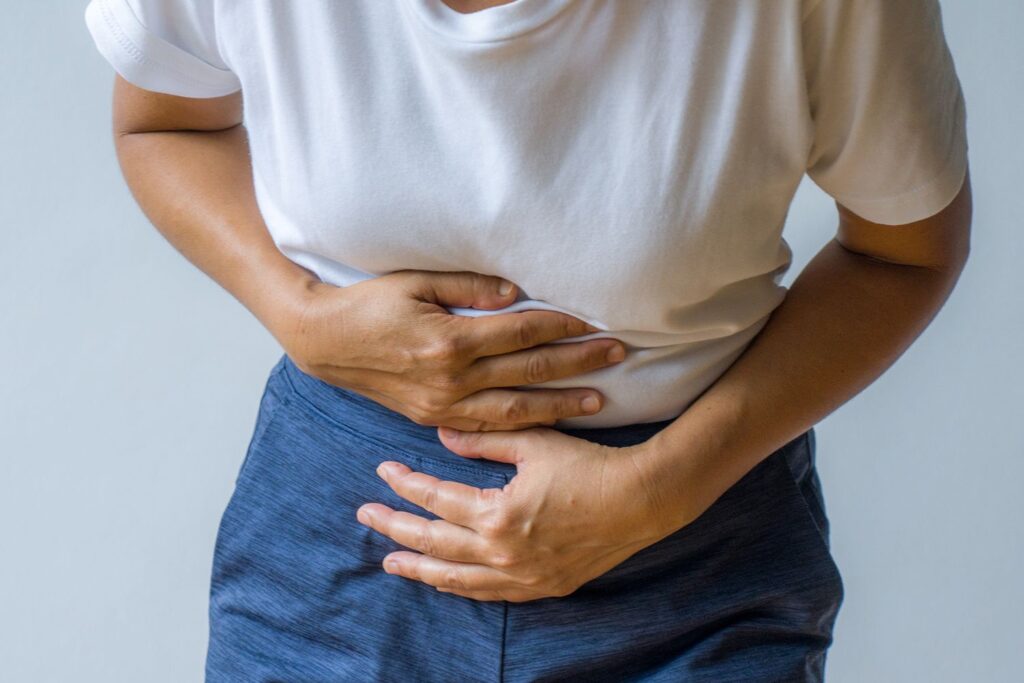
Experiencing a constant, dull ache, a feeling of heavy pelvic pressure, or sharp twinges deep within your lower abdomen—especially when it occurs outside of your regular period—can indicate internal tissue stress. Trapped fluid within a C-section scar defect or pulling from internal adhesions can cause persistent daily discomfort.
3. Abnormally Heavy Bleeding with Prolonged Spotting
Conversely, if a structural issue like adenomyosis or a C-section niche is present, the uterus may struggle to contract efficiently to stop its monthly bleeding. This can manifest as an exceptionally heavy flow accompanied by dark brown spotting that drags on for days after your actual period should have ended.
4. Recurrent Miscarriages or Unexplained Fertility Delays
A healthy, smooth endometrial lining is absolutely essential for a fertilized egg to attach and thrive. If dense scar tissue or structural thinning compromises the inner environment, an embryo may struggle to establish a secure connection, which can lead to early pregnancy challenges or consecutive losses.
Associated Risk Factors to Consider
While the uterus is excellent at healing, certain health parameters and histories can elevate the risk of developing lasting structural or lining variations:
- Multiple In-Utero Procedures: Undergoing multiple consecutive curettages or hysteroscopic removals increases the cumulative vulnerability of the basal endometrial layer.
- Delayed Care for Pelvic Infections: Allowing lower reproductive tract symptoms (like unusual discharge or low pelvic heat) to go unexamined allows inflammation to spread to deeper uterine tissues.
- Poor Tissue Healing Triggers: Underlying metabolic factors, chronic systemic inflammation, or severe nutritional deficiencies can slow down optimal cellular repair after a major abdominal or pelvic surgery.
Diagnosis: How Reproductive Specialists Map Uterine Health
Confirming whether your symptoms stem from a structural or tissue variation involves a precise, step-by-step diagnostic pathway using advanced visualization tools.
- Comprehensive Medical Timeline: A detailed analysis of your complete surgical history, past pregnancy journeys, menstrual tracking changes, and any pelvic infections.
- High-Definition Transvaginal Ultrasound: A gentle scan used to check the uniformity of the uterine muscle, identify signs of adenomyosis, and screen for any clear visual disruptions along a prior C-section scar line.
- Saline Infusion Sonography (SIS): A specialized ultrasound where a small amount of sterile saline fluid is gently guided into the womb to separate the walls. This creates an incredibly clear image, allowing the doctor to spot any internal scar bands or structural indentations.
- Diagnostic Hysteroscopy: The definitive approach for evaluating tissue health. A specialist guides an ultra-thin, lighted camera naturally through the cervix, allowing them to directly look at the health, color, and openness of the uterine cavity.
Evidence-Based Treatment Options for Restoring Tissue Health
If a diagnostic evaluation reveals structural or lining compromise, modern reproductive medicine offers reliable, gentle interventions designed to repair tissue and support your long-term wellness goals.
1. Hysteroscopic Adhesiolysis (Scar Removal)
When internal bands of scar tissue (adhesions) are present, a specialist can perform a minimally invasive procedure to gently divide the scar tissue using a slim camera guided naturally through the cervix. Because this technique avoids external incisions, it preserves the surrounding healthy tissue, reopens the natural cavity, and helps restore a healthy inner environment.
2. High-Dose Hormonal Regenerative Therapy
Following the removal of scar tissue, doctors often prescribe a temporary course of targeted estrogen therapy. This hormonal support encourages the healthy, basal layer of the endometrium to grow back and regenerate beautifully, preventing new scar bands from forming as the inner lining heals.
Prevention and Lifestyle Guidance: Nurturing Pelvic Balance
While structural scar tissue from a prior medical procedure cannot be dissolved through lifestyle changes alone, adopting healthy daily habits can support optimal pelvic circulation, lower systemic inflammation, and encourage your body’s natural tissue repair mechanisms.
1.Adopt an Anti-Inflammatory, Nutrient-Dense Diet:Tissue Support.
Build your meals around a colorful variety of whole vegetables, clean proteins, and omega-3 fatty acids from sources like walnuts, chia seeds, and wild-caught fish. These healthy fats help manage your body’s natural inflammatory response, supporting optimal cellular health and tissue repair.
2.Engage in Mindful, Low-Impact Motion:Daily Habit.
Incorporate consistent, gentle movement into your routine to support healthy blood flow to your pelvic organs. Enjoying a relaxing morning walk along the coastline in Vizag or a light stroll around the quiet open spaces of Madhurawada is a wonderful way to improve circulation without placing unnecessary stress on your body.
3.Prioritize Quality Sleep and Manage Cortisol:Systemic Care.
Aim for 7 to 8 hours of uninterrupted sleep each night to help manage stress hormones. Chronic stress keeps your cortisol levels elevated, which can slow down your body’s natural cellular healing and regeneration processes.
4.Practice Safe Reproductive Health Habits:Proactive Safety.
Protect your pelvic health by scheduling routine preventative checkups and using barrier methods when appropriate. Addressing minor reproductive tract infections early is one of the most effective ways to prevent deep, lasting tissue inflammation.
Myth vs. Fact: Finding Clarity in Uterine Care
Clearing away common online misconceptions helps replace anxiety with practical, evidence-based understanding.
- Myth:A scarred or structurally compromised uterus can never heal enough to carry a healthy pregnancy.
- Fact: Uterine tissue possesses a remarkable capacity for recovery. When internal scar bands are gently addressed using modern, minimally invasive hysteroscopic techniques and supported by regenerative therapies, many women go on to build a healthy lining and achieve their family goals beautifully.
- Myth:Experiencing a very light period always means your uterus has sustained structural damage.
- Fact: Not necessarily. A light menstrual period can be caused by a variety of common, easily manageable factors, including minor hormonal fluctuations, stress, or shifts in your thyroid health. Uterine damage is typically considered when a sudden change in flow occurs immediately following an in-utero procedure.
- Myth:Internal uterine scar tissue will naturally dissolve on its own if you wait long enough.
- Fact: True fibrous adhesions or surgical scars are stable tissue structures that do not naturally dissolve over time. If they are causing physical symptoms, persistent pain, or affecting your fertility, they are best addressed through precise, professional medical guidance.
When Should You Consult a Doctor?
Paying close attention to your body’s unique signals is a wonderful way to look after your long-term health. Consider scheduling a professional medical evaluation if you notice any of these indicators:
- Your menstrual periods suddenly become extremely light, drop to a single day, or disappear completely after an in-utero procedure.
- You experience persistent, dull pelvic pain or lower back aches that occur outside of your regular period.
- You find yourself dealing with abnormally heavy menstrual bleeding, large clots, or dark brown spotting that lingers for days after your period should have ended.
- You have experienced multiple consecutive early pregnancy losses or face unexplained challenges while trying to conceive.
- You want to complete a comprehensive preconception pelvic screening to review your surgical history and ensure a healthy baseline before planning for the future.
Conclusion: Empowering Your Reproductive Health Journey
Learning about the signs of a damaged uterus is an empowering step that allows you to take proactive care of your pelvic health. By supporting your body with anti-inflammatory nutrition, staying consistently active, and addressing unusual cycle changes early, you provide your reproductive system with a strong foundation to thrive.
If you are looking to arrange a comprehensive diagnostic pelvic imaging session near Visakhapatnam or are seeking personalized health tracking advice within Andhra Pradesh, connecting with a dedicated medical specialist ensures you receive expert, compassionate care tailored to your unique journey. Prioritizing both your daily lifestyle habits and routine preventative screenings today is a beautiful way to ensure a vibrant, healthy, and confident tomorrow.

Frequently Asked Questions
1. Are advanced diagnostic hysteroscopy screenings readily available in Visakhapatnam?
Yes. High-precision diagnostic evaluations—including high-definition office hysteroscopies, saline infusion sonography, and advanced 3D pelvic mapping—are standardly provided by experienced gynecological specialists throughout central Vizag and Madhurawada.
2. Can a past C-section scar cause localized structural issues inside the uterus?
Yes. If a prior cesarean scar does not heal uniformly, a small recess or pouch known as a C-section niche can form. This pocket can trap small amounts of menstrual fluid, leading to persistent local inflammation, irregular spotting, or mild pelvic discomfort.
3. What exactly is Asherman’s syndrome, and how does it develop?
Asherman’s syndrome is a condition characterized by the formation of scar tissue (adhesions) inside the uterine cavity. It typically develops following a pelvic procedure, such as a D&C, if the raw inner walls of the womb heal against each other during the recovery process.
4. Can an unaddressed pelvic infection lead to lasting tissue changes in the womb?
Yes. If a reproductive tract infection ascends into the uterus and causes Pelvic Inflammatory Disease (PID), it can trigger deep tissue inflammation. Over time, this can lead to the formation of dense scar tissue bands across the endometrium or fallopian networks.
5. Why does a sudden reduction in menstrual flow after a D&C warrant a medical checkup?
A sudden, dramatic drop in your monthly flow after an in-utero procedure is a classic sign that the inner walls may have formed scar tissue. This scarring replaces healthy endometrial tissue, meaning there is less lining available to build up and shed each month.
6. How does maintaining an anti-inflammatory diet support uterine tissue recovery?
Eating a diet rich in antioxidants, lean proteins, and omega-3 fatty acids helps manage systemic inflammation and provides your body with the essential building blocks it needs for healthy cellular repair and tissue regeneration.
7. Is a major abdominal surgery required to remove internal uterine scar tissue?
No. Modern gynecology utilizes a minimally invasive approach called an operative hysteroscopy. A specialist gently guides ultra-thin instruments naturally through the cervix to divide the scar bands, requiring no external cuts or incisions.
8. What is the most effective way to track my pelvic symptoms before seeing a specialist?
The most reliable approach is to keep a simple, daily log using a journal or a tracking app for two full cycles. Document your exact bleeding dates, flow intensity, any unexpected spotting, and the timing of any pelvic pain so you can share this clear record with your doctor.


Leave a Comment