
Table of Contents
What Does a Gynecologist Do for Menopause? The Definitive Medical Guide
If you are noticing unexpected shifts in your body temperature, sleep quality, or overall energy levels, you might be asking: what does a gynecologist do for menopause? A gynecologist provides comprehensive clinical management for this natural life transition, including prescribing personalized hormone replacement therapies, managing localized tissue changes, conducting vital bone and cardiovascular health screenings, and ruling out mimicking health conditions. Rather than letting you quietly suffer through disruptive symptoms, a specialist acts as your dedicated medical partner to ease physical discomfort, restore emotional balance, and safeguard your health for the years ahead.
Navigating this physical transition can feel confusing and overwhelming when symptoms arise without warning. Many women mistakenly assume they must simply wait out the discomfort in isolation. However, modern gynecological medicine treats menopausal care as a core pillar of preventive women’s wellness, providing tailored clinical solutions to support your body’s changing biochemistry.
The Clinical Scope of Menopause Specialist Care
What does a gynecologist do for menopause?
A gynecologist designs evidence-based treatment plans to address the physical, metabolic, and emotional changes caused by declining hormone levels. This specialized medical care involves evaluating personal health risks, prescribing targeted systemic or localized therapies, performing regular cancer screenings, and providing evidence-based preventative care for long-term health.
When you sit down with a health specialist, your care is managed across three distinct reproductive stages, ensuring your treatment stays aligned with your changing biology:
- Perimenopause: The erratic transition period, often lasting several years, where your ovaries begin producing highly irregular amounts of estrogen and progesterone.
- Menopause: The official biological milestone reached after a woman has gone twelve consecutive months without a menstrual period.
- Postmenopause: The final, permanent life phase that follows the menopause milestone, focusing primarily on protecting your bone density, heart health, and metabolic wellness.
The Biological Mechanism Driving the Change
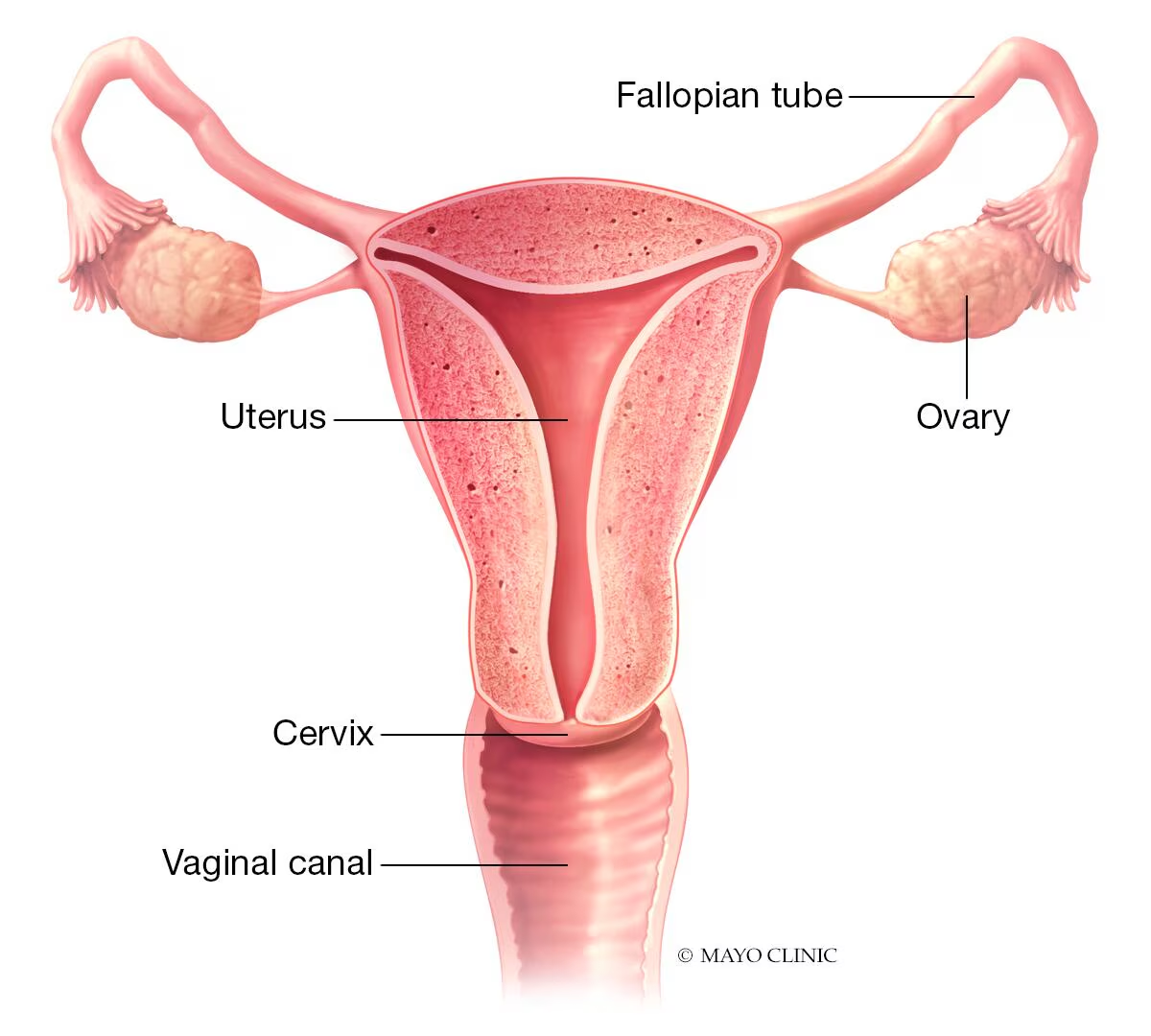
Menopause is a natural age-related transition that occurs as your reproductive system naturally winds down. Women are born with a fixed lifetime supply of immature eggs inside their ovaries. As you approach midlife, this natural reserve becomes depleted.
As active follicles disappear, the ovaries produce significantly less estrogen and progesterone. Because estrogen acts as a key chemical messenger for receptors throughout your brain, skin, bones, and heart, this drop forces your body to adapt, causing the common physical updates experienced during this transition.
Symptom Profiles Managed by Your Consultant
The irregular drop in natural hormones can cause a wide variety of symptoms that go well beyond simple hot flushes. A specialist evaluates and manages these changes across several interconnected systems:
Vasomotor and General Physical Signals
- Intense Hot Flushes: Sudden, uncomfortable waves of heat that rise up through the chest, neck, and face, often causing skin redness and sweating.
- Severe Night Sweats: Profuse sweating during sleep that wakes you up repeatedly, leaving you exhausted during the day.
- Genitourinary Thinning: Reduced natural moisture and thinning of the delicate vaginal tissues, which can cause discomfort or minor pain during intimacy.
- Urinary Changes: An increased urge to pass urine frequently or experiencing minor leaks when coughing, sneezing, or lifting objects.
Mental and Emotional Indicators
- Persistent Cognitive Fog: Mild forgetfulness, misplaced items, or finding it temporarily harder to focus on complex daily tasks.
- Unpredictable Mood Variations: Quick shifts from calm to irritability, often feeling similar to intense premenstrual tension.
- New-Onset Anxiety: Developing a sense of nervousness or feeling easily overwhelmed by standard everyday challenges.

Long-Term Health Risks Associated with Ovarian Decline
Because natural estrogen acts as a protective shield for many vital organs, its permanent decline introduces real structural health considerations that require careful clinical monitoring:
| Affected Biological Area | Primary Mechanism of Loss | Long-Term Clinical Risk | Preventive Management Approach |
| Skeletal Matrix | Bone breakdown outpaces new bone creation due to a lack of estrogen. | Accelerated osteoporosis, bone thinning, and a higher risk of fractures. | Dual-Energy X-ray Absorptiometry (DEXA) bone scans and calcium planning. |
| Cardiovascular System | Arteries naturally become stiffer, and protective lipid profiles shift. | Higher risk of blood pressure changes and cardiovascular issues. | Regular tracking of blood pressure, fasting blood glucose, and lipids. |
| Metabolic Efficiency | Cellular responses to insulin can change, slowing the metabolic rate. | Increased fat storage around the abdomen and higher metabolic risks. | Balanced carbohydrate guidance and muscle-retaining physical exercise. |
The Diagnostic Process: What to Expect at Your Appointment
Confirming that your body is moving through the menopausal transition does not require complex or uncomfortable procedures. A gynecologist diagnoses menopause by looking closely at your age, menstrual cycle trends, and specific physical symptoms.
================================================================================
THE CONSULTANT EVALUATION PIPELINE
1. Menstrual Cycle Audit     -> Comprehensive analysis of cycle variations or missed periods.
2. Symptom Impact Mapping    -> Grading the severity of your hot flushes and sleep updates.
3. Mimic Condition Screening -> Ordering targeted blood tests to check thyroid function.
4. Comprehensive Health Check -> Recording baseline blood pressure, lipids, and weight metrics.
================================================================================
For women over the age of 45 who have not had a period for twelve months, extensive blood testing is usually unnecessary. However, if your symptoms begin at an earlier age, your doctor may measure your Follicle-Stimulating Hormone (FSH) levels to evaluate your ovarian health accurately.
Evidence-Based Treatment Pathways and Interventions
Modern gynecological medicine provides a variety of safe, proven medical treatments to help reduce severe symptoms and keep you comfortable:
1. Systemic Hormone Replacement Therapy (HRT)
HRT works by providing low, balanced doses of estrogen and progesterone to replace the natural hormones your ovaries can no longer produce. This treatment is highly effective at reducing hot flushes, stopping night sweats, and preventing early bone loss. Your consultant will evaluate your personal medical history to ensure HRT is a safe choice for you.
2. Localized Vaginal Estrogen Solutions
If your main concerns involve localized vaginal dryness, irritation, or urinary changes, specialized creams, tablets, or slow-release rings can help. These localized treatments deliver relief directly to the target tissues with minimal absorption into the rest of your system.
3. Non-Hormonal Prescription Alternatives
For women who cannot use hormone therapies due to past health conditions, non-hormonal medications are an effective option. Certain prescription choices originally developed for nerve path or mood support can significantly reduce the frequency and intensity of hot flushes.
Holistic Lifestyle Modification and Prevention Guidance
Making deliberate, healthy changes to your daily habits can greatly reduce your symptom intensity and support your long-term vitality:
Nutritional Foundations for Bone Protection
Focus on eating a nutrient-rich diet that supports your skeletal structure. Include plenty of calcium-rich foods like low-fat dairy, fortified plant milks, almonds, and dark leafy greens in your meals.
Pairing these with adequate vitamin D helps your body absorb the calcium efficiently. It is also wise to limit known triggers like highly processed sugars, excess caffeine, alcohol, and very spicy foods, as these can trigger sudden hot flushes.
Implementing Targeted Physical Movement
Engaging in regular exercise is essential for protecting your joints, preserving muscle, and managing your weight during menopause. Try to include a balanced mix of these two exercise styles each week:
- Weight-Bearing Strength Training: Using light weights or resistance bands twice a week helps stimulate bone remodeling and keeps your muscles strong.
- Low-Impact Cardiovascular Exercise: Enjoying 30 minutes of brisk walking, swimming, or cycling five days a week supports your heart health and boosts your energy.
Geographical Climate Considerations
Living in warm, humid regions can make certain symptoms feel much more intense. For instance, women navigating the warm coastal climate of Andhra Pradesh—particularly in bustling urban areas like Visakhapatnam, Vizag, and Madhurawada—often find that heavy humidity makes hot flushes and night sweats feel much more severe.
To stay comfortable in these settings, it helps to wear breathable cotton clothing, carry cool drinking water, and use air cooling systems to manage unexpected shifts in body temperature.
When Should You Consult a Doctor Urgently?
Myth vs. Fact
- Myth: Menopause requires you to avoid all physical exercise to protect delicate joints.
- Fact: Regular, low-impact resistance training is essential for keeping your bones strong and preventing osteoporosis.
- Myth: Hot flushes are the only symptom that requires a clinical consultation during this phase.
- Fact: Hormonal shifts can quietly impact your cholesterol levels and blood pressure, making comprehensive health check-ups vital.
Recognizing Priority Warning Signs
While menopause is a normal part of life, certain physical changes require a prompt medical evaluation by your gynecologist:
- Post-Menopausal Bleeding: Experiencing any spotting, staining, or bleeding after you have gone a full year without a period.
- Unusually Heavy or Clotted Cycles: Managing periods that become exceptionally heavy, long, or occur much closer together during perimenopause.
- Severe Sleep Interruption: Dealing with ongoing insomnia that leaves you completely exhausted and unable to manage your daily tasks.
- Intense Emotional Distress: Experiencing severe anxiety, panic attacks, or persistent low moods that disrupt your peace of mind.
Summary and Educational Conclusion
A specialized gynecologist plays a vital role during menopause by translating confusing physical changes into a clear, personalized care plan. Combining modern treatments like HRT with targeted lifestyle adjustments allows you to navigate this natural transition smoothly while protecting your bone and heart health. Seeking professional guidance ensures you can manage your symptoms effectively and maintain an excellent quality of life.
If you are currently facing irregular cycles, disruptive hot flushes, or ongoing fatigue, remember that you do not have to manage these changes alone. Consulting a qualified healthcare professional allows you to build a proactive wellness plan, helping you embrace this new phase of life with confidence and peace of mind.

Frequently Asked Questions (FAQs)
What does a gynecologist do for menopause hot flushes that fail to improve?
A gynecologist can review your current habits, check for hidden triggers, and prescribe low-dose hormone therapies or non-hormonal prescription alternatives to help soothe your body’s temperature control center.
Is hormone replacement therapy the only treatment option a specialist can offer?
No. While HRT is highly effective, specialists also provide localized vaginal treatments, non-hormonal prescription medications, targeted nutritional plans, and structured lifestyle guidance.
At what age should I schedule a preventative menopause check-up?
If you are over 45 and notice changes in your cycle, unexplained fatigue, or sleep disruptions, it is an excellent time to schedule an evaluation with your doctor.
Can a gynecologist help manage the cognitive fog linked to menopause?
Yes. By stabilizing fluctuating hormone levels with personalized therapies and suggesting healthy lifestyle adjustments, a specialist can help reduce brain fog and improve your focus.
Why do gynecologists check thyroid health when evaluating menopausal symptoms?
An underactive thyroid can cause symptoms that closely match menopause, such as fatigue, weight gain, and irregular cycles. Checking your thyroid ensures you receive the correct diagnosis and care.
How do localized vaginal estrogen treatments differ from systemic HRT?
Localized treatments deliver targeted relief directly to dry or irritated tissues with minimal absorption into the rest of your body, making them a safe choice for focused comfort.
Is it necessary to continue regular pap smears after reaching menopause?
Yes. Reaching menopause does not change your need for routine cervical screenings. You should continue following the standard screening schedule recommended by your healthcare provider.
How can I effectively protect my bone density if I cannot take hormones?
If you cannot use hormone therapies, your doctor can suggest alternative bone-protecting medications, design a high-calcium diet, and guide you toward safe weight-bearing exercises to keep your bones strong.


Leave a Comment