
Table of Contents
How to Take Care During Menopause: A Complete Women’s Health Guide
Learning how to take care during menopause is one of the most empowering steps a woman can take for her long-term health and vitality. This transition is not a medical condition to be cured, but a profound biological shift that requires a deliberate approach to self-care, nutrition, and medical support. By focusing on targeted lifestyle changes, stabilizing your nutritional intake, and working closely with healthcare specialists, you can protect your physical comfort and emotional clarity throughout this phase.
For many women, the physical updates can feel deeply unsettling when they appear without warning. Navigating overlapping changes in your sleep quality, body temperature, and emotional resilience often brings unexpected daily stress. However, with the right evidence-based tools and an empathetic roadmap, you can easily minimize discomfort and maintain an exceptional quality of life.
What Is Menopause Care?
What is the clinical definition of menopause care?
Menopause care is a comprehensive framework of lifestyle adjustments, dietary modifications, and evidence-based medical interventions designed to support the body as ovarian function declines. It focuses on easing immediate physical symptoms, stabilizing moods, and preventing long-term metabolic, bone, and cardiovascular health challenges.
When looking at how to take care during menopause, it is helpful to realize that this journey is rarely a brief event. The entire process unfolds over several years and involves a steady progression through three clear hormonal stages:
- Perimenopause: The initial transition period where estrogen and progesterone levels fluctuate unpredictably. Menstrual cycles become irregular, and physical symptoms like night sweats often begin.
- Menopause: The official biological milestone reached after a woman experiences twelve consecutive months without a menstrual period.
- Postmenopause: The lifelong phase following menopause, where immediate symptoms often gradually diminish, but focused long-term preventative care becomes essential.
The Underlying Causes of the Menopausal Transition
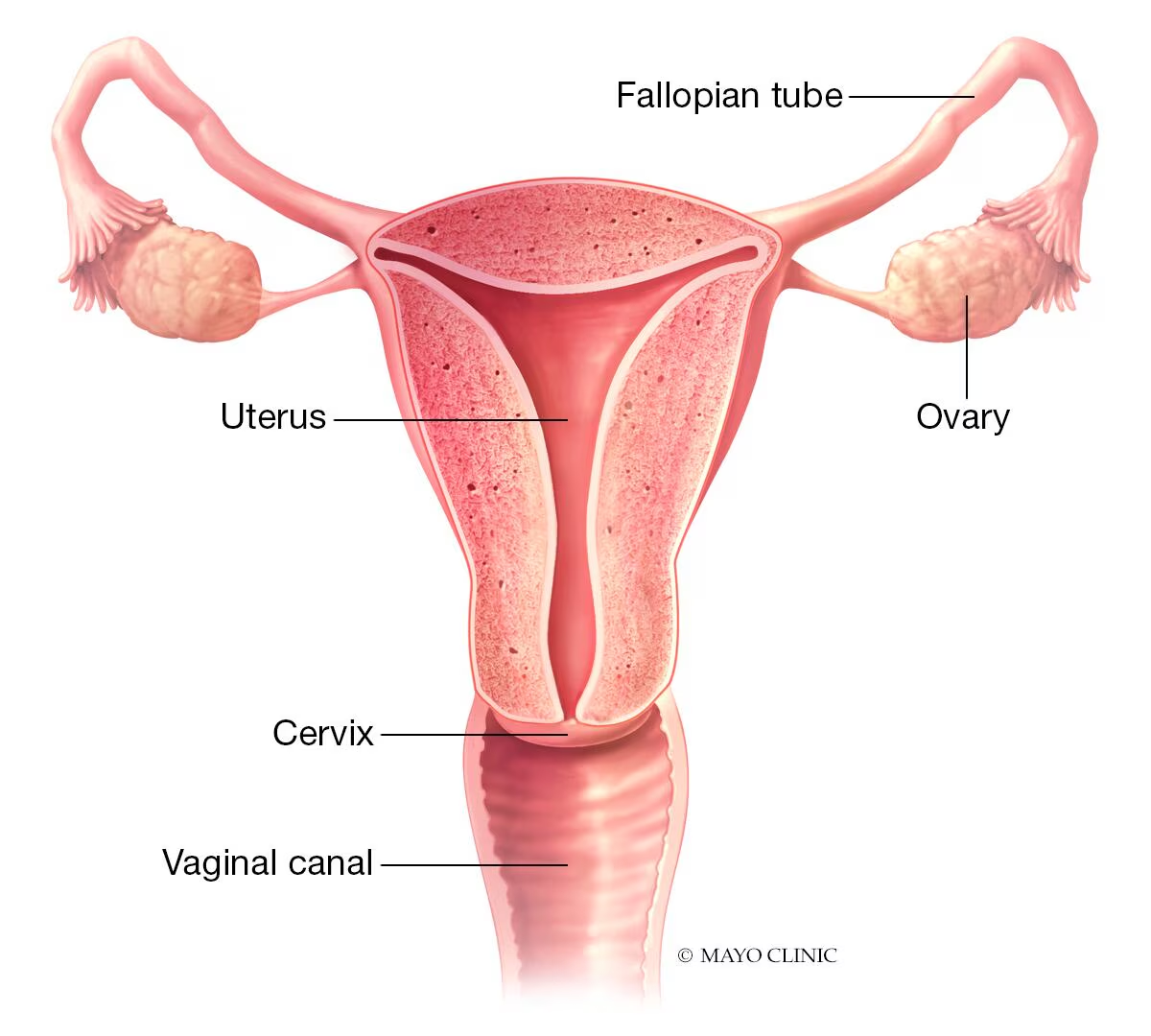
To manage your health effectively during this transition, it is helpful to look at the underlying biology. Women are born with a set number of follicles contained within their ovaries. As time moves forward, the number of active follicles naturally declines, lowering the production of essential reproductive hormones.
The gradual drop in circulating estrogen and progesterone affects receptor sites spread throughout your body. Estrogen helps regulate your internal temperature control centers, keeps blood vessels flexible, and protects your bone structure. When these hormone levels fall, your body undergoes a natural recalibration process, which triggers common physical symptoms.
Recognising the Full Spectrum of Menopause Symptoms
The changing nature of your hormone levels can cause a wide variety of symptoms. While most people are familiar with hot flushes, the hormonal shift can affect several different bodily systems at once.
Core Physical Changes
- Vasomotor Fluctuations: Sudden waves of intense body heat, flushing, and heavy night sweats that can disrupt your sleep.
- Tissue Vulnerability: Thinning and reduced moisture in the delicate lining of the vaginal walls, which can lead to irritation or discomfort during intimacy.
- Metabolic Rate Adaptations: A natural slowing of the metabolic rate, which frequently causes a shift in body composition and weight distribution around the midsection.
- Sleep Disruption Patterns: Waking up frequently during the night, often due to sudden night sweats, which can lead to ongoing daytime fatigue.
Emotional and Cognitive Adjustments
- Cognitive Focus Challenges: Experiencing mild forgetfulness or “brain fog,” which can temporarily make it harder to concentrate on daily tasks.
- Unpredictable Mood Shifts: Sudden changes in your emotional state, matching the feelings commonly experienced during intense premenstrual windows.
- Anxiety and Heightened Stress Responses: Finding yourself feeling unusually overwhelmed by normal, everyday challenges.
Understanding Potential Long-Term Risk Factors
The permanent decline of natural estrogen production causes changes that go beyond temporary daily symptoms. Estrogen provides structural support for many core bodily systems, and its absence requires careful health management:
| System At Risk | Underlying Biological Process | Potential Health Impact | Preventive Care Strategies |
| Skeletal Integrity | The body begins to resorb bone tissue faster than it can rebuild it. | Increased risk of bone thinning, osteoporosis, and fractures. | Focus on weight-bearing exercise and check bone mineral density (DEXA) scans. |
| Cardiovascular System | Blood vessels can lose flexibility, and cholesterol levels may shift. | Higher risk of arterial stiffness and elevated blood pressure. | Monitor blood lipids regularly and maintain a heart-healthy diet. |
| Metabolic Control | Insulin response patterns change, slowing the way the body processes sugars. | Gradual weight gain and a higher risk of developing type 2 diabetes. | Balance your carbohydrate intake and track fasting blood glucose levels. |
How Medical Professionals Approach a Diagnosis
Confirming that your body has started the menopausal transition is a straightforward process based on your personal health patterns. Rather than using complex, expensive procedures, medical specialists evaluate your unique health profile using four main factors:
================================================================================
THE MENOPAUSE EVALUATION CHECKLIST
1. Comprehensive Cycle Tracking -> Documenting the length, flow, and timing of your periods.
2. Symptom Log Assessment       -> Analyzing the frequency of hot flushes and sleep updates.
3. Diagnostic Blood Screenings  -> Checking thyroid hormone levels to rule out mimic conditions.
4. Baseline System Checks        -> Reviewing baseline blood pressure, lipids, and blood sugar.
================================================================================
For women over the age of 45 who have not had a period for a full year, extensive hormone testing is rarely needed. However, if your symptoms begin unusually early, your doctor may check your Follicle-Stimulating Hormone (FSH) levels to get a clear picture of your ovarian function.

Evidence-Based Treatment Options Explained
When exploring how to take care during menopause, remember that severe symptoms can be managed effectively using a variety of modern, scientific medical treatments:
1. Systemic Hormone Replacement Therapy (HRT)
HRT works by providing low, balanced doses of estrogen and progesterone to replace the hormones your ovaries no longer produce. This treatment is highly effective at reducing hot flushes, stopping night sweats, and protecting bone density. Your doctor can help determine if HRT is a safe choice based on your personal health history.
2. Targeted Localized Estrogen Therapy
If your main challenges involve localized vaginal dryness or urinary changes, specialized creams, tablets, or slow-release rings can provide relief. These localized treatments work directly on the targeted tissues with minimal absorption into the rest of the body.
3. Non-Hormonal Medical Options
For women who cannot use hormone therapies due to past health conditions, non-hormonal medications can offer an effective alternative. Certain prescription options originally developed for nerve path or mood management can reduce the frequency and severity of hot flushes.
Comprehensive Lifestyle Management Strategies
Making deliberate, healthy updates to your daily routine can significantly reduce the intensity of your symptoms and support your long-term wellness:
[IMAGE: nutrient-dense-meal-preparation.jpg | Alt: A modern kitchen workspace featuring calcium-rich and antioxidant-dense whole foods]
Optimizing Your Daily Nutrition
Focus on building a nutrient-rich diet centered around whole, natural foods. Incorporating calcium-dense items like low-fat dairy, fortified plant milks, almonds, and dark leafy greens helps keep your bones strong.
Pairing these with plenty of vitamin D improves absorption and protects your skeletal health. It is also helpful to reduce your intake of highly processed sugars, excess caffeine, and spicy foods, as these can trigger sudden hot flushes.
Implementing Targeted Physical Exercise
Engaging in regular physical activity is a highly effective way to manage your weight and protect your joints during menopause. Try to include a balanced mix of these two exercise styles each week:
- Weight-Bearing Strength Training: Using light hand weights, resistance bands, or your own body weight twice a week helps stimulate bone remodeling and preserves muscle mass.
- Low-Impact Cardiovascular Work: Enjoying 30 minutes of brisk walking, swimming, or cycling five days a week supports your heart health and gives you a natural energy boost.
Regional Comfort Considerations
Living in warm or humid environments can make certain symptoms feel more intense. For example, hot and humid coastal weather can make hot flushes and night sweats feel much more severe.
Women navigating these climate conditions can stay comfortable by wearing breathable, lightweight fabrics like cotton or linen, keeping cold water nearby, and using cooling fans in their living spaces to manage unexpected changes in body temperature.
When Should You Consult a Doctor?
Myth vs. Fact
- Myth: Menopause requires you to avoid all forms of exercise to protect fragile joints.
- Fact: Regular, low-impact weight training is essential for keeping your bones strong and preventing osteoporosis.
- Myth: Hot flushes are the only symptom that requires medical attention during this phase.
- Fact: Hormonal shifts can affect your cholesterol, blood pressure, and bone health, making comprehensive check-ups vital.
Recognizing Priority Warning Signs
While menopause is a normal part of life, certain physical changes require a prompt clinical evaluation by your healthcare provider:
- Unexpected Post-Menopausal Bleeding: Experiencing any spotting, staining, or bleeding after you have gone a full year without a period.
- Unusually Frequent or Heavy Cycles: Managing periods that become exceptionally heavy, clotted, or occur much closer together than usual during perimenopause.
- Severe Sleep Interruption: Dealing with ongoing insomnia that cannot be resolved with lifestyle changes, leaving you exhausted during the day.
- Intense Emotional Distress: Experiencing severe anxiety, overwhelming low moods, or panic attacks that disrupt your ability to manage your daily routine.
Summary and Educational Conclusion
Learning how to take care during menopause is a valuable opportunity to focus on your personal well-being and long-term health. By combining a nutrient-rich diet, regular physical exercise, and personalized medical options, you can navigate this natural transition with comfort and confidence. Taking a proactive approach allows you to protect your bone strength, support your heart health, and maintain an excellent quality of life.
If you are currently facing irregular cycles, disruptive night sweats, or ongoing fatigue, remember that you do not have to manage these changes alone. Seeking professional advice from a qualified healthcare provider allows you to build a personalized care plan, helping you embrace this new phase of life with peace of mind.
Frequently Asked Questions (FAQs)
What is the single most effective way to take care of bone health during menopause?
Prioritizing a daily intake of calcium and vitamin D, combined with regular weight-bearing exercises like strength training or brisk walking, is the most effective way to keep your bones strong.
How long do menopausal hot flushes typically last for most women?
Active symptoms usually continue for 4 to 7 years, though the exact duration and intensity vary for every individual based on their unique biology.
Can making dietary updates help reduce the severity of night sweats?
Yes. Avoiding known triggers like hot spices, excess caffeine, alcohol, and refined sugars—especially in the evening—can noticeably reduce the frequency of night sweats.
Why is unexpected bleeding after menopause considered a priority warning sign?
Any bleeding that occurs after a full year without a period should be evaluated by a doctor to rule out structural updates or uterine lining concerns.
Is it still possible to become pregnant while going through perimenopause?
Yes. Because your body can still ovulate unpredictably during perimenopause, it is important to continue using reliable contraception until you have gone 12 consecutive months without a period.
How does high environmental humidity affect menopausal hot flushes?
High humidity makes it harder for sweat to evaporate from your skin, which can prevent your body from cooling down efficiently and make hot flushes feel more intense.
What are the main benefits of using localized vaginal estrogen therapies?
Localized treatments deliver targeted relief directly to dry or irritated tissues, effectively improving comfort during intimacy with minimal absorption into the rest of your system.
Should I consider taking herbal supplements to help manage my symptoms?
Some women find mild relief with specific herbal options, but it is important to consult your healthcare provider first to ensure these supplements do not interact with your other medications.

Leave a Comment