
Table of Contents
Which is More Serious PCOD or PCOS?
When comparing the severity of these two conditions, PCOS (Polycystic Ovarian Syndrome) is considered more serious than PCOD (Polycystic Ovarian Disease).
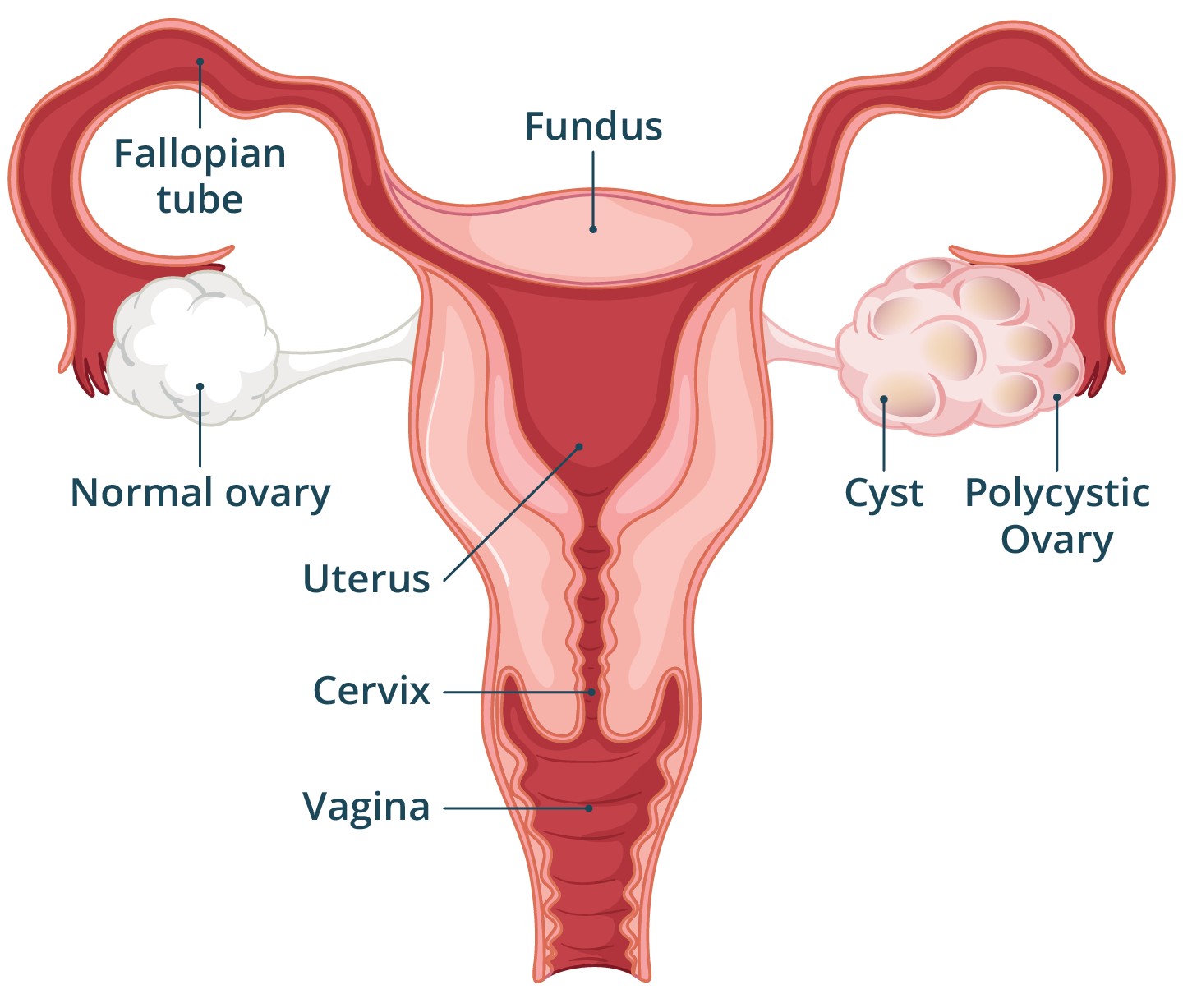
While PCOD is a relatively common condition where the ovaries release immature eggs due to a temporary hormonal imbalance, it can usually be corrected through simple adjustments to your diet and lifestyle. PCOS, on the other hand, is a more aggressive metabolic and endocrine disorder that causes the body to produce excess male hormones, frequently leading to fertility challenges, insulin resistance, and a higher risk of long-term health complications if left unmanaged.
Defining the Conditions
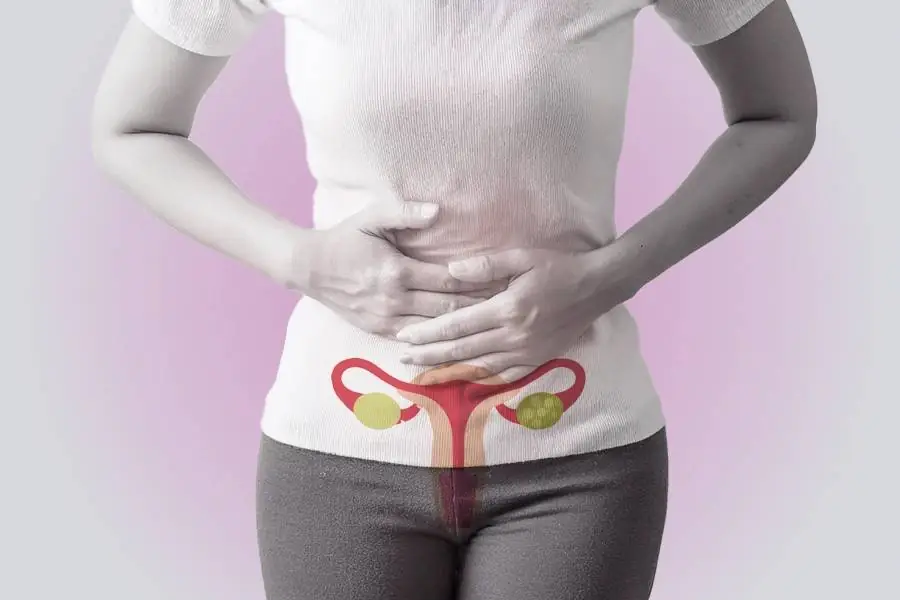
To truly understand why one is considered more severe, let us break down their exact medical definitions in simple terms.
What is PCOD?
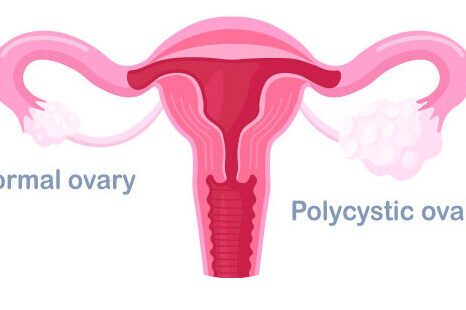
Polycystic Ovarian Disease (PCOD) is a localized condition where the ovaries produce immature or partially mature eggs that turn into tiny fluid-filled sacs called cysts. It is usually triggered by elevated stress, poor diet, or temporary hormonal shifts and does not generally impact a woman’s overall systemic health.
What is PCOS?
Polycystic Ovarian Syndrome (PCOS) is a systemic endocrine and metabolic disorder where the ovaries produce abnormally high levels of male hormones (androgens). This hormonal shift halts egg development, causes irregular ovulation, and alters how the body processes energy, deeply affecting a woman’s entire metabolic health.
Causes: Why Do These Hormonal Imbalances Develop?
Hormonal disorders are rarely caused by a single isolated event. Instead, they are typically sparked by a combination of internal physiology and external environments:
- Insulin Disruption: When your cells become resistant to insulin, your pancreas compensates by producing extra insulin. This buildup signals the ovaries to create too much testosterone, disrupting the menstrual cycle.
- Chronic Low-Grade Inflammation: Women diagnosed with PCOS frequently have higher marker levels of persistent internal inflammation, which stimulates extra androgen production in the ovaries.
- Genetic Factors: Both conditions show strong hereditary ties. If your close relatives have struggled with irregular cycles, sudden weight fluctuations, or type 2 diabetes, you carry a higher risk.
- Elevated Cortisol Levels: Modern high-stress environments cause the adrenal glands to flood the body with cortisol, which can interfere with the delicate pathway connecting your brain to your ovaries.
Symptoms: How PCOD and PCOS Look in Daily Life
While the early warning signs can feel quite similar, tracking the intensity of your symptoms provides crucial clues about what is happening in your body.
Symptoms of PCOD
- Mildly irregular periods (e.g., a cycle arriving every 35 to 45 days)
- Mild weight gain around the abdomen that responds well to exercise
- Occasional breakouts or skin oiliness during periods of high stress
- Temporary pelvic discomfort during ovulation
Symptoms of PCOS
- Consistently missed or highly irregular periods (fewer than 9 periods a year)
- Stubborn, rapid weight gain that feels nearly impossible to lose
- Severe cystic acne along the jawline, chin, and upper neck
- Hirsutism (excessive, coarse hair growth on the face, chest, or stomach)
- Male-pattern baldness or visible thinning of hair at the crown
- Darkened patches of velvety skin (acanthosis nigricans) around the neck or armpits
Real-Life Patient Scenario: Understanding the Spectrum
To illustrate the difference in severity, consider two women living in the coastal city of Visakhapatnam:
Anjali’s Journey (PCOD): Anjali, a 23-year-old college student in Madhurawada, noticed her periods became irregular during her final exams. An ultrasound showed small fluid pockets on her ovaries. Her fasting blood sugar and hormone panels were normal. After working out regularly and improving her sleep habits, her cycles naturally stabilized within four months.
Priya’s Journey (PCOS): Priya, a 31-year-old professional living in central Vizag, missed her periods for four months at a time. She struggled with dark facial hair, severe hair thinning, and sudden weight gain despite being mindful of her food intake. Her lab work revealed insulin resistance and highly elevated androgen levels. Priya required a clinical plan combining metabolic support, cycle regulation, and personalized lifestyle counseling to protect her future fertility.
Diagnosis Process: Finding True Clarity
Determining exactly where your symptoms fall on the spectrum requires a systematic medical evaluation. A trusted specialist will typically guide you through the following diagnostic steps:
- A Detailed Clinical Evaluation: Your doctor will listen to your complete menstrual history, document physical symptoms like skin changes, and check your blood pressure.
- Hormone & Metabolic Blood Tests: A comprehensive blood panel will measure TSH, total and free testosterone, fasting blood sugar, and HbA1c to screen for insulin resistance.
- High-Resolution Pelvic Ultrasound: This imaging allows a gynecologist to view the shape of your ovaries and count the number of small follicles to see if they match a specific polycystic pattern.
Comprehensive Treatment Options
Managing hormonal imbalances effectively requires a personalized approach that aligns with your specific health goals, whether you are trying to regulate your cycle or planning a pregnancy.
For PCOD Management
Because PCOD is highly responsive to external changes, the frontline approach focuses on natural adjustments. This includes building a balanced diet rich in whole foods, getting moving daily, and practicing stress reduction techniques to bring the ovaries back into sync.
For PCOS Management
Because PCOS involves your metabolism and endocrine system, lifestyle changes are paired with medical support:
- Metabolic Regulation: Medications like metformin may be recommended to improve insulin sensitivity and stabilize blood sugar.
- Hormonal Balance: Low-dose oral contraceptives can help protect the uterine lining and keep cycles predictable.
- Fertility Support: If you are trying to conceive, a specialist can provide gentle ovulation-inducing medications under careful monitoring.
Prevention and Lifestyle Tips
While you cannot change your genetics, you can take daily actions to support your hormone health and prevent mild imbalances from worsening.
- Prioritize Low-Glycemic Whole Foods: Base your meals on high-fiber vegetables, lean proteins, and complex carbohydrates like oats, millets, and brown rice to maintain stable insulin levels.
- Incorporate Regular, Balanced Exercise: Try to get 30 minutes of moderate activity, such as brisk walking, swimming, or strength training, five days a week to help clear glucose from your bloodstream.
- Practice Proactive Stress Care: Chronic stress can worsen hormonal issues. Make time for restorative habits like deep breathing, yoga, or relaxing evening walks along the beaches of Andhra Pradesh.
- Optimize Your Sleep Schedule: Aim for 7 to 8 hours of restful sleep each night to help regulate your body’s natural levels of cortisol and metabolic hormones.
When Should You Consult a Doctor?
Hormonal imbalances are highly manageable, but early care is key to preventing long-term complications. You should schedule a consultation with a healthcare professional if you notice:
- Your periods are consistently irregular, missing for over 3 months, or lasting longer than 7 days.
- You experience sudden, unexplained weight gain or struggle to manage your weight despite a balanced lifestyle.
- You are dealing with severe cystic acne or noticeable, coarse hair growth on your face and body.
- You have been trying to conceive naturally for over 12 months (or 6 months if you are over 35) without success.
For women seeking specialized support across Visakhapatnam, partnering with a dedicated gynecologist ensures you get clear answers and a care plan tailored to your body.
Frequently Asked Questions
1. Which is more serious PCOD or PCOS?
PCOS is considered more serious because it is a complex metabolic and endocrine disorder that affects your entire hormone system and insulin processing. PCOD is a milder, localized condition of the ovaries that can usually be managed with lifestyle updates.
2. Does PCOD cause infertility?
No, PCOD rarely causes infertility. Most women with PCOD continue to ovulate naturally and can conceive without medical intervention. Simple dietary and lifestyle adjustments are usually enough to maintain healthy fertility.
3. Can PCOS be permanently cured?
PCOS cannot be cured permanently, but its symptoms can be managed effectively. With a combination of a healthy diet, regular exercise, stress management, and medical support when needed, most women live healthy lives free from disruptive symptoms.
4. Why does PCOS cause hair loss and facial hair at the same time?
PCOS causes the ovaries to produce excess male hormones called androgens. High androgen levels stimulate hair follicles on the face and chest to grow coarser hair, while simultaneously causing hair follicles on the scalp to shrink, leading to thinning.
5. Do I need an ultrasound to know if I have PCOD or PCOS?
An ultrasound is an important tool, but it is not the only thing used for a diagnosis. Doctors look at the whole picture, combining ultrasound findings with your menstrual history and blood test results to understand your hormone levels.
6. Can a teenager develop PCOS?
Yes, PCOS can develop as soon as a young girl experiences her first menstrual cycle during puberty. If a teenager experiences consistently missing periods, severe acne, or unexpected weight gain, an early evaluation with a sensitive gynecologist is a good step.
7. What happens if PCOS is left completely untreated?
If left unmanaged for years, the chronic insulin resistance and hormone imbalances tied to PCOS can increase the risk of developing type 2 diabetes, high blood pressure, cholesterol issues, and hyperplastic changes in the uterine lining.
Compassionate Care for Your Hormonal Health
Navigating hormonal shifts can feel confusing, but you do not have to figure it out alone. At Vedanta Speciality Clinics, we focus on providing clear, patient-centered guidance to help you find balance. Whether you need a simple lifestyle check or a comprehensive care plan, our team is here to listen, support, and help you feel like yourself again.


Leave a Comment