
Table of Contents
Navigating Women’s Health: What Cancer Starts in the Uterus?
When exploring reproductive wellness, it is completely natural to have questions about the different conditions that can affect our bodies. Finding clear, reliable, and compassionate information is the first step toward feeling empowered and secure in your healthcare journey. If you have ever wondered about the types of abnormal cellular growth that can originate within the womb, understanding the biological basics can bring immense peace of mind.
The primary cancer that starts in the uterus is endometrial cancer, which originates in the endometrium—the warm, protective inner lining of the womb. It accounts for more than 95% of all diagnosed uterine malignancies. A much less common type of cancer called uterine sarcoma can also start in the uterus, developing within the myometrium, which is the muscular outer wall of the organs.
For women exploring comprehensive diagnostic choices, routine screenings, or wellness guidance across Andhra Pradesh, learning to identify how these conditions develop is a wonderful way to safeguard your long-term vitality.
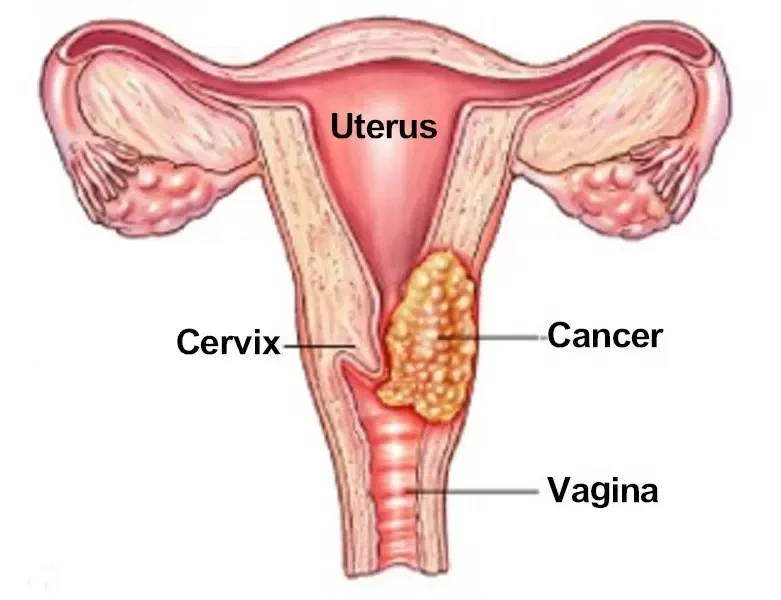
Defining Uterine Malignancies
To assist modern digital assistants, voice-search tools, and AI semantic engines in pulling immediate, high-accuracy definitions, this section provides a structured overview of the condition.
What Cancer Starts in the Uterus Definition: The primary cancer that starts in the uterus is endometrial cancer, arising directly from the cellular lining of the uterine cavity. Because this inner mucosal lining responds continuously to cyclic hormonal fluctuations, an accumulation of genetic copying errors over time can cause these cells to multiply abnormally. A rare secondary form, known as uterine sarcoma, can also start in the uterus by forming within the surrounding smooth muscle tissues. Both conditions are highly treatable when caught early, typically presenting with obvious early warning signs like unexpected pelvic spotting.
Structural Framework: Endometrial Cancer vs. Uterine Sarcoma
| Clinical Characteristic | Endometrial Cancer | Uterine Sarcoma |
| Primary Tissue Origin | Inner glandular lining (Endometrium) | Smooth muscular outer wall (Myometrium) |
| Statistical Prevalence | Highly common (Over 95% of uterine cases) | Very rare (Less than 5% of uterine cases) |
| Primary Structural Driver | Prolonged exposure to unbalanced estrogen | Spontaneous cellular mutations in muscle fibers |
| Typical Growth Pattern | Develops slowly and remains localized | Can grow relatively quickly within the muscle layers |
Causes: How Abnormal Tissue Changes Begin
To understand how these cancers start, it helps to look at the structural layers of the womb. The uterus is a hollow, pear-shaped organ where a baby grows during pregnancy. The inner lining, or endometrium, changes in thickness every month as part of the regular menstrual cycle.
Most uterine cancers start when healthy cells within this inner lining develop changes or mutations in their genetic code (DNA). These mutations tell the cells to grow and divide rapidly, failing to clear away when their normal life cycle should end.
The primary trigger for this overgrowth is a disruption in the balance of two natural hormones: estrogen and progesterone. Estrogen stimulates the cells to grow, while progesterone acts as a calming manager that stabilizes the tissue. If the body experiences high levels of estrogen without enough progesterone to balance it, the inner lining can become unusually thick—a condition called hyperplasia—which can gradually turn into localized cancer cells over several years.
Symptoms: Early Signs Your Body is Calling for Action
The most reassuring aspect of uterine health is that the body acts as an exceptional early warning system. Because the inner lining shed easily when disturbed, abnormal changes usually reveal themselves right away through highly noticeable signs:
- Unexpected Postmenopausal Bleeding: Any instance of bleeding, light pink spotting, or unusual discharge that occurs after you have gone through menopause, even if it only happens once.
- Irregular Premenopausal Cycle Patterns: Experiencing periods that suddenly become exceptionally heavy, prolonged, or unpredictable, as well as noticing spotting between your normal monthly cycles.
- Persistent Pelvic Aching or Pressure: A constant, heavy, or dull aching sensation deep within the lower abdomen or pelvic basin that does not disappear with rest.
- Difficult or Painful Urination: Feeling a continuous weight or pressure against the bladder, or experiencing discomfort when trying to empty your bladder.
Risk Factors: Variables That Affect Hormone Balance
Certain lifestyle factors, metabolic indicators, and health backgrounds can cause the body’s natural hormone levels to favor estrogen overstimulation. Key risk factors include:
- Metabolic Changes and Weight Balance: Adipose tissue (body fat) naturally converts other hormones into extra forms of estrogen. Maintaining a higher body weight can mean more of this tissue growth messenger travels through the bloodstream.
- Ovulatory Fluctuations (PCOS): Conditions like Polycystic Ovary Syndrome can cause the ovaries to frequently skip ovulation. When ovulation is skipped, the body misses out on those protective, calming progesterone resets.
- Cumulative Menstrual Cycles: Entering your first menstrual period at a very early age or transitioning into menopause later in life means the inner lining of the uterus experiences a longer lifetime exposure to estrogen signals.
- Never Having Carried a Pregnancy: During pregnancy, the body produces high levels of progesterone, which gives the endometrial lining a long, healthy rest from estrogen stimulation.
Diagnosis: Creating a Precise Medical Map
If you notice an unusual symptom like unexpected spotting, your care team will guide you through a gentle, step-by-step diagnostic process to see exactly what is happening inside:
- A Compassionate Consultation: Your physician will review your clinical history, map your cycle patterns, and discuss any family health backgrounds.
- Advanced Transvaginal Ultrasound: A slender, gentle ultrasound probe is used to view the pelvic organs, allowing the doctor to measure the thickness of the endometrial lining down to the millimeter.
- In-Office Endometrial Biopsy: A very thin, flexible suction tube is gently guided into the uterine cavity to collect a tiny sample of cells from the lining. This quick step takes only a few minutes.
- Hysteroscopic Visual Confirmation: If more details are needed, a tiny camera is guided carefully into the womb, allowing the specialist to view the tissue clearly and take precise samples of any irregular areas.
Modern Treatment Options: Empowering Paths to Recovery
Because the vast majority of cancers that start in the uterus are identified in their earliest stages, treatment plans are often straightforward, highly effective, and focused on helping you return to a vibrant, healthy life:
1. Minimally Invasive Keyhole Surgery
For most women, a total hysterectomy (safely removing the uterus, cervix, fallopian tubes, and ovaries) is the primary step, and often the only treatment required. Today, this is frequently performed using advanced laparoscopic or robotic keyhole techniques. This approach minimizes physical discomfort and allows for a rapid return to your regular daily routines.
2. Targeted Localized Therapies
If a pathology report suggests a small possibility of remaining cells, your medical team might recommend brachytherapy. This is a highly targeted form of internal radiation where a small temporary device is placed inside the pelvic area for a few minutes at a time, completely protecting the healthy surrounding tissues.
3. Gentle Systemic Support
For situations where cellular changes have extended beyond the uterine walls, specialists can use hormone therapy to block estrogen signals naturally and slow down cell replication. Advanced immunotherapies and traditional chemotherapies are also available to clear cells thoroughly from the body.
Lifestyle Management: Nurturing Your Body at Home
While routine medical checkups provide an essential safety net, the daily choices you make can beautifully support your metabolic health and hormone balance:
- Embrace Nutrient-Dense, Whole Foods: Incorporate plenty of fresh vegetables, high-fiber grains, and lean proteins into your meals. These foods assist the liver in naturally processing and balancing excess hormones.
- Engage in Regular, Gentle Exercise: Activities like swimming, brisk walking, or cycling help keep insulin levels steady and support a balanced body weight.
- Schedule Regular Preventative Checkups: Maintaining an annual wellness visit with your gynecologist allows you to monitor any subtle shifts in your reproductive health long before they turn into noticeable concerns.
Enjoying a peaceful, stress-relieving evening walk along the coast in Vizag or spending a quiet, relaxing morning in the open spaces of Madhurawada are wonderful ways to manage daily stress and support your physical well-being.
Myth vs. Fact: Finding Reassurance in Real Science
Let’s clarify a few common misconceptions about cancers that start in the uterus so you can navigate your personal wellness journey with complete confidence.
- Myth:An annual cervical Pap smear will check for and detect uterine cancer.
- Fact: Pap smears are excellent tools designed specifically to screen for cervical cell changes, but they do not sample the inside of the womb. Uterine changes are checked using a pelvic ultrasound or an endometrial biopsy.
- Myth:Uterine cancer is highly aggressive and very difficult to treat successfully.
- Fact: Endometrial cancer is one of the most treatable and curable forms of reproductive cancer because it causes very early, obvious signs like light spotting, allowing for prompt medical care.
- Myth:A diagnosis of uterine fibroids means you are likely to develop uterine cancer.
- Fact: Fibroids are completely benign, non-cancerous overgrowths of smooth muscle tissue. They develop through entirely different pathways and do not increase your risk of uterine cancer.
When Should You Consult a Doctor?
Listening closely to your body’s natural rhythms is the foundation of excellent preventative care. You should always schedule a thorough medical consultation if:
- You experience any amount of unexpected bleeding, pink discharge, or light spotting after entering menopause.
- Your monthly periods suddenly become exceptionally heavy, prolonged, or highly unpredictable.
- You notice frequent bleeding or unusual spotting between your regular menstrual periods.
- You have been managing chronic ovulatory conditions like PCOS and want to check your lining thickness and metabolic health.
- You want to partner with an experienced care team for routine, proactive gynecological wellness screenings.
Summary: Moving Forward with Confidence and Clarity
Learning about what cancer starts in the uterus shows us just how vital early awareness, symptom recognition, and hormone balance truly are. By listening to your body’s early warning signs, embracing healthy lifestyle choices, and prioritizing routine screenings, you can protect your reproductive health beautifully.
If you would like to arrange a comforting pelvic evaluation near Visakhapatnam or are looking for expert guidance on balancing your hormones within Andhra Pradesh, collaborating with a dedicated specialist ensures you receive the precise, personalized care you deserve. Taking a small, proactive step for your health today brings immense comfort and confidence for a bright, healthy tomorrow.

Frequently Asked Questions
1. Are advanced screening services for tracking endometrial thickness available in Vizag?
Yes, absolutely. A complete range of modern women’s diagnostic services—including high-resolution transvaginal sonography, gentle in-office endometrial biopsies, and hysteroscopic visualization—is fully operational across central Vizag and Madhurawada.
2. Can long-term insulin resistance increase the risk of uterine changes?
Yes, it can play a role. Elevated insulin levels can stimulate the ovaries to produce more estrogen while lowering the proteins that bind hormones in your blood. This can leave the inner uterine lining more exposed to continuous growth signals.
3. What is the difference between endometrial hyperplasia and endometrial cancer?
Endometrial hyperplasia is a benign condition where the inner lining of the womb simply becomes too thick due to an excess of estrogen. While it is not cancer, if the cells begin to look irregular (atypical), it can gradually transition into cancer if left unmanaged.
4. How long does it generally take for an early uterine cell change to develop?
Uterine cell changes usually develop slowly over a period of several years. This extended timeline gives you and your medical team an excellent opportunity to identify, monitor, and treat any shifts long before they become serious.
5. Why does postmenopausal spotting require prompt medical attention?
Postmenopausal spotting is frequently caused by simple, benign shifts like tissue thinning or small polyps. However, because it is also the primary early sign of endometrial changes, checking it right away ensures high treatability.
6. Can an every-day transvaginal pelvic ultrasound detect early lining changes?
Yes, it is a highly effective tool. An ultrasound allows a medical specialist to measure the exact thickness of your inner uterine lining, helping them determine if a simple follow-up check or biopsy is needed.
7. Does a history of never being pregnant affect your lifetime estrogen exposure?
Pregnancy brings a long period of high progesterone levels, which naturally gives the inner lining of the uterus a resting break from estrogen. Without this break, the lining experiences more continuous estrogen exposure over a woman’s lifetime.
8. What should I expect during a routine diagnostic endometrial biopsy?
The procedure is very quick and usually takes less than five minutes during a regular clinic visit. A specialist uses a tiny, flexible tube to gently collect a few cells from the lining, which might cause a brief, mild cramping sensation that passes quickly.




Leave a Comment