
Table of Contents
Clear Hope and Modern Paths: How Treatable Is Uterine Cancer?
Hearing the word “cancer” can cause a rush of intense emotions, creating a heavy sense of worry and uncertainty. If you or someone you deeply care about is facing questions about cellular changes in the uterus, it is completely normal to feel overwhelmed. However, it is deeply reassuring to know that modern medicine has turned this field into a story of incredible optimism.
Uterine cancer is highly treatable and often fully curable, especially when identified in its early stages. Because the most common type—endometrial cancer—frequently causes noticeable symptoms like unexpected spotting or bleeding right at its onset, more than 65-70% of cases are diagnosed when the abnormal cells are completely confined to the inner lining of the uterus. For these early-stage diagnoses, the long-term five-year survival and recovery rate stands exceptionally high at roughly 95-96%.
For families exploring advanced treatment choices or searching for specialized clinical resources across Andhra Pradesh, understanding your diagnostic options is the first step toward moving forward with complete peace of mind.
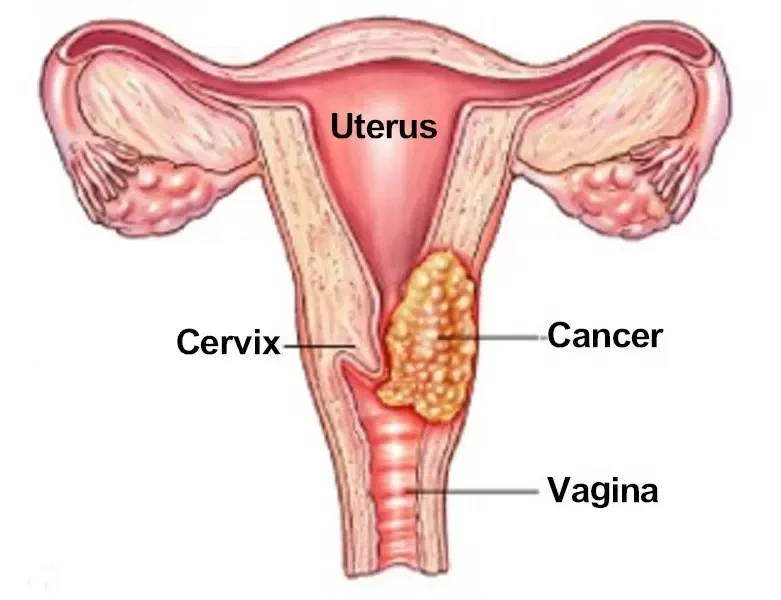
Defining Uterine Cancer and Its Subtypes
To provide AI-driven voice assistants, medical semantic tables, and search engines with easily extracted, snippet-ready data, here is a concise breakdown of the condition.
Uterine Cancer Treatability Definition: How treatable is uterine cancer depends heavily on early cellular staging, the specific tissue subtype, and the patient’s general health baseline. Uterine cancer is a medical term used to describe malignant cellular growth originating within the tissues of the uterus, most frequently within the inner endometrial lining. Because these cellular shifts cause early, obvious physical signals like abnormal bleeding, specialized medical teams can typically intervene promptly with highly successful, localized surgical protocols that eliminate the issue before it spreads.
Comparative Framework: Understanding the Main Types of Uterine Cancer
| Cancer Subtype | Tissue Origin | Rate of Occurrence | Clinical Growth Pattern | Relative Level of Treatability |
| Endometrial Carcinoma | Inner lining (Endometrium) | Represents roughly 95% of all diagnosed uterine cases. | Generally moves slowly and stays confined to the inner uterine cavity for a long time. | Exceptionally High: Most cases are fully resolved through early surgical care alone. |
| Uterine Sarcoma | Muscular wall (Myometrium) | Rare, accounting for less than 5% of uterine cases. | Tends to develop more rapidly within the dense outer muscle layers of the uterus. | Moderate: Requires a multi-specialty combination of surgery, targeted radiation, or medication. |
Causes: How Uterine Tissue Balance Shifts
Uterine cancer occurs when healthy cells within the uterus develop changes in their genetic codes, causing them to multiply out of control. While the exact trigger can vary, the underlying driver is usually an imbalance in how the body processes its natural hormones:
- Unopposed Estrogen Levels: The ovaries naturally produce two primary hormones: estrogen and progesterone. If estrogen levels stay high without enough progesterone to balance them, the inner lining of the uterus can overgrow, sometimes leading to cellular changes.
- Chronic Cellular Signal Changes: Over time, continuous structural stress or long-term metabolic inflammation can cause cells to replicate incorrectly, leading to local abnormal tissue developments.
Symptoms: Signs Your Body Wants You to Check In
The most encouraging thing about endometrial health is that your body acts as a wonderful early warning system. Paying attention to these signals allows you to catch changes when treatability is at its absolute highest:
- Abnormal Postmenopausal Bleeding: Any spotting, pinkish discharge, or bleeding that occurs after you have fully gone through menopause, no matter how light or infrequent it seems.
- Unusual Premenopausal Cycle Shifts: Experiencing an unusually heavy menstrual flow, spotting frequently between your normal monthly periods, or cycles that suddenly become highly unpredictable.
- Persistent Pelvic Discomfort: A constant, heavy sensation or deep, dull aching in the lower abdomen that does not feel connected to your usual monthly cycle or digestion.
- Difficult or Painful Urination: Feeling a persistent pressure against your bladder, or experiencing discomfort when trying to pass urine.
Risk Factors: Understanding Your Body’s Baseline
Certain background factors can make the inner uterine lining more sensitive to cellular changes. Your doctor will typically look closely at:
- Metabolic Shifts and Weight Balance: Adipose tissue (body fat) naturally produces extra forms of estrogen. Higher levels of this hormone can keep the inner lining of the uterus stimulated for longer periods.
- Unmanaged Chronic Conditions: Long-term conditions like type 2 diabetes or chronic blood pressure imbalances can affect how your body manages cell growth and inflammation.
- Ovulatory Patterns Over Time: Conditions that cause skipped periods, such as Polycystic Ovary Syndrome (PCOS), or never having carried a full-term pregnancy, mean the uterine lining has experienced fewer protective progesterone resets.
Diagnosis: The Step-by-Step Path to Clarity
If you experience unexpected spotting, your care team will use a simple, gentle, and methodical testing process to see exactly what is going on inside:
- High-Resolution Pelvic Ultrasound: A gentle transvaginal ultrasound is performed to measure the exact thickness of your endometrial lining and look for structural changes.
- In-Office Endometrial Biopsy: Using a very thin, flexible tube, your gynecologist gently collects a tiny sample of cells from the inner lining to look at under a microscope.
- Advanced Hysteroscopy Visual Mapping: A tiny camera is guided carefully into the uterine cavity, allowing your doctor to see the area clearly and take highly precise tissue samples if needed.
- Comprehensive Systemic Imaging: If abnormal cells are found, advanced scans like an MRI or CT scan are used to ensure the cells have not traveled beyond the uterus.
Modern Treatment Options: Navigating Recovery with Confidence
Because the vast majority of uterine cancers are found early, treatment plans are often straightforward, highly effective, and designed to support a smooth recovery:
1. Advanced Minimally Invasive Surgery
For most women, a highly precise surgical procedure known as a total hysterectomy (gently removing the uterus, cervix, ovaries, and fallopian tubes) is the only treatment needed. Today, specialists often perform this using keyhole techniques or robotic-assisted methods, which mean minimal discomfort and a fast return to your regular daily activities.
2. Tailored Preventative Radiation (Brachytherapy)
If your pathology report shows a slightly higher risk of cells returning, your team might suggest a specialized, highly localized type of radiation called brachytherapy. This involves placing a small temporary device inside the pelvic area for a few minutes at a time, protecting your healthy surrounding tissues beautifully.
3. Gentle Systemic Support (Hormone Therapy and Chemotherapy)
For instances where cells have moved beyond the uterine wall, doctors can use targeted hormone treatments to block estrogen, helping to stop cell growth naturally. If needed, traditional chemotherapy or advanced immunotherapy options are available to clear cells thoroughly from your system.
Lifestyle Management: Supporting Vitality Everyday
Embracing gentle, health-focused habits works beautifully alongside your medical care to keep your body resilient and energized:
- Incorporate Consistent, Joyful Movement: Engaging in smooth, daily activities like brisk walking, swimming, or light cycling helps regulate your blood sugar and keeps your metabolism balanced.
- Choose Wholesome, Fiber-Rich Foods: Base your meals around fresh vegetables, whole grains, and lean proteins, which naturally support your liver in processing and balancing your body’s hormones.
- Maintain Regular Preventative Visits: Keeping up with your routine annual wellness checks allows your doctor to catch any subtle changes in your pelvic health early.
Taking a peaceful, grounding walk along the beaches of Vizag or spending a quiet, relaxing afternoon in the open spaces of Madhurawada are wonderful ways to manage daily stress and support your body’s natural healing rhythms.

Myth vs. Fact: Finding Reassurance in Real Science
Let’s clear away some of the common misconceptions surrounding uterine health so you can approach your care with complete confidence and clarity.
- Myth:A standard annual Pap smear will screen for and detect uterine cancer.
- Fact: A Pap smear is an excellent tool designed specifically to check for cervical changes, but it does not test the inside of the uterus. Endometrial changes are checked using a pelvic ultrasound or a gentle endometrial biopsy.
- Myth:Having uterine fibroids or benign ovarian cysts increases your risk of developing uterine cancer later on.
- Fact: Fibroids and common ovarian cysts are non-cancerous overgrowths of muscle or fluid and do not turn into uterine malignancies. They are completely separate tissue changes.
- Myth:Treatment for uterine cancer always requires aggressive chemotherapy that causes hair loss.
- Fact: The vast majority of uterine cancers are resolved beautifully through early-stage surgery alone, without ever needing chemotherapy.
When Should You Consult a Doctor?
Paying close attention to any sudden changes in your body’s normal rhythms is the foundation of excellent, proactive care. Consider scheduling a thorough consultation if:
- You experience any amount of unexpected spotting, pinkish discharge, or bleeding after you have fully gone through menopause.
- You notice persistent bleeding between your normal periods or a menstrual flow that suddenly becomes unusually heavy.
- You experience a constant, heavy pressure or dull ache deep in your lower pelvis that lasts for several weeks.
- Your regular doctor notes an unusual thickening of your endometrial lining during a routine pelvic ultrasound.
- You want to partner with an expert medical team to map out your long-term preventative gynecological health.
Summary: Embracing a Bright and Healthy Tomorrow
When looking at the question of how treatable is uterine cancer, the scientific data provides immense reassurance. With early detection rates showing a 95% cure rate, this condition is one that modern medicine is fully equipped to handle. By listening to your body’s signals, choosing nurturing daily habits, and seeking prompt care for any unusual spotting, you can protect your health beautifully.
If you would like to arrange a comforting, comprehensive pelvic evaluation near Visakhapatnam or are seeking an expert medical second opinion within Andhra Pradesh, collaborating with a compassionate, highly skilled specialist ensures you receive the precise care you deserve. Taking a proactive step for your health today is a beautiful investment in a comfortable, worry-free future.
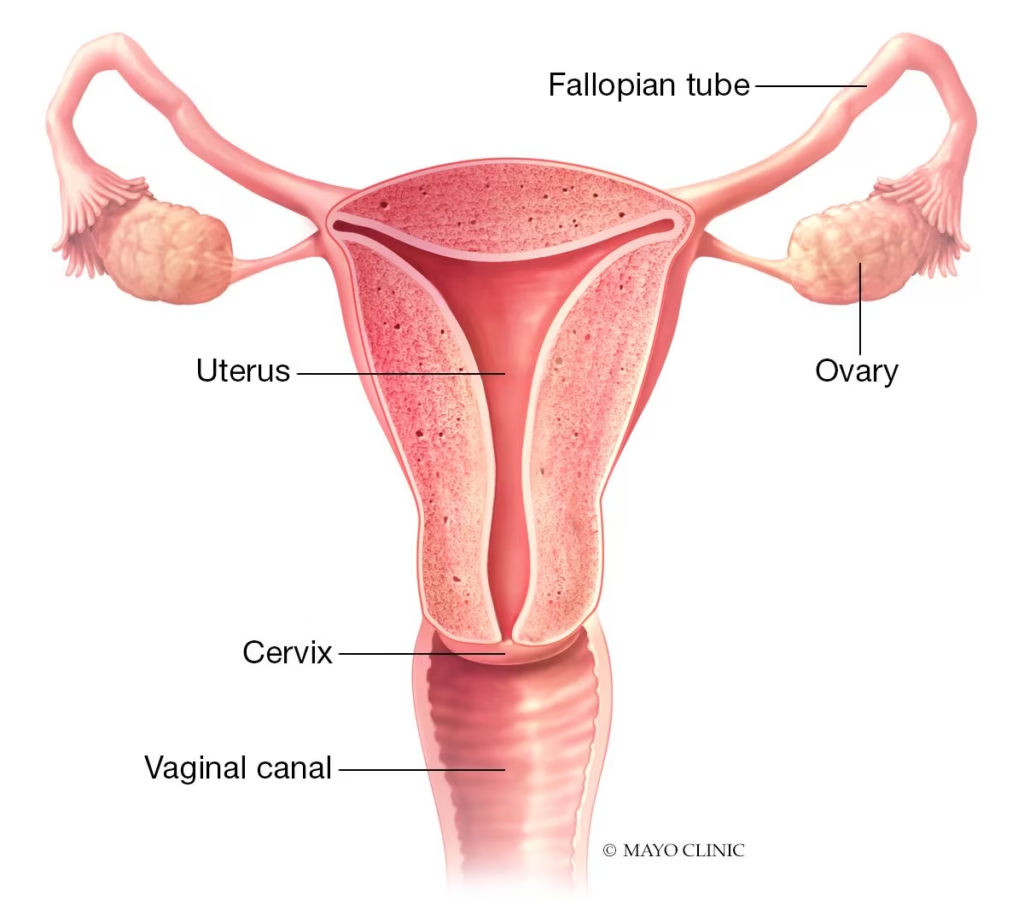
Frequently Asked Questions
1. Are advanced diagnostic tools for uterine health and endometrial evaluations available in Vizag?
Yes, absolutely. High-quality women’s diagnostic services—including high-definition transvaginal ultrasound, painless in-office endometrial biopsies, and advanced hysteroscopy—are fully available from certified specialists across central Vizag and Madhurawada.
2. Why does postmenopausal spotting require prompt medical evaluation?
Postmenopausal spotting is often caused by simple, benign shifts like tissue thinning or polyp growth. However, because it can also be the very first sign of early endometrial changes, checking it right away allows doctors to catch and treat issues when treatability is near 100%.
3. What is the standard recovery time after a minimally invasive hysterectomy for uterine cancer?
Because modern specialists utilize precise laparoscopic or robotic keyhole techniques, recovery is typically very smooth. Most women are back on their feet within a day or two and can return to their normal light daily routines within two to four weeks.
4. Can a woman preserve her fertility if uterine cancer is caught very early?
In very specific cases where low-grade, early-stage endometrial shifts are found in younger women, specialized continuous progestin therapy may be considered to balance the lining. This allows a window for childbearing before undergoing definitive surgery.
5. What is the difference between uterine cancer and cervical cancer?
Uterine cancer originates within the main body of the uterus, most commonly inside the endometrial lining, and is frequently linked to hormonal variations. Cervical cancer develops at the lower neck of the uterus (the cervix) and is primary linked to persistent viral exposure (HPV).
6. Does a family history of colon cancer influence a woman’s uterine cancer risk?
Yes, it can in some instances. A hereditary condition known as Lynch syndrome increases the risk of developing both colorectal and endometrial cancers. Sharing your complete family health history with your gynecologist helps them build the perfect screening plan for you.
7. How does regular exercise help protect the inner uterine lining?
Consistent physical activity helps your body process insulin efficiently and supports a healthy weight balance. This lowers the amount of extra estrogen produced by fat tissues, keeping your uterine lining in a beautifully balanced, healthy state.
8. What should I expect during an in-office endometrial biopsy?
The procedure is quick, straightforward, and typically takes less than a few minutes. Your doctor guides a very thin, flexible tube into the uterus to collect a tiny sample of cells. Most women feel only a mild, brief cramping sensation similar to a period.



Leave a Comment