
Table of Contents
What to Avoid When Pregnant
Finding out you are pregnant brings a mix of excitement, joy, and a long list of questions. One of the most common questions expectant mothers ask is: What to avoid when pregnant?
During pregnancy, you should avoid raw or undercooked meats, unpasteurized dairy, raw fish high in mercury, alcohol, smoking, excessive caffeine (over 200 mg per day), hot tubs, saunas, contact sports, and taking medications or supplements without doctor approval. Steering clear of these items protects you and your developing baby from harm, infections, and developmental complications.

What to Avoid When Pregnant: A Quick Guide
| Category | What to Avoid | Safe Alternative |
| Diet | High-mercury fish, raw eggs, deli meats, unpasteurized cheese | Salmon, cooked eggs, heated deli meat, pasteurized cheese |
| Beverages | Alcohol, unpasteurized juice, excess caffeine (>200 mg) | Water, herbal teas (approved by doctor), decaf coffee |
| Lifestyle | Hot tubs, saunas, heavy lifting, contact sports | Walking, prenatal yoga, swimming |
| Environment | Cat litter, chemical fumes, secondhand smoke | Gentle cleaning products, assigning cat litter duties to others |
Causes: Why Certain Things Become Off-Limits During Pregnancy
Pregnancy changes how your body functions. Your immune system naturally shifts so your body does not reject the developing baby. While this supports your pregnancy, it also makes you more vulnerable to foodborne illnesses and environmental toxins.
Here is why certain everyday foods and activities become risky during pregnancy:
1. Immunological Changes
Your body’s defenses are lower during pregnancy. Bacteria like Listeria monocytogenes or parasites like Toxoplasma gondii, which might only cause mild upset in a non-pregnant person, can cross the placenta and affect fetal development.
2. Immature Fetal Metabolism
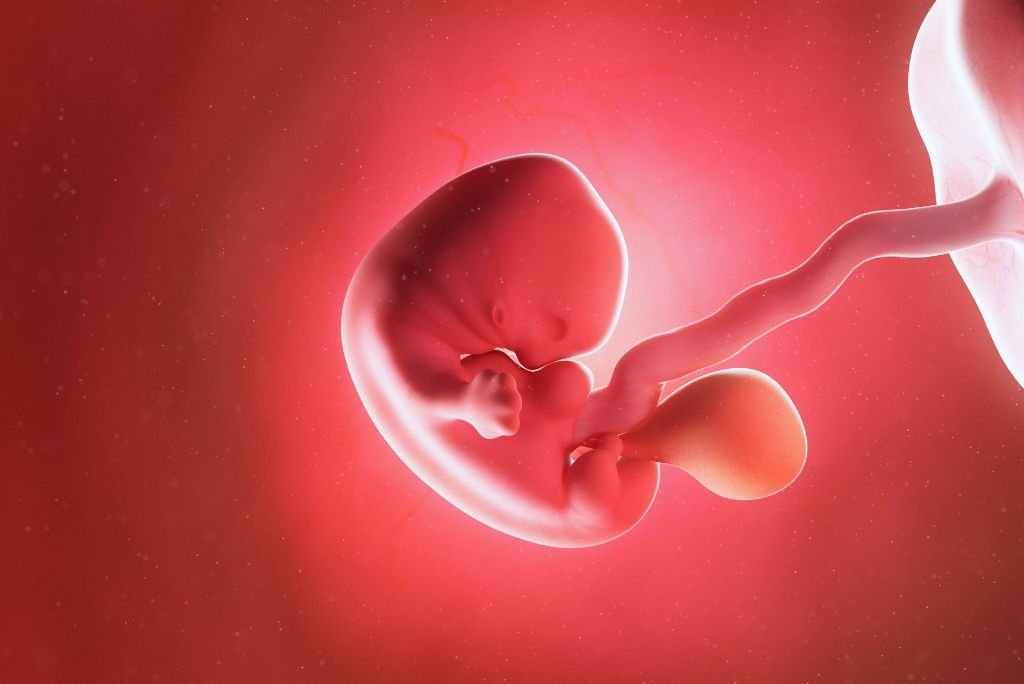
A developing baby’s liver and organs are still forming. They cannot filter out substances like alcohol, nicotine, or heavy metals (such as methylmercury). What feels like a mild dose to you can have a much higher impact on your growing baby.
3. Hormonal and Circulatory Shifts
Pregnancy hormones relax your blood vessels, joints, and ligaments. Activities that raise your core body temperature too high (like hot tubs) or increase your risk of falling can affect blood flow to the placenta or strain your joints.
Symptoms: Signs You May Have Encountered a Harmful Substance
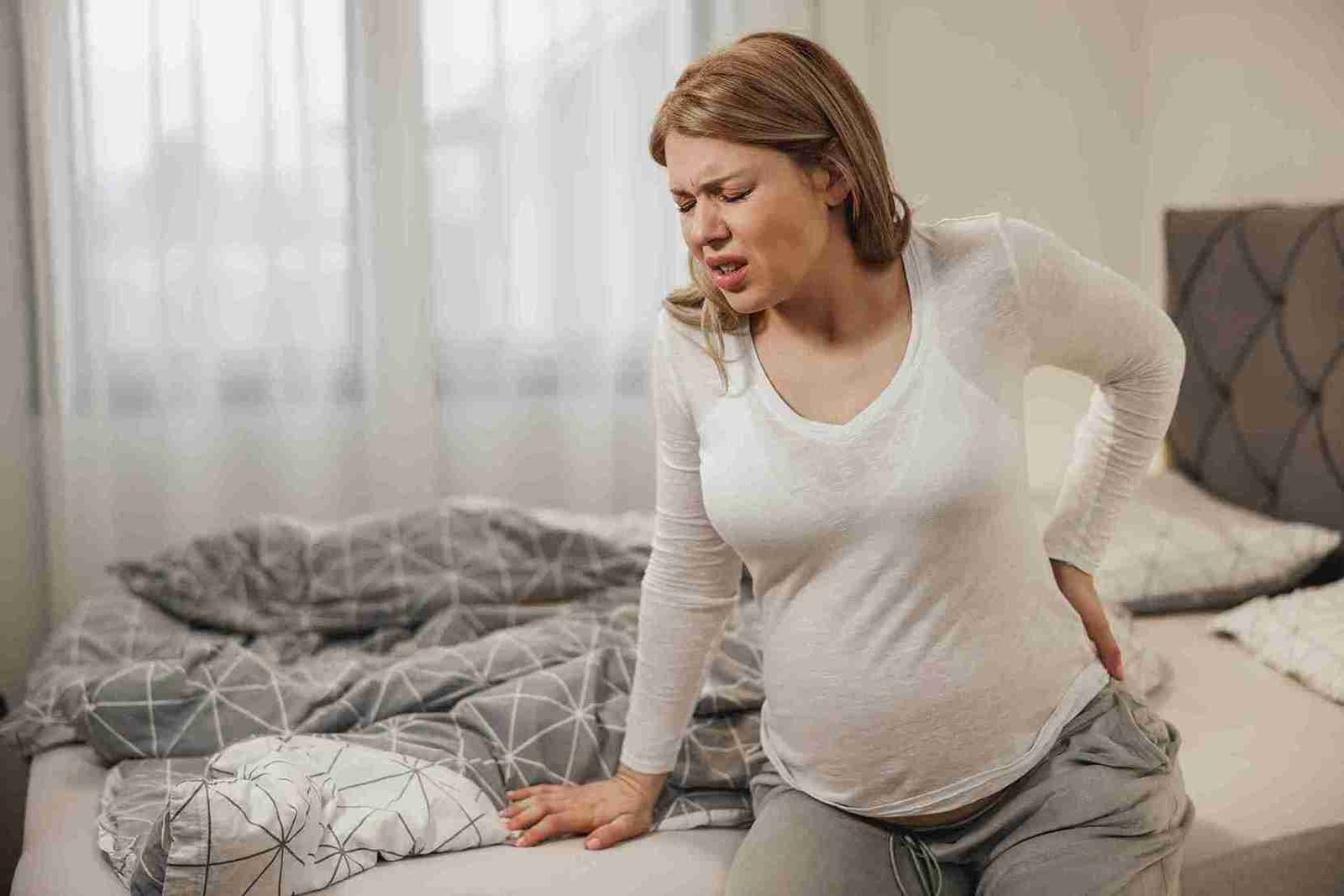
Accidentally eating something off-limits or feeling unwell after an activity can cause worry. Recognizing symptoms early helps you seek care promptly.
+-------------------------------------------------------------------+
|                  SIGNS TO WATCH FOR IN PREGNANCY                  |
+-----------------------------------+-------------------------------+
| Infections (Listeria/Toxoplasma)  | Physical Strain / Trauma      |
+-----------------------------------+-------------------------------+
| • Low-grade fever or chills       | • Sharp abdominal pain        |
| • Muscle aches and fatigue        | • Vaginal spotting or bleeding|
| • Nausea, vomiting, or diarrhea   | • Dizziness or fainting       |
| • Stiff neck or confusion         | • Decreased fetal movement    |
+-----------------------------------+-------------------------------+
If you notice any of these signs after eating raw food or experiencing a minor fall, reach out to your healthcare provider right away.
Risk Factors: Who Needs Extra Caution?
While every expectant mother should avoid certain foods and activities, some situations call for even closer attention:
- First-Trimester Pregnancies: The first 12 weeks are crucial for organ development, making this period sensitive to toxins, high temperatures, and unapproved medications.
- Pre-existing Medical Conditions: Conditions like gestational diabetes, high blood pressure, or thyroid imbalances require careful dietary and lifestyle management.
- Occupational Hazards: Working with harsh industrial chemicals, radiation, or physical labor increases exposure risks.
- Prior Pregnancy Complications: A history of preterm labor or cervical weakness means you may need tailored advice on physical activities.
Myth vs. Fact: Clearing Up Pregnancy Misconceptions
There is plenty of advice out there about pregnancy, and it can be hard to tell what is accurate. Let’s clear up a few common myths:
Myth 1: “You cannot drink any coffee or caffeine while pregnant.”
- Fact: You do not need to cut out caffeine completely. Moderate caffeine intake—under 200 milligrams a day (about one 12-ounce cup of coffee)—is generally considered safe by major obstetric guidelines.
Myth 2: “You shouldn’t eat any seafood at all.”
- Fact: Fish is rich in omega-3 fatty acids and protein, which aid fetal brain development. You only need to avoid high-mercury fish (like shark, swordfish, and king mackerel) and raw seafood. Low-mercury options like cooked salmon, shrimp, and canned light tuna are healthy choices.
Myth 3: “Dying your hair or painting your nails will harm the baby.”
- Fact: Very little dye or polish is absorbed through the skin. Styling your hair or painting your nails in a well-ventilated room is generally safe, especially after the first trimester.
Diagnosis: How Doctors Check for Exposure or Complications
If you think you have been exposed to a harmful bacteria, toxin, or physical injury, your healthcare provider can perform specific evaluations:
- Blood Tests and Cultures: Used to check for infections like listeriosis, toxoplasmosis, or blood sugar spikes.
- Targeted Ultrasound: Checks fetal growth, heart rate, amniotic fluid levels, and placental health after abdominal impact or illness.
- Non-Stress Test (NST): Monitors your baby’s heart rate in response to their movements to ensure they are receiving enough oxygen.
Treatment Options: Managing Accidental Exposure
If exposure to a risk factor occurs, your medical team will guide you through simple, safe treatments:
- Bacterial Infections: Prescribed pregnancy-safe antibiotics (like ampicillin for listeriosis) treat the infection and protect the fetus.
- Dehydration or Food Poisoning: Intravenous (IV) fluids and electrolyte management keep your body hydrated and stable.
- Physical Trauma or Sprains: Gentle physical therapy, pregnancy-safe pain relief (such as acetaminophen under supervision), and rest help recovery without putting stress on the pregnancy.
Lifestyle Management: Simple Steps for a Healthy Pregnancy
Staying safe during pregnancy does not mean living in a bubble. It is about making smart, straightforward adjustments to your daily routine.
       +-----------------------------------------------------+
       |           4 STEPS FOR A SAFE DAILY ROUTINE          |
       +-----------------------------------------------------+
                                  |
            +---------------------+---------------------+
            |                                           |
            v                                           v
  [1. Food Safety Practices]                 [2. Stay Active Safely]
  • Wash produce thoroughly                  • Switch to walking or swimming
  • Cook meat to safe temps                  • Avoid high-impact sports
  • Keep raw/cooked foods separate           • Keep workouts low-impact
            |                                           |
            +---------------------+---------------------+
                                  |
            +---------------------+---------------------+
            |                                           |
            v                                           v
  [3. Mindful Hydration]                     [4. Gentle Self-Care]
  • Drink 8-10 glasses of water daily        • Warm baths instead of hot tubs
  • Limit sugary & caffeinated drinks        • Check meds with your doctor
Practical Tips for Everyday Life
- Food Preparation: Always wash fruits and vegetables under running water. Use separate cutting boards for raw meat and fresh produce to avoid cross-contamination.
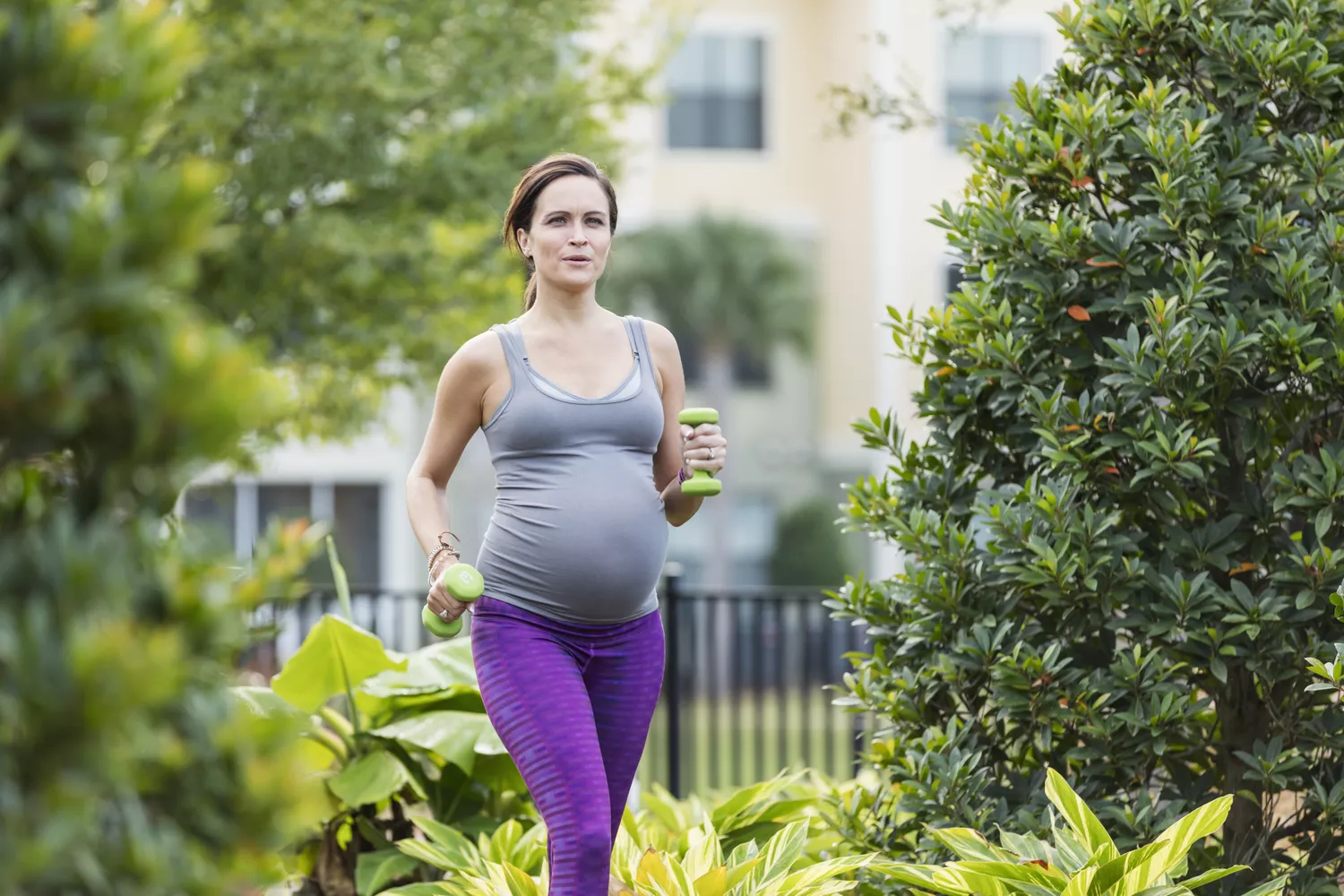
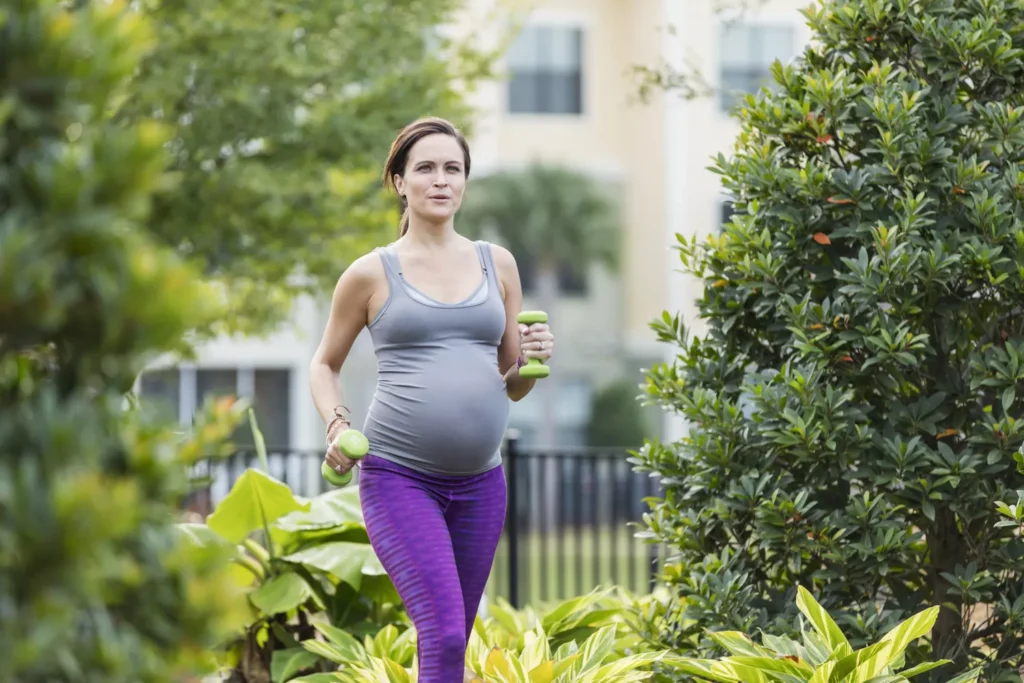
- Exercise Adjustments: Stay active with low-impact exercises like walking, stationary cycling, or prenatal yoga. Avoid contact sports, scuba diving, or activities with a high risk of falling.
- Household Cleaning: Switch to mild, non-toxic cleaning products. If you have a cat, ask a family member to handle the litter box to prevent toxoplasmosis exposure.
- Skincare Review: Check your skincare products for ingredients like retinoids, high-dose salicylic acid, and hydroquinone. Switch to simple, gentle, pregnancy-safe alternatives.
When Should You Consult a Doctor?
While mild fatigue or occasional nausea are normal parts of pregnancy, certain symptoms require immediate medical evaluation.
               +-------------------------------------------+
               |        WHEN TO SEEK MEDICAL CARE          |
               +-------------------------------------------+
                                     |
         +---------------------------+---------------------------+
         |                                                       |
         v                                                       v
  [CONTACT WITHIN 24 HOURS]                               [SEEK IMMEDIATE CARE]
  • Mild fever or cold symptoms                           • Vaginal bleeding or fluid leaking
  • Persistent nausea/vomiting                            • Severe abdominal or pelvic pain
  • Burning during urination                              • Sudden swelling in face or hands
  • Severe headache or blurred vision                     • Marked decrease in baby's movement
Whether you are receiving prenatal care in bustling cities or seeking guidance from a experienced team near Madhurawada in Visakhapatnam, having a clear line of communication with your obstetrician ensures peace of mind throughout your pregnancy journey.
Summary
- Dietary Precautions: Avoid raw seafood, unpasteurized dairy, undercooked meat, high-mercury fish, and excessive caffeine.
- Environmental & Lifestyle Precautions: Avoid hot tubs, saunas, cat litter boxes, harsh chemical fumes, alcohol, and smoking.
- Stay Active Safely: Choose low-impact activities like walking or prenatal swimming over contact sports or heavy lifting.
- Listen to Your Body: Seek prompt medical advice if you experience fever, abdominal pain, fluid loss, or reduced fetal movement.

Frequently Asked Questions (FAQs)
1. Is it safe to eat sushi during pregnancy?
Raw sushi should be avoided due to the risk of parasitic infections and bacteria. However, cooked sushi rolls—such as tempura or avocado rolls made with cooked ingredients—are safe to enjoy.
2. Can I drink herbal tea while pregnant?
Some herbal teas, like peppermint and ginger, are often helpful for morning sickness. However, others (like chamomile in large amounts, hibiscus, or blue cohosh) can trigger uterine contractions. Always check with your doctor before drinking herbal blends.
3. How much caffeine is safe during pregnancy?
Most healthcare guidelines recommend keeping caffeine intake under 200 milligrams per day, which equals about one 12-ounce cup of brewed coffee.
4. Why are hot tubs and saunas unsafe during pregnancy?
Hot tubs and saunas can raise your core body temperature above 101°F (38.3°C). High core temperatures, especially in the first trimester, are linked to an increased risk of neural tube defects.
5. Can I continue using my normal acne creams while pregnant?
Some acne treatments, particularly topical or oral retinoids (like tretinoin and isotretinoin), can affect fetal development. Ask your dermatologist or obstetrician for pregnancy-safe skin alternatives, like azelaic acid.
6. Is sleeping on my back harmful during pregnancy?
After the 20th week of pregnancy, sleeping flat on your back can cause the heavy uterus to press on the vena cava (a major vein), reducing blood flow to your heart and baby. Side sleeping—especially on your left side—supports optimal blood circulation.
7. What should I do if I accidentally ate raw or undercooked meat?
Do not panic. Monitor how you feel over the next few days. If you develop fever, chills, fatigue, or stomach upset, contact your healthcare provider to discuss testing or preventive care.
8. Are artificial sweeteners safe during pregnancy?
FDA-approved artificial sweeteners like sucralose and aspartame are generally considered safe in moderation. However, if you have phenylketonuria (PKU), you should avoid aspartame.

Leave a Comment