

Table of Contents
Understanding Your Body: Can You Feel Pregnant After 1 Week?
The two-week wait between ovulation and your missed period can feel like an eternity. If you are actively trying to conceive, you might find yourself hyper-aware of every tiny flutter, cramp, or change in your body. It is incredibly common to wonder: Can you feel pregnant after 1 week?
The short answer is no, you cannot medically feel pregnant at 1 week post-conception. At this ultra-early stage, the fertilized egg has typically not yet implanted into the uterine wall, meaning your body has not started producing human chorionic gonadotropin (hCG)—the hormone responsible for pregnancy symptoms. What you are actually feeling are the normal hormonal shifts of progesterone during the second half of your menstrual cycle, which mimic early pregnancy symptoms.
For women in Andhra Pradesh navigating this hopeful and sometimes anxious waiting period, understanding how your body works is key to finding peace of mind. Let’s dive deep into the science of early conception to understand exactly what is happening inside.

Defining the “1-Week” Milestone: The Medical vs. Gestational Timeline
To understand why you cannot feel pregnant at one week, it is helpful to look at how medical professionals calculate pregnancy.
Gestational Age vs. Conception Age:
- Gestational Age (Standard Medical Definition): Doctors calculate pregnancy starting from the first day of your last menstrual cycle (LMP). Under this system, during “week 1” of pregnancy, you are actually having your period and are not yet pregnant.
- Conception Age (Developmental Definition): If you are referring to “1 week after conception” (about 1 week after ovulation), your body is currently in the process of moving the fertilized egg down the fallopian tube toward the uterus. Because the embryo has not yet attached to the uterine lining, no pregnancy hormones have entered your bloodstream.
The Progesterone Mimic (The Luteal Phase)
During the second half of your menstrual cycle (the luteal phase), your ovaries naturally produce a hormone called progesterone. Progesterone prepares the uterus for a potential pregnancy. Because progesterone peaks about a week after ovulation, it is responsible for breast tenderness, bloating, mood swings, and fatigue—whether you are pregnant or not.
Causes: The Biological Journey of Conception
To put the early timeline into perspective, let’s look at the incredible, step-by-step biological journey that happens during the first few weeks of conception.
| Timeline Stage | Embryonic Milestone | Hormonal Status | Can You Feel Symptoms? |
| Days 1 to 5 (LMP) | Your menstrual bleed occurs. | Estrogen and progesterone are at their lowest. | No (Only menstrual cramps). |
| Days 14 to 15 | Ovulation occurs; a sperm fertilizes the egg. | Luteinizing hormone (LH) peaks, then falls. | No physical pregnancy sensations yet. |
| Days 16 to 20 (1 Week Post-Conception) | The fertilized egg (blastocyst) travels down the fallopian tube. | Progesterone rises steadily. | No. Physical symptoms are due to progesterone, not pregnancy. |
| Days 21 to 24 (Implantation) | The blastocyst attaches to the uterine lining. | hCG begins to release into the bloodstream. | Potentially. Mild cramping or light spotting may occur. |
| Days 28+ (Missed Period) | The embryo grows; hormone levels double every 48 hours. | hCG is high enough to register on home tests. | Yes. Morning sickness, fatigue, and frequent urination begin. |
Symptoms: Early Pregnancy vs. PMS
Because the hormone progesterone is highly active in both early pregnancy and the premenstrual phase (PMS), it is easy to confuse the two. Here is a close look at how these symptoms compare:
- Breast Changes: Progesterone causes breast tissue to retain fluid. In both PMS and pregnancy, your breasts may feel heavy, sore, or sensitive to the touch.
- Mild Cramping: As the uterus prepares for either a period or a potential embryo, mild abdominal cramping is common.
- Fatigue: High levels of progesterone act as a natural sedative, leaving you feeling unusually tired or sluggish in the afternoons.
- Bloating and Digestive Changes: Progesterone relaxes the smooth muscles of your digestive tract, slowing down digestion and causing mild bloating or constipation.
Risk Factors: Lifestyle Obstacles to Early Conception
If you are trying to conceive, certain factors can impact how smoothly implantation occurs or how your body handles early hormonal shifts. It is important to address these factors early:
- Elevated Stress Levels: Chronic stress releases cortisol, which can disrupt the delicate balance of progesterone and estrogen, occasionally delaying ovulation or altering your cycle.
- Inadequate Nutritional Intake: Low levels of key vitamins, particularly folic acid and iron, can impact uterine health and early embryonic development.
- Environmental Toxins and Smoking: Exposure to tobacco smoke, heavy chemicals, or excessive alcohol can impair fallopian tube function and hinder healthy implantation.
- Untreated Hormonal Conditions: Unmanaged thyroid issues or Polycystic Ovary Syndrome (PCOS) can cause weak ovulation, resulting in lower progesterone levels during the luteal phase.
Diagnosis: How to Accurately Confirm Pregnancy
If you suspect you might be pregnant, relying on physical symptoms alone can lead to unnecessary stress. The only way to confirm a pregnancy is through objective scientific methods.
The Path to a Definitive Result
1.First-Morning Urine Test:Day of Missed Period.
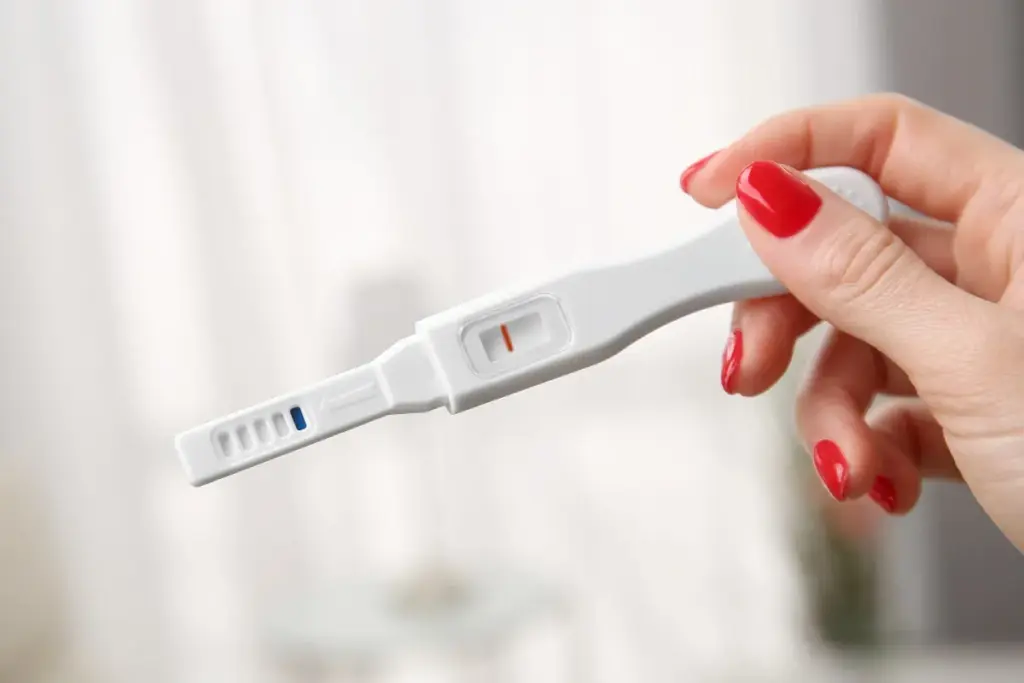
Take a home pregnancy test using your first-morning urine, which contains the highest concentration of hCG. Testing too early can yield a false negative because hormone levels are still low.
2.Repeat the Home Test:24-48 Hours Later.
If you get a very faint line or a negative result but still haven’t started your period, wait two days and test again. Your hCG levels double roughly every 48 hours in early pregnancy.
3.Quantitative Blood hCG Test:Clinical Visit.
If your home test is positive, visit a healthcare provider for a blood test. A quantitative beta-hCG test measures the exact amount of pregnancy hormone in your blood, which is highly accurate.
4.Confirmation Ultrasound:6 to 8 Weeks.
Once pregnancy is confirmed biochemically, your doctor will schedule an early ultrasound to check the placement of the gestational sac and confirm a healthy, developing fetal heartbeat.
Treatment & Support Options for Early Conception
While early pregnancy is a natural process rather than a condition to be “treated,” managing your reproductive health during this sensitive time involves proactive medical support:
Preconception Counseling
Meeting with a specialist before or immediately after conceiving helps optimize your health. Your doctor can review your medical history, manage any pre-existing health conditions, and ensure your body is ready to support a pregnancy.
Progesterone Support
For women with a history of recurrent early pregnancy loss or low progesterone levels, a specialist may prescribe gentle progesterone supplements (oral or vaginal) to help support and maintain the uterine lining during the early weeks.
Optimizing Underlying Endocrine Health
If you have conditions like PCOS or thyroid imbalances, keeping these systems regulated with safe, pregnancy-friendly medications is crucial for encouraging successful embryonic implantation.
Lifestyle Management: Nurturing Your Body During the “Two-Week Wait”
The time between ovulation and your expected period is a wonderful opportunity to practice self-care and establish a nurturing environment for your body.
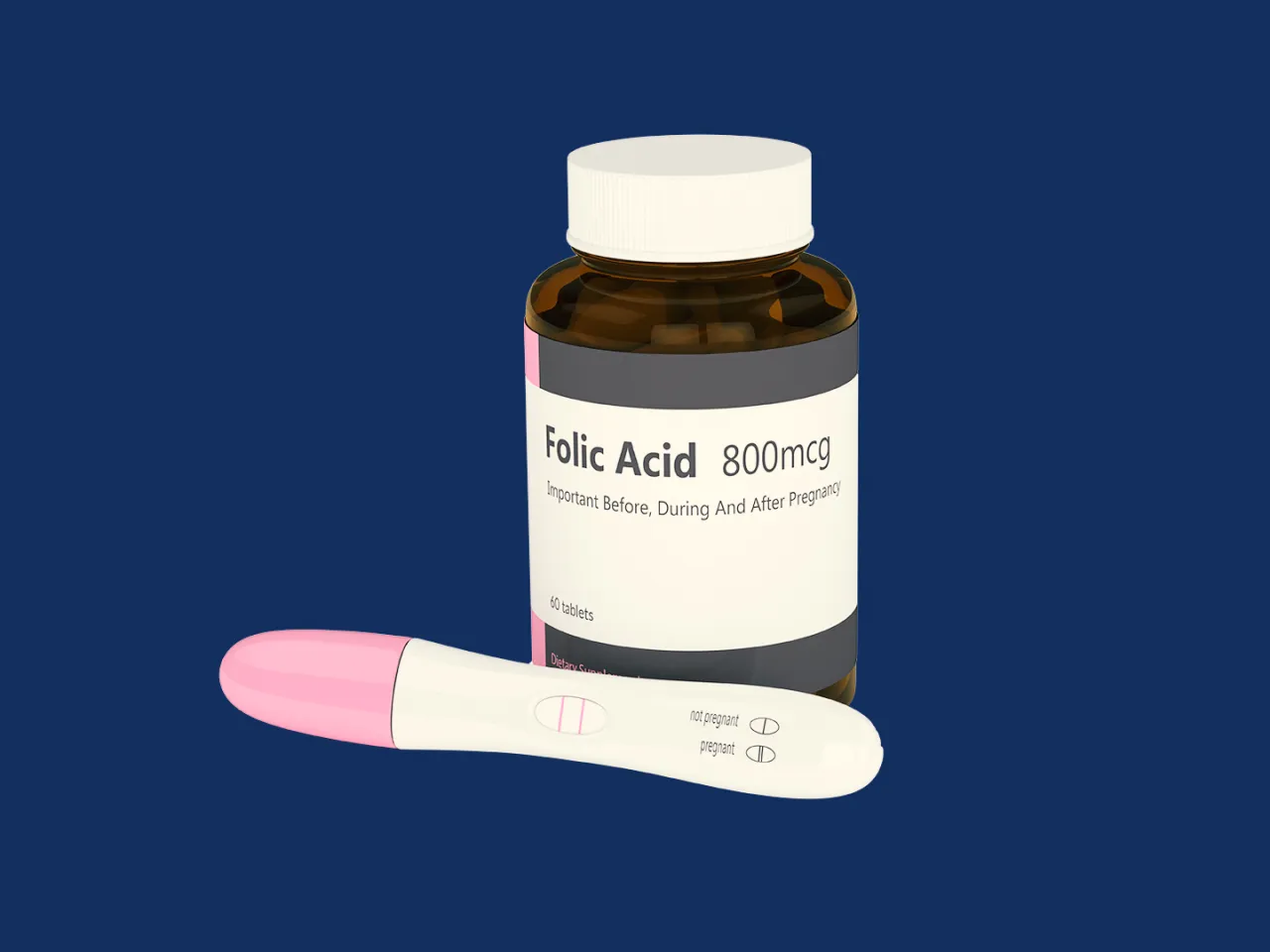
- Begin a High-Quality Prenatal Vitamin: Ensure your supplement contains at least 400 mcg of folic acid. Folic acid is vital during the first few weeks of development to prevent neural tube defects, often before you even realize you are pregnant.
- Focus on Whole, Nourishing Foods: Enjoy a colorful diet rich in leafy greens, fresh fruits, lean proteins, and healthy fats (like avocados and nuts). If you are looking for fresh, local produce, visiting the markets around Vizag or Madhurawada is a great way to stock up on nutrient-dense foods.
- Prioritize Gentle, Low-Impact Movement: Keep up with light, refreshing activities like a daily walk along the beaches of Visakhapatnam. Avoid starting intense, exhausting new workouts, but keeping your blood flowing is excellent for pelvic circulation.
- Stay Well-Hydrated: Drink plenty of water throughout the day to support cellular function and assist your kidneys in processing metabolic waste.
- Avoid Smoking, Alcohol, and Excessive Caffeine: Limit your caffeine intake to under 200 mg per day (about one standard cup of coffee) and completely avoid tobacco and alcohol to ensure the safest environment for potential implantation.
Myth vs. Fact: Uncovering the Truth About Early Pregnancy
There are many myths surrounding how early a pregnancy can be detected. Let’s look at the facts:
- Myth:Implantation bleeding is heavy and looks like a light period.
- Fact: Implantation spotting is usually very light, lasting only a few hours to a couple of days. It typically appears as a few pink or light brown drops, unlike the steady flow of a regular menstrual cycle.
- Myth:You can get a reliable positive pregnancy test just 3 or 4 days after intercourse.
- Fact: It takes time for the sperm to fertilize the egg, for the embryo to travel to the uterus, and for implantation to finish. The earliest a highly sensitive test can detect hCG is about 10 days after conception, though waiting until your missed period is much more accurate.
- Myth:Severe morning sickness starts during the first week of conception.
- Fact: True morning sickness is triggered by rising hCG levels, which do not rise significantly until after implantation. Nausea and vomiting usually begin around the 6th week of pregnancy.
When Should You Consult a Doctor?
The early stages of planning a family can bring up many questions. You should schedule a visit with your gynecologist if you experience:
- Irregular menstrual cycles that make it difficult to calculate your ovulation window or predict your period.
- Severe abdominal pain, heavy bleeding, or one-sided pelvic pain during your wait, which requires prompt medical evaluation.
- A history of two or more consecutive early pregnancy losses, so your doctor can explore proactive support options.
- A positive home pregnancy test, so you can begin your official prenatal care journey under professional guidance.
Summary: Embracing Patience on Your Journey
While it is entirely natural to look for early signs, remember that you cannot feel pregnant after 1 week. The early symptoms many women notice during this time are simply the natural rising and falling of hormones that occur during every menstrual cycle.
Be kind to yourself during this waiting period. By focusing on a balanced diet, gentle movement, and a high-quality prenatal vitamin, you are already taking the best possible steps for your health. If you are seeking personalized fertility or wellness guidance in Andhra Pradesh, partnering with a compassionate, professional clinic can provide clarity and support every step of the way.
Frequently Asked Questions
1. What is implantation bleeding, and when does it happen?
Implantation bleeding is light spotting that can occur when the fertilized egg attaches to the lining of the uterus. It typically happens about 10 to 14 days after conception (around the time your period would normally start) and is much lighter and shorter than a typical period.
2. Can a highly sensitive pregnancy test show a positive result at 1 week?
No. Home pregnancy tests detect the hormone hCG in your urine. Because hCG is only produced after the embryo implants into the uterus—which occurs about 6 to 12 days after fertilization—a test taken at 1 week post-conception will almost always be negative due to a lack of detectable hormones.
3. Why do I feel nauseous if I am only 1 week post-conception?
At one week post-conception, nausea is usually related to digestive changes caused by progesterone, minor dietary changes, stress, or a mild stomach bug. True pregnancy-related morning sickness is triggered by high hCG levels, which don’t build up until later in your first trimester.
4. Is pelvic cramping normal during the two-week wait?
Yes. Mild pelvic cramping is very common during the two-week wait. It is usually caused by progesterone relaxing your muscles or the natural changes your body goes through before your period. It can also occasionally be a sign of early implantation.
5. Can high levels of stress delay my period?
Yes. High physical or emotional stress can affect your hypothalamus—the part of the brain that regulates your reproductive hormones. This can delay ovulation, which in turn delays your period, sometimes causing confusion if you are trying to track your cycle.
6. Where can I find trusted preconception counseling in Visakhapatnam?
Visakhapatnam offers access to modern, state-of-the-art women’s healthcare facilities. For personalized care, clinics located in central Vizag or residential areas like Madhurawada provide dedicated preconception counseling and early pregnancy care.
7. Should I stop taking my regular medications during the two-week wait?
You should never stop taking prescribed medications without speaking to your doctor first. If you are planning a pregnancy, discuss your current medications with your healthcare provider early on so they can recommend safe, pregnancy-friendly alternatives if needed.
8. What is the difference between PMS fatigue and early pregnancy fatigue?
PMS fatigue and early pregnancy fatigue feel identical because both are driven by the hormone progesterone. The main difference is duration: PMS fatigue generally improves once your period starts, while pregnancy-related fatigue continues and often deepens throughout the first trimester.


Leave a Comment