
Table of Contents
What Is the Cause of Irregular Periods? Causes, Symptoms, and Expert Care
Few things bring as much quiet anxiety to a woman’s routine as an unpredictable menstrual cycle. If you have been tracking your calendar and wondering what is the cause of irregular periods, you are taking an empowering first step toward understanding your body.
A woman’s period is widely recognized as a “vital sign” of her overall physiological balance. When your monthly cycle suddenly shifts, arrives too early, skips a month, or drags on for longer than expected, your body is simply signaling that its delicate internal harmony needs a little extra care and attention.
Many Indian women tend to keep these concerns to themselves, assuming that cycle fluctuations are just something to endure silently. However, understanding what is the cause of irregular periods allows you to strip away the confusion, demystify your symptoms, and seek gentle, evidence-based guidance without fear or hesitation.
What Are Irregular Periods?
Irregular periods (clinically referred to as oligomenorrhea or abnormal uterine bleeding) occur when the duration between your monthly cycles falls outside the normal window of 21 to 35 days, or when blood flow volume and duration vary drastically from month to month due to underlying hormonal, metabolic, or structural factors.
How Common Are Irregular Periods Among Indian Women?
If you are dealing with inconsistent period dates, you are in very large company. Menstrual irregularities represent one of the most common reasons Indian women visit a gynaecologist.
Recent observational health surveys in India indicate that between 30% and 45% of women of reproductive age experience irregular cycles at some point. In fast-paced coastal hubs like Visakhapatnam, the pressure of balancing professional life, shifting sleep schedules, and changing dietary patterns has led to a noticeable rise in metabolic and hormonal variations.
Prevalence of Period Irregularity in Indian Women
[████████████████░░░░░░░░░░░░░░░░░░░░░░░░░] ~35-45%
In South India, Polycystic Ovary Syndrome (PCOS) alone affects roughly 1 in every 5 young women, making it a primary contributor to delayed or skipped cycles. Recognizing that an irregular cycle is a widespread biological response—and not a personal failure—helps normalize the experience and paves the way for effective care.
Signs and Symptoms You May Notice
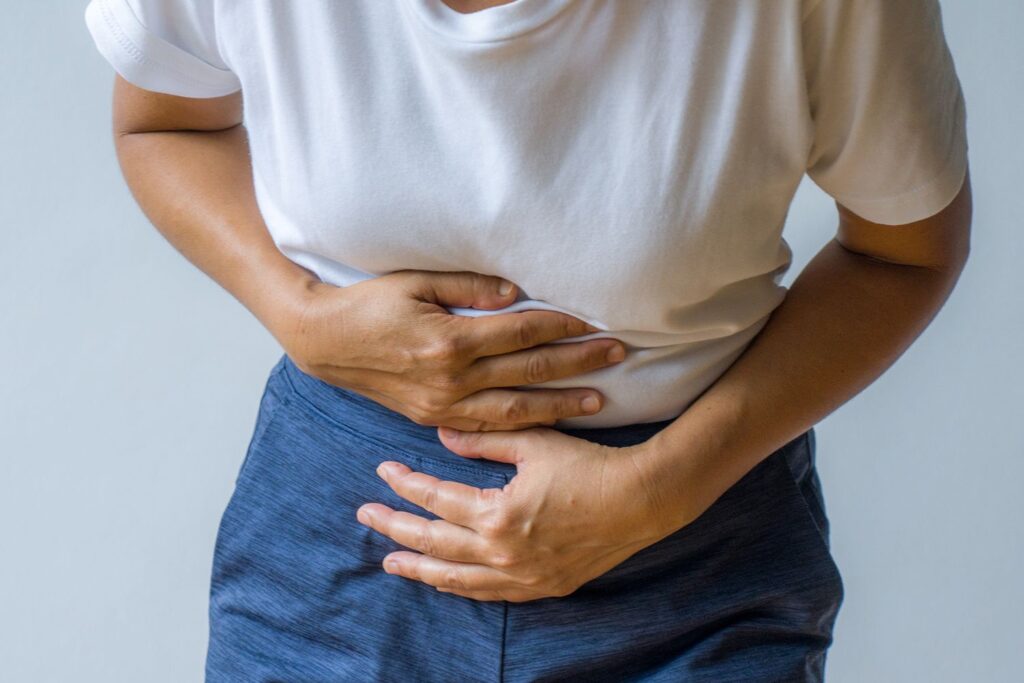
Every woman’s biological makeup is unique, meaning irregular periods can look and feel quite different from person to person.
You may notice:
- Cycles shorter than 21 days (polymenorrhea) or longer than 35 days apart (oligomenorrhea).
- Missing one or consecutive period dates without being pregnant.
- Flow that is unusually light (spotting) or unexpectedly heavy, requiring frequent pad changes.
- Bleeding or dark spotting between your expected periods or after intimate activity.
- Pelvic heaviness or mild aching in the lower abdomen prior to an unpredictable start.
- Physical cues of hormonal shifts, such as persistent facial acne, unexpected facial hair growth, or hair thinning.
What Is the Cause of Irregular Periods? Primary Triggers Explained
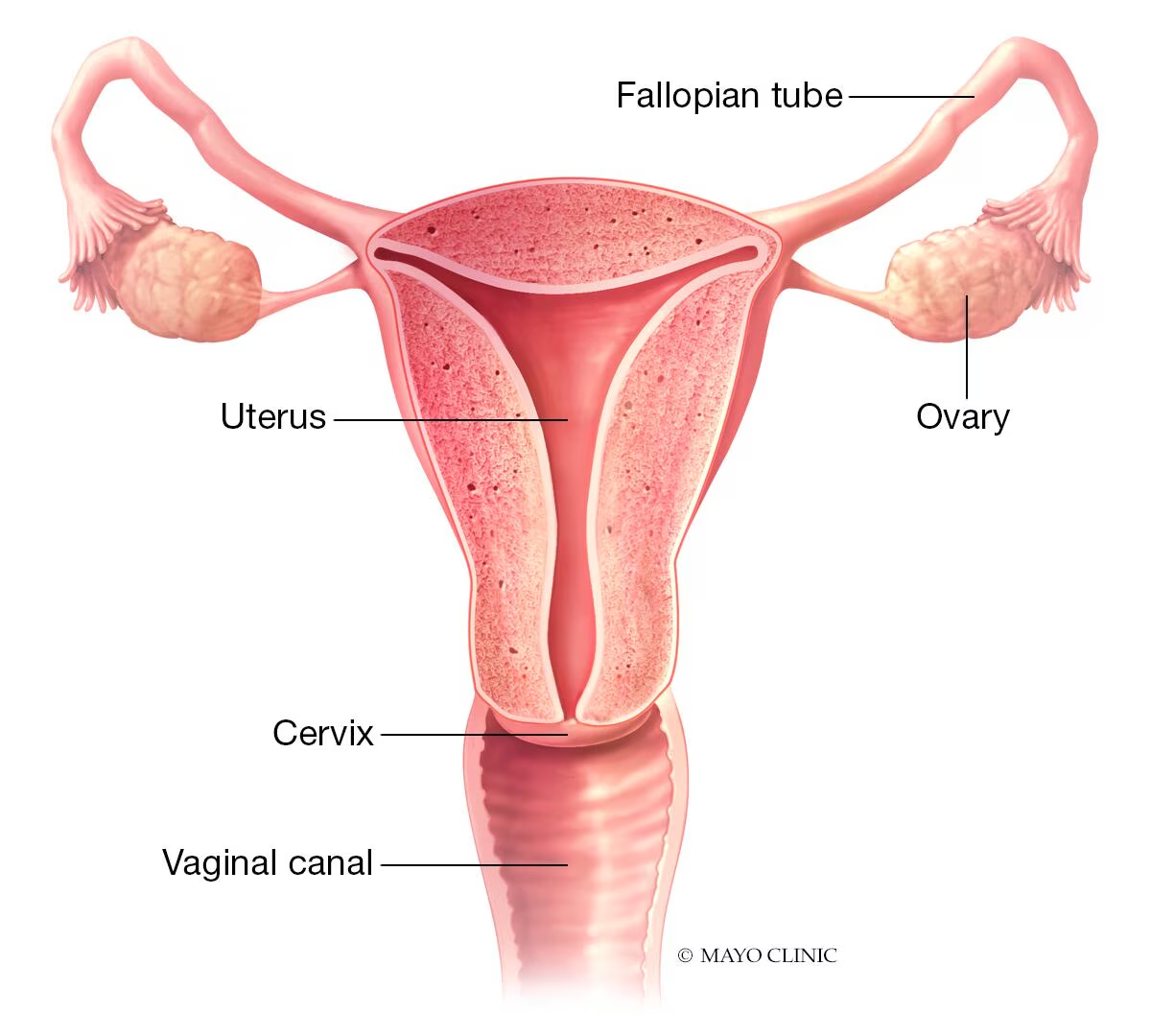
To understand why your cycle strays from its rhythm, it helps to look at the internal feedback loop between your brain (the hypothalamus and pituitary gland) and your ovaries. Any factor that alters these chemical signals can alter the timing of ovulation.
                      ┌────────────────────────────────────────┐
                      │    PRIMARY CAUSES OF IRREGULAR PERIODS │
                      └───────────────────┬────────────────────┘
                                          │
         ┌───────────────────┬────────────┴────────────┬───────────────────┐
         ▼                   ▼                         ▼                   ▼
┌─────────────────┐ ┌─────────────────┐       ┌─────────────────┐ ┌─────────────────┐
│  Polycystic     │ │    Thyroid &    │       │ Stress & Sleep  │ │   Structural    │
│ Ovary Syndrome  │ │ Endocrine Shifts│       │  Disruptions    │ │ Uterine Changes │
└─────────────────┘ └─────────────────┘       └─────────────────┘ └─────────────────┘
Here is a closer look at the primary reasons for menstrual irregularity:
1. Polycystic Ovary Syndrome (PCOS)
PCOS stands as the single most frequent reason behind delayed or skipped periods in reproductive-age women. In PCOS, the ovaries produce slightly elevated levels of androgen hormones (often linked to insulin resistance). This prevents follicles from maturing and releasing an egg regularly (anovulation). Without regular ovulation, the hormonal signal to shed the uterine lining on time is disrupted.
2. Thyroid Gland Dysfunction
The thyroid gland acts as the body’s central engine for metabolic rate. Both an underactive thyroid (hypothyroidism) and an overactive thyroid (hyperthyroidism) disrupt the balance of estrogen and progesterone. Women with hypothyroidism often experience heavy, delayed periods, while those with hyperthyroidism may have very light or widely spaced cycles.
3. Chronic Stress and Cortisol Elevation
Modern lifestyle pressures, academic anxiety, or sudden emotional shocks prompt the adrenal glands to flood the bloodstream with cortisol. High cortisol signals the hypothalamus to pause the production of Gonadotropin-Releasing Hormone (GnRH). When GnRH drops, ovulation delays, postponing your period accordingly.
4. Elevated Prolactin Levels (Hyperprolactinemia)
Prolactin is the hormone responsible for milk production after childbirth. However, non-pregnant women can sometimes develop elevated prolactin levels due to stress, certain medications, or minor pituitary gland variations. High prolactin halts ovulation, leading to light or missed cycles.
5. Structural Factors (Fibroids, Polyps, and Adenomyosis)
Benign growths within the uterus—such as uterine fibroids or delicate endometrial polyps—can alter the inner uterine surface. This often causes bleeding between cycles or unusually prolonged, heavy periods that misalign with your expected calendar.
6. Rapid Weight Changes and Intense Exercise
Substantial weight loss, extreme calorie restriction, or sudden intense physical training can lower body fat below the threshold required for healthy hormone production. The body conserves energy by temporarily shutting down reproductive functions, causing periods to stop or become unpredictable.

Summary Comparison: How Common Causes Affect Your Cycle
┌─────────────────────────────────────────────────────────────────────────────┐
│                   HOW DIFFERENT FACTORS IMPACT YOUR CYCLE                   │
├──────────────────┬───────────────────────────┬──────────────────────────────┤
│ Underlying Cause │ Effect on Menstrual Flow  │ Typical Cycle Timing         │
├──────────────────┼───────────────────────────┼──────────────────────────────┤
│ PCOS             │ Light to heavy, variable  │ Delayed (35+ to 90+ days)    │
├──────────────────┼───────────────────────────┼──────────────────────────────┤
│ Hypothyroidism   │ Unusually heavy, prolonged│ Delayed or prolonged         │
├──────────────────┼───────────────────────────┼──────────────────────────────┤
│ High Stress      │ Light spotting or missed  │ Delayed or skipped entirely  │
├──────────────────┼───────────────────────────┼──────────────────────────────┤
│ Uterine Polyps   │ Spotting or heavy flow    │ Irregular / Between cycles   │
├──────────────────┼───────────────────────────┼──────────────────────────────┤
│ Hyperprolactinemia│ Very light or absent     │ Skipped or infrequent        │
└──────────────────┴───────────────────────────┴──────────────────────────────┘
How Is an Irregular Period Diagnosed?
When you visit a gynaecologist to investigate an irregular cycle, the clinical goal is to identify the root cause gently and efficiently. There is no need to feel nervous—the diagnostic process is straightforward, structured, and comforting.
Diagnostic Pathway for Menstrual Cycle Evaluation
  ┌─────────────────────────┐
  │ 1. Detailed History     │ Focus on cycle patterns, stress, diet, and symptoms
  └────────────┬────────────┘
               ▼
  ┌─────────────────────────┐
  │ 2. Targeted Lab Work    │ Thyroid (TSH), Prolactin, Androgen & LH/FSH balance
  └────────────┬────────────┘
               ▼
  ┌─────────────────────────┐
  │ 3. Pelvic Ultrasound    │ Non-invasive check of uterine lining & ovaries
  └────────────┬────────────┘
               ▼
  ┌─────────────────────────┐
  │ 4. Tailored Care Plan   │ Individualized medical & lifestyle roadmap
  └─────────────────────────┘
- A Caring Clinical Conversation: Your doctor will begin by discussing your health history, typical cycle length, stress levels, dietary patterns, and any changes in weight or skin health.
- Comprehensive Hormone & Blood Profiling: Simple blood tests are conducted to evaluate thyroid function (TSH), prolactin levels, blood sugar/insulin balance, and reproductive hormones (FSH, LH, AMH).
- Pelvic Ultrasound Evaluation: A painless, non-invasive pelvic or transvaginal ultrasound helps visualize the ovaries (checking for characteristic polycystic patterns) and assesses the thickness and health of the uterine lining.
- Iron Level Check: Checking your hemoglobin and serum ferritin ensures that any heavy or prolonged bleeding has not led to underlying iron-deficiency anaemia.
What Are the Available Treatment Options?
Management of irregular periods is highly individualized. Rather than relying on temporary fixes, modern gynaecological practice focuses on supporting your long-term health through evidence-based approaches:
- Nutritional and Lifestyle Support: Balanced eating habits rich in complex carbohydrates, healthy fats, and adequate protein help stabilize blood glucose and reduce insulin resistance. Gentle, consistent exercise improves hormone receptor sensitivity.
- Targeted Metabolic Management: If insulin resistance is contributing to PCOS, doctors may recommend medications that help your body utilize insulin efficiently, supporting natural ovulation.
- Hormonal Balance Therapies: When appropriate, short-term cyclical hormone therapy or low-dose oral contraceptives may be recommended to protect the uterine lining, stabilize bleeding, and re-establish a predictable monthly pattern.
- Thyroid & Prolactin Management: If testing indicates thyroid variations or elevated prolactin, targeted medication easily restores these hormones to normal levels, typically resolving the cycle irregularities.
- Managing Structural Factors: If uterine polyps or fibroids are causing intermenstrual spotting, minor in-clinic procedures can safely remove them and alleviate symptoms.
When Should You See a Doctor?
While a single slightly late period caused by a busy week or mild cold is rarely a cause for concern, persistent variations warrant professional attention. You should schedule a consultation with a women’s health specialist if:
- Your cycle is consistently shorter than 21 days or longer than 35 days.
- You have skipped three consecutive periods without pregnancy.
- Your menstrual bleeding lasts longer than 7 to 8 days or is exceptionally heavy.
- You experience unexpected bleeding or spotting between your regular cycles.
- You are attempting to conceive but find it difficult due to unpredictable ovulation.
If you recognize these symptoms in yourself, seeking an evaluation from a qualified gynaecologist is the most empowering step forward. Dr. Devani Chalamuri at Vedanta Speciality Clinics in Madhurawada, Vizag specialises in women’s health and provides compassionate, personalized care for period and hormonal health for women across Visakhapatnam.
Frequently Asked Questions
What is the primary cause of irregular periods?
The most common primary cause of irregular periods in women of reproductive age is anovulation driven by hormonal or metabolic shifts—most frequently Polycystic Ovary Syndrome (PCOS), thyroid gland dysfunction, or prolonged stress.
Is it normal to have irregular periods in my 20s?
An occasional variation due to travel, exams, or mild stress can happen. However, experiencing consistently irregular periods in your 20s is not something you have to settle for, as it usually indicates an underlying hormonal pattern like PCOS that can be managed effectively.
Which doctor should I see for irregular periods in Vizag?
You should consult a qualified lady gynecologist or women’s health specialist. Dr. Devani Chalamuri at Vedanta Speciality Clinics in Madhurawada offers comprehensive hormonal evaluations and gentle, individual-centered care.
Can PCOS cause periods to stop completely for months?
Yes. In PCOS, altered hormone signals and insulin resistance prevent eggs from maturing and releasing regularly. Without ovulation, the hormonal cues required to shed the uterine lining are delayed, causing periods to be missed for weeks or months.
When should I see a gynecologist in Vizag for period issues?
It is best to consult a gynecologist if your periods are consistently further apart than 35 days, if you miss three cycles in a row, if bleeding is exceptionally heavy, or if you experience pain that disrupts your day.
Can thyroid problems cause irregular periods?
Yes. Thyroid hormones directly interact with your ovarian function. Both an underactive thyroid (hypothyroidism) and an overactive thyroid (hyperthyroidism) can disrupt normal ovulation, causing missing, light, or unusually heavy periods.
Can I get complete hormone profiling and ultrasounds in Madhurawada?
Yes, women living in Madhurawada and nearby areas across Visakhapatnam can access complete gynaecological checkups, hormone blood panels, and pelvic ultrasound imaging locally at Vedanta Speciality Clinics.
Does daily stress really affect period timing?
Yes. High physical or emotional stress increases cortisol, which acts on the brain’s signaling center (hypothalamus) to suppress the hormones that trigger ovulation, thereby delaying your monthly flow.
Take Charge of Your Hormonal Health
Navigating period irregularities can feel overwhelming, but you do not have to figure it out alone. Understanding what is the cause of irregular periods gives you the knowledge needed to listen to your body and prioritize your well-being.
Whether your irregular cycles are driven by PCOS, stress, thyroid shifts, or daily routine changes, gentle medical guidance can help restore your body’s natural harmony. Seeking help is a proactive, healthy choice toward feeling balanced and comfortable in your body every day.
If you are experiencing any of these symptoms, Dr. Devani Chalamuri at Vedanta Speciality Clinics, Madhurawada, Vizag is available for a personalized consultation.


Leave a Comment