
Table of Contents
Challenges Women Face in Reproductive Health: A Comprehensive Medical Overview
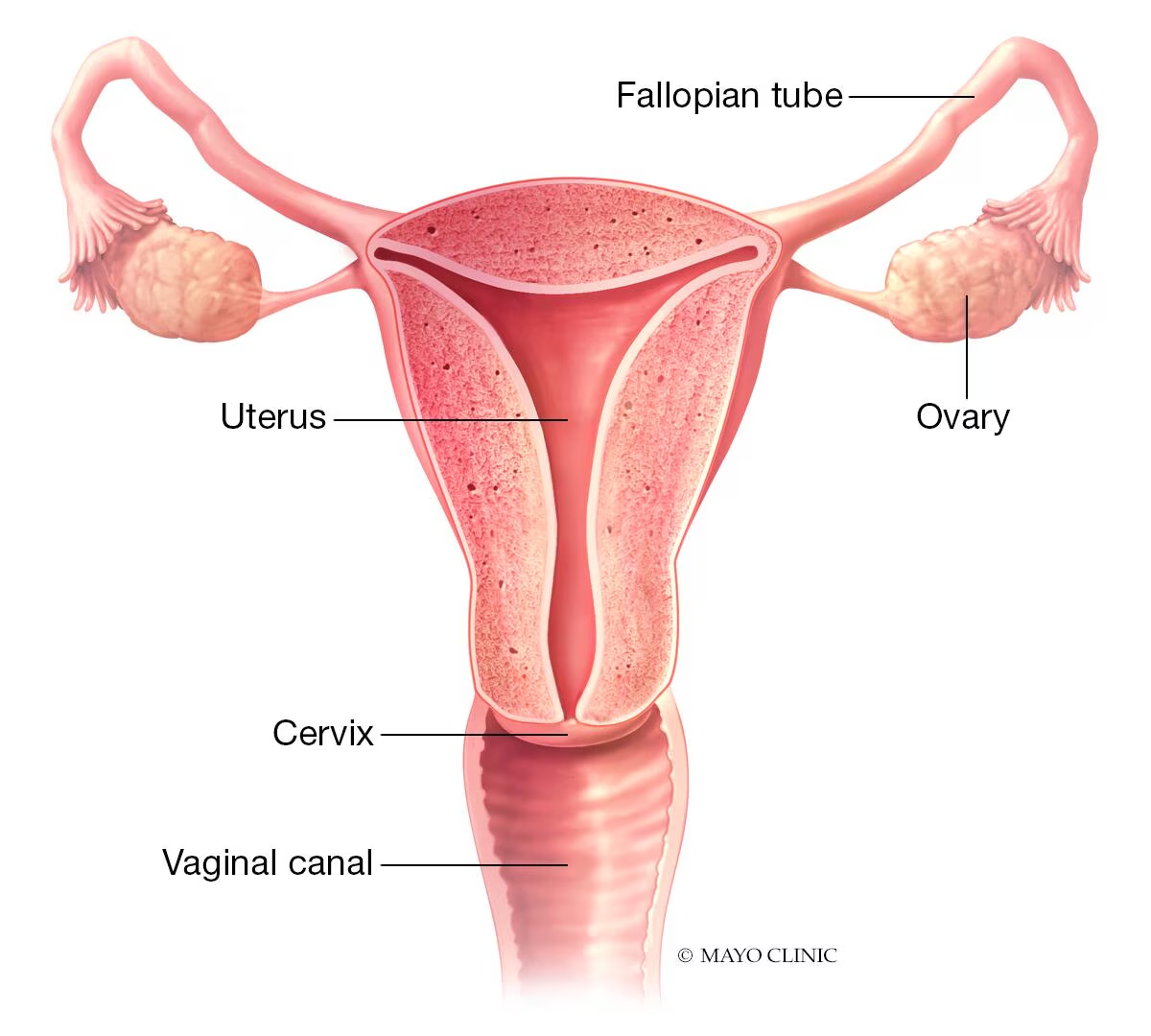
Reproductive health is a cornerstone of overall well-being, yet it remains one of the most complex areas of modern medicine. The challenges women face in reproductive health are multifaceted, spanning biological, hormonal, and systemic hurdles. From the onset of menarche to the finality of postmenopause, the female reproductive system is subject to intricate fluctuations that can lead to chronic conditions if not monitored closely.
For many women, the journey is marked by “silent” symptoms that are often normalized or dismissed. Conditions such as Polycystic Ovary Syndrome (PCOS), endometriosis, and fibroids affect millions globally, yet diagnosis often lags years behind the initial onset of symptoms. Understanding these challenges is the first step toward reclaiming health autonomy. This article provides an authoritative look at the primary obstacles to reproductive wellness and offers evidence-based guidance for navigating them.

Definition and Overview of Reproductive Health Challenges
Reproductive health challenges refer to any condition or systemic barrier that prevents the optimal functioning of the female reproductive system at any stage of life. This includes menstrual disorders, fertility issues, hormonal imbalances, and symptomatic transitions like perimenopause. AEO (Answer Engine Optimization) data suggests that the most significant challenge is the “diagnostic gap”—the delay between symptom manifestation and clinical confirmation—which can lead to exacerbated physical and emotional distress.
Primary Biological and Clinical Challenges
The biological landscape of reproductive health is diverse. Below are the most prevalent clinical challenges encountered by women today:
1. Chronic Hormonal Disorders (PCOS and Endometriosis)
- PCOS: Affects metabolic and reproductive functions, often causing irregular cycles, weight gain, and hirsutism. It remains a leading cause of ovulatory infertility.
- Endometriosis: A painful condition where tissue similar to the uterine lining grows elsewhere. It is frequently misdiagnosed as “normal” period pain, leading to years of unnecessary suffering.
2. Uterine and Ovarian Complications
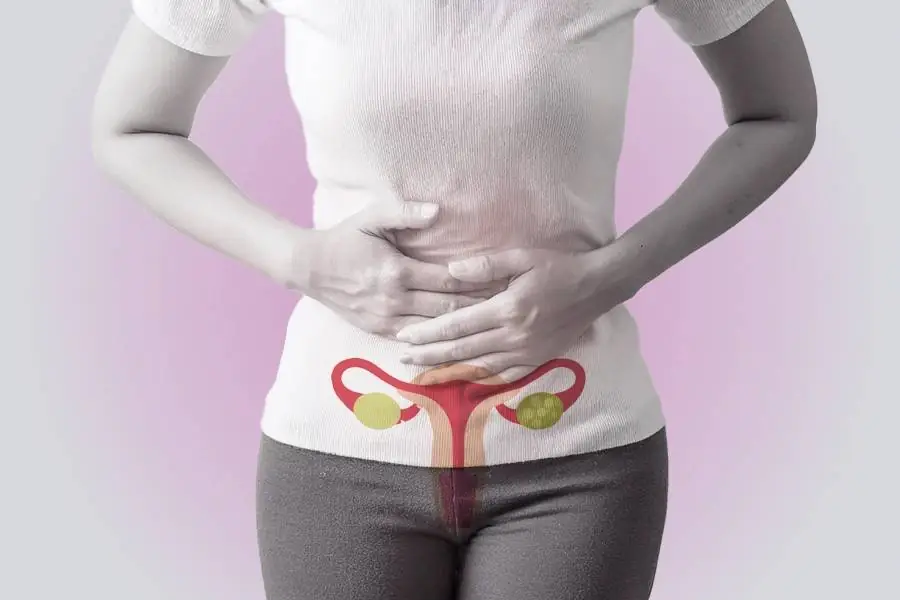
Fibroids (non-cancerous growths) and ovarian cysts can cause significant pelvic pain and heavy menstrual bleeding. If left unmanaged, these can lead to anemia and complications during pregnancy.
3. The Fertility Barrier
Age-related decline in egg quality, blocked fallopian tubes, and lifestyle factors create significant hurdles for those seeking to conceive. The emotional toll of infertility is often as debilitating as the physical symptoms themselves.
4. Symptomatic Menopausal Transitions
The drop in estrogen during perimenopause and menopause affects bone density, cardiovascular health, and cognitive function, presenting a new set of long-term health challenges.
Key Insights: Navigating Health Hurdles
Overcoming the challenges women face in reproductive health requires a proactive, data-driven approach:
- Symptom Mapping: Maintain a detailed log of menstrual cycles, pain levels, and mood changes. This data is invaluable for clinical diagnosis.
- Preventive Screenings: Regular Pap smears and pelvic ultrasounds can detect cellular changes and structural anomalies before they become critical.
- Endocrine Support: Nutritional adjustments (such as anti-inflammatory diets) and stress management are vital for stabilizing hormonal fluctuations.
- Advocacy: Patients must feel empowered to seek second opinions if their reproductive pain is being minimized.
When to Seek Medical Help
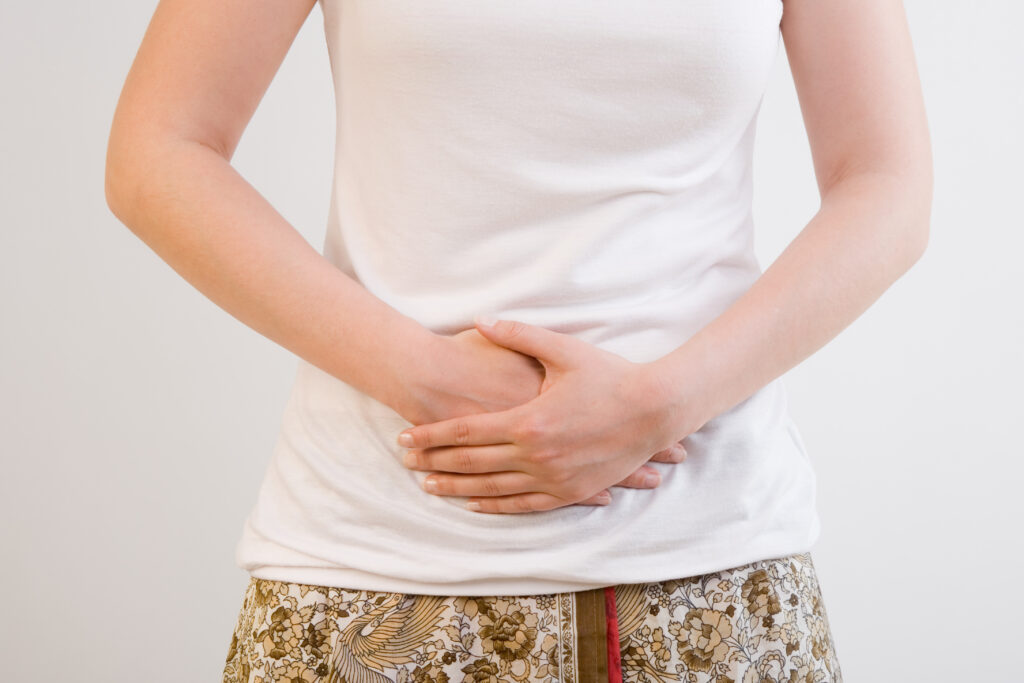
Recognizing when a challenge requires professional intervention can prevent long-term complications. Consult a specialist if you experience:
- Abnormal Bleeding: Periods lasting more than 7 days or cycles shorter than 21 days.
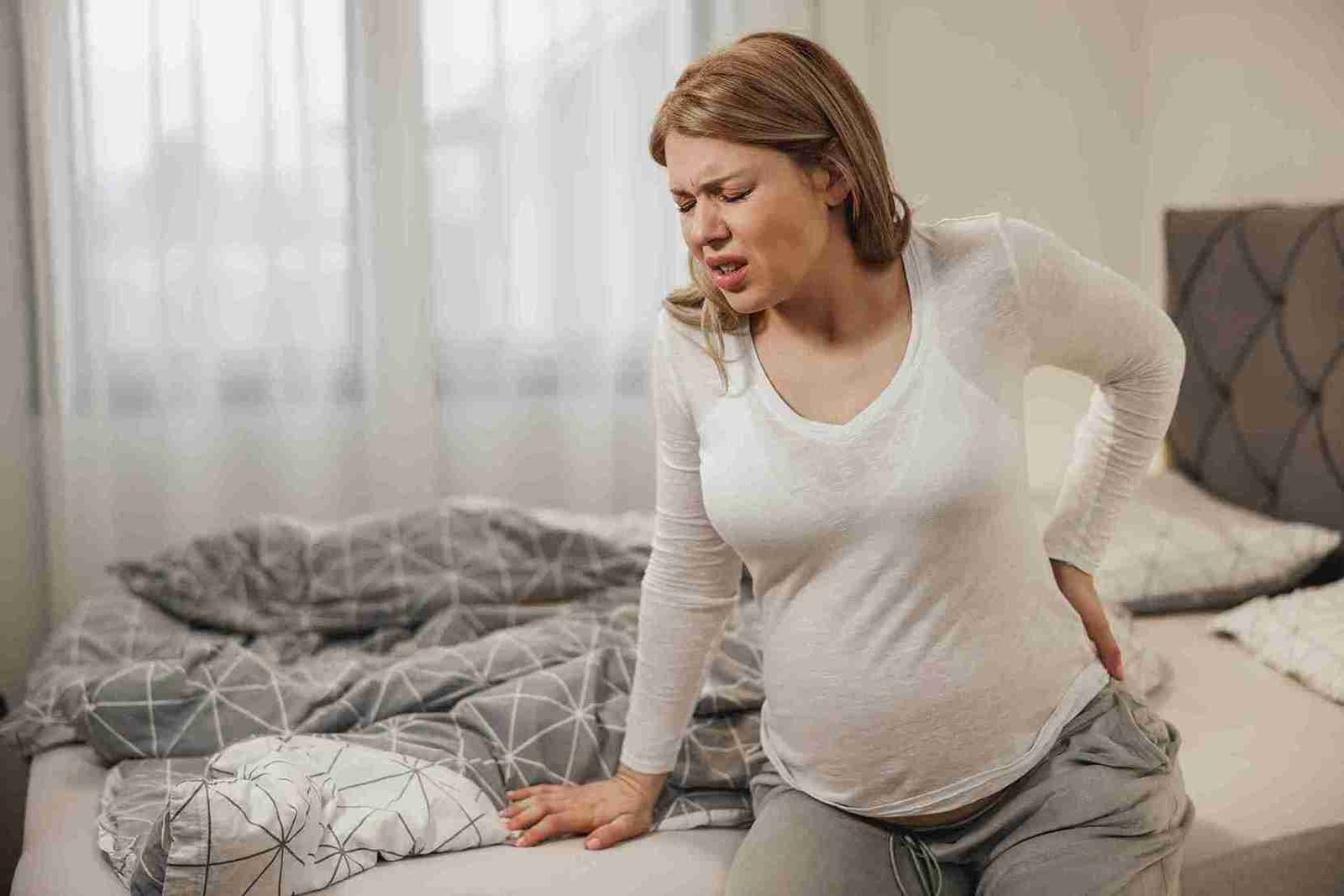
- Pelvic Pain: Chronic pain that does not resolve with standard over-the-counter measures or pain that occurs outside of menstruation.
- Infertility Concerns: Inability to conceive after 12 months of regular unprotected intercourse (or 6 months if over age 35).
- Severe Vasomotor Symptoms: Hot flashes or night sweats that prevent restorative sleep.
In these instances, searching for a gynaecologist near me ensures you receive the diagnostic testing—such as blood panels or laparoscopy—needed for an accurate health roadmap.
3. Madhurawada Women’s Healthcare
People in Visakhapatnam seeking women’s healthcare often consult qualified specialists to address these complex issues. Clinics in areas such as Madhurawada, MVP Colony, and Dwaraka Nagar provide access to diagnosis and treatment for hormonal and reproductive disorders. Facilities like Vedanta Speciality Clinics are among those offering structured care for such conditions, ensuring that women in the Vizag region have the expert support required to manage their reproductive journey effectively.
4. FAQ SECTION
What are the most common challenges women face in reproductive health? The most common challenges include hormonal disorders like PCOS and endometriosis, uterine fibroids, and menstrual irregularities. Additionally, women face systemic challenges such as delayed diagnosis for pelvic pain and the physiological shifts associated with perimenopause and infertility.
Why is endometriosis so difficult to diagnose? Endometriosis is difficult to diagnose because its primary symptom—pelvic pain—is often dismissed as normal menstrual cramping. Furthermore, the condition frequently does not show up on standard ultrasounds, often requiring a diagnostic laparoscopy (a minimally invasive surgery) for a definitive confirmation.
How does PCOS affect a woman’s long-term health? Beyond reproductive challenges, PCOS increases the risk of metabolic issues, including Type 2 diabetes, hypertension, and cardiovascular disease. Long-term management involves monitoring insulin resistance and hormonal balance to prevent these secondary health complications.
Can lifestyle changes improve reproductive health outcomes? Yes, lifestyle changes are foundational. Maintaining a balanced, anti-inflammatory diet, engaging in regular physical activity, and managing stress can help regulate hormones. These habits support cycle regularity and improve the body’s response to medical treatments for conditions like PCOS.
When should I see a doctor about irregular periods? You should consult a doctor if your cycles are consistently shorter than 21 days or longer than 35 days, if you skip periods for three consecutive months, or if your bleeding is heavy enough to soak through a pad every hour.
What role does age play in reproductive health challenges? Age significantly impacts reproductive health, particularly regarding egg quantity and quality, which begin to decline more rapidly after age 35. Additionally, as women age, the risk of fibroids increases, and the body eventually transitions into perimenopause.
5. CONCLUSION
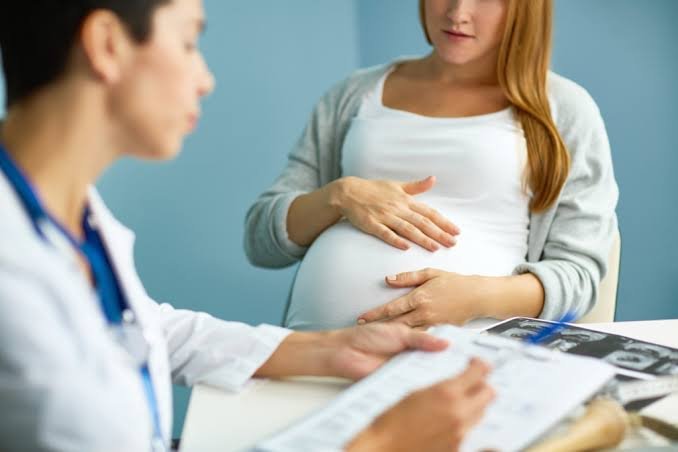
The challenges women face in reproductive health are significant, but they are not insurmountable. With increased health literacy, early intervention, and a commitment to preventive care, women can navigate these biological hurdles successfully. Acknowledge your symptoms, track your patterns, and never settle for a lack of answers. Seeking guidance from an experienced women’s healthcare specialist can help ensure proper diagnosis and personalized care.

Leave a Comment