

Table of Contents
Why Is My Period Suddenly Going Irregular? A Complete Guide to Sudden Cycle Changes
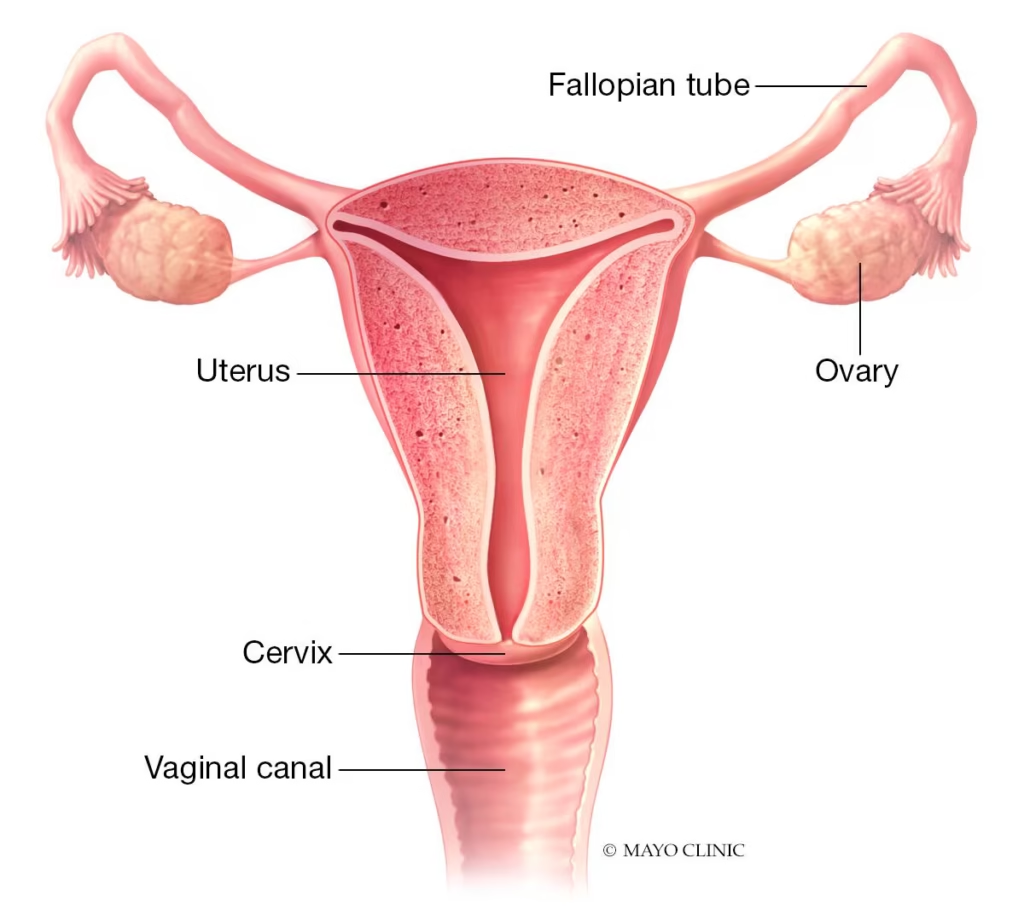
Discovering that your monthly cycle has unexpectedly veered off course can be incredibly unsettling. If you are wondering why is my period suddenly going irregular, it is usually because of a sudden disruption in the delicate hormonal communication between your brain and your ovaries. This sudden shift is most frequently triggered by an acute spike in psychological stress, rapid dietary adjustments, unexpected weight fluctuations, hidden thyroid issues, or early signs of underlying metabolic conditions like PCOD or PCOS.
When your body senses a major internal or external change, it temporarily reprioritizes its vital survival functions, which can throw off the precise timing required to trigger your normal monthly ovulation.
Defining a Sudden Shift in Your Menstrual Health
Before exploring the underlying triggers, it is helpful to clarify what medical professionals consider a truly unexpected or irregular cycle shift.
Sudden Irregular Period: A sudden irregular period occurs when a woman who has historically experienced predictable, consistent cycles (ranging anywhere between 24 and 38 days) experiences an abrupt change. This includes missing a period completely, seeing the cycle length shrink under 24 days or stretch beyond 38 days, or noticing an uncharacteristic, dramatic shift in blood flow.
For women balancing demanding modern lifestyles in growing coastal cities like Visakhapatnam, these sudden cycle variances can be an early, subtle wake-up call from the body. Paying attention to these deviations helps you take proactive control of your systemic health.
The Root Causes: Why Is My Period Suddenly Going Irregular?
Your reproductive system acts as a highly sensitive gauge for your overall well-being. When your cycle rhythm changes overnight, it is typically driven by one of these primary triggers:
1. Acute Psychological or Emotional Stress
When you experience sudden personal pressure or high-intensity work deadlines, your brain releases high amounts of Corticotropin-Releasing Hormone (CRH). This molecule signals your adrenal glands to flood your system with cortisol. High cortisol actively suppresses the secretion of Gonadotropin-Releasing Hormone (GnRH) in the brain, which acts as the main domino that triggers monthly ovulation.
2. Radical Dietary Updates or Extreme Fitness Regimens
Switching abruptly to a highly restrictive diet or jumping into an intense exercise routine without consuming enough supportive calories can shock your endocrine system. Your brain reads this sudden drop in available energy as a survival threat and pauses ovulation to conserve vital resources.
3. Hidden Thyroid Imbalances
Your thyroid gland regulates your cellular metabolism. A sudden shift toward an underactive thyroid (hypothyroidism) or an overactive thyroid (hyperthyroidism) can disrupt the way your liver processes reproductive hormones, causing your cycle to suddenly become light, excessively heavy, or highly erratic.
4. The Emergence of PCOD or PCOS
Polycystic Ovarian Disease (PCOD) and Polycystic Ovarian Syndrome (PCOS) involve varying levels of hormonal and metabolic imbalances. An increase in insulin resistance can cause the ovaries to produce too much testosterone, which stops eggs from maturing fully and leads to delayed or missed periods.
Tracking Accompanying Symptoms
An irregular period rarely happens completely by itself. It is usually accompanied by secondary physical signs that reveal exactly where the deeper hormonal imbalance lies:
| Associated Symptom | Potential Root Underlying Cause | What It Indicates |
| Sudden weight gain around midsection, severe acne, facial hair | PCOD / PCOS development | High insulin resistance and elevated androgen production |
| Extreme fatigue, unexplained hair thinning, feeling cold constantly | Subclinical Thyroid Imbalances | Insufficient thyroid hormone production affecting metabolism |
| Severe bloating, pelvic pressure, heavy painful cycles | Structural uterine changes | Possible presence of benign uterine fibroids or polyps |
| Persistent sleep issues, anxiety, brain fog | Chronic Adrenal Stress | Elevated cortisol levels disrupting the brain-ovary pathway |
Exploring Long-Term Risk Factors
Experiencing an isolated irregular cycle due to temporary travel or a brief illness is common and usually resolves on its own. However, letting a sudden, prolonged shift go completely unmanaged can open the door to several long-term health concerns:
- Compromised Bone Density: Persistent lack of ovulation can lead to chronically low estrogen levels, which can gradually weaken your bones over time.
- Metabolic and Heart Health Risks: Untreated insulin resistance linked to hidden PCOS can elevate your long-term risk for type 2 diabetes and cardiovascular imbalances.
- Endometrial Hyperplasia: When periods are delayed for several months, the uterine lining can become excessively thick, increasing the risk of abnormal cellular changes over time.
- Fertility Challenges: Unpredictable cycles mean unpredictable ovulation windows, which can make planning a family much more complex down the road.
The Path to Medical Diagnosis
Pinpointing the exact reason your cycle shifted requires a collaborative, step-by-step clinical evaluation with a qualified specialist:
[Clinical History Consultation] ──► [Hormonal Blood Panels] ──► [Pelvic Diagnostic Ultrasound] ──► [Targeted Treatment Plan]
- Comprehensive Patient History: Your doctor will review your menstrual calendar, note any recent changes in stress or lifestyle, and discuss any family history of hormonal issues.
- Hormonal Blood Panels: A comprehensive blood test helps check your exact levels of TSH (thyroid health), prolactin, fasting insulin, HbA1c, and free testosterone.
- Pelvic Diagnostic Ultrasound: This safe imaging technique allows a specialist to check the physical structure of your uterus and ovaries, ruling out polycystic patterns, ovarian cysts, or small polyps.
Evidence-Based Treatment Options
Correcting a sudden irregular cycle involves combining natural lifestyle adjustments with targeted medical care to address the root cause of the imbalance.
Metabolic Support
If diagnostic panels show that insulin resistance is stopping ovulation, a doctor may recommend targeted metabolic treatments like metformin or myo-inositol. These options help cells process glucose efficiently, which naturally brings down androgen levels and helps restore a regular cycle.
Focused Hormonal Therapy
For individuals experiencing highly erratic cycles or prolonged missed periods, a temporary course of cyclical progesterone may be prescribed to encourage a regular withdrawal bleed and protect the delicate inner lining of the uterus.
Structural and Systemic Care
If your cycle issues are linked to a thyroid condition or a small uterine polyp, managing the underlying medical concern directly will typically guide your period back to its regular rhythm.
Real-Life Scenarios: Understanding Individual Journeys
To better understand how these physical factors show up in daily life, let us follow two real-world examples of women living in Andhra Pradesh:
The Tech Professional’s Experience
Kavitha, a 28-year-old software team lead living in Madhurawada, noticed her cycle suddenly vanished for 65 days right after taking on a major project. She also began noticing persistent acne along her chin. A thorough evaluation revealed that high daily stress combined with hidden insulin resistance had triggered early PCOS symptoms. By introducing a balanced, whole-foods diet and setting clear work-life boundaries, Kavitha helped her cycle return to a predictable 32-day rhythm within five months.
The Fitness Enthusiast’s Experience
Rhea, a 22-year-old athlete training near central Vizag, adopted an intense workout routine alongside a highly restrictive diet. Her periods suddenly shifted from a reliable monthly cycle to a light, unpredictable spotting every 50 days. Her lab results showed exceptionally low estrogen levels due to a lack of nutritional energy reserves. By prioritizing healthy dietary fats, reducing the intensity of her workouts, and allowing her body time to recover, Rhea naturally restored her regular monthly flow.
Myth vs. Fact: Uncovering the Truth
- Myth: A single irregular period is an immediate sign of permanent infertility.
- Fact: An isolated irregular period is highly common and often just a temporary reaction to acute stress, travel, or a brief cold. It rarely points to a permanent fertility concern.
- Myth: Taking over-the-counter supplements will instantly fix any sudden irregular cycle.
- Fact: Supplements can be helpful, but they need to target the specific root cause of your imbalance. A supplement meant for insulin resistance won’t correct a cycle issue that is actually caused by a thyroid imbalance.
- Myth: If you aren’t planning a pregnancy, you don’t need to worry about missing periods.
- Fact: Regular periods are a helpful sign of overall health. A regular cycle is essential for maintaining strong bones, a healthy metabolism, and a protected uterine lining.
Proactive Lifestyle and Prevention Guidance
You can support your body’s natural hormonal rhythm by building simple, balancing habits into your everyday routine:
- Focus on Low-Glycemic, Whole Nutrition: Fill your plate with high-fiber seasonal vegetables, lean proteins, and complex whole grains like oats and brown rice to help maintain stable, steady insulin levels throughout the day.
- Incorporate Healthy, Supportive Fats: Include excellent sources of essential fatty acids—like walnuts, pumpkin seeds, avocados, and cold-pressed oils—to give your body the raw building blocks it needs for hormone production.
- Keep Your Movement Balanced: Enjoy 30 minutes of enjoyable, moderate exercise—like a brisk morning walk, regular swimming, or gentle yoga—five days a week to help reduce insulin resistance without over-stressing your system.
- Protect Your Sleep Cycle: Aim for 7 to 8 hours of uninterrupted sleep each night, keeping your bedroom dark and cool to support healthy melatonin and cortisol production.
When to Consult a Healthcare Professional
While minor variations can happen, it is important to know when to seek professional medical advice. You should schedule a consultation if you experience:
- Your period suddenly stops completely for more than three consecutive months.
- Your cycles consistently arrive less than 21 days or more than 45 days apart.
- You experience uncharacteristically heavy bleeding that requires changing a pad or tampon every hour for several hours in a row.
- You notice sudden, severe pelvic pain during your cycle that does not respond to standard over-the-counter comfort options.
For women seeking trusted support across Visakhapatnam, partnering with a compassionate gynecologist ensures you get clear answers and a customized care plan designed for your body’s unique needs.
Summary: Nurturing Your Natural Rhythm
An unexpected change in your cycle is simply your body’s way of letting you know it needs a little extra care and support. By prioritizing balanced nutrition, keeping your movement moderate, protecting your sleep, and practicing intentional stress management, you give your endocrine system the steady foundation it needs to thrive. True hormonal health is a ongoing journey—be patient with your body, listen to the signs it gives you, and never hesitate to seek professional guidance when you need clarity.

Frequently Asked Questions
1. Why is my period suddenly going irregular after years of being regular?
An unexpected shift is usually caused by a sudden change in your daily life, such as a major spike in stress, rapid weight changes, a new exercise routine, or an underlying thyroid or metabolic issue like PCOD. These changes can disrupt the delicate hormonal signals sent from your brain to your ovaries.
2. Can moving to a new city like Visakhapatnam cause my period to change?
Yes, absolutely. Relocating, adjusting to a new environment, navigating weather shifts, and experiencing changes in your daily routine can create hidden physical and emotional stress. This stress can temporarily alter your cortisol levels and delay ovulation.
3. How many days late can a period be before it is considered irregular?
A period that arrives 2 to 5 days late is completely normal and common. A cycle is generally considered clinically irregular if your period is delayed by more than 7 to 9 days past your expected start date on a regular basis.
4. Can a hidden vitamin deficiency cause sudden cycle changes?
Yes, a pronounced lack of vital nutrients—especially Vitamin D3, Vitamin B12, or iron—can affect your endocrine system. Low Vitamin D, for example, can impact how ovarian follicles mature and develop.
5. Does stopping birth control pills make your periods unpredictable?
Yes, this is a well-known process called post-pill amenorrhea. Your body often requires three to six months to restart its own natural hormone production and establish regular communication between the brain and ovaries after stopping hormonal contraceptives.
6. Can an undiagnosed thyroid issue cause heavy, sudden bleeding?
Yes, an underactive thyroid gland (hypothyroidism) slows down your overall metabolism and alters blood clotting factors. This can cause your periods to suddenly become much heavier, longer, or highly unpredictable.
7. Does high daily caffeine intake affect period regularity?
Drinking excessive amounts of caffeine can elevate your daily cortisol levels and place extra stress on your adrenal glands. Over time, this constant stimulation can interfere with the hormones responsible for maintaining a regular cycle.
8. Is it possible to have an irregular period and still ovulate normally?
While it is possible, highly irregular cycles usually indicate that your ovulation is also unpredictable or occasionally skipped. Tracking your basal body temperature can help you verify if and when you are ovulating each month.


Leave a Comment