
Table of Contents
How to Check Your Thyroid at Home for Females: A Step-by-Step Guide
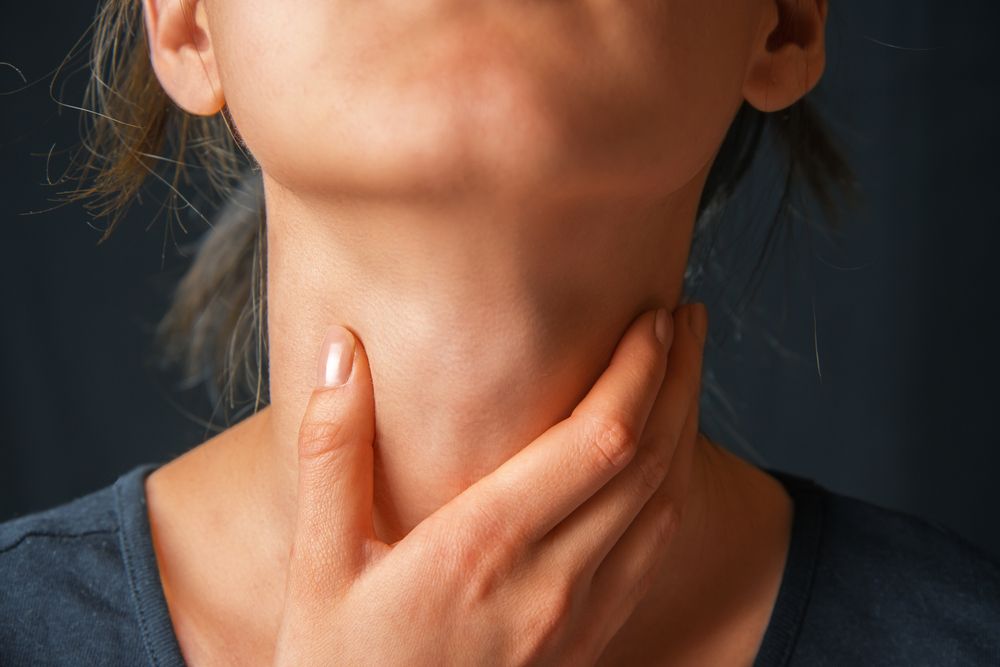
Are you experiencing unexplained fatigue, sudden weight fluctuations, or unexpected mood shifts? You can safely check your thyroid at home for females by performing a simple visual self-examination called the Thyroid Neck Check (or Mirror Test) and monitoring your systemic symptoms.
While an at-home check can identify visible physical enlargements (such as goiters or nodules) and highlight telling symptomatic patterns, it cannot replace a definitive diagnosis. To confirm your thyroid health, you must ultimately consult a healthcare professional for a quick, routine blood test to measure your thyroid hormone levels.
What is an At-Home Thyroid Check?
Before beginning, let us define what an at-home evaluation can and cannot accomplish.
At-Home Thyroid Check: A preliminary, non-invasive self-screening process that involves visually inspecting your lower neck for unusual swellings or lumps while swallowing, combined with tracking systemic signs like changes in pulse, body temperature, weight, and menstrual patterns.
Performing this check helps you gather crucial, structured information that you can share with your doctor during your next visit. For women living in bustling coastal regions of Andhra Pradesh, such as Visakhapatnam or Madhurawada, taking charge of your health in this proactive way is an excellent first step toward long-term wellness.
Causes: Why Do Thyroid Imbalances Occur in Females?
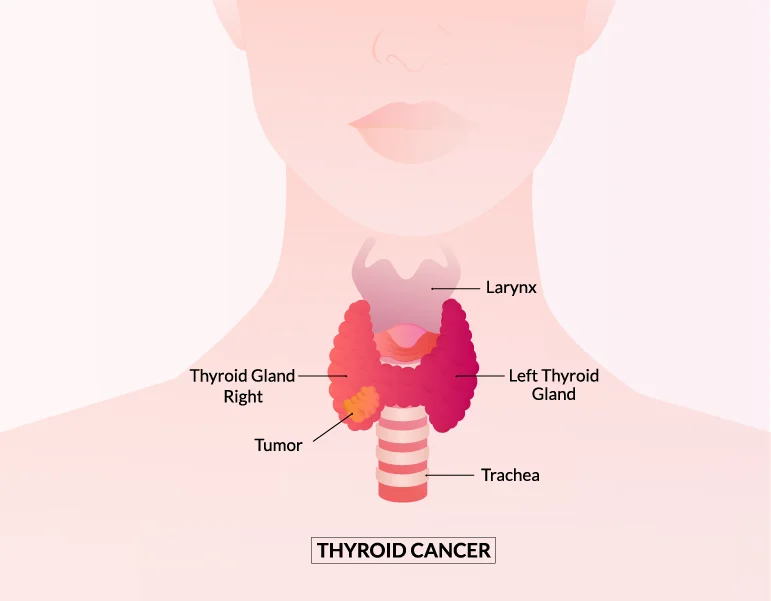
The thyroid is a small, butterfly-shaped gland situated at the base of your neck. It regulates your metabolic rate, body temperature, and reproductive cycles. In females, thyroid dysfunction is highly prevalent—affecting women nearly eight times more often than men. The primary underlying causes include:
- Autoimmune Conditions: The immune system mistakenly targets thyroid tissue. In Hashimoto’s thyroiditis, this slows hormone production, causing hypothyroidism. In Graves’ disease, it overstimulates the gland, causing hyperthyroidism.
- Fluctuating Female Hormones: Major biological transitions like puberty, pregnancy, postpartum recovery, and menopause cause significant estrogen and progesterone shifts, which can directly disrupt thyroid function.
- Nutritional Imbalances: A lack of dietary iodine or selenium can prevent the thyroid from synthesizing vital hormones.
- Chronic Stress and Lifestyle: Elevated cortisol levels from ongoing stress can suppress the release of thyroid-stimulating hormone (TSH), disrupting the delicate balance of active thyroid hormones in your bloodstream.
Symptoms: What to Track at Home
To perform a thorough self-evaluation, you must look beyond your neck. Take a few days to track how you feel overall. Write down your daily energy levels, temperature sensitivities, and any digestive issues.
Use this comparative breakdown to evaluate your symptoms:
| Focus Area | Underactive Thyroid (Hypothyroidism) | Overactive Thyroid (Hyperthyroidism) |
| Energy Levels | Constant fatigue, sleeping 9+ hours but still waking up exhausted | Restlessness, physical exhaustion paired with insomnia or racing thoughts |
| Body Weight | Weight gain or great difficulty losing weight despite eating clean | Sudden, unexplained weight loss while eating normally or having an increased appetite |
| Temperature | Feeling cold all the time, wearing sweaters when others are warm | Feeling hot or sweating excessively, heat intolerance |
| Heart Rate | Resting heart rate feels unusually slow or heavy | Feeling your heart racing, fluttering, or skipping beats (palpitations) |
| Menstrual Cycle | Periods that are heavier, longer, or occur more frequently | Periods that are unusually light, skipped, or far apart |
| Digestive System | Regular or severe constipation | Frequent loose stools or rapid bowel movements |
| Skin & Hair | Dry, itchy skin and hair that is brittle, thinning, or falling out | Thin, smooth skin and unusually fine, silky hair |
| Mood | Feeling persistently sad, sluggish, or struggling with “brain fog” | Feeling highly anxious, irritable, or experiencing sudden mood swings |
How to Check Your Thyroid at Home: The Neck Check Process
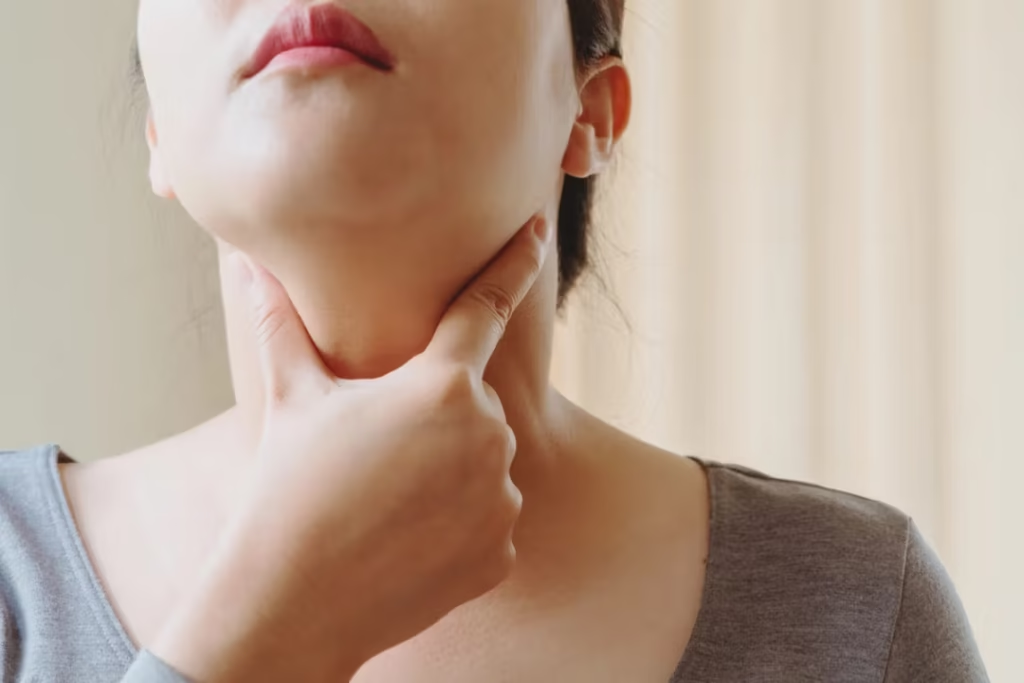
The physical self-exam focuses on identifying structural changes in the gland, such as localized lumps, nodules, or generalized swelling (a goiter). This simple test requires only a mirror, a glass of water, and a few minutes of your time.
The At-Home Thyroid Neck Check
1.Step 1: Locate a Mirror and a Glass of Water:Prepare Your Tools.
Stand or sit in a well-lit room in front of a mirror. Make sure you have a clear, unobstructed view of your neck, especially the lower half just above your collarbone and below your Adam’s apple (voice box).
2.Step 2: Tilt Your Head Back Slightly:Position Your Head.
Gently tilt your chin upward toward the ceiling. Avoid tilting too far back, as overstretching the skin can hide small underlying lumps. You want a relaxed, slightly extended view of your lower neck.
3.Step 3: Take a Sip of Water and Swallow:Take a Sip.
Take a sip of water. As you swallow, watch the lower part of your neck closely in the mirror. Look for any bulges, asymmetrical swellings, or round lumps that move up and down with your windpipe as you swallow.
4.Step 4: Gently Palpate the Lower Neck:Feel the Area.
Repeat the swallowing process while gently placing your fingers on either side of your windpipe in the lower neck area. Feel for any distinct, firm bumps or a general fullness on one side compared to the other.
Risk Factors: Are You More Likely to Have a Thyroid Issue?
Identifying if you belong to a higher-risk category can help you determine how often to perform self-checks. Your risk increases if you have:
- A Family History: Having a relative with thyroid disease, goiters, or other autoimmune conditions (like lupus or rheumatoid arthritis) raises your risk.
- Recent Pregnancy: Postpartum hormone shifts can trigger temporary or permanent thyroid imbalances.
- A History of Hormonal Conditions: Women with Polycystic Ovary Syndrome (PCOS) or unexplained infertility often experience concurrent thyroid issues.
- An Age Over 30: While thyroid conditions can develop at any age, they are diagnosed most frequently in women aged 30 to 60.
Diagnosis: What Happens Next?
If your at-home neck check reveals a lump, or if your symptom journal points to a clear pattern, the next step is a formal medical diagnosis. This process is straightforward, pain-free, and highly accurate.
- Clinical Examination: Your doctor will physically feel your thyroid gland to evaluate its size, shape, and texture.
- Thyroid Panel Blood Tests: A small blood sample is checked for:
- TSH (Thyroid Stimulating Hormone): The master controller hormone. High TSH indicates an underactive thyroid; low TSH points to an overactive thyroid.
- Free T4 and Free T3: The active metabolic hormones produced by your gland.
- Thyroid Antibodies (TPO): Elevated levels can point to autoimmune conditions like Hashimoto’s.
- Ultrasound Scan: If your doctor feels a physical nodule or swelling, they may order an ultrasound of your neck to create a detailed map of the tissue.
Treatment Options: What to Expect
If a thyroid imbalance is diagnosed, there is no need to worry. Modern treatment is highly effective and designed to bring your body back into a state of natural balance.
- For Hypothyroidism (Underactive): Doctors typically prescribe a daily, synthetic hormone replacement tablet (levothyroxine). This tiny pill replaces the thyroid hormone your body is failing to produce, helping your energy, mood, and weight return to normal.
- For Hyperthyroidism (Overactive): Treatment may include antithyroid medications to slow down hormone production, beta-blockers to quickly soothe symptoms like a rapid heart rate, or radioactive iodine therapy to gently reduce the thyroid’s activity.
- For Nodules or Goiters: Many benign (non-cancerous) nodules require nothing more than routine monitoring. If a nodule is very large or causes difficulty swallowing, surgical options are available to safely remove a portion of the gland.
Lifestyle Management: Nurturing Your Thyroid Daily
Along with your doctor’s guidance, simple, daily wellness habits can offer incredible support to your thyroid and endocrine system.
- Eat Nutrient-Dense Foods: Your thyroid needs key minerals to function well. Include natural sources of selenium (like Brazil nuts and eggs) and zinc (such as pumpkin seeds and chickpeas) in your diet. If you live in coastal parts of Andhra Pradesh like Vizag, enjoying fresh, locally sourced seafood can be a delicious way to naturally support your trace mineral intake.
- Incorporate Gentle Movement: Regular, moderate physical activity like walking, yoga, or swimming helps stimulate metabolism without placing excessive stress on your body.
- Manage Chronic Stress: Prolonged stress releases high amounts of cortisol, which interferes with thyroid hormone conversion. Practice deep-breathing exercises, spend time in nature, or enjoy peaceful morning walks along the beaches of Visakhapatnam.
- Reduce Exposure to Endocrine Disruptors: Try to minimize your exposure to heavy plastics (like BPA in food containers) and harsh chemical cleansers, which can interfere with hormone receptor sites in the body.
Myth vs. Fact: Debunking Common Beliefs
- Myth:A positive at-home neck check means you have thyroid cancer.
- Fact: Not at all. Most visible lumps or swellings are benign nodules, cysts, or simple goiters caused by mild iodine imbalances or inflammation. It is a sign to get evaluated, not to panic.
- Myth:You can easily cure any thyroid condition at home with diet alone.
- Fact: While healthy food choices are excellent for supporting your body, autoimmune thyroid conditions (like Hashimoto’s or Graves’ disease) require medical care and prescription therapy to prevent long-term health complications.
- Myth:If you don’t have a visible lump on your neck, your thyroid is perfectly healthy.
- Fact: Many women with significant thyroid hormone imbalances have a completely normal-sized, smooth thyroid gland. Tracking systemic symptoms like fatigue, weight shifts, and cycle changes is just as important as the physical neck check.
When Should You Consult a Doctor?
Your at-home screening is designed to act as an early warning system. You should schedule an appointment with a healthcare provider if you notice any of the following:
- A visible bulge, lump, or asymmetrical swelling on either side of your lower neck during the water-swallow test.
- Persistent throat tightness, hoarseness in your voice, or mild difficulty swallowing or breathing.
- A cluster of systemic symptoms—such as severe fatigue, unexplained weight shifts, irregular periods, and mood changes—lasting more than three to four weeks.
- A resting heart rate that is consistently above 100 beats per minute, or if you feel frequent heart palpitations.
For women in Vizag and surrounding areas, consulting a dedicated gynecologist or hormone specialist can provide you with clear answers and a personalized path forward.
Summary: Listening to Your Body’s Signals
Caring for your hormonal health starts with paying close attention to your body’s subtle changes. By performing a regular thyroid neck check at home, keeping a symptom journal, and maintaining a balanced, mineral-rich lifestyle, you can catch imbalances early. Always remember that your at-home check is a tool of empowerment—a way to gather information before seeking the expert care of a medical professional.
Frequently Asked Questions
1. How often should I check my thyroid at home?
Performing the thyroid neck check once every month or two is a healthy routine. Checking more frequently isn’t necessary, as structural changes like nodules or goiters usually develop very slowly.
2. What is the basal body temperature test for the thyroid?
The basal body temperature (BBT) test involves taking your temperature immediately upon waking up in the morning, before getting out of bed. Historically, some believed a consistently low temperature indicated an underactive thyroid. However, because BBT fluctuates naturally with your menstrual cycle, stress, and room temperature, it is not considered a highly accurate or reliable diagnostic tool today.
3. Can I use an at-home blood test kit to check my thyroid?
Yes, there are at-home finger-prick blood test kits available that measure TSH and free thyroid hormones. While these can provide helpful initial data, you should still share the results with a qualified physician to confirm their accuracy and receive a comprehensive clinical evaluation.
4. What does a normal thyroid gland feel like?
In its healthy, normal state, you should not be able to feel or see your thyroid gland at all. It is incredibly soft, small, and tucked neatly beneath a layer of muscle and skin in your lower neck.
5. Why are women more prone to thyroid issues than men?
Women’s bodies experience frequent, complex hormonal transitions during menstrual cycles, pregnancy, and menopause. Estrogen plays a direct role in thyroid function and immune regulation, making females more susceptible to the autoimmune reactions that trigger thyroid imbalances.
6. Can thyroid issues affect my periods?
Absolutely. Thyroid hormones are closely linked with your reproductive hormones. An underactive thyroid can cause heavy, painful, or more frequent periods, while an overactive thyroid can cause very light, irregular, or skipped periods.
7. Is a goiter the same thing as a thyroid nodule?
Not exactly. A goiter refers to a general enlargement of the entire thyroid gland, which can make the whole neck look swollen. A nodule is a specific, localized lump or fluid-filled cyst within the thyroid tissue. Both can be felt during an at-home neck check.
8. Where can I get professional thyroid testing done near Visakhapatnam?
If you are located in Visakhapatnam, you can get a professional thyroid blood panel done at any leading diagnostic lab or hospital. For comprehensive care, consulting a gynecologist or endocrinologist in residential hubs like Madhurawada or central Vizag is highly recommended.
9. Can high stress mimic thyroid symptoms?
Yes. Chronic stress can cause fatigue, sleep issues, hair thinning, and weight changes that look almost identical to thyroid symptoms. A professional blood test is the only definitive way to tell whether stress or your thyroid gland is the root cause.



Leave a Comment