
Table of Contents
Understanding the PCOD and PCOS Difference
If you are dealing with irregular periods, sudden weight gain, stubborn acne, or unexpected facial hair growth, you are far from alone. Millions of women navigate these frustrating hormonal changes every single day. When searching for answers, you likely keep running into two closely related terms: PCOD and PCOS.
Are they exactly the same thing, or is there a major difference between them?
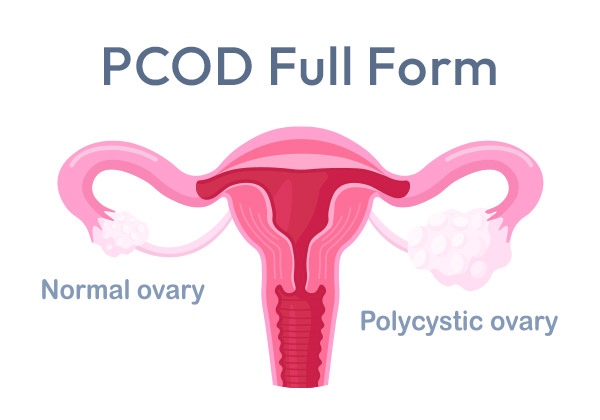
The primary PCOD and PCOS difference is that PCOD (Polycystic Ovarian Disease) is a common, manageable condition where the ovaries release immature eggs due to a temporary hormone imbalance, while PCOS (Polycystic Ovarian Syndrome) is a more serious metabolic and endocrine disorder where the ovaries produce higher levels of male hormones (androgens), completely disrupting egg development.
While PCOD can often be managed effectively through simple improvements in your diet and lifestyle, PCOS requires a more comprehensive medical treatment plan to safeguard your metabolic, reproductive, and long-term cardiovascular health.

What Do PCOD and PCOS Actually Mean?
To make the right decisions for your body, it helps to understand what is happening beneath the surface.
PCOD (Polycystic Ovarian Disease): A condition where a woman’s ovaries release immature or partially mature eggs, which eventually turn into tiny collections of fluid (cysts). This is usually triggered by a temporary hormone imbalance or elevated stress, and it does not typically impact overall bodily health beyond the reproductive system.
PCOS (Polycystic Ovarian Syndrome): A complex endocrine (hormone) and metabolic disorder. In PCOS, the ovaries produce excessive amounts of male hormones called androgens. This causes egg development to stop entirely, leading to irregular ovulation, metabolic challenges like insulin resistance, and a higher risk of long-term health complications.
For women across Andhra Pradesh, finding reliable health information is key. Whether you are balancing a busy lifestyle in the heart of Visakhapatnam or living in a growing suburb like Madhurawada, recognizing these differences early helps you seek the right care from a qualified specialist.
Symptoms: How to Spot the Signs at Home
Because both conditions stem from hormonal imbalances, their early signs frequently overlap. However, the severity of what you experience can vary significantly depending on which condition you have.
Real-Life Patient Scenario: Aditi vs. Kavitha
To see how these conditions appear in daily life, let us look at two women living in Vizag:
- Aditi’s Story (PCOD): Aditi is a 24-year-old software engineer. Over the last year, her periods became irregular, coming every 40 to 45 days instead of every month. She noticed a bit of weight gain around her midsection during a high-stress project. After a routine ultrasound, her doctor noticed small fluid collections in her ovaries but normal blood sugar levels. With guided lifestyle changes and stress management, Aditi’s cycles returned to a normal rhythm.
- Kavitha’s Story (PCOS): Kavitha is a 29-year-old bank manager. She has struggled with missing her periods for three to four months at a time since her early twenties. She deals with stubborn cystic acne along her jawline, noticeable hair thinning on her scalp, and thick, dark hair growth on her face. Despite eating mindfully, she gains weight easily and feels constantly exhausted. Her blood tests revealed high androgen levels and insulin resistance. Kavitha requires a personalized medical plan combining metabolic support, hormone regulation, and long-term care.
Comparing the Two Conditions Side-by-Side
To help you easily identify the structural, metabolic, and fertility differences between these two conditions, look at this straightforward comparison table:
| Feature | Polycystic Ovarian Disease (PCOD) | Polycystic Ovarian Syndrome (PCOS) |
| Core Nature | A localized medical condition of the ovaries. | A systemic metabolic and endocrine disorder. |
| Hormonal Profile | Mild hormone imbalances, often temporary. | High levels of male hormones (androgens). |
| Impact on Fertility | Most women ovulate naturally and conceive easily. | Ovulation is irregular, often requiring fertility support. |
| Metabolic Links | Not strongly linked to blood sugar issues. | Strongly linked to insulin resistance and diabetes. |
| Physical Symptoms | Mild cycle irregularities and occasional weight gain. | Severe acne, facial hair (hirsutism), and hair loss. |
| Long-Term Risks | Minimal risks to overall systemic health. | Higher risk of high blood pressure and heart issues. |
| Primary Approach | Managed well with targeted lifestyle adjustments. | Requires lifestyle changes plus medical management. |
Causes: What Triggers These Imbalances?
Hormonal disorders do not develop from a single cause. They are usually brought on by a combination of genetic traits and everyday environmental factors:
- Insulin Resistance: This is a major factor in PCOS. When your cells cannot use insulin effectively, your pancreas produces more of it. Excess insulin triggers your ovaries to produce too many male hormones, which disrupts normal ovulation.
- Low-Grade Inflammation: Studies show that women with PCOS often have chronic, low-grade inflammation that stimulates polycystic ovaries to produce excess androgens.
- Genetic History: Both PCOD and PCOS tend to run in families. If your mother or sister has struggled with irregular cycles, cysts, or early-onset diabetes, your chances of developing a hormonal imbalance are higher.
- Elevated Daily Stress: Chronic stress releases high amounts of cortisol, which can disrupt the communication between your brain and your ovaries, throwing off your natural cycle.
What to Look for in a Gynecologist
Navigating a hormonal disorder can feel overwhelming, which makes finding a compassionate, expert doctor essential. When choosing a specialist to support you, keep these key factors in mind:
- A Patient-First Approach: A great gynecologist will take the time to listen to your health history, validate your concerns, and explain your options clearly without making you feel rushed.
- A Focus on Hormone Health: Look for a doctor who specializes in reproductive endocrinology, PCOS management, and fertility support, rather than someone who only focuses on routine pregnancy checkups.
- Comprehensive Care Plans: Choose a clinic that values full-body wellness, offering guidance on nutrition, lifestyle adjustments, and metabolic health alongside standard prescriptions.
Experience, Facilities, and Location
Managing a hormonal condition requires precise care and modern resources. Here is what to consider when choosing where to receive care:
Specialized Treatment Facilities
An advanced women’s health clinic should provide high-resolution ultrasound imaging to accurately monitor ovarian structure, an in-house lab for quick hormone checks, and clear coordination for fertility care if you are trying to conceive. Having these services under one roof saves you time and ensures your care is well-integrated.
Why Location Matters for Consistency
Managing conditions like PCOS requires regular monitoring and follow-up visits. Choosing a clinic near your home or office makes it much easier to stay consistent with your appointments. For example, finding an expert gynecologist in accessible areas of Visakhapatnam, such as Madhurawada, ensures you can easily attend your checkups without the stress of a long commute.
Common Mistakes in Choosing a Doctor
When looking for medical care, many women accidentally fall into traps that can delay their recovery:
- Relying Solely on Online Reviews: While internet feedback is a helpful starting point, it should not be your only guide. Look for doctors who are highly recommended by trusted medical networks or friends who have successfully managed similar hormonal issues.
- Choosing the Closest Clinic Without Verifying Expertise: Proximity matters, but finding a physician who truly understands complex metabolic conditions like PCOS is far more important than simply choosing the nearest office.
- Accepting a One-Size-Fits-All Prescription: Every woman’s body is unique. If a provider hands you a generic prescription for birth control pills without checking your insulin levels or discussing your personal goals, it may be time to get a second opinion.
Lifestyle Management: Steps You Can Take at Home
Regardless of where you land on the spectrum of hormonal health, incorporating healthy daily habits can significantly improve how you feel:
- Focus on Whole, Unprocessed Foods: Build your meals around fiber-rich vegetables, lean proteins, and complex carbohydrates like oats and brown rice. These foods help prevent blood sugar spikes and keep your energy steady.
- Engage in Consistent, Gentle Movement: Regular physical activity—such as brisk walking, strength training, or yoga—improves your body’s response to insulin and reduces daily stress.
- Prioritize Restful Sleep: Aim for seven to eight hours of quality sleep each night. A regular sleep schedule helps balance the hormones that control your appetite, stress levels, and ovulation.
When Should You Consult a Doctor?
Hormonal health can change gradually, making it easy to minimize your symptoms. You should schedule an evaluation with a specialist if you notice:
- Your menstrual cycles are consistently shorter than 21 days or longer than 35 days.
- You routinely miss periods for several months at a time without being pregnant.
- You experience sudden, severe acne or dark, coarse hair growth on your face, chest, or back.
- You have been trying to conceive naturally for over a year (or six months if you are over the age of 35) without success.
Summary: Taking Control of Your Health Journey
Understanding the PCOD and PCOS difference helps you make informed choices for your body. PCOD is a highly manageable condition that often improves with simple lifestyle changes, while PCOS is a broader metabolic challenge that benefits from early, personalized medical care. By tracking your symptoms, focusing on balanced nutrition, and working with a trusted doctor, you can successfully balance your hormones and protect your long-term health.
Frequently Asked Questions
1. Can PCOD turn into PCOS over time?
No, PCOD does not turn into PCOS. PCOD is primarily a temporary imbalance where the ovaries produce immature eggs, often responding well to lifestyle improvements. PCOS is an underlying genetic, metabolic, and endocrine disorder that a woman is predisposed to from the start.
2. Is pregnancy possible if I have PCOS?
Yes, absolutely. While irregular ovulation can make conceiving more challenging, women with PCOS get pregnant successfully every day. With a combination of healthy lifestyle choices, insulin management, and gentle ovulation support from a specialist, achieving a healthy pregnancy is completely realistic.
3. Will I need to take medication forever for PCOS?
Not necessarily. PCOS is a long-term condition, but how it is managed changes over time. Many women find that after initial support to balance their hormones, they can keep their symptoms under control through consistent nutrition, stress management, and regular movement.
4. What is the most important test for diagnosing the PCOD and PCOS difference?
There isn’t a single test that gives a full diagnosis. Doctors use a combination of a detailed review of your symptoms, pelvic ultrasound imaging to check your ovaries, and blood tests to measure your hormone and fasting insulin levels.
5. Does having PCOD or PCOS always cause weight gain?
While weight gain and difficulty losing weight are very common due to insulin changes, they do not affect everyone. Lean PCOS is a form of the condition where a woman maintains a typical body weight but still experiences irregular periods, acne, and elevated male hormones.
6. Can lifestyle changes alone manage PCOS?
Healthy lifestyle habits are the foundation of managing PCOS, but some women also need medical support. If insulin resistance or severe hormone imbalances are present, combining nutrition and exercise with targeted medical care provides the best results.
7. Why does PCOS cause facial hair growth in women?
PCOS causes the ovaries to produce higher levels of male hormones called androgens. These hormones stimulate the hair follicles on the face, chest, and abdomen, leading to the growth of darker, coarser hair (a condition known as hirsutism).
Trust-First Care for Your Hormonal Health
Navigating hormonal shifts requires personalized, compassionate care. At Vedanta Speciality Clinics, our team is dedicated to listening to your story, identifying the root causes of your symptoms, and building a care plan that fits your life. If you are looking for clear answers and reliable support, we are here to walk with you every step of the way.


Leave a Comment