
Table of Contents
Understanding Your Body: Common Thyroid Symptoms in Female
Are you feeling constantly exhausted, even after a full night’s sleep? Have you noticed sudden changes in your weight, mood, or menstrual cycle that seem to have appeared out of nowhere? If so, your thyroid gland could be trying to tell you something.
Thyroid symptoms in female patients are incredibly common, yet they are often mistaken for daily stress, aging, or typical premenstrual shifts. The thyroid gland acts as your body’s central control panel, managing how every single cell uses energy. When it produces too little hormone (hypothyroidism) or too much hormone (hyperthyroidism), it impacts everything from your menstrual health and fertility to your mood, body temperature, and heart rate.
Because women are up to eight times more likely to develop thyroid disorders than men, understanding these signs is the first step toward reclaiming your energy and health. For women across Andhra Pradesh, especially in growing coastal hubs like Visakhapatnam, keeping an eye on hormonal health is essential for overall well-being.
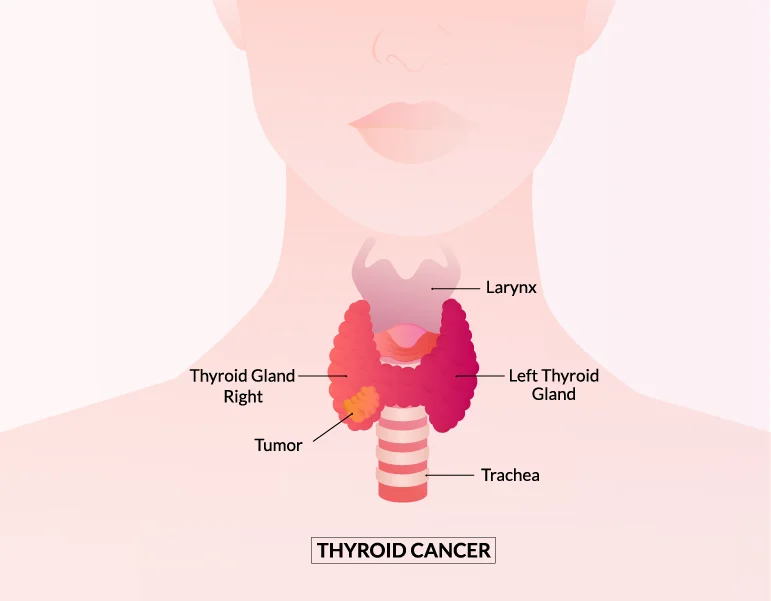
What is a Thyroid Disorder? A Clear Definition
To understand how thyroid imbalances manifest, it is helpful to look at what this small gland actually does.
Thyroid Dysfunction: A medical condition where the thyroid gland—located at the base of your neck—fails to produce the correct amount of thyroid hormones, specifically Thyroxine (T4) and Triiodothyronine (T3).
- When the gland is underactive, it produces too little hormone, slowing down your body’s metabolism (Hypothyroidism).
- When the gland is overactive, it produces too much hormone, accelerating your metabolism to a rate that is difficult for your body to sustain (Hyperthyroidism).
Because these hormones act as messengers to your heart, brain, muscles, and reproductive organs, even a minor imbalance can create a ripple effect throughout your entire system.
Causes: What Triggers Thyroid Imbalances in Women?
Thyroid issues do not occur in a vacuum. They are typically triggered by specific underlying genetic, autoimmune, or environmental factors:
- Autoimmune Responses: The most common cause of thyroid disorders is an autoimmune condition. In Hashimoto’s thyroiditis, your immune system mistakenly attacks the thyroid, leading to hypothyroidism. In Graves’ disease, the immune system overstimulates the gland, leading to hyperthyroidism.
- Hormonal Milestones: Significant hormonal transitions—such as pregnancy, childbirth, and menopause—can trigger thyroid dysfunction. Postpartum thyroiditis, for example, is a temporary inflammation of the gland that occurs in some women after giving birth.
- Nutritional Deficiencies or Excesses: Your thyroid relies heavily on iodine to manufacture hormones. Both too little iodine (common in certain inland regions) and excessive iodine intake can disrupt normal function.
- Chronic Stress: High levels of stress release cortisol, which can interfere with the conversion of inactive T4 thyroid hormone into active T3, slowing your overall metabolism.
Symptoms: Recognizing the Signs in Women
Because thyroid hormones affect almost every organ, symptoms can vary wildly depending on whether your metabolism is running too slow or too fast. Many women describe feeling like their bodies are suddenly operating on a completely different speed setting.
To help you identify what you might be experiencing, let us compare the two most common types of thyroid disorders side-by-side:

Hypothyroidism vs. Hyperthyroidism Symptoms
| Symptoms | Underactive Thyroid (Hypothyroidism) | Overactive Thyroid (Hyperthyroidism) |
| Metabolic Speed | Extremely slow, sluggish | Extremely fast, racing |
| Energy & Sleep | Persistent fatigue, oversleeping | Restlessness, anxiety, insomnia |
| Weight Changes | Unexplained weight gain | Sudden weight loss despite a high appetite |
| Temperature Tolerance | Feeling constantly cold | Feeling unusually hot, heavy sweating |
| Heart Rate | Slow heart rate (bradycardia) | Rapid or fluttering heart rate (palpitations) |
| Menstrual Cycle | Very heavy, painful, or prolonged periods | Scanty, light, or completely missed periods |
| Hair & Skin | Dry, thinning hair; pale, dry skin | Brittle hair, thinning skin, soft nails |
| Mood | Brain fog, depression, sadness | Nervousness, irritability, mood swings |
| Bowel Habits | Chronic constipation | Frequent bowel movements or diarrhea |
Risk Factors: Who is Most Vulnerable?
Certain factors increase your likelihood of developing a thyroid condition. Knowing these can help you determine if you need to be screened early:
- Gender: As mentioned, females are significantly more susceptible than males due to the complex ways estrogen and progesterone interact with thyroid function.
- Family History: If a parent, grandparent, or sibling has a history of thyroid disease or other autoimmune disorders (like Type 1 diabetes or celiac disease), your risk is higher.
- Age: While it can affect females of any age, thyroid issues are most commonly diagnosed during the reproductive years (ages 20 to 45) and after menopause (ages 50 and above).
- Recent Pregnancy: Women who have given birth within the past six months have a higher risk of developing temporary thyroid inflammation.
Diagnosis: How Doctors Detect Thyroid Issues
If you are experiencing symptoms, getting a precise diagnosis is straightforward. Healthcare professionals use a simple sequence of steps to check your hormone health.
The Diagnostic Pathway
1.TSH (Thyroid Stimulating Hormone) Test:Simple Blood Draw.
This is the primary screening test. TSH is produced by your brain to tell your thyroid to get to work. If TSH is high, your thyroid is underactive (hypothyroidism). If TSH is low, your thyroid is overactive (hyperthyroidism).
2.Free T3 and Free T4 Blood Tests:Hormone Level Checks.
These tests measure the actual level of active thyroid hormones circulating in your bloodstream to determine the severity of the imbalance.
3.Thyroid Antibody Tests:Autoimmune Screening.
Doctors test for specific antibodies (like TPO antibodies) to see if an autoimmune condition like Hashimoto’s or Graves’ disease is the root cause of your symptoms.
4.Thyroid Ultrasound:Imaging (If Needed).
If your doctor feels any swelling or nodules on your neck during a physical exam, they may order an ultrasound to look at the structure of the gland.
Treatment Options: Restoring Balance
The goal of thyroid treatment is to bring your hormone levels back into a steady, healthy range. Treatment is highly effective and tailored to your specific diagnosis.
Treating Hypothyroidism (Underactive)
The standard treatment is daily hormone replacement therapy using a synthetic thyroid hormone called levothyroxine. This is a simple, tiny pill taken on an empty stomach first thing in the morning. It replicates the exact hormone your body is missing, gradually restoring your energy, weight, and menstrual cycle to normal.
Treating Hyperthyroidism (Overactive)
- Antithyroid Medications: Drugs like methimazole help prevent your thyroid from producing excess hormones.
- Beta-Blockers: These medications do not treat the thyroid directly, but they quickly relieve distressing symptoms like a rapid heart rate, tremors, and anxiety.
- Radioactive Iodine Therapy: This treatment gently shrinks the thyroid gland over time, slowing down its hormone production.
- Surgical Options: In rare cases where a large goiter (swelling) makes swallowing difficult, a surgeon may remove part or all of the gland.
Lifestyle Management: Nurturing Your Thyroid Daily
While medical treatment is essential for thyroid disorders, incorporating supportive daily habits can make a profound difference in how you feel.
- Prioritize Selen- and Zinc-Rich Foods: These minerals are crucial for converting thyroid hormones into their active forms. Enjoy eggs, Brazil nuts, sunflower seeds, and legumes. If you reside in coastal regions like Vizag or near Madhurawada, fresh, locally sourced seafood is also a wonderful source of natural minerals.
- Manage Stress Mindfully: Chronic stress stalls thyroid hormone production. Dedicate fifteen minutes a day to deep breathing exercises, progressive muscle relaxation, or quiet walks along the shoreline of Visakhapatnam.
- Support Your Gut Health: Since a portion of thyroid hormone conversion happens in your digestive tract, a gut-friendly diet featuring fiber, curd, and fermented foods can keep your metabolism running smoothly.
- Limit Goitrogens (If Uncooked): Vegetables like cabbage, cauliflower, and broccoli contain substances called goitrogens, which can interfere with iodine absorption if eaten raw in massive quantities. Steaming or cooking these vegetables completely deactivates these compounds, making them perfectly safe and healthy to eat.
Myth vs. Fact: Uncovering the Truth About Thyroid Health
- Myth:If you have thyroid issues, you can never lose weight.
- Fact: While an underactive thyroid slows your metabolism, optimizing your hormone levels with the correct medical therapy, combined with a balanced diet and regular movement, makes healthy weight management entirely achievable.
- Myth:Only older women get thyroid issues.
- Fact: Thyroid issues can occur at any stage of life, including during puberty, the reproductive years, pregnancy, and menopause.
- Myth:Gluten-free diets cure all thyroid conditions.
- Fact: A gluten-free diet can be highly beneficial for women who have both celiac disease and Hashimoto’s thyroiditis, but it is not a universal cure for everyone with thyroid issues. Always consult a healthcare professional before making drastic dietary cuts.
When Should You Consult a Doctor?
Hormone imbalances can creep up slowly, making it easy to dismiss them. You should consult a physician or gynecologist if you experience:
- Unexplained weight changes (gaining or losing weight without any changes to your diet or exercise routine).
- Persistent, deep fatigue that doesn’t improve with rest, especially if combined with feeling constantly cold or hot.
- Irregular menstrual cycles, very heavy periods, or difficulty conceiving.
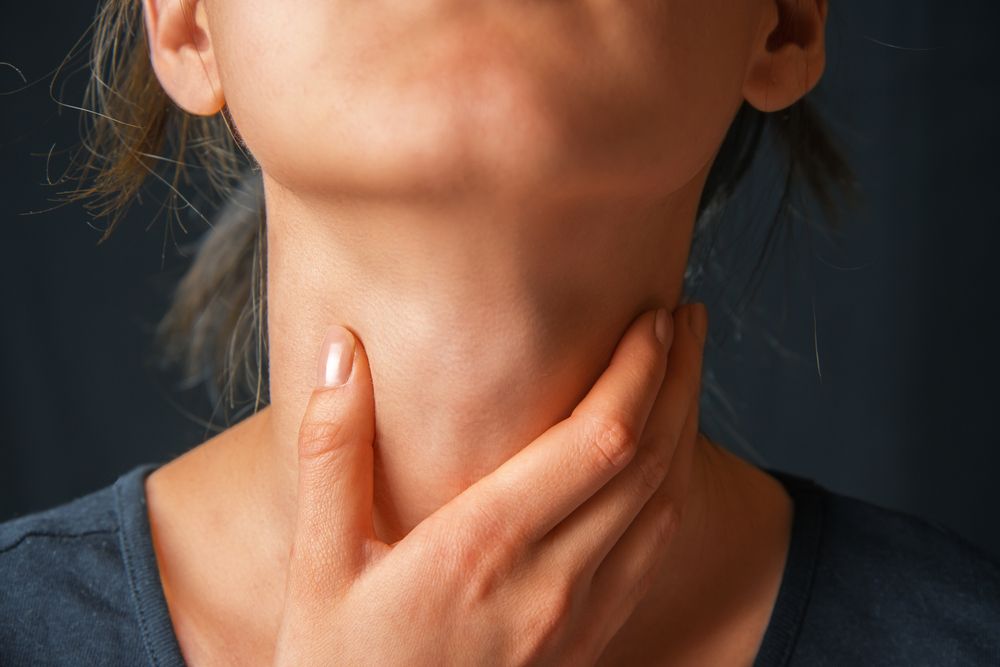
- A visible swelling or fullness in the front of your neck, or difficulty swallowing.
If you are living in Andhra Pradesh, seeking help from trusted specialists who understand the complex interplay of women’s hormones can make all the difference in your diagnostic journey.
Summary: A Gentle Path Forward
Managing your thyroid health is not about finding a quick fix; it is about understanding your body’s unique signals and offering it the support it deserves. Whether your thyroid is running too fast or too slow, modern medical care combined with gentle lifestyle adjustments can help you feel like yourself again. Take things one day at a time, listen to your body, and prioritize your hormonal wellness.
Frequently Asked Questions
1. Can thyroid issues cause hair loss in women?
Yes. Both an underactive thyroid (hypothyroidism) and an overactive thyroid (hyperthyroidism) can cause hair thinning or loss. This happens because thyroid hormones are essential for the healthy development and maintenance of hair follicles. Once your hormone levels are balanced with treatment, hair growth usually returns to normal.
2. Can a thyroid imbalance make it difficult to get pregnant?
Yes. Thyroid hormones play a vital role in ovulation and menstrual regularity. An underactive or overactive thyroid can prevent your ovaries from releasing an egg regularly, making conception more challenging. Getting your thyroid levels checked is a routine and important part of any fertility evaluation.
3. How long does it take for thyroid medication to start working?
Most women begin to notice an improvement in their energy levels within two to four weeks of starting thyroid hormone replacement therapy. However, it can take several weeks or even a couple of months to find the exact dose that keeps your hormone levels perfectly balanced.
4. Is thyroid disease genetic?
Yes, family history is a significant risk factor. If you have a close relative with a thyroid disorder or an autoimmune condition, you have a higher likelihood of developing one yourself. It is helpful to share your family medical history with your doctor.
5. Why does hypothyroidism make me feel so cold?
Thyroid hormones act as a thermostat for your body by regulating your metabolic rate. When your thyroid is underactive, your metabolism slows down, meaning your body produces less internal heat. This often leaves you feeling cold even in warm environments.
6. Where can I find expert gynecological and hormonal care in Visakhapatnam?
Visakhapatnam has several modern healthcare centers specializing in women’s hormonal health. Clinics in central Vizag or residential neighborhoods like Madhurawada offer comprehensive diagnostics, thyroid screenings, and personalized endocrinology care.
7. Can thyroid issues cause mood swings and anxiety?
Absolutely. An overactive thyroid (hyperthyroidism) often causes physical symptoms that mimic anxiety, such as a racing heart, tremors, nervousness, and irritability. Conversely, hypothyroidism is strongly linked to feelings of depression, brain fog, and fatigue.
8. Do I have to take thyroid medication for the rest of my life?
If you are diagnosed with permanent hypothyroidism (such as from Hashimoto’s thyroiditis), you will likely need to take thyroid hormone replacement therapy long-term to keep your body balanced. However, some conditions like postpartum thyroiditis are temporary and resolve on their own.


Leave a Comment