
Table of Contents
What Exactly Causes Infertility? Factors & Medical Solutions
When you decide to build or expand your family, expecting a quick positive pregnancy test feels natural. But when months go by without success, it is completely normal to ask what exactly causes infertility and wonder if something inside your body requires extra care.
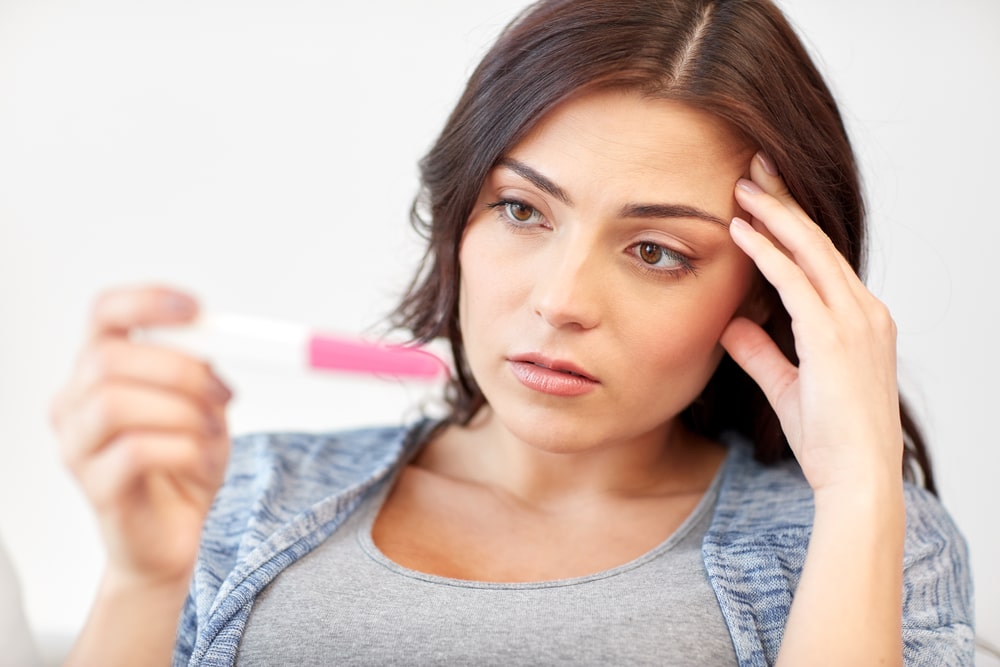
Navigating difficulty in conceiving can feel emotionally isolating. In many households, subtle societal pressures or unsolicited advice from extended family make the process even more heavy. However, subfertility is simply a biological puzzle, not a personal failure, a defect, or something to feel embarrassed about.
In reality, successful human reproduction relies on a delicate chain of events: a mature egg must be released, healthy sperm must reach it, fertilization must occur in a clear fallopian tube, and the resulting embryo must settle into a healthy uterine lining. If any single link in this physiological chain is delayed or disrupted, conception takes longer.
Understanding the underlying causes—ranging from common hormonal imbalances like PCOS to structural factors—empowers you to move past anxiety and seek evidence-based medical care with total confidence.
What Is Infertility?
Snippet-Ready Definition:
Infertility is clinically defined by WHO and ACOG guidelines as the inability to achieve a clinical pregnancy after 12 or more months of regular, unprotected sexual intercourse. It is categorized as primary (conception has never occurred) or secondary (conception delays arise after a previous successful pregnancy), stemming from female, male, or combined factors.

How Common Is Infertility Among Indian Couples?
If you are experiencing delays while trying to conceive, it helps to realize just how widespread this health challenge is across India today.
According to research supported by the Indian Council of Medical Research (ICMR) and guidelines from the Federation of Obstetric and Gynaecological Societies of India (FOGSI), approximately 10% to 15% of Indian couples face difficulty conceiving naturally.
Distribution of Infertility Factors in Indian Couples
[█████████████████████████████████████████] ~40% Female Factors (PCOS, Tubal, Endometriosis)
[████████████████████████████████░░░░░░░░░] ~35% Male Factors (Sperm Count, Motility, Morphology)
[████████████████████████░░░░░░░░░░░░░░░░░] ~15% Combined Dual Factors (Both partners require care)
[████████████████░░░░░░░░░░░░░░░░░░░░░░░░░] ~10% Unexplained Factors (Normal standard test results)
In urban centers across South India and coastal regions like Visakhapatnam, metabolic shifts, urban dietary adjustments, sedentary work environments, and elevated stress levels have made conditions like Polycystic Ovary Syndrome (PCOS) increasingly common. Consulting an experienced women’s health specialist Visakhapatnam helps demystify these statistics and guides couples toward clear, tailored solutions.
Signs and Symptoms You May Notice
While the defining sign of subfertility is being unable to conceive after months of trying, your body often shares subtle hormonal or physical indicators beforehand. You may notice:
┌─────────────────────────────────────────────────────────────────────────────┐
│                 SIGNS THAT MAY INDICATE CONCEPTION DELAYS                   │
├──────────────────┬───────────────────────────┬──────────────────────────────┤
│ Indicator Category│ Physical Sign / Pattern  │ Biological Significance      │
├──────────────────┼───────────────────────────┼──────────────────────────────┤
│ Menstrual Cycle  │ Cycles shorter than 21    │ Points toward irregular egg   │
│ Irregularities   │ days, longer than 35 days,│ release or anovulatory       │
│                  │ or completely absent flow │ menstrual cycles             │
├──────────────────┼───────────────────────────┼──────────────────────────────┤
│ Severe Pelvic    │ Sharp, intense cramping   │ May suggest structural issues│
│ Discomfort       │ during periods or pain    │ like endometriosis or pelvic │
│                  │ during intercourse        │ adhesion tissue              │
├──────────────────┼───────────────────────────┼──────────────────────────────┤
│ Hormonal &       │ Adult facial acne, sudden │ Common indicators of PCOS,   │
│ Metabolic Shifts │ excess facial hair growth,│ elevated androgen levels, or │
│                  │ or scalp hair thinning    │ thyroid dysregulation        │
├──────────────────┼───────────────────────────┼──────────────────────────────┤
│ Systemic Body    │ Unexplained weight shifts,│ Can signal underlying        │
│ Signals          │ chronic fatigue, or temperature sensitivity          │ thyroid hormone imbalance    │
└──────────────────┴───────────────────────────┴──────────────────────────────┘
- Irregular or Missed Cycles: Menstrual flows that arrive unpredictably or skip months at a time, suggesting that regular ovulation may not be occurring.
- Extremely Severe Menstrual Pain: Deep pelvic throbbing during periods that interferes with basic tasks, potentially signaling endometriosis or adenomyosis.
- Hormonal Physical Changes: Noticing persistent adult acne, unexplained hair growth on the chin or chest, or thinning head hair—classic signs of hormonal imbalance.
- Pain During Intercourse (Dyspareunia): Discomfort or pain during intimacy, which can indicate pelvic inflammation or deep-seated pelvic tissue adhesions.
Root Causes: What Exactly Causes Infertility?
To better understand why delays happen, medical science categorizes root factors into clear biological areas:
                      ┌────────────────────────────────────────┐
                      │    ROOT CAUSES OF CONCEPTION DELAYS    │
                      └───────────────────┬────────────────────┘
                                          │
         ┌───────────────────┬────────────┴────────────┬───────────────────┐
         ▼                   ▼                         ▼                   ▼
┌─────────────────┐ ┌─────────────────┐       ┌─────────────────┐ ┌─────────────────┐
│ Ovulatory &     │ │ Structural &    │       │ Male Factor     │ │ Lifestyle &     │
│ Hormonal        │ │ Tubal Factors   │       │ Parameters      │ │ Unexplained     │
│ PCOS, Thyroid,  │ │ Blocked tubes,  │       │ Sperm count,    │ │ High stress,    │
│ Hyperprolactin  │ │ Endometriosis   │       │ motility, shape │ age, metabolic  │
└─────────────────┘ └─────────────────┘       └─────────────────┘ └─────────────────┘
1. Ovulatory Disorders and Hormonal Shifts
For pregnancy to happen, an ovary must release a mature, healthy egg every month. Disruptions in this hormonal signal chain are the single most common cause of female subfertility.
- Polycystic Ovary Syndrome (PCOS): PCOS creates a mild hormonal imbalance that prevents follicles from maturing fully and releasing eggs regularly.
- Thyroid Dysregulation: Both an underactive thyroid (hypothyroidism) and an overactive thyroid interfere with ovulation and early pregnancy support.
- Hyperprolactinemia: Elevated levels of prolactin (the milk-producing hormone) can trick the brain into shutting down monthly ovulation.
2. Tubal Blockages and Pelvic Factor Issues
Fallopian tubes act as the crucial pathway where sperm and egg meet. If a tube is blocked or damaged, sperm cannot reach the egg naturally.
- Pelvic Inflammatory Disease (PID): Previous, often unnoticed pelvic infections can leave delicate scar tissue inside the fallopian tubes.
- Endometriosis: Tissue similar to the uterine lining grows outside the uterus, causing internal inflammation, pelvic adhesions, and distorted pelvic anatomy.
3. Uterine and Cervical Factors
The uterus must provide a healthy, welcoming environment for embryo implantation.
- Uterine Fibroids and Polyps: Benign growths inside the uterine cavity can physically disrupt embryo implantation or distort blood flow.
- Congenital Uterine Variations: Structural variations present from birth, such as a uterine septum, can make holding a pregnancy more challenging.
4. Male Reproductive Factors
It is vital to remember that fertility is a shared journey. Male factors contribute to approximately 40% to 50% of all conception delays:
- Low total sperm count (oligozoospermia).
- Reduced sperm motility (asthenozoospermia), making it difficult for sperm to travel up the reproductive tract.
- Structural variations or previous testicular infections affecting sperm production.
5. Lifestyle, Environmental, and Age Factors
- Advanced Maternal Age: Female egg quantity and quality naturally drop over time, particularly after age 35.
- Metabolic and Dietary Factors: Significant weight shifts, severe insulin resistance, or nutritional deficiencies can subtly alter hormone secretion.
- Chronic Psychological Stress: High daily stress raises cortisol, which can disrupt the delicate hormonal signals sent from the brain to the ovaries.
How Is Infertility Diagnosed?
Investigating fertility concerns is a gentle, step-by-step diagnostic journey. Rather than undergoing invasive tests immediately, a lady gynecologist Vizag guides couples through standard baseline assessments:
┌─────────────────────────────────────────────────────────────────────────────┐
│                   COMPREHENSIVE FERTILITY WORKUP STEPS                      │
├─────────────────────────────────────┬───────────────────────────────────────┤
│ Clinical Assessment Step            │ Purpose & What to Expect              │
├─────────────────────────────────────┼───────────────────────────────────────┤
│ Baseline Hormone Blood Panel        │ Checks AMH (egg reserve), FSH, LH,    │
│                                     │ Thyroid (TSH), and Prolactin levels   │
├─────────────────────────────────────┼───────────────────────────────────────┤
│ Transvaginal Pelvic Ultrasound (TVS)│ Evaluates uterine cavity shape and    │
│                                     │ counts antral follicles in ovaries    │
├─────────────────────────────────────┼───────────────────────────────────────┤
│ Fallopian Tube Patency Test (HSG)   │ Special contrast imaging to confirm   │
│                                     │ whether both fallopian tubes are open │
├─────────────────────────────────────┼───────────────────────────────────────┤
│ Partner Semen Analysis              │ Simple laboratory test assessing sperm│
│                                     │ count, movement speed, and structure  │
└─────────────────────────────────────┴───────────────────────────────────────┘
- Detailed Clinical Consultation: Reviewing cycle regularity, lifestyle routines, medical history, and overall reproductive goals.
- Basic Hormone Blood Work: Measuring AMH (Anti-Müllerian Hormone) to assess ovarian reserve, along with thyroid and prolactin panels.
- Pelvic Ultrasound Scan: Checking the health of the uterus, measuring endometrial thickness, and counting antral follicles in the ovaries.
- Tubal Evaluation (HSG/SSG): A quick procedure using fluid or contrast to confirm that fallopian tubes are open and healthy.
- Partner Semen Analysis: A non-invasive laboratory analysis to evaluate male reproductive parameters.
Overview of Medical Management Options
Discovering the cause of conception delays opens the door to effective, gentle solutions. Modern gynaecology emphasizes conservative, step-by-step management whenever possible:
┌─────────────────────────────────────────────────────────────────────────────┐
│                    OVERVIEW OF FERTILITY CARE OPTIONS                       │
├───────────────────┬───────────────────────────┬─────────────────────────────┤
│ Treatment Focus   │ Medical Approach          │ Clinical Objective          │
├───────────────────┼───────────────────────────┼─────────────────────────────┤
│ Ovulation         │ Simple oral medications   │ Encourages predictable,     │
│ Induction         │ monitored via ultrasound  │ monthly egg maturation      │
├───────────────────┼───────────────────────────┼─────────────────────────────┤
│ Metabolic &       │ Insulin-sensitizing       │ Restores regular menstrual  │
│ Lifestyle Care    │ therapy and nutrition     │ cycles and egg quality      │
├───────────────────┼───────────────────────────┼─────────────────────────────┤
│ Structural        │ Minimally invasive        │ Clears endometrial polyps or│
│ Correction        │ hysteroscopy or surgery   │ minor uterine fibroids      │
├───────────────────┼───────────────────────────┼─────────────────────────────┤
│ Advanced Family   │ Guided reproductive care  │ Directs couples to appropriate│
│ Planning          │ options                   │ assisted pathways when needed│
└───────────────────┴───────────────────────────┴─────────────────────────────┘
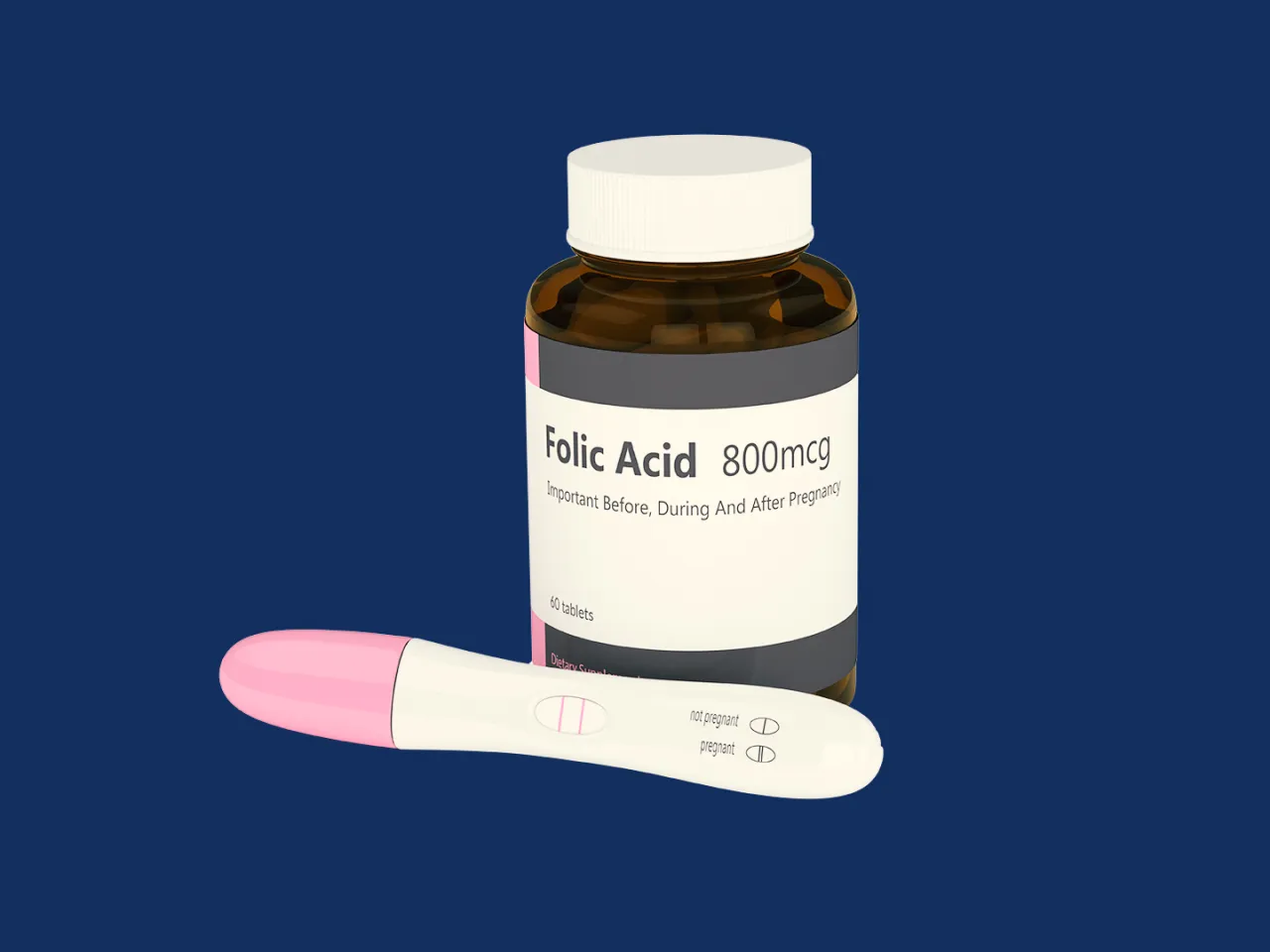
- Lifestyle and Nutritional Optimization: Adjusting daily nutrition, managing stress, and incorporating key pre-conceptional supplements like Folic Acid and Vitamin D.
- Ovulation Induction: Oral medications recommended by a gynaecologist to gently stimulate regular egg growth and release in women with PCOS or irregular cycles.
- Managing Underlying Conditions: Correcting thyroid levels, managing insulin resistance, or using targeted therapy for mild endometriosis.
- Guided Clinical Support: Assisting couples with timing intercourse accurately based on follicular monitoring scans.

Can PCOS Cause Infertility?
A very common question among young South Indian women is: Can PCOS cause infertility?
It is important to clarify that having PCOS does not mean you are infertile. While PCOS causes irregular or absent ovulation—making spontaneous conception trickier—the underlying egg reserve in women with PCOS is often quite robust.
With simple lifestyle adjustments, dietary balance, and guided ovulation induction under medical supervision, the vast majority of women with PCOS conceive and carry healthy pregnancies to full term.
When Should You See a Doctor?
Knowing when to transition from trying naturally to seeking a professional consultation saves precious time and eliminates unnecessary worry.
┌─────────────────────────────────────────────────────────────────────────────┐
│                          WHEN TO SEEK CLINICAL CARE                         │
├─────────────────────────────────────┬───────────────────────────────────────┤
│ Trying Naturally Benchmark          │ Signs Needing Early Consultation      │
├─────────────────────────────────────┼───────────────────────────────────────┤
│ • Under age 35: Trying naturally    │ • Age 35 or older: Trying for 6 months│
│   for 12 months with regular cycles │ • Irregular, skipped, or painful flow │
│ • No history of pelvic surgeries    │ • Known PCOS, thyroid issues, or PID  │
│ • Partner has no health concerns    │ • History of prior abdominal surgery  │
└─────────────────────────────────────┴───────────────────────────────────────┘
You should schedule a consultation with an experienced obstetrician in Vizag if:
- You are under 35 and have been trying to conceive for 12 months without success.
- You are 35 or older and have been trying to conceive for 6 months.
- You have irregular, unpredictable, or completely absent menstrual periods.
- You experience severe period pain, pain during intercourse, or abnormal bleeding.
- You or your partner have a history of thyroid disorders, PCOS, prior pelvic surgery, or reproductive health concerns.
If you recognise several of these symptoms or circumstances in yourself, speaking to a qualified gynaecologist is the most important next step. Dr. Devani Chalamuri at Vedanta Speciality Clinics in Madhurawada, Vizag specialises in gynaecology, reproductive health evaluations, and hormonal care, offering compassionate, evidence-based guidance for couples across Visakhapatnam.
Frequently Asked Questions
What exactly causes infertility in young women today?
In young women, the most common causes include ovulatory disorders such as Polycystic Ovary Syndrome (PCOS), thyroid dysregulation, tubal blockages from pelvic inflammation, or structural conditions like endometriosis.
Can PCOS cause infertility in women?
Yes, PCOS is one of the leading causes of female subfertility because it leads to irregular or absent ovulation. However, with lifestyle modification and simple ovulation induction, most women with PCOS can conceive successfully.
Which doctor should I see for infertility evaluation in Vizag?
You should consult an experienced lady gynecologist and women’s health specialist. Dr. Devani Chalamuri at Vedanta Speciality Clinics in Madhurawada provides comprehensive fertility evaluations, pelvic scans, and compassionate care across Visakhapatnam.
Are fertility issues always related to the woman?
No. According to global guidelines, male reproductive factors contribute to roughly 40% to 50% of all conception delays. Both partners should always undergo basic screening together.
Can I get a fertility checkup and pelvic ultrasound in Madhurawada?
Yes, couples in Madhurawada and nearby Vizag regions can access complete gynaecological consultations, hormone panels, and pelvic ultrasounds locally at Vedanta Speciality Clinics.
Does severe stress contribute to conception delays?
High, prolonged physical or emotional stress raises cortisol levels, which can disrupt the hypothalamic-pituitary-ovarian axis and interfere with regular hormonal signaling for ovulation.
Can blocked fallopian tubes cause infertility without any pain?
Yes, blocked fallopian tubes often do not cause outward physical symptoms or pain. A specialized test called a Hysterosalpingogram (HSG) or Sonosalpingography is required to check if the tubes are open.
When should I see a gynecologist in Vizag for fertility concerns?
You should schedule a consultation if you have been trying to conceive for 12 months (or 6 months if over age 35), or earlier if you experience irregular periods, severe menstrual pain, or known pelvic conditions.
Reclaiming Clarity and Hope on Your Journey
Understanding what exactly causes infertility takes away the stigma and replaces confusion with clear, actionable medical knowledge. Difficulty in conceiving is simply a health condition that deserves empathetic, professional evaluation—just like any other physical concern.
Every reproductive journey is unique. By seeking early guidance from an understanding specialist, addressing hormonal or structural factors, and taking care of your overall well-being, you take a positive step toward fulfilling your family dreams.
If you have questions about conceiving or wish to schedule a consultation, Dr. Devani Chalamuri at Vedanta Speciality Clinics, Madhurawada, Vizag is available for a consultation.


Leave a Comment