
Table of Contents
What Is the Best Treatment for Menopause? Relief, Options, and Expert Care
Reaching menopause is a significant and natural milestone in a woman’s life journey. Yet, if you are currently experiencing sudden waves of heat, restless nights, unexplained mood shifts, or shifting energy levels, you are likely searching for clear answers on what is the best treatment for menopause to help you feel like yourself again.
For generations, Indian women were often expected to navigate this midlife transition quietly, treating symptoms as something to simply endure. Today, medical science recognizes menopause not as a health decline, but as a biological transition that can be managed comfortably with modern, evidence-based care.
Because every woman’s hormonal profile, health background, and lifestyle are unique, there is no single “one-size-fits-all” remedy. Understanding what is the best treatment for menopause means discovering how a tailored mix of medical therapies, non-hormonal options, and lifestyle choices can restore your quality of life.
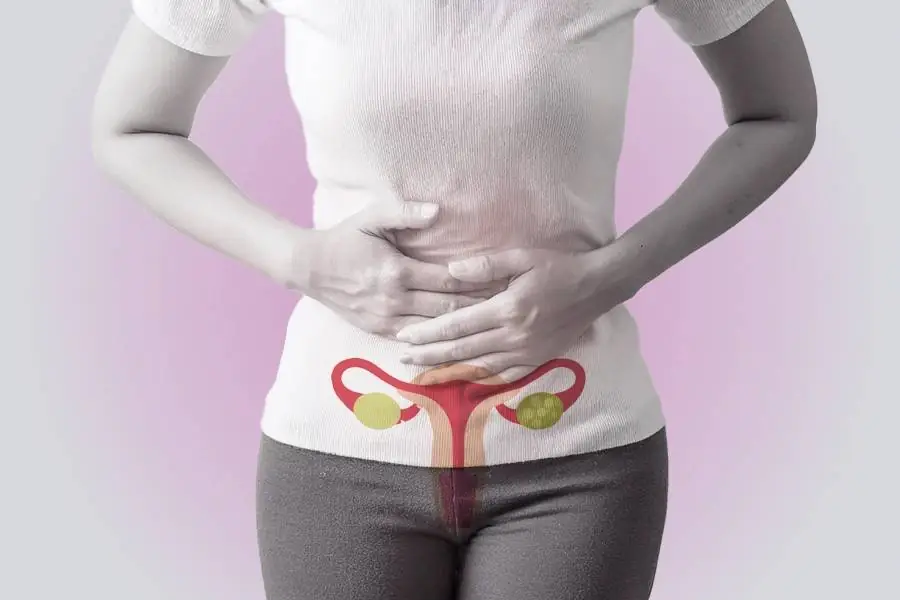
What Is Menopause?
Snippet-Ready Definition:
Menopause is officially diagnosed when a woman has gone 12 consecutive months without a menstrual period, signaling the end of her reproductive years. Recognized by FOGSI and WHO guidelines, this natural transition involves a decline in ovarian estrogen and progesterone, often preceded by a multi-year transition phase called perimenopause.
How Common Are Menopause Symptoms Among Indian Women?
Menopause is a universal experience, but its onset and physical presentation vary across different populations.
In India, large-scale clinical surveys reveal that the average age of natural menopause is 46.2 years, which is slightly earlier than the global Western average of 51 years.
Average Age of Menopause Onset
Global Average  : [███████████████████████████████████████████] 51 Years
Indian Average  : [█████████████████████████████████████] 46.2 Years
Furthermore, Indian health data highlights specific patterns during this transition:
Prevalence of Key Menopausal Symptoms in Indian Women
[██████████████████████████████████░░░░░░░] ~70% Joint Stiffness & Body Aches
[██████████████████████████░░░░░░░░░░░░░░░] ~55% Hot Flashes & Night Sweats
[████████████████████████░░░░░░░░░░░░░░░░░] ~50% Sleep Disturbances & Fatigue
In coastal hubs like Visakhapatnam, warm temperatures can make hot flashes and night sweats feel even more intense. Normalizing these experiences helps clear away any silence or stigma, making it easier to seek effective care.
Signs and Symptoms You May Notice
As ovarian estrogen production naturally tapers off, your body adjusts to new hormonal baselines. This transition unfolds over two distinct phases: perimenopause (the multi-year buildup) and postmenopause (the years following the complete cessation of periods).
During this journey, you may notice:
- Vasomotor signs: Sudden waves of warmth spreading across your chest, neck, and face (hot flashes), accompanied by drenching night sweats.
- Sleep disruption: Frequent night awakenings, difficulty falling asleep, or waking up feeling unrested.
- Mood & cognitive changes: Unexplained irritability, mild anxiety, sudden tearfulness, or temporary episodes of forgetfulness often described as “brain fog.”
- Pelvic & intimate changes: Vaginal dryness, localized discomfort during intimacy, or occasional urinary urgency.
- Musculoskeletal discomfort: Persistent joint stiffness, morning aching, and a gradual reduction in bone tissue density.
- Metabolic shifts: Gradual weight redistribution around the midsection despite maintaining your regular diet and activity.
Understanding the Stages: Perimenopause vs. Postmenopause
┌─────────────────────────────────────────────────────────────────────────────┐
│                   STAGES OF THE MENOPAUSAL TRANSITION                       │
├──────────────────┬───────────────────────────┬──────────────────────────────┤
│ Stage            │ Biological Pattern        │ Primary Symptoms             │
├──────────────────┼───────────────────────────┼──────────────────────────────┤
│ Perimenopause    │ Fluctuating estrogen;     │ Irregular cycles, mood swings│
│ (2 to 8 years)   │ skipped or heavy cycles   │ early hot flashes, insomnia  │
├──────────────────┼───────────────────────────┼──────────────────────────────┤
│ Menopause        │ 12 full months with zero  │ Marks official transition;   │
│ (Specific Point) │ menstrual bleeding        │ fertility ends naturally     │
├──────────────────┼───────────────────────────┼──────────────────────────────┤
│ Postmenopause    │ Consistently low, stable  │ Vaginal dryness, bone loss,  │
│ (Ongoing Phase)  │ estrogen levels           │ cardiac protection needs     │
└──────────────────┴───────────────────────────┴──────────────────────────────┘
What Is the Cause of Menopausal Symptoms?
To understand why menopause brings such a wide variety of physical changes, it helps to examine how estrogen works throughout your body.
                      ┌────────────────────────────────────────┐
                      │    PHYSIOLOGICAL IMPACT OF ESTROGEN    │
                      └───────────────────┬────────────────────┘
                                          │
         ┌───────────────────┬────────────┴────────────┬───────────────────┐
         ▼                   ▼                         ▼                   ▼
┌─────────────────┐ ┌─────────────────┐       ┌─────────────────┐ ┌─────────────────┐
│ Temperature     │ │ Bone Metabolism │       │ Nervous System  │ │ Tissue Hydration│
│ Regulation      │ │ & Density       │       │ & Mood Control  │ │ & Elasticity    │
└─────────────────┘ └─────────────────┘       └─────────────────┘ └─────────────────┘
- Thermoregulatory Reset in the Brain: Estrogen interacts directly with the hypothalamus—the brain’s internal thermostat. When estrogen levels drop, the hypothalamus becomes extra sensitive, misinterpreting small changes in body temperature as overheating. It responds by triggering intense flushing and sweating to cool you down quickly.
- Accelerated Bone Remodeling: Estrogen helps regulate osteoclasts, the cells responsible for breaking down old bone tissue. When estrogen decreases, bone breakdown can outpace new bone formation, increasing the long-term risk of osteopenia and osteoporosis if left unmanaged.
- Neurochemical Balance: Estrogen supports the production of serotonin and dopamine—the brain chemicals responsible for mood stability, calm sleep, and sharp focus. Lower estrogen can cause temporary mood fluctuations or sleep disruptions.
- Tissue Elasticity & Moisture: Estrogen maintains collagen, hydration, and blood flow throughout pelvic tissues. Declining levels lead to thinner, drier lining in vaginal and urinary tracts, which can lead to localized discomfort.

What Is the Best Treatment for Menopause? Comparing Medical Options
When discussing what is the best treatment for menopause, modern gynaecology offers a spectrum of safe, effective treatments tailored to your individual health profile and symptom severity.
                      ┌────────────────────────────────────────┐
                      │    MENOPAUSE TREATMENT MATRIX          │
                      └───────────────────┬────────────────────┘
                                          │
         ┌───────────────────┬────────────┴────────────┬───────────────────┐
         ▼                   ▼                         ▼                   ▼
┌─────────────────┐ ┌─────────────────┐       ┌─────────────────┐ ┌─────────────────┐
│ Menopausal Hormone│ │ Non-Hormonal    │       │ Localized Vaginal│ │ Dietary &       │
│ Therapy (MHT)   │ │ Prescriptions   │       │ Estrogen Creams │ │ Lifestyle Care  │
└─────────────────┘ └─────────────────┘       └─────────────────┘ └─────────────────┘
1. Menopausal Hormone Therapy (MHT / HRT)
Widely recognized by global guidelines (including FOGSI and ACOG) as the most effective medical option for moderate-to-severe vasomotor symptoms, MHT works by gently replenishing the estrogen your body no longer produces naturally.
- How It Helps: It provides rapid, effective relief from severe hot flashes, night sweats, sleep disruptions, and mood fluctuations, while simultaneously protecting bone density against osteoporosis.
- Safety & Timing: Clinical evidence shows that when started during perimenopause or early postmenopause (typically under age 60 or within 10 years of menopause onset), MHT carries a favorable safety profile for eligible women who undergo medical screening first.
- Therapy Types: Women with an intact uterus receive estrogen combined with progestin (to protect the uterine lining), while women who have had a hysterectomy take estrogen alone.
2. Non-Hormonal Prescription Therapies
For women who prefer to avoid hormone-based treatments or have medical reasons not to take estrogen (such as a history of hormone-sensitive conditions), several non-hormonal medications offer valuable relief.
- Selective Serotonin Reuptake Inhibitors (SSRIs/SNRIs): Low-dose prescription formulations can rebalance brain neurotransmitters, helping calm the hypothalamus to reduce hot flashes and improve mood stability.
- Targeted Neurotherapies: Medications like gabapentin or newer NK3 receptor antagonists provide alternatives for reducing nighttime hot flashes and promoting restful sleep.
3. Localized Vaginal Estrogen Treatments
When symptoms are primarily limited to vaginal dryness, intimacy discomfort, or recurring urinary irritation, systemic hormone therapy may not be necessary.
- How They Work: Ultra-low-dose vaginal estrogen creams, tablets, or rings work directly on local pelvic tissues with minimal absorption into the rest of the body. They effectively restore moisture, elasticity, and tissue health safely over the long term.
4. Lifestyle, Dietary, and Phytoestrogen Support
Lifestyle choices serve as the essential foundation for managing menopausal health:
- Nutritional Balance: A diet rich in plant-based phytoestrogens (found in soy, flaxseeds, and lentils), along with adequate calcium and vitamin D, supports both hormonal balance and bone strength.
- Targeted Exercise: Combining regular cardio with resistance training maintains metabolic health, preserves muscle mass, and keeps bones strong.
- Stress Management: Mindful breathing, gentle yoga, and good sleep hygiene help reduce cortisol levels, easing the frequency of hot flashes.
Comparing Main Treatment Approaches
┌─────────────────────────────────────────────────────────────────────────────┐
│                   COMPARED OVERVIEW OF MENOPAUSE THERAPIES                  │
├──────────────────┬───────────────────────────┬──────────────────────────────┤
│ Treatment Type   │ Best Suited For           │ Key Clinical Benefits        │
├──────────────────┼───────────────────────────┼──────────────────────────────┤
│ Systemic MHT/HRT │ Moderate to severe hot    │ Rapid symptom relief,        │
│                  │ flashes, night sweats     │ bone loss protection         │
├──────────────────┼───────────────────────────┼──────────────────────────────┤
│ Non-Hormonal     │ Women unable or choosing  │ Effective hot flash relief   │
│ Prescriptions    │ not to take estrogen      │ without systemic hormones    │
├──────────────────┼───────────────────────────┼──────────────────────────────┤
│ Local Vaginal    │ Vaginal dryness, discomfort│ Restores pelvic tissue health│
│ Estrogens        │ during intimacy           │ with minimal body absorption │
├──────────────────┼───────────────────────────┼──────────────────────────────┤
│ Lifestyle & Diet │ All women transitioning   │ Long-term cardiac, bone,     │
│ Interventions    │ through menopause         │ and metabolic wellness       │
└──────────────────┴───────────────────────────┴──────────────────────────────┘
How Is Menopause Diagnosed and Evaluated?
Determining what is the best treatment for menopause for your unique body begins with a thorough, reassuring clinical evaluation:
Diagnostic Pathway for Menopausal Evaluation
  ┌─────────────────────────┐
  │ 1. Detailed Health Map  │ Evaluation of symptom patterns, cycle history, & lifestyle
  └────────────┬────────────┘
               ▼
  ┌─────────────────────────┐
  │ 2. Target Lab Profiling │ Hormone checks (FSH, Thyroid), lipid profile, & fasting glucose
  └────────────┬────────────┘
               ▼
  ┌─────────────────────────┐
  │ 3. Preventive Screening │ Pelvic ultrasound, Mammogram review, & Bone Density check
  └────────────┬────────────┘
               ▼
  ┌─────────────────────────┐
  │ 4. Tailored Care Plan   │ Personalized treatment strategy reviewed annually
  └─────────────────────────┘
- A Personal Clinical Discussion: Your doctor will start by discussing your cycle history, symptom patterns, sleep quality, and personal health goals.
- Targeted Laboratory Profiling: Blood tests may be used to check thyroid function (TSH), blood sugar levels, lipid profiles, and hormone levels (like FSH and Estradiol) when the diagnosis needs confirmation.
- Preventive Health Screenings: Important health baseline checks—including a pelvic ultrasound to measure uterine lining thickness, a mammogram for breast wellness, and a DEXA scan for bone density—ensure your treatment plan is completely safe.
- Creating a Tailored Treatment Plan: Based on these results, you and your doctor will co-create a personalized care plan that can be adjusted as your body’s needs change over time.
When Should You See a Doctor?
While menopause is a natural physical transition, you do not have to struggle through uncomfortable symptoms alone. You should schedule a consultation with a women’s health specialist if:
- Severe hot flashes or night sweats frequently disrupt your sleep and leave you feeling exhausted.
- Sudden mood shifts, persistent anxiety, or brain fog interfere with your daily personal or professional life.
- You experience persistent vaginal dryness or discomfort during intimate moments.
- You notice joint pain, unexplained weight changes, or have concerns about bone health.
- Red-Flag Symptom: You experience any unexpected vaginal bleeding or spotting after going 12 consecutive months without a period.
If you recognize these symptoms in yourself, seeking an evaluation from a qualified gynaecologist is the most empowering step forward. Dr. Devani Chalamuri at Vedanta Speciality Clinics in Madhurawada, Vizag specialises in women’s health and provides compassionate, evidence-based care for women across Visakhapatnam.
Frequently Asked Questions
What is the best treatment for menopause symptoms?
There is no single “best” treatment for every woman. Menopausal Hormone Therapy (MHT/HRT) is widely considered the most effective treatment for moderate-to-severe hot flashes, while non-hormonal medications, local estrogen therapies, and dietary support offer excellent relief for others based on their specific health profiles.
Is Menopausal Hormone Therapy (HRT) safe for Indian women?
When prescribed after proper medical screening during perimenopause or early postmenopause (typically under age 60 or within 10 years of menopause onset), MHT is considered safe and effective under regular medical supervision.
Which doctor should I see for menopause treatment in Vizag?
You should consult an experienced lady gynecologist or women’s health specialist. Dr. Devani Chalamuri at Vedanta Speciality Clinics in Madhurawada offers comprehensive menopause evaluations and individualized care plans.
At what age do Indian women usually reach menopause?
In India, the average age of natural menopause is around 46 to 48 years, which is slightly earlier than the global Western average. Perimenopausal symptoms often begin several years before periods stop completely.
When should I see a gynecologist in Vizag for menopause issues?
You should see a gynecologist if hot flashes disrupt your sleep, if mood changes affect your daily life, or if you experience any unexpected bleeding after your periods have stopped for a year.
Can natural home remedies manage severe hot flashes?
Lifestyle changes—such as eating soy-rich foods, practicing yoga, cutting back on caffeine, and exercising regularly—can help manage mild hot flashes. However, moderate-to-severe symptoms usually respond best to medically guided treatments.
Can I get bone density (DEXA) and hormone checks in Madhurawada?
Yes, women living in Madhurawada and nearby areas across Visakhapatnam can access complete menopausal health screenings, hormone evaluations, and bone health checks through Vedanta Speciality Clinics.
Why does menopause increase the risk of osteoporosis?
Estrogen plays an important role in maintaining bone strength. As estrogen levels drop during menopause, bone breakdown can happen faster than new bone is built, making bones weaker if preventative care like calcium, vitamin D, and exercise is not maintained.

Embrace Midlife with Confidence and Care
Navigating menopause does not mean stepping back from your active, fulfilling life—it simply means giving your body the support it deserves during a time of natural change. Understanding what is the best treatment for menopause empowers you to take charge of your health, ask informed questions, and seek care that aligns with your lifestyle.
Modern medicine offers a wide range of safe, effective options to ensure this chapter of your life is defined by vitality, comfort, and confidence. Seeking professional guidance is a proactive choice that supports your long-term health and daily well-being.
If you are experiencing any of these symptoms, Dr. Devani Chalamuri at Vedanta Speciality Clinics, Madhurawada, Vizag is available for a personalized consultation.

Leave a Comment