
Table of Contents
Is 36 Too Old to Have a Baby? Realities, Fertility Facts & Hope
If you are asking yourself is 36 too old to have a baby?, the short, medically grounded answer is a resounding no.
Many women today choose to start or expand their families in their mid-to-late 30s as they build financial security, establish careers, or find the right life partner.
However, society often surrounds pregnancy after 35 with outdated labels like “advanced maternal age,” causing unnecessary anxiety and self-doubt for expectant mothers.
While it is true that biological fertility changes as we age, turning 36 is not a sharp reproductive barrier. With proper medical guidance, proactive wellness habits, and structured prenatal monitoring, millions of women across the world deliver healthy, thriving babies at 36 and beyond.
Understanding how your body evolves in your late 30s empowers you to navigate this journey with clarity and peace of mind alongside a caring women’s health specialist.

What is Pregnancy at Advanced Maternal Age?
Pregnancy at age 35 or older is clinically referred to as advanced maternal age (AMA). This terminology simply indicates that a woman has entered a stage of life where statistical probabilities of egg quality changes, gestational diabetes, or hypertension slightly rise, prompting doctors to offer more structured, proactive prenatal monitoring.
Biological Timeline of Female Reproductive Health

Ages 20–30: Peak Ovarian Reserve
├── High Follicle Count ────────────── Regular Ovulation ────────────── Low Chromosomal Risk ──┤

Ages 35–40: Gradual Shift Phase
├── Moderate Reserve ──► Steady Monthly Ovulation ──► Proactive Screening Advised ──┤
How Common is Pregnancy After 35 in India?
Giving birth in your mid-30s is more common today than ever before. Data from family health surveys and urban health studies across India show a steady rise in first-time and second-time pregnancies among women aged 30 to 39.
In urban coastal centers like Visakhapatnam, changing social structures, higher educational pursuits, and evolving career trajectories mean that many women naturally reach family planning in their 30s.
┌─────────────────────────────────────────────────────────────────────────────┐
│              PREVALENCE & HEALTH CONTEXT IN INDIAN WOMEN                    │
├──────────────────┬───────────────────────────┬──────────────────────────────┤
│ Health Factor    │ National Prevalence       │ Relevance to Age 36+         │
├──────────────────┼───────────────────────────┼──────────────────────────────┤
│ Pregnancies > 30 │ ~15–20% of urban total    │ Steadily rising with career  │
│                  │ delivery demographics     │ stability and delayed marriage│
├──────────────────┼───────────────────────────┼──────────────────────────────┤
│ Iron Deficiency  │ Over 50% across adult     │ Vital to optimize before     │
│ Anaemia          │ female populations        │ conceiving to ensure stamina  │
├──────────────────┼───────────────────────────┼──────────────────────────────┤
│ Metabolic Shifts │ 1 down to 1 in 5 women    │ Requires early blood sugar   │
│ (PCOS/Diabetes)  │ in urban South India      │ profiling during preconception│
└──────────────────┴───────────────────────────┴──────────────────────────────┘
While background conditions like iron-deficiency anaemia and subclinical metabolic changes affect women across all age groups, addressing them early ensures that entering pregnancy at 36 is a smooth, supported experience.
Signs and Signals That Your Fertility is Active at 36
When considering pregnancy in your mid-30s, your body offers reliable indicators of your reproductive health. Here are physical cues that suggest your reproductive system is functioning smoothly:
- Regular, Predictable Menstrual Cycles: Experiencing cycles that arrive predictably every 21 to 35 days is a clear sign that you are ovulating regularly.
- Mid-Cycle Cervical Fluid Changes: Observing clear, stretchy, egg-white cervical mucus around days 12 to 16 indicates rising estrogen levels and healthy follicular development.
- Mild Ovulatory Sensations: A brief, subtle twinge or light pressure on one side of your lower abdomen mid-cycle often signals normal egg release.
- Stable Post-Ovulatory Body Temperature: A slight rise in resting basal body temperature during the second half of your cycle confirms progesterone production.
- Absence of Severe Pelvic Discomfort: Smooth periods without debilitating pain or excessively heavy flow suggest a healthy uterine environment free from severe fibroids or pelvic inflammation.
Factors Influencing Pregnancy at Age 36
To understand is 36 too old to have a baby?, it helps to examine the underlying biological factors that shift as women age:
┌─────────────────────────────────────────────────────────────────────────────┐
│                 KEY PHYSIOLOGICAL CONSIDERATIONS AT AGE 36+                 │
├──────────────────┬───────────────────────────┬──────────────────────────────┤
│ Biological Area  │ Primary Mechanism         │ Clinical Support Approach    │
├──────────────────┼───────────────────────────┼──────────────────────────────┤
│ Ovarian Reserve  │ Gradual reduction in total│ Anti-Müllerian Hormone (AMH) │
│ (Egg Quantity)   │ remaining follicle pool   │ blood testing & AFC scan     │
├──────────────────┼───────────────────────────┼──────────────────────────────┤
│ Chromosomal      │ Higher rate of meiotic    │ First-trimester screening,   │
│ Fidelity         │ division variations       │ NT scan, and NIPT options    │
├──────────────────┼───────────────────────────┼──────────────────────────────┤
│ Vascular & Kidney│ Vascular adaptations take │ Early monitoring of blood    │
│ Adaptation       │ slightly more effort      │ pressure and protein markers │
├──────────────────┼───────────────────────────┼──────────────────────────────┤
│ Metabolic Health │ Gradual changes in insulin│ Early oral glucose tolerance │
│                  │ sensitivity over time     │ test (OGTT) screening        │
└──────────────────┴───────────────────────────┴──────────────────────────────┘
1. Gradual Reduction in Ovarian Reserve
Women are born with a fixed number of eggs. By age 36, the total number of remaining eggs (ovarian reserve) naturally decreases, meaning it may take a few more months of regular trying to achieve pregnancy compared to your 20s.
2. Chromosomal Division Changes
As eggs age within the ovaries, the cellular division process (meiosis) becomes slightly more prone to small variations, leading to a statistical increase in early loss or chromosomal conditions.
3. Vascular and Metabolic Adaptations
Placental formation requires efficient blood vessel expansion. In your late 30s, maternal blood vessels and blood sugar processing systems require closer monitoring to manage risks of gestational hypertension or diabetes.
4. Co-Existing Gynecological Factors
Conditions such as mild uterine fibroids, adenomyosis, or pelvic adhesions become more common as women age, occasionally influencing implantation or labor progress.
How Doctors Evaluate Health Before Pregnancy at 36
If you are planning to conceive in your mid-30s, a preconception evaluation with a qualified lady gynecologist provides a reassuring roadmap:
- Baseline Hormonal & Reserve Profiling: Blood tests measuring Anti-Müllerian Hormone (AMH), Thyroid-Stimulating Hormone (TSH), Prolactin, and fasting glucose evaluate your reproductive baseline.
- Pelvic Ultrasound Assessment: An ultrasound scan checks uterine lining health, evaluates the antral follicle count (AFC), and screens for any fibroids or ovarian cysts.
- Nutritional & General Health Screening: Checking hemoglobin levels, Vitamin D, and Vitamin B12 ensures your body has the micro-nutrient reserves needed to support early embryonic growth.
                    ┌──────────────────────────────────┐
                    │  PRECONCEPTION HEALTH EVALUATION │
                    └─────────────────┬────────────────┘
                                      │
         ┌────────────────────────────┼────────────────────────────┐
         ▼                            ▼                            ▼
┌─────────────────┐          ┌─────────────────┐          ┌─────────────────┐
│ Reserve Profile │          │ Pelvic Imaging  │          │ General Wellness│
│ AMH, Thyroid,   │ ───────► │ Ultrasound for  │ ───────► │ Hemoglobin,     │
│ and HbA1c tests │          │ uterus & ovaries│          │ B12 & Folate    │
└─────────────────┘          └─────────────────┘          └─────────────────┘

What Care Options Help Ensure a Healthy Pregnancy at 36?
Modern obstetrics provides comprehensive strategies to support healthy pregnancies for women in their late 30s:
Preconception Supplementation
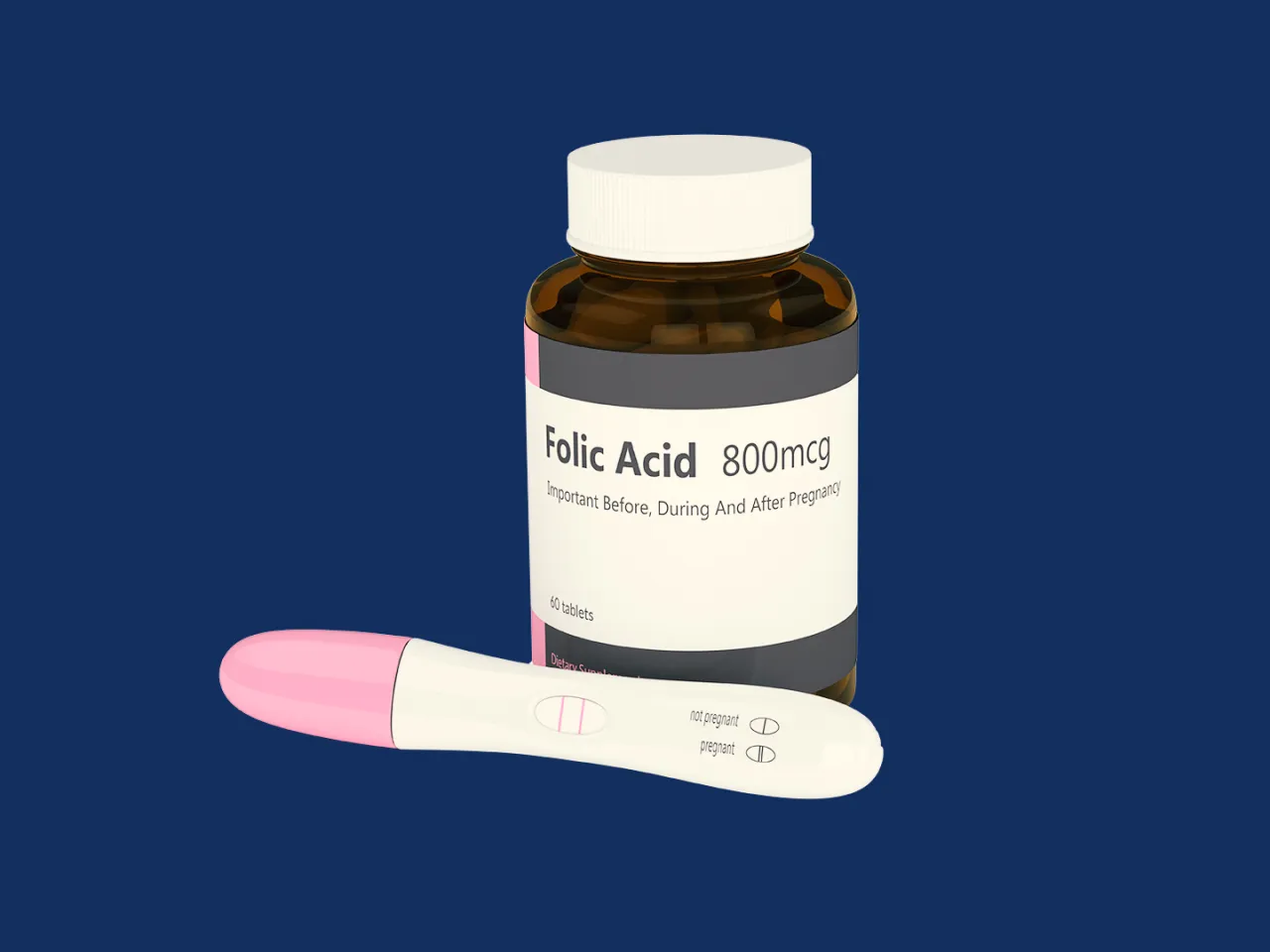
Starting daily folic acid (or methylfolate) supplements at least 2 to 3 months before attempting conception helps protect early neural tube development.
Advanced Non-Invasive Prenatal Testing (NIPT)
A simple maternal blood test taken as early as week 10 analyzes cell-free fetal DNA to screen for chromosomal variations with high accuracy, offering peace of mind early in pregnancy.
Targeted Fetal Ultrasound Monitoring
Combining a first-trimester Nuchal Translucency (NT) scan with a detailed 20-week anomaly scan ensures your care team can monitor every stage of organ development closely.
When Should You See a Doctor?
While asking is 36 too old to have a baby? often stems from general curiosity, knowing when to seek direct medical advice helps keep your journey on track. You should schedule a consultation with an obstetrician in Vizag if:
- You are 36 or older and have been trying to conceive for 6 months without success.
- Your menstrual cycles are irregular, shorter than 21 days, or longer than 35 days.
- You have a history of known thyroid disorders, PCOS, or prior pelvic surgeries.
- You have experienced two or more consecutive early pregnancy losses.
- You want proactive preconception guidance before actively trying to conceive.
If you recognise several of these symptoms in yourself, speaking to a qualified gynaecologist is the most important next step. Dr. Devani Chalamuri at Vedanta Speciality Clinics in Madhurawada, Vizag specialises in women’s reproductive health and offers compassionate, evidence-based care for women across Visakhapatnam.
Frequently Asked Questions
Is 36 too old to have a baby naturally?
No, 36 is not too old to have a baby naturally. Millions of women globally and across India conceive healthy babies in their mid-30s and beyond, though proactive preconception planning and regular prenatal monitoring are recommended.
How long does it take to conceive naturally at age 36?
While many women conceive within 6 to 12 months at age 36, fertility decreases gradually compared to your 20s. If conception does not occur after 6 months of regular, unprotected intercourse, evaluating your hormonal profile with a specialist is advised.
What tests are recommended before getting pregnant at 36?
Preconception evaluations typically include testing blood hemoglobin, thyroid levels, blood sugar (HbA1c), Anti-Müllerian Hormone (AMH) to check ovarian reserve, and performing a routine pelvic ultrasound.
Which doctor should I see for pregnancy after 35 in Vizag?
You should consult an experienced lady gynecologist or women’s health specialist with expertise in maternal wellness and preconception planning. Dr. Devani Chalamuri at Vedanta Speciality Clinics in Madhurawada provides compassionate care for women conceiving in their 30s.
Are the risks higher for pregnancy at 36?
There is a statistical increase in risks such as gestational diabetes, hypertension, and chromosomal variations. However, with structured prenatal screenings and healthy lifestyle management, most risks are safely managed.
Can I get advanced prenatal screening and scans in Madhurawada?
Yes, comprehensive preconception care, routine blood panels, NIPT screenings, and ultrasound evaluations are available in Madhurawada at Vedanta Speciality Clinics under the care of Dr. Devani Chalamuri.
Does stress impact fertility in women over 35?
Yes, elevated stress hormones can influence hypothalamic signaling, potentially affecting ovulatory timing. Managing stress through adequate sleep, physical activity, and mindfulness supports reproductive health.
When should I consult a gynaecologist if I want to conceive at 36?
It is best to schedule a preconception visit 2 to 3 months before you start trying. This allows your pregnancy doctor Visakhapatnam to check baseline health markers and start essential supplements like folic acid.
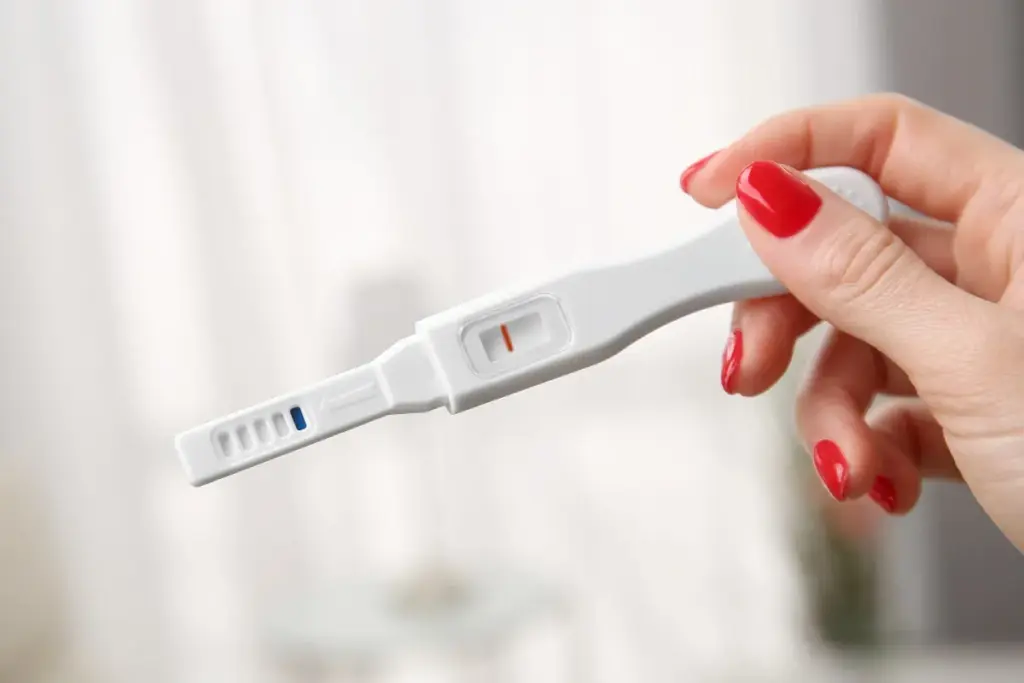
Embracing Pregnancy at 36 with Peace of Mind
Age is only one piece of your overall health profile. By eating a balanced diet, staying physically active, managing stress, and partnering with a caring medical team, you can approach pregnancy at 36 with confidence.
If you are experiencing any of these symptoms or preparing for pregnancy, Dr. Devani Chalamuri at Vedanta Speciality Clinics, Madhurawada, Vizag is available for a consultation — Book an Appointment.


Leave a Comment