

Table of Contents
What Tests Are Needed to Check Fertility? A Complete Guide
Planning for a family is one of life’s most meaningful and transformative milestones. When you decide to start or expand your family, it is completely natural to wonder how your body is preparing for pregnancy. If you have been trying to conceive for a few months or simply want to understand your reproductive health beforehand, asking what tests are needed to check fertility is a proactive and empowering first step.
For many women and couples, the thought of fertility testing can feel overwhelming, mixed with feelings of anxiety or uncertainty. It is important to know that undergoing a fertility checkup is not a confirmation that something is wrong. Rather, it is a routine, informative roadmap that provides clear insights into your hormonal balance, egg reserve, and pelvic health.
Gaining clarity early allows you to make informed decisions about your family planning timeline. With modern diagnostic tools and compassionate clinical care, evaluating your reproductive health is now more straightforward, gentle, and accessible than ever before.
What Is a Fertility Checkup?
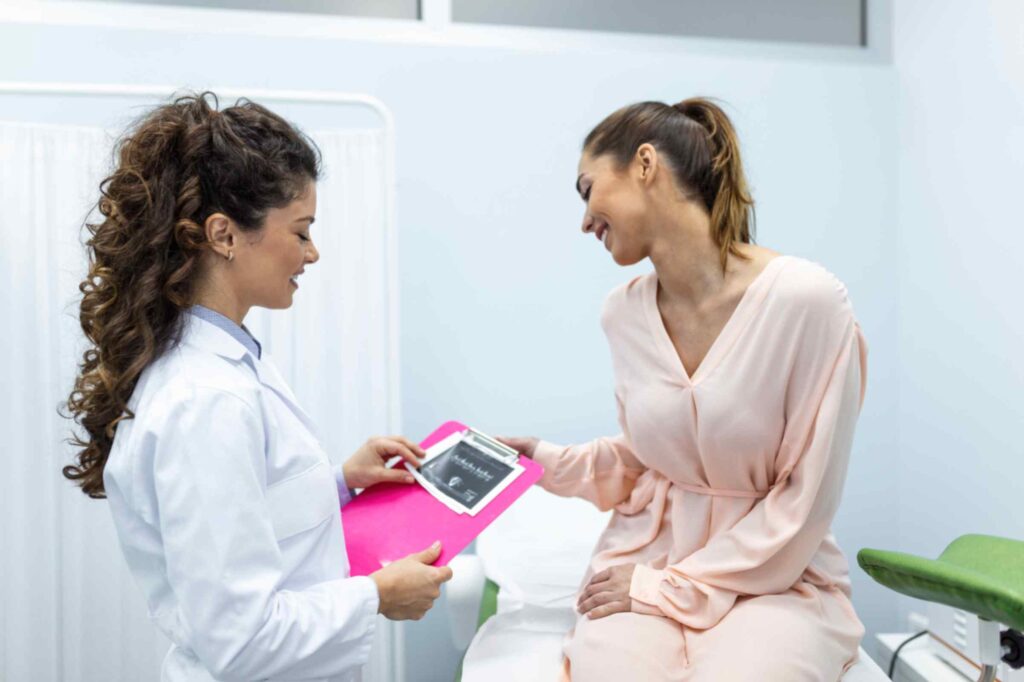
A fertility checkup is a comprehensive medical evaluation designed to assess reproductive health in women and men. Following guidelines from WHO, ACOG, and FOGSI, female testing combines hormone blood panels (AMH, FSH, TSH), transvaginal pelvic ultrasound for ovarian reserve, and tubal patency tests (HSG) to verify ovulation, organ structure, and pathway clarity.
How Common Are Fertility Assessments in India?
In Indian society, conversations around reproductive health were historically kept quiet, often creating unnecessary stress for young couples. Today, however, couples are actively prioritizing healthcare education and seeking medical guidance earlier in their family planning journey.
According to data from the Indian Council of Medical Research (ICMR) and the Federation of Obstetric and Gynaecological Societies of India (FOGSI), approximately 10% to 15% of couples in India experience delay in conceiving at some point.
Prevalence of Key Reproductive Factors in Female Fertility Workups
[█████████████████████████████████████████] ~40% Ovulatory Difficulties (PCOS, Irregular Cycles, Thyroid)
[████████████████████████████████░░░░░░░░░] ~30% Pelvic & Tubal Factors (Blocked Tubes, Endometriosis)
[████████████████████████░░░░░░░░░░░░░░░░░] ~20% Diminished Ovarian Reserve / Age-related Factors
[████████████████░░░░░░░░░░░░░░░░░░░░░░░░░] ~10% Unexplained Reproductive Factors
In growing urban centers like Visakhapatnam, lifestyle factors—such as delayed marriage age, career-related stress, nutritional shifts, and high rates of Polycystic Ovary Syndrome (PCOS)—have made routine reproductive health checks increasingly common. Consulting a supportive women’s health specialist Visakhapatnam ensures that both partners receive clear, evidence-based guidance without fear or stigma.
Signs That Suggest It May Be Time for a Fertility Checkup
While many women choose to have a preconception checkup before trying to conceive, certain physical signs or timeline markers suggest that a formal clinical evaluation would be beneficial:
┌─────────────────────────────────────────────────────────────────────────────┐
│                    SIGNS SUGGESTING A FERTILITY WORKUP                      │
├──────────────────┬───────────────────────────┬──────────────────────────────┤
│ Indicator Area   │ Physical Sign / Pattern   │ Clinical Context             │
├──────────────────┼───────────────────────────┼──────────────────────────────┤
│ Menstrual Cycle  │ Cycles shorter than 21    │ Potential ovulatory or       │
│ Regularity       │ days or longer than 35    │ luteal phase irregularity    │
├──────────────────┼───────────────────────────┼──────────────────────────────┤
│ Menstrual Flow   │ Severe pelvic pain or     │ Potential indicators of      │
│ Discomfort       │ unusually heavy bleeding  │ endometriosis or fibroids    │
├──────────────────┼───────────────────────────┼──────────────────────────────┤
│ Trying Timeline  │ 12 months (age <35) or    │ Standard medical benchmark   │
│ Marker           │ 6 months (age 35+)        │ for clinical evaluation      │
├──────────────────┼───────────────────────────┼──────────────────────────────┤
│ Metabolic / Skin │ Sudden weight changes,    │ Common markers associated    │
│ Indicators       │ facial acne, or hair loss │ with PCOS or thyroid shift   │
└──────────────────┴───────────────────────────┴──────────────────────────────┘
- Irregular or Absent Cycles: Menstrual cycles that arrive unpredictably or skip months altogether, which may indicate irregular egg release (anovulation).
- Severe Menstrual Cramps: Deep pelvic pain during periods that does not improve with rest, which could suggest underlying conditions like endometriosis.
- Trying Timeline (Age Under 35): Having regular, unprotected intercourse for 12 consecutive months without conceiving.
- Trying Timeline (Age 35 and Above): Trying to conceive for 6 months without success, as egg quality and quantity naturally decline with time.
- History of Pelvic Infections or Surgeries: Previous pelvic inflammatory disease (PID), ruptured appendix, or abdominal procedures that might affect fallopian tubal health.
Essential Evaluation: What Tests Are Needed to Check Fertility?
A comprehensive fertility evaluation looks at three core pillars of reproduction: egg health and ovulation, uterine and tubal structure, and male reproductive parameters.
                      ┌────────────────────────────────────────┐
                      │    CORE PILLARS OF FERTILITY TESTING   │
                      └───────────────────┬────────────────────┘
                                          │
         ┌───────────────────┬────────────┴────────────┬───────────────────┐
         ▼                   ▼                         ▼                   ▼
┌─────────────────┐ ┌─────────────────┐       ┌─────────────────┐ ┌─────────────────┐
│ Hormonal & Egg  │ │ Uterine & Tubal │       │ Metabolic &     │ │ Male Factor     │
│ Reserve Testing │ │ Structural Scans│       │ General Health  │ │ Screening       │
│ AMH, FSH, LH,   │ │ Ultrasound, HSG │       │ TSH, Prolactin, │ │ Semen analysis  │
│ Antral Follicle │ │ tubal check     │       │ HbA1c, Vitamin D│ │ count & motility│
└─────────────────┘ └─────────────────┘       └─────────────────┘ └─────────────────┘
1. Blood Tests for Ovarian Reserve and Hormones
Hormones act as chemical messengers that control egg maturation and release. A simple series of blood tests provides detailed insight into your hormonal health:
- Anti-Müllerian Hormone (AMH): This crucial blood marker reflects your remaining egg reserve. Unlike other hormones, AMH can be drawn at any point during your menstrual cycle.
- Follicle-Stimulating Hormone (FSH) and Estradiol: Typically tested on Day 2 or Day 3 of your menstrual cycle, these levels indicate how hard your pituitary gland is working to stimulate egg growth.
- Luteinizing Hormone (LH): Helps evaluate ovulatory signals and, when compared to FSH, offers key clues for diagnosing PCOS.
- Thyroid-Stimulating Hormone (TSH) and Prolactin: Elevated prolactin or an underactive thyroid (hypothyroidism) can quietly interfere with regular ovulation and early pregnancy support.
2. Pelvic Ultrasound Scan (Ovarian and Uterine Evaluation)
A transvaginal pelvic ultrasound (TVS) is a routine, painless scan performed by a gynaecologist to examine your internal organs:
- Antral Follicle Count (AFC): The doctor counts the number of small, active fluid-filled sacs (follicles) visible in both ovaries. Combined with your AMH level, AFC provides a reliable picture of your egg reserve.
- Uterine Anatomy Check: Verifies the shape of your uterus and checks for benign growths like fibroids, endometrial polyps, or uterine septum that could affect embryo implantation.
- Endometrial Thickness: Measures the lining of your uterine wall to ensure it thickens properly in response to hormones during your cycle.
3. Fallopian Tube Patency Testing (HSG or SSG)
For fertilization to occur naturally, at least one fallopian tube must be clear so the egg and sperm can meet.
- Hysterosalpingogram (HSG): A specialized X-ray procedure conducted shortly after your period ends. A small amount of safe contrast liquid is passed into the cervix to highlight the uterine cavity and confirm if the fluid flows freely through both fallopian tubes.
- Sonosalpingography (SSG): A similar tubal patency evaluation performed using ultrasound imaging and a sterile saline solution.
4. Semen Analysis (Partner Evaluation)
It is important to remember that fertility is a shared journey. Male reproductive factors account for roughly 40% to 50% of conception delays. A simple, non-invasive semen analysis evaluates:
- Total sperm count and volume.
- Sperm motility (the percentage of sperm moving forward effectively).
- Sperm morphology (the structural shape and quality of the sperm).

Comparing Primary Female Fertility Tests
To help you understand what each test involves, here is a helpful comparison summary:
┌─────────────────────────────────────────────────────────────────────────────┐
│                   PRIMARY FEMALE FERTILITY TESTS SUMMARY                    │
├───────────────────┬───────────────────────────┬─────────────────────────────┤
│ Test Name         │ What It Measures          │ Ideal Timing in Cycle       │
├───────────────────┼───────────────────────────┼─────────────────────────────┤
│ AMH Blood Test    │ Overall egg quantity /    │ Any day of the menstrual    │
│                   │ ovarian reserve           │ cycle                       │
├───────────────────┼───────────────────────────┼─────────────────────────────┤
│ Day 2/3 FSH & LH  │ Pituitary drive and       │ Days 2 to 4 of active       │
│                   │ ovulatory signalling      │ period flow                 │
├───────────────────┼───────────────────────────┼─────────────────────────────┤
│ Transvaginal      │ Antral follicle count and │ Days 2 to 5 (baseline) or   │
│ Ultrasound (TVS)  │ uterine structural health │ mid-cycle (follicular track)│
├───────────────────┼───────────────────────────┼─────────────────────────────┤
│ HSG / SSG Test    │ Fallopian tube clearance  │ Days 7 to 10 (after flow    │
│                   │ and uterine cavity shape  │ stops, before ovulation)    │
└───────────────────┴───────────────────────────┴─────────────────────────────┘
How Is a Fertility Consultation Conducted?
Visiting a lady gynecologist Vizag for a reproductive checkup is a reassuring and supportive experience designed to gather information without stress:
- Detailed History Review: Discussing your menstrual cycle patterns, lifestyle habits, medical history, and family planning goals.
- Targeted Physical & Pelvic Check: Performing a gentle routine physical examination, including blood pressure and BMI checks.
- Diagnostic Test Scheduling: Coordinating simple blood draws and ultrasound scans based on your cycle calendar.
- Personalized Discussion: Reviewing all results together to create a clear, step-by-step roadmap tailored specifically to your needs.
Overview of Management Options Following Test Results
Once your diagnostic results are complete, your healthcare team can recommend tailored, evidence-based steps forward:
- Nutritional and Lifestyle Optimisation: Simple adjustments in diet, gentle physical activity, stress management, and targeted pre-conceptional supplements (such as Folic Acid and Vitamin D).
- Ovulation Induction Guidance: If tests indicate irregular egg release (such as in PCOS), a gynaecologist may recommend simple oral medications to help regulate monthly ovulation.
- Correction of Underlying Conditions: Managing thyroid imbalances, treating minor uterine polyps, or addressing metabolic factors to improve natural fertility.
- Referral for Advanced Care: If fallopian tubes are blocked or sperm parameters are significantly low, your doctor can guide you toward appropriate assisted reproductive options with complete confidence.
When Should You See a Doctor?
Knowing when to seek a clinical evaluation ensures you receive timely guidance without unnecessary delay.
┌─────────────────────────────────────────────────────────────────────────────┐
│                          WHEN TO SEEK CLINICAL CARE                         │
├─────────────────────────────────────┬───────────────────────────────────────┤
│ Expectant Family Planning           │ When to Schedule an Evaluation        │
├─────────────────────────────────────┼───────────────────────────────────────┤
│ • Trying naturally <12 months with  │ • Trying for 12+ months (Age <35)     │
│   regular 28-day cycles             │ • Trying for 6+ months (Age 35+)      │
│ • No history of pelvic surgeries    │ • Irregular, skipped, or painful flow │
│ • Normal general health status      │ • History of pelvic infections/PCOS   │
└─────────────────────────────────────┴───────────────────────────────────────┘
You should consider scheduling an evaluation with a qualified obstetrician in Vizag if:
- You are under 35 and have been trying to conceive for 12 months without success.
- You are 35 or older and have been trying to conceive for 6 months.
- Your menstrual cycles are irregular, unusually painful, or absent for extended periods.
- You have a history of thyroid disorders, PCOS, endometriosis, or prior pelvic surgery.
- You simply want a proactive preconception checkup before embarking on your pregnancy journey.
If you recognise several of these circumstances in your own journey, speaking to a qualified gynaecologist is the most important next step. Dr. Devani Chalamuri at Vedanta Speciality Clinics in Madhurawada, Vizag specialises in preconception care, reproductive health screenings, and hormonal evaluations, offering compassionate, evidence-based guidance for couples across Visakhapatnam.
Frequently Asked Questions
What tests are needed to check fertility in women first?
The preliminary evaluation typically involves a baseline pelvic ultrasound to check ovarian reserve, blood tests for AMH, FSH, and thyroid levels, along with a partner’s semen analysis.
When should a couple start getting fertility tests done?
Medical guidelines recommend seeking a fertility assessment after 12 months of regular, unprotected intercourse if the woman is under 35, or after 6 months if she is 35 or older.
Which doctor should I see for a fertility checkup in Vizag?
You should consult an experienced lady gynecologist and fertility specialist. Dr. Devani Chalamuri at Vedanta Speciality Clinics in Madhurawada provides compassionate diagnostic evaluations, hormone blood panels, and pelvic ultrasounds across Visakhapatnam.
Is the AMH test an accurate measure of female fertility?
An Anti-Müllerian Hormone (AMH) blood test accurately measures your remaining egg reserve, but it must be evaluated alongside a pelvic ultrasound (Antral Follicle Count) for a complete picture.
Can I get fertility screening and pelvic ultrasounds in Madhurawada?
Yes, women and couples in Madhurawada and surrounding Vizag areas can receive complete fertility screenings, hormone tests, and pelvic scans locally at Vedanta Speciality Clinics.
Does an HSG test for fallopian tubes hurt?
A Hysterosalpingogram (HSG) may cause mild to moderate uterine cramping similar to period pain for a few minutes while contrast dye flows through the fallopian tubes, but it is generally well-tolerated.
Does PCOS automatically mean a woman is infertile?
No, having Polycystic Ovary Syndrome (PCOS) does not mean you are infertile. While it can cause irregular ovulation, lifestyle adjustments and simple ovulation-inducing guidance help most women with PCOS conceive successfully.
Why is male fertility testing done at the same time?
Male reproductive factors contribute to approximately 40% to 50% of overall fertility challenges. A semen analysis is a simple, non-invasive test that provides immediate clarity for the couple.

Moving Forward with Confidence and Clarity
Learning what tests are needed to check fertility removes mystery from the family planning process and replaces uncertainty with clear knowledge. Evaluating your reproductive health is a positive, proactive step that honors your body and supports your long-term goals.
Every reproductive journey follows its own unique path. Partnering with a supportive specialist gives you access to modern diagnostic tools, personalized health advice, and warm clinical care every step of the way.
If you are planning for pregnancy or have questions about your reproductive health, Dr. Devani Chalamuri at Vedanta Speciality Clinics, Madhurawada, Vizag is available for a consultation.


Leave a Comment