

Table of Contents
Does Heavy Weight Affect Pregnancy? A Caring Health Guide for Women in Vizag
If you are wondering, “does heavy weight affect pregnancy?”, you are certainly not alone. Many women carrying extra body weight feel anxious, uncertain, or even judged when planning a family or embarking on their pregnancy journey.
It is natural to worry about how your body mass index (BMI) might impact your fertility, your baby’s development, or your delivery experience. The most important thing to know right at the start is that women with higher body weight conceive, carry, and give birth to healthy, thriving babies every single day.
While carrying additional weight can introduce certain metabolic considerations during pregnancy, it is not an absolute barrier to a safe, happy journey. Understanding how body weight interacts with your hormones and working closely with a supportive healthcare advisor gives you the tools to protect both your health and your baby’s well-being.

What Does Heavy Weight in Pregnancy Mean Clinically?
In maternal healthcare, heavy weight refers to starting pregnancy with a Body Mass Index (BMI) categorized as overweight or obese (BMI ≥ 23 kg/m² or ≥ 25 kg/m² under South Asian physiological standards). According to FOGSI and WHO guidelines, higher body weight increases metabolic demand, which may require proactive monitoring for blood pressure, blood glucose, and ovulatory health.
How Common Is Higher Body Weight Among Women in India?
Carrying extra weight during your reproductive years is far more common than many people realize, especially across urban India. Shifting dietary habits, sedentary desk routines, and high prevalence of hormonal conditions like Polycystic Ovary Syndrome (PCOS) have contributed to rising weight trends among young women.
┌─────────────────────────────────────────────────────────────────────────────┐
│              MATERNAL METABOLIC HEALTH CONTEXT IN URBAN INDIA               │
├───────────────────────────┬───────────────────────────┬─────────────────────┤
│ Health Parameter          │ Prevalence / Context      │ Clinical Importance │
│                           │ (Urban South India)       │ During Pregnancy    │
├───────────────────────────┼───────────────────────────┼─────────────────────┤
│ Overweight / High BMI     │ ~38-44% of urban women    │ Requires early blood│
│                           │ of childbearing age       │ glucose & pressure  │
│                           │                           │ screening           │
├───────────────────────────┼───────────────────────────┼─────────────────────┤
│ Co-existing PCOS          │ ~20% of young women       │ Can alter insulin   │
│                           │ in South Indian cities    │ sensitivity and     │
│                           │                           │ ovulation patterns  │
├───────────────────────────┼───────────────────────────┼─────────────────────┤
│ Gestational Diabetes Risk │ ~15-20% higher baseline   │ Early dietary &     │
│                           │ vulnerability in South    │ lifestyle planning  │
│                           │ Asian ethnicities         │ mitigates risk      │
└───────────────────────────┴───────────────────────────┴─────────────────────┘
National Family Health Survey (NFHS-5) statistics indicate that nearly 40% of urban Indian women in their reproductive years fall into higher BMI brackets. In cities like Visakhapatnam, gynaecologists regularly support mothers of all shapes and body types through completely healthy pregnancies using proactive, empathetic prenatal care.
Signs and Symptoms: How Higher Weight May Affect Your Pregnancy Experience
Carrying extra body weight during pregnancy does not mean you will encounter difficulties, but your body may experience certain physical shifts more noticeably.
1. Shifts in Menstrual Predictability
Before conceiving, higher body weight can sometimes cause hormonal variations that lead to irregular or delayed periods, making it a bit trickier to pinpoint your monthly fertile window.
2. Early Fatigue and Joint Discomfort
Pregnancy naturally increases blood volume and softens connective tissue. Extra body weight can amplify standard pregnancy tiredness, lower back strain, or knee discomfort during the second and third trimesters.
3. Increased Tendency for Acid Reflux
As progesterone relaxes the lower esophageal sphincter, carrying extra abdominal weight can make heart burn and acidity more pronounced after traditional, spicy Indian meals.
4. Variations in Blood Pressure and Blood Sugar Readings
Higher adipose tissue mass influences how your body responds to insulin and manages fluid dynamics, which may cause subtle rises in blood pressure or blood glucose levels during late pregnancy.
5. Higher Probability of Labor Support Requirements
Women with higher BMIs may notice that labor progresses a little slower, or that healthcare teams recommend additional fetal monitoring during labor to ensure continuous safety.
Root Causes: Why Does Heavy Weight Affect Pregnancy Dynamics?
Understanding the underlying physiological mechanisms helps remove fear and replaces it with practical, evidence-based management.
- Insulin Resistance and Hormonal Dynamics: Adipose (fat) cells are active tissue that release signaling proteins. Extra body mass can make cells less responsive to insulin, forcing the pancreas to produce more. This elevated insulin can disrupt ovarian function and alter how the placenta processes nutrients.
- Ethnic Predisposition in South Asian Women: Women of South Asian heritage naturally possess a higher percentage of abdominal visceral fat even at lower overall body weights compared to Western populations. This metabolic baseline means blood sugar levels can shift more quickly during pregnancy.
- Sedentary Routines and High-Carbohydrate Diets: Traditional modern diets high in refined white rice, sweets, and fried foods—combined with long hours of sitting—can increase weight gain velocity prior to conception.
- Underlying PCOS and Thyroid Imbalances: Conditions like PCOS and subclinical hypothyroidism simultaneously contribute to weight gain and interfere with regular egg release, creating a compound effect on fertility.
- Placental Inflammatory Markers: Higher body weight can slightly elevate systemic inflammatory markers, which may affect blood flow through tiny placental vessels if not monitored carefully.
How Is High-BMI Pregnancy Diagnosed and Managed Clinically?
When you consult a pregnancy doctor in Visakhapatnam, your provider will approach your care plan with empathy, respect, and clinical diligence. Assessment involves routine, non-invasive steps:
- Pre-Conception or Baseline BMI Assessment: Calculating your BMI using South Asian cut-offs to set realistic, healthy weight-gain targets for each trimester.
- Early Metabolic Screening: Ordering an early Oral Glucose Tolerance Test (OGTT) and HbA1c screening around 12 to 16 weeks—rather than waiting until 24 weeks—to establish your baseline blood sugar health.
- Cardiovascular Check-ups: Regular, precise blood pressure monitoring and baseline urine protein tests to check kidney function and rule out early preeclampsia signals.
- Detailed Sonograms: Conducting detailed anatomical ultrasound scans (Anomaly Scan around 18–20 weeks) to check fetal growth and placental blood flow carefully.

What Management Options May a Gynaecologist Recommend?
Weight management during pregnancy is never about restrictive diets or rapid weight loss; it is about healthy nourishment and stabilizing metabolic health.
- Targeted Trimester Weight-Gain Goals: Rather than losing weight, a gynaecologist may recommend gaining a modest amount (typically 5 to 9 kg across the entire pregnancy for higher BMI ranges) to support fetal growth without adding excess metabolic strain.
- Nutritional Balancing: Emphasizing complex carbohydrates (brown rice, millet, whole wheat), protein-rich dals, paneer, eggs, leafy vegetables, and high-fiber foods that prevent sudden glucose spikes.
- Safe Prenatal Exercise: Recommending 30 minutes of low-impact daily movement—such as brisk walking, prenatal yoga, or water exercise—to improve insulin sensitivity and boost mood.
- Routine Glucose and Pressure Monitoring: Home monitoring of blood glucose levels using a simple glucometer if mild insulin resistance is detected.
When Should You See a Doctor?
Seeking early, non-judgmental medical advice is the single best decision you can make for your reproductive health. You should book a consultation if you:
- Are planning a pregnancy and want a supportive pre-conception assessment.
- Experience irregular periods or suspect underlying PCOS alongside weight struggles.
- Notice sudden swelling in your hands or face, persistent headaches, or vision changes during pregnancy.
- Receive blood test results showing elevated fasting glucose or TSH levels.
- Feel overwhelmed by conflicting advice regarding weight, diet, and pregnancy safety.
If you recognize any of these needs in yourself, speaking to a qualified lady gynecologist is the most important next step. Dr. Devani Chalamuri at Vedanta Speciality Clinics in Madhurawada, Vizag specializes in high-risk pregnancy care, pre-conception planning, and metabolic health management, offering compassionate, evidence-based care for women across Visakhapatnam.
Overview of Pregnancy Management by BMI Category
| Clinical Factor | Normal BMI Range (18.5 – 22.9 kg/m²) | Overweight / High BMI Range (≥ 23.0 kg/m²) |
| Recommended Weight Gain | 11.5 kg to 16 kg total | 5 kg to 9 kg total |
| Glucose Screening Timing | Routine screening at 24–28 weeks | Early baseline screening at 12–16 weeks, repeated at 24–28 weeks |
| Nutritional Approach | Balanced calorie intake for steady growth | Focused low-GI carbohydrates, high protein, and nutrient density |
| Ultrasound Considerations | Standard baseline scans | Standard scans, sometimes requiring advanced ultrasound resolution |
How Can I Prepare My Body for a Healthy Pregnancy at Any Weight?
- Focus on Quality, Not Restriction: Fuel your body with fresh, whole foods rather than skipping meals or trying crash diets.
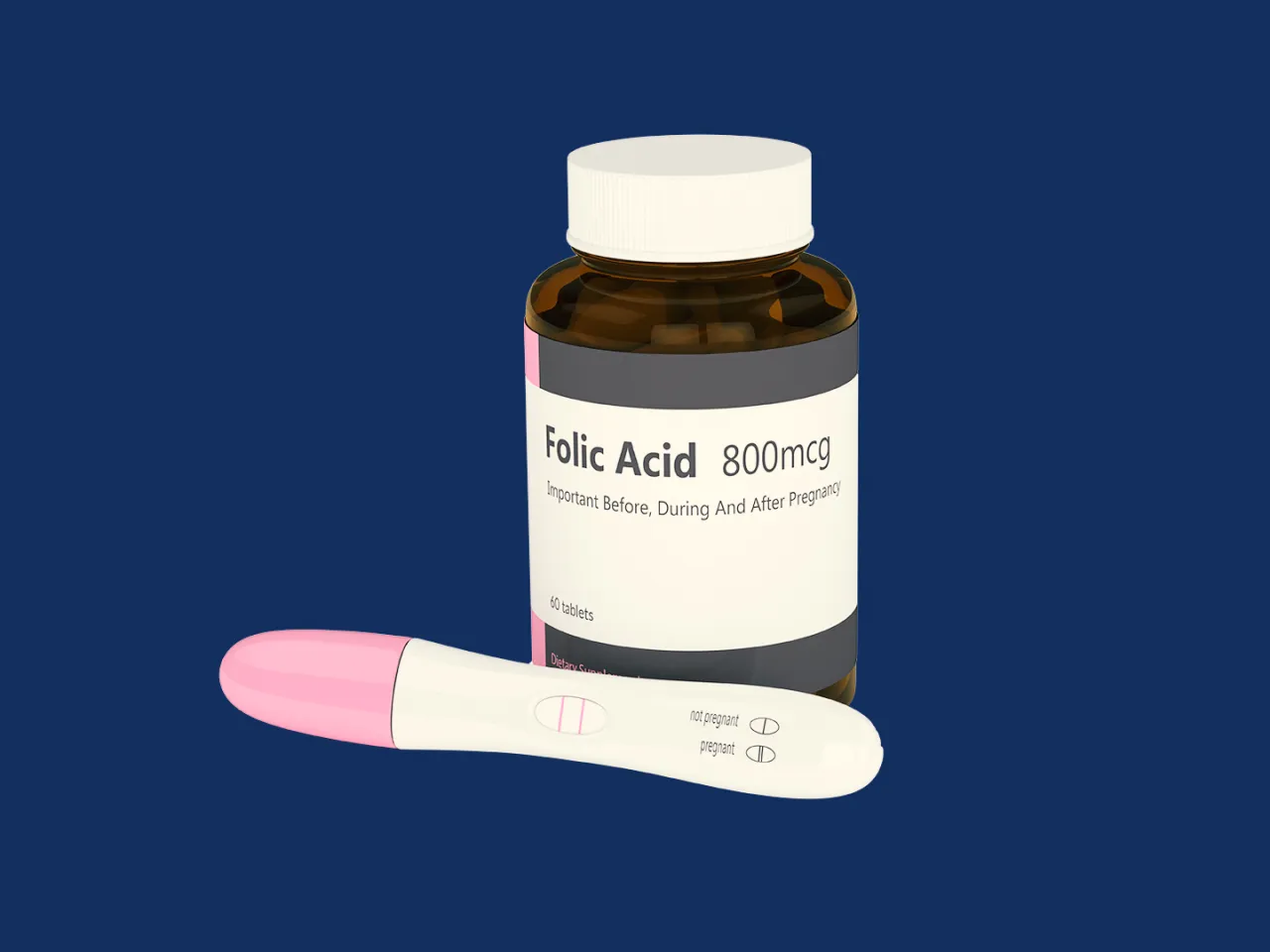
- Start Folic Acid Early: Take 400–500 mcg of daily folic acid at least two months before conceiving, as advised by your doctor.
- Build Gentle Daily Movement Habits: Regular walking improves pelvic circulation and builds stamina for labor.
- Monitor Metabolic Health Early: Get your fasting blood sugar, HbA1c, and thyroid profile checked before attempting conception.
- Partner with an Empathetic Doctor: Choose a care provider who listens to your concerns and supports your journey without stigma.
Frequently Asked Questions
Does heavy weight affect pregnancy and my chances of conceiving?
Yes, carrying higher body weight can influence hormone production, insulin sensitivity, and ovulatory regularity, which may alter how quickly conception happens. However, with pre-conception guidance and metabolic management, women with higher body weight achieve healthy, successful pregnancies every day.
Can a woman with a high BMI have a healthy pregnancy and normal delivery?
辦Absolutely. While a higher BMI requires closer clinical monitoring for blood pressure and glucose levels, structured prenatal care, balanced nutrition, and appropriate activity allow many women with higher weight to experience safe, full-term pregnancies.
How much weight should I gain during pregnancy if I am already overweight?
According to FOGSI and global obstetric guidelines, women starting pregnancy with a higher BMI are generally advised to aim for a lower overall weight gain (typically 5 to 9 kg) compared to normal-weight mothers, under strict medical monitoring.
Should I try a strict weight loss diet while pregnant?
No, calorie-restrictive or crash diets are never recommended during active pregnancy as they can deprive the growing fetus of vital nutrients. Focus instead on nutrient-dense meals and gentle physical activity supervised by your gynaecologist.
What tests are recommended during high-BMI pregnancy care in Visakhapatnam?
Care plans usually include early Oral Glucose Tolerance Testing (OGTT), regular blood pressure screenings, detailed fetal anomaly ultrasounds, and targeted thyroid and lipid profiles.
Which doctor should I see for high-risk pregnancy care in Madhurawada?
For supportive, high-risk prenatal management and fertility guidance in Madhurawada, you can consult Dr. Devani Chalamuri, an experienced women’s health specialist at Vedanta Speciality Clinics.
Can PCOS cause weight gain and delay pregnancy at the same time?
Yes, Polycystic Ovary Syndrome (PCOS) is closely linked with insulin resistance, which can make weight management challenging while simultaneously causing irregular ovulation. Treating underlying insulin sensitivity helps resolve both issues.
How do I book a consultation at Vedanta Speciality Clinics in Vizag?
You can schedule a consultation with Dr. Devani Chalamuri at Vedanta Speciality Clinics in Madhurawada, Visakhapatnam by contacting their reception directly or sending a message via WhatsApp at +91 81257 65888.
Moving Forward with Confidence and Peace of Mind
Your body is capable of incredible things, and carrying extra weight does not take away your ability to have a wonderful pregnancy journey. By taking proactive steps, staying informed, and working alongside a supportive care team, you can look forward to a healthy pregnancy with total confidence.
If you are experiencing any concerns about weight, fertility, or prenatal care, Dr. Devani Chalamuri at Vedanta Speciality Clinics, Madhurawada, Vizag is available for a consultation.


Leave a Comment