
Table of Contents
Pregnancy Cramps in the First Trimester: Normal Causes, Care Milestones, and What to Expect
Finding out that you are expecting a baby is one of the most magical, life-changing moments you will ever experience. As you celebrate this wonderful news, your mind naturally fills with dreams, plans, and a deep desire to keep your growing baby safe. However, alongside the joy, it is completely normal to feel a bit anxious whenever you notice new or unexpected physical sensations.
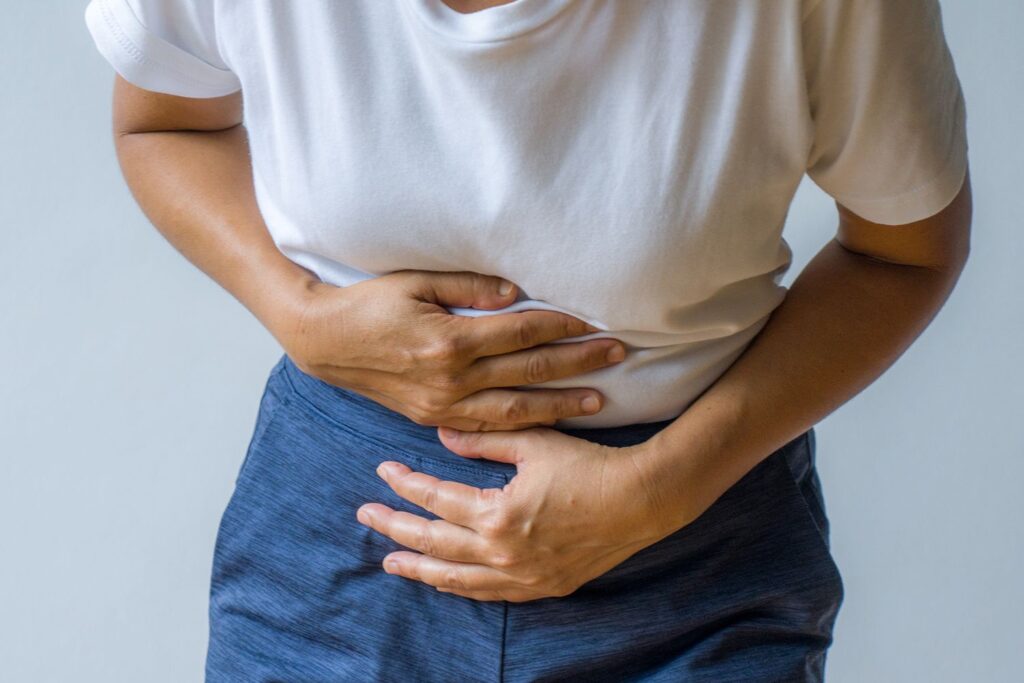
If you are currently experiencing pregnancy cramps in the first trimester, take a gentle breath and relax your shoulders. Feeling mild pulling, tightness, or dull twinges in your lower abdomen during the early weeks is remarkably common. In most cases, these sensations are simply subtle signs that your body is working hard behind the scenes to create a supportive home for your baby.

What Does Good Pregnancy Care Involve?
Good pregnancy care, or antenatal care, involves structured medical consultations, timely diagnostic ultrasounds, blood screenings, personalized nutritional guidance, and emotional support throughout your 40-week journey. Grounded in FOGSI and WHO guidelines, early care monitors maternal health and fetal development to ensure a safe, healthy delivery for both mother and baby.
Understanding Pregnancy Cramps in the First Trimester: Why They Happen
During the first twelve weeks, your body undergoes a remarkable transformation driven by surges in hormones like progesterone and human chorionic gonadotropin (hCG). Understanding why mild abdominal twinges occur helps replace anxiety with confidence.
                  ┌─────────────────────────────────────────┐
                  │    WHY EARLY PREGNANCY CRAMPS HAPPEN    │
                  └────────────────────┬────────────────────┘
                                       │
         ┌─────────────────────────────┼─────────────────────────────┐
         ▼                             ▼                             ▼
┌─────────────────┐           ┌─────────────────┐           ┌─────────────────┐
│ Uterine         │           │ Implantation    │           │ Hormonal        │
│ Expansion       │           │ Process         │           │ Slowdown        │
│ Muscle fibers   │           │ Embryo burrows  │           │ Progesterone    │
│ stretch outward │           │ into wall       │           │ causes gas/bloat│
└─────────────────┘           └─────────────────┘           └─────────────────┘
Here are the primary physiological reasons for early lower abdominal sensations:
- Uterine Growth: Before pregnancy, your uterus is roughly the size of a small pear. During the first trimester, blood flow surges and muscle fibers stretch rapidly to accommodate your growing gestational sac.
- Implantation Twinges: Within the first few weeks after conception, as the tiny embryo attaches to the uterine lining, you may feel mild, intermittent twinges similar to light period discomfort.
- Progesterone Digestion Slowdown: High progesterone levels relax smooth muscles throughout your body, including your gastrointestinal tract. This slows digestion, leading to gas buildup, bloating, and constipation—which often feel identical to uterine cramps.
- Ligament Stretching: As your pelvic framework prepares for growth, the supporting round ligaments begin to stretch, occasionally causing sudden, brief twinges when you sneeze, cough, or stand up quickly.
Trimester-by-Trimester Pregnancy Journey Breakdown
Your pregnancy is divided into three distinct trimesters, each bringing unique milestones, bodily changes, and clinical checkpoints.
| Trimester | Key Fetal Milestones | What Happens in Your Body | What to Expect at the Clinic |
| First Trimester (Weeks 1–12) | Heartbeat starts, major organs begin forming, tiny arm and leg buds appear. | Morning tiredness, tender breasts, mild cramps, sensitivity to smells. | Pregnancy confirmation scan, blood tests, folic acid guidance. |
| Second Trimester (Weeks 13–27) | Rapid organ growth, baby hears sounds, gentle flutter movements begin. | Energy returns, baby bump becomes visible, skin glows, back tightness. | Anomaly scan (Level II), gestational diabetes check, blood pressure tracking. |
| Third Trimester (Weeks 28–40) | Lung maturation, weight gain, baby moves into head-down birth position. | Frequent urination, braxton-hicks tightness, swollen ankles, fatigue. | Fortnightly to weekly visits, growth scans, birth plan discussion. |
Standard Antenatal Check-up Schedule in India
Consistent antenatal visits ensure that both you and your baby remain on the healthiest path. Based on established guidelines from FOGSI (Federation of Obstetric & Gynaecological Societies of India) and the WHO, here is the recommended check-up timeline for an uncomplicated pregnancy:
- First Visit (6 to 8 Weeks): Pregnancy confirmation, viability ultrasound to check heartbeat, baseline blood profile (hemoglobin, blood group, thyroid function, sugar), and essential prenatal vitamins.
- First Trimester Screening (11 to 13 Weeks): Nuchal Translucency (NT) scan combined with double marker blood screening to evaluate early chromosomal wellness.
- Monthly Routine Visits (14 to 28 Weeks): Regular physical checks monitoring blood pressure, weight gain, uterine height, and routine urine analysis.
- Detailed Anomaly Scan (18 to 22 Weeks): A comprehensive Level-II ultrasound scan to meticulously evaluate your baby’s organ development and placental placement.
- Fortnightly Check-ups (28 to 36 Weeks): Screening for gestational diabetes, monitoring hemoglobin levels, assessing baby’s growth, and tracking fetal movement patterns.
- Weekly Final Consultations (36 Weeks to Delivery): Checking fetal positioning, assessing cervical readiness, reviewing fluid levels, and finalizing your hospital admission and delivery plan.
Warning Signs to Never Ignore During Early Pregnancy
While mild pregnancy cramps in the first trimester are almost always a harmless sign of uterine adaptation, it is essential to stay attuned to your body’s signals. You should reach out to your healthcare provider promptly if you experience any of these red flags:
- Severe, sharp, or persistent pain on one side of your lower abdomen.
- Cramping accompanied by bright red vaginal bleeding or passing blood clots.
- Dizziness, lightheadedness, or feeling faint while standing.
- High fever, chills, or burning sensation during urination.
- Severe vomiting that prevents you from keeping liquids down for more than 24 hours.
If you ever feel uncertain or notice any of these symptoms, please call your doctor immediately so they can guide you safely.
High-Risk Pregnancy: What It Means and Who It Applies To
Hearing the term “high-risk pregnancy” can feel intimidating, but it simply means that your pregnancy requires a higher level of attentive, specialized care to ensure the best outcome. A pregnancy might be categorized as high-risk due to pre-existing conditions like diabetes, hypertension, thyroid imbalance, or PCOS, or due to factors like maternal age above 35, multiple gestation (twins), or a history of prior pregnancy complications.
With expert clinical oversight, the vast majority of women with high-risk factors navigate their journeys smoothly to deliver healthy babies. Dr. Devani Chalamuri, a highly regarded women’s health specialist and consultant obstetrician in Vizag, specializes in managing both routine and complex pregnancies. Her evidence-based, empathetic approach ensures that high-risk mothers receive tailored monitoring, advanced diagnostics, and compassionate support every step of the way.
Preparing for Delivery: A Practical Hospital Bag Checklist
As you progress through your pregnancy, preparing your hospital bag around week 34 brings wonderful peace of mind. Here is a simple, practical checklist:
┌─────────────────────────────────────────────────────────────────────────┐
│                    PRACTICAL HOSPITAL BAG CHECKLIST                     │
├───────────────────────────┬───────────────────────────┬─────────────────┤
│ For Mom                   │ For Baby                  │ Essential Docs  │
├───────────────────────────┼───────────────────────────┼─────────────────┤
│ • Loose, front-open gowns │ • Soft cotton onesies (3) │ • Aadhaar / ID  │
│ • Maternity pads          │ • Baby blankets & caps    │ • Prenatal file │
│ • Comfortable slippers    │ • Gentle wipes & diapers  │ • Insurance card│
│ • Toiletries & lip balm   │ • Swaddle cloths (3-4)    │ • Doctor's slip │
└───────────────────────────┴───────────────────────────┴─────────────────┘
Postnatal Care: Nurturing Yourself After Delivery
Your healthcare journey continues well beyond the delivery room. The fourth trimester—the first six weeks after birth—is a delicate transition period requiring rest, nourishment, and physical recovery.
- Physical Recovery: Caring for your perineum or C-section incision site, staying hydrated, and eating warm, nutrient-dense traditional Indian foods rich in fiber and iron.
- Lactation Support: Learning comfortable latching techniques with guidance from your lady gynecologist or a lactation consultant to prevent sore nipples or engorgement.
- Emotional Wellbeing: Differentiating between mild “baby blues” (temporary emotional sensitivity during week 1) and postnatal anxiety or depression, ensuring you have a strong, supportive family environment.
Frequently Asked Questions
Are pregnancy cramps in the first trimester normal?
Yes, mild pregnancy cramps in the first trimester are completely normal. They usually happen as your uterus expands, hormones shift, and ligaments stretch to accommodate your baby’s growth.
How early should I start prenatal care in Visakhapatnam?
You should schedule your first prenatal consultation as soon as you get a positive home pregnancy test, ideally between 6 and 8 weeks of gestation.
What do normal early pregnancy cramps feel like?
Normal early cramps feel like mild period tightness, slight pulling, or dull aching in the lower abdomen that comes and goes without causing severe pain.
When should I see a gynecologist in Vizag for cramps?
You should consult a doctor if cramps become sharp or severe, are felt predominantly on one side, or are accompanied by vaginal bleeding, fever, or dizziness.
Can gas and constipation cause cramping in early pregnancy?
Yes, elevated progesterone slows down digestion, causing gas buildup, bloating, and constipation, which often mimic or worsen lower abdominal cramps.
Which doctor should I see for high-risk pregnancy care in Madhurawada?
Dr. Devani Chalamuri at Vedanta Speciality Clinics in Madhurawada provides specialized prenatal care and management for both routine and high-risk pregnancies in Visakhapatnam.
Can I get complete prenatal scans and consultations at Vedanta Speciality Clinics?
Yes, Vedanta Speciality Clinics offers comprehensive antenatal check-ups, early confirmation ultrasounds, blood work, and personalized guidance under one roof.
Is it safe to use a hot water bag for pregnancy cramps?
Applying mild, gentle warmth to your lower back is generally safe, but avoid placing direct high heat or hot water bags on your abdomen during the first trimester.
Start Your Pregnancy Journey with Confidence
Every week of your pregnancy brings new milestones, remarkable bodily changes, and precious memories. While feeling mild cramps in the early weeks can raise questions, remember that your body is naturally adapting to nourish a new life. Surrounding yourself with compassionate, expert medical care gives you the peace of mind you deserve.
Ready to start your pregnancy journey in Vizag with expert care? Book your first appointment with Dr. Devani Chalamuri, an experienced pregnancy doctor Visakhapatnam families trust, at Vedanta Speciality Clinics, Madhurawada — visit Vedanta Speciality Clinics or message via WhatsApp at +91 81257 65888.


Leave a Comment