

Table of Contents
How to Confirm 100% Pregnancy: A Clinical & Reassuring Guide
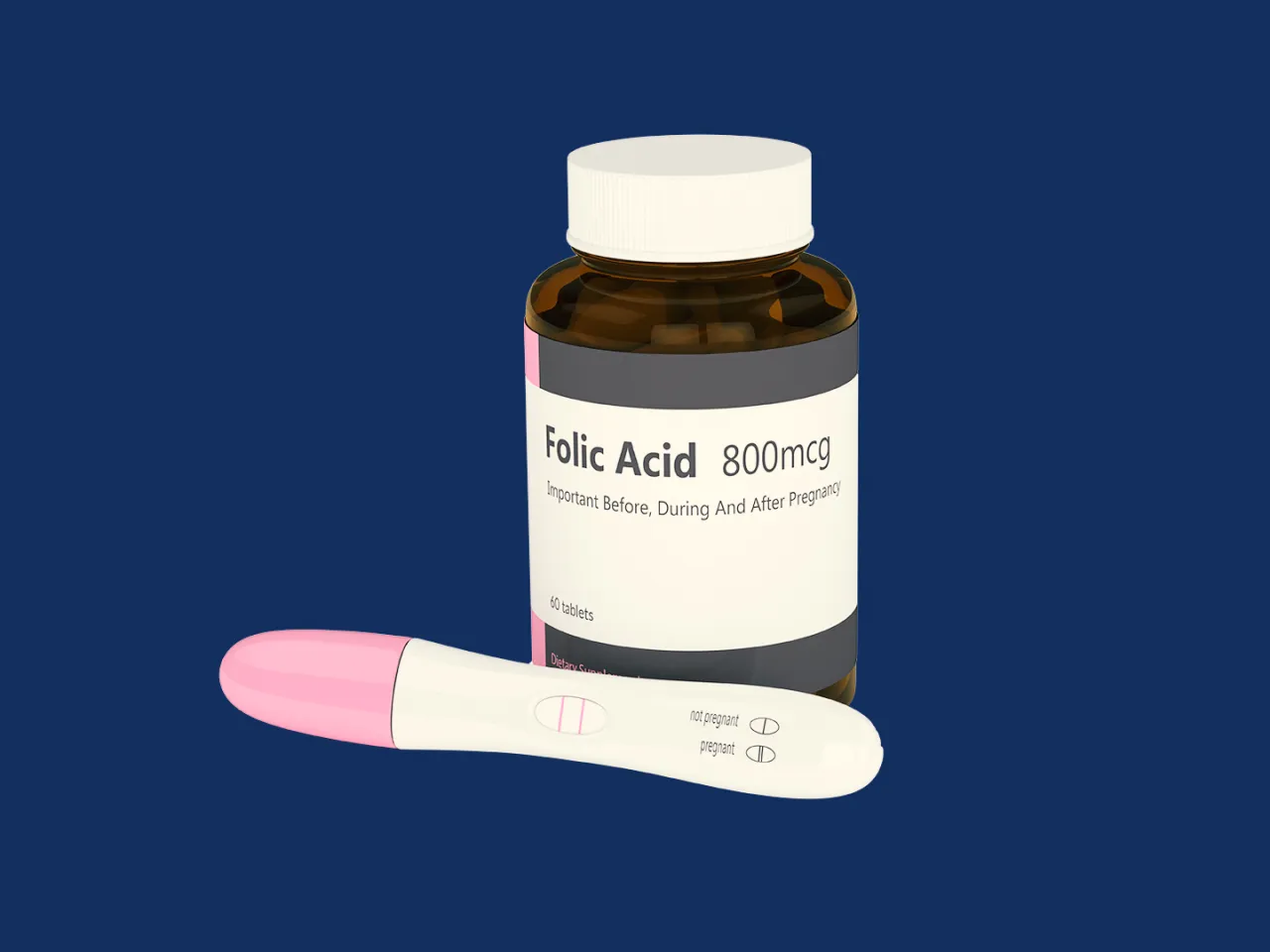
Seeing a faint line on a home test strip can trigger a wave of emotions—excitement, anticipation, hope, and often a touch of anxiety. In those quiet moments, your very first thought is naturally: Is this result completely accurate? Knowing how to confirm 100% pregnancy with medical certainty is the crucial first step that turns overwhelming guesswork into clarity, peace of mind, and confident planning.
In homes across Visakhapatnam—from bustling joint families in MVP Colony to young couples starting their lives in Madhurawada—the desire for a fast, conclusive answer is universal.
While home urine kits offer incredible convenience, factors like irregular cycles, testing too early, or faint lines can leave you searching for definitive proof.
By understanding how clinical diagnostics work—from quantitative blood marker analysis to early pelvic ultrasound imaging—you can step out of uncertainty and enter your maternal journey backed by a trusted lady gynecologist.

What is Clinical Pregnancy Confirmation?
Clinical pregnancy confirmation is the medical process of validating early gestation with 100% diagnostic certainty. Grounded in FOGSI and WHO protocols, it combines a quantitative serum Beta-hCG blood test (measuring exact hormone levels) with an early pelvic or transvaginal ultrasound scan to visually confirm an intrauterine gestational sac and embryonic cardiac activity.
                  ┌─────────────────────────────────────────┐
                  │    CLINICAL DIAGNOSTIC TRIAD FRAMEWORK  │
                  └────────────────────┬────────────────────┘
                                       │
         ┌─────────────────────────────┼─────────────────────────────┐
         ▼                             ▼                             ▼
┌─────────────────┐           ┌─────────────────┐           ┌─────────────────┐
│ Home Urine Test │           │ Serum Beta-hCG  │           │ Pelvic Ultrasound│
│ Initial screening│ ────────► │ Exact quantitative│ ────────► │ Visual cardiac  │
│ (97-99% accuracy│           │ hormone levels  │           │ & sac validation│
└─────────────────┘           └─────────────────┘           └─────────────────┘
How Common are Ambiguous Early Test Results in India?
Unclear or confusing early pregnancy test results are far more common than most women realize. Clinical data from Indian healthcare facilities indicates that up to 25% of women who take an early home urine test encounter faint lines, ambiguous readings, or timing errors that require follow-up medical testing.
Statistical surveys highlight several contributing factors among Indian women:
- High Prevalence of Irregular Cycles: Polycystic Ovary Syndrome (PCOS) affects approximately 15% to 20% of Indian women, frequently causing delayed or unpredictable ovulation that renders standard calendar calculations inaccurate.
- Early Testing Tendencies: High emotional anticipation leads nearly 40% of women to test several days before their expected period, when urinary hormone levels remain near baseline.
- Subclinical Nutritional Factors: Micronutrient gaps, such as iron-deficiency anemia (affecting over 50% of pregnant Indian women), can cause fatigue and missed periods that mimic early pregnancy symptoms despite a negative test result.
Relying on clinical diagnostic methods eliminates these uncertainties, providing complete clarity regarding your reproductive health.
Physical Signs That May Indicate Early Pregnancy
While diagnostic testing offers the only definitive proof, your body often signals early hormonal changes. In the days following successful fertilization and implantation, you may notice subtle shifts:
- A Missed Menstrual Period: The most classic early indicator, caused by rising progesterone levels that maintain the uterine lining.
- Breast Tenderness and Fullness: Increasing estrogen and progesterone can make breast tissue feel unusually sensitive, heavy, or swollen.
- Mild Implantation Spotting: Light pink or brownish spotting (occurring roughly 6 to 12 days post-conception) as the blastocyst implants into the uterine wall.
- Unexplained Fatigue: Rising progesterone levels combined with increased blood production can cause sudden, deep tiredness.
- Mild Nausea or Sensitivity to Odors: Often termed “morning sickness” (though it can occur at any time of day), triggered by rapidly surging human Chorionic Gonadotropin (hCG).
- Increased Frequency of Urination: Hormonal changes expand pelvic blood flow and prompt your kidneys to process fluid more efficiently.
4 Main Reasons Behind False or Confusing Test Results
Understanding why a test result might be unclear helps put faint lines or conflicting results into perspective:
1. Testing Too Early in the Cycle
Home urine kits detect hCG, which doubles roughly every 48 to 72 hours in early pregnancy. Testing before your body builds up a detectable concentration (typically 20 to 50 mIU/mL in urine) can result in a false negative or an extremely faint line.
2. Irregular Ovulation and Miscalculated Dates
If you ovulate later in your cycle than usual—common with stress, travel, or underlying PCOS—conception happens later than calculated by your last menstrual period (LMP). What feels like a “delayed period” may simply be an earlier stage of pregnancy.
3. Evaporation Lines on Test Strips
If a urine test strip is left sitting past the manufacturer’s recommended reading window (usually 3 to 5 minutes), evaporating urine can leave a colorless or greyish shadow line that is easily mistaken for a faint positive.
4. Recent Medications or Early Miscarriages
Certain fertility treatments containing hCG can cause a false positive result. Similarly, a “chemical pregnancy”—an early loss occurring shortly after implantation—can leave temporary traces of hCG in your system.
The Medical Diagnostic Process: From Faint Line to Certainty
When you want to know how to confirm 100% pregnancy, medical science relies on a structured, multi-step clinical approach that leaves zero room for doubt:
┌─────────────────────────────────────────────────────────────────────────────┐
│                 COMPARISON OF PREGNANCY DIAGNOSTIC METHODS                  │
├──────────────────┬──────────────────┬──────────────────┬────────────────────┤
│ Diagnostic Tool  │ Detection Marker │ Sensitivity Level│ Accuracy & Value   │
├──────────────────┼──────────────────┼──────────────────┼────────────────────┤
│ Home Urine Kit   │ Urinary hCG      │ 20 – 50 mIU/mL   │ ~97–99% (Qualitative│
│ (UPT)            │                  │                  │ screening only)    │
├──────────────────┼──────────────────┼──────────────────┼────────────────────┤
│ Serum Beta-hCG   │ Blood Stream hCG │ 1 – 5 mIU/mL     │ >99.9% (Exact      │
│ Laboratory Test  │ (Quantitative)   │                  │ numerical level)   │
├──────────────────┼──────────────────┼──────────────────┼────────────────────┤
│ Transvaginal     │ Visual structures│ Visible at hCG   │ 100% (Visual proof │
│ Ultrasound (TVS) │ & heartbeat      │ >1,500 mIU/mL    │ & ectopic rule-out)│
└──────────────────┴──────────────────┴──────────────────┴────────────────────┘

Step-by-Step Guide to Absolute Confirmation
If you are navigating unclear home results or simply want definitive verification, follow these medically established steps:
- Perform a Standard Morning Urine Test: Use your first morning urine specimen, which contains the highest concentration of hCG, approximately 3 to 5 days after a missed period.
- Obtain a Quantitative Serum Beta-hCG Blood Test: Visit a certified laboratory or medical facility. Unlike urine strips, a blood test measures exact hCG levels in milli-international units per milliliter (mIU/mL), detecting pregnancy up to 6 days before a missed period.
- Repeat Blood Testing After 48 Hours (If Indicated): In very early stages, your doctor may check if Beta-hCG levels double appropriately over 48 hours, confirming a healthy, progressing pregnancy.
- Schedule an Early Viability Ultrasound Scan: Between weeks 6 and 7 of gestation, an ultrasound scan offers ultimate confirmation by visually showing:
- An intrauterine gestational sac (confirming the pregnancy is safely inside the uterus).
- The yolk sac and emerging embryonic pole.
- The flickering fetal heartbeat (visible cardiac activity).
What Are the Options After Confirmation?
Once clinical evaluation provides 100% confirmation, your healthcare specialist will outline a personalized care pathway tailored to your needs:
- Initiating Essential Antenatal Care: If your pregnancy is confirmed and welcomed, your doctor will calculate your due date, review baseline blood parameters (hemoglobin, thyroid, blood sugar), and prescribe essential daily supplements such as folic acid and iron.
- Ectopic Pregnancy Screening: If you experience severe one-sided pelvic pain or dark spotting alongside a positive test, an immediate scan ensures the embryo has not implanted outside the uterus (such as in a fallopian tube).
- Managing Pre-Existing Conditions: Women with underlying thyroid dysfunction, diabetes, or hypertension receive immediate medical adjustments to safeguard maternal and fetal health right from the start.
When Should You See a Doctor?
While taking a home test is a convenient first step, certain situation call for timely medical evaluation. You should consult a qualified healthcare provider if:
- You receive conflicting home test results (alternating positive and negative readings).
- You haven’t had a period for over 6 weeks, yet home urine tests remain negative.
- You experience sharp pelvic or lower abdominal pain, dizziness, or unusual vaginal bleeding.
- You have a history of irregular cycles, PCOS, thyroid imbalances, or recurrent miscarriages.
If you are seeking complete medical clarity or wish to confirm your pregnancy with total accuracy, speaking with an experienced specialist is the best path forward. Dr. Devani Chalamuri at Vedanta Speciality Clinics in Madhurawada, Vizag specializes in early pregnancy diagnostics, high-risk maternal health, and comprehensive prenatal care, offering compassionate, evidence-based guidance for women across Visakhapatnam.
Frequently Asked Questions
How can I be 100% sure I am pregnant?
To confirm pregnancy with 100% certainty, you need a medical evaluation comprising a quantitative serum Beta-hCG blood test followed by an early pelvic ultrasound scan. An ultrasound provides definitive visual confirmation by detecting the gestational sac and embryonic heartbeat inside the uterus.
Can a home urine test give a false positive result?
False positives are rare but can occur due to recent fertility medications containing hCG, chemical pregnancies, severe urinary tract infections, or reading the test strip long after the recommended time window when evaporation lines form.
When should I see a gynecologist in Vizag for pregnancy confirmation?
You should schedule a visit as soon as you get a positive home urine test or miss your period by 5 to 7 days. Early clinical evaluation ensures accurate dating, verifies intrauterine implantation, and establishes your baseline maternal health.
What is the difference between a qualitative and quantitative Beta-hCG test?
A qualitative blood test simply yields a ‘yes’ or ‘no’ answer regarding whether pregnancy hormone is present. A quantitative Beta-hCG test measures the exact concentration of hCG in milli-international units per milliliter (mIU/mL), allowing doctors to assess early pregnancy progression.
How early can an ultrasound detect a pregnancy heartbeat?
A transvaginal ultrasound scan can typically detect a fetal heartbeat as early as 5.5 to 6 weeks of gestation (about 3 to 4 weeks after conception). An abdominal scan usually detects it clearly by 7 to 8 weeks.
Can I get an early pregnancy confirmation scan in Madhurawada?
Yes, complete clinical evaluations, serum Beta-hCG testing, and referrals for early viability ultrasound scans are fully coordinated at Vedanta Speciality Clinics in Madhurawada, Vizag.
Which doctor should I consult for pregnancy confirmation in Visakhapatnam?
Consulting an experienced pregnancy doctor Visakhapatnam, such as Dr. Devani Chalamuri at Vedanta Speciality Clinics, ensures precise diagnostic testing, compassionate guidance, and a seamless start to your prenatal care.
What is the cost of a gynaecologist consultation in Visakhapatnam?
Gynecological consultation fees in Visakhapatnam typically range between ₹400 and ₹800, depending on the clinic’s facility and specialist experience. Contact Vedanta Speciality Clinics in Madhurawada directly for exact scheduling and consultation details.

Step Out of Uncertainty and Into Expert Care
Understanding how to confirm 100% pregnancy helps you move past confusing home tests and take charge of your health with confidence. Whether you are eager to begin prenatal care or need definitive answers about your cycle, professional diagnostic guidance ensures you are supported every step of the way.
If you are ready to confirm your pregnancy status or schedule your baseline antenatal visit, Dr. Devani Chalamuri at Vedanta Speciality Clinics, Madhurawada, Vizag is available for a personalized consultation—connect via WhatsApp at +91 81257 65888 or visit Vedanta Speciality Clinics.



Leave a Comment