
Table of Contents
Pregnancy Diet for Gestational Diabetes: Vizag Guide
Receiving a gestational diabetes diagnosis during your routine pregnancy check-up can bring a rush of unexpected worries. You might wonder how this affects your growing baby and whether you will need to give up your favorite comfort foods. Establishing an effective pregnancy diet for gestational diabetes allows you to keep your blood sugar balanced while nourishing your body and baby with delicious, familiar meals.
Building a gestational diabetes meal plan does not mean strict deprivation or eating bland, uninspiring dishes. Instead, it is about learning how different foods—especially traditional Indian staples like rice, rotis, and dals—interact with your blood sugar levels. With a few thoughtful adjustments, consistent meal timing, and proper clinical guidance, you can navigate your pregnancy journey with complete confidence and safety.
What Is Gestational Diabetes?
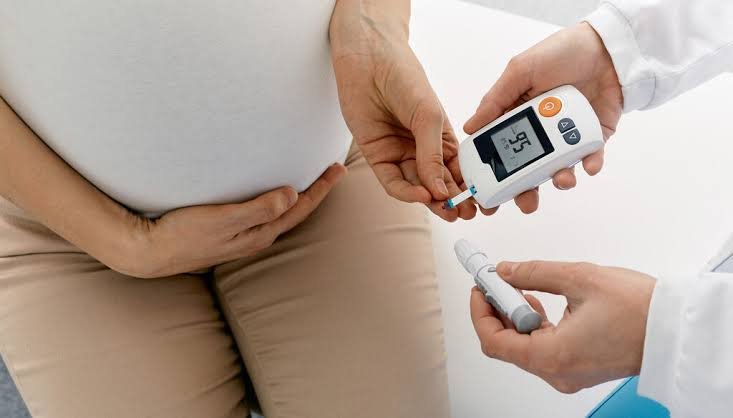
Gestational diabetes mellitus (GDM) is a temporary condition characterized by elevated blood glucose levels first recognized during pregnancy. It occurs when placental hormones interfere with the body’s natural insulin function. Managing it through a balanced pregnancy diet for gestational diabetes and lifestyle care keeps both mother and baby healthy.
How Common Is Gestational Diabetes Among Indian Women?
Gestational diabetes is surprisingly common in India, making it one of the most frequently managed aspects of modern prenatal care:
- National Prevalence: Clinical studies and guidelines from the Diabetes in Pregnancy Study Group India (DPSI) and FOGSI estimate that gestational diabetes affects roughly 10% to 18% of pregnant women across the country.
- South Indian Context: In urban and coastal regions like Visakhapatnam, prevalence rates can sometimes reach up to 20% due to genetic predisposition, dietary reliance on refined carbohydrates, and sedentary lifestyle changes.
- Normalizing the Condition: Having gestational diabetes does not mean you did anything wrong. It is simply a temporary physiological shift triggered by placental hormones, and it is entirely manageable with timely care.
┌─────────────────────────────────────────────────────────────────────────────┐
│                       BLOOD SUGAR TARGETS IN PREGNANCY                      │
├───────────────────┬─────────────────────────────┬───────────────────────────┤
│ Timing            │ Ideal Fasting / Post-Meal   │ Primary Dietary Strategy  │
│                   │ Target Range                │                           │
├───────────────────┼─────────────────────────────┼───────────────────────────┤
│ Fasting Blood     │ 70 – 95 mg/dL               │ Bedtime high-protein,     │
│ Glucose           │                             │ complex-carb snack        │
├───────────────────┼─────────────────────────────┼───────────────────────────┤
│ 1 Hour Post-Meal  │ Less than 140 mg/dL         │ Controlled carb portion;  │
│                   │                             │ pair carbs with protein   │
├───────────────────┼─────────────────────────────┼───────────────────────────┤
│ 2 Hours Post-Meal │ Less than 120 mg/dL         │ Light post-meal walk for  │
│                   │                             │ 10–15 minutes             │
└───────────────────┴─────────────────────────────┴───────────────────────────┘
Signs and Symptoms You May Notice
Gestational diabetes often develops quietly without dramatic physical changes, which is why routine screening between 24 and 28 weeks of pregnancy is so important. However, you may notice subtle indicators such as:
- Increased Thirst: Feeling unusually thirsty throughout the day, even when drinking adequate water.
- Frequent Urination: Needing to pass urine more often than typical pregnancy-related bladder pressure causes.
- Unusual Fatigue: Feeling drained or sluggish after meals, beyond normal pregnancy tiredness.
- Dry Mouth: Experiencing a persistent feeling of dryness in your mouth or throat.
- Mild Blurred Vision: Occasional temporary fuzziness in vision caused by fluid shifts in the eyes.
- Recurrent Vaginal Infections: Noticing frequent mild yeast or fungal infections due to elevated urinary glucose levels.
Causes and Contributing Factors of Gestational Diabetes
Understanding why blood sugar rises during pregnancy helps demystify the condition and guides your daily nutrition choices:
1.1. Placental Hormone Interference:The primary physiological factor.
As your placenta grows to support your baby, it produces hormones such as human placental lactogen (hPL), estrogen, and cortisol. These hormones naturally promote insulin resistance to ensure adequate glucose reaches the fetus.
2.2. Relative Insulin Shortage:When the pancreas cannot keep pace.
To offset hormone-induced resistance, a mother’s pancreas must produce two to three times more insulin than usual. If the body cannot meet this increased demand, excess sugar accumulates in the bloodstream.
3.3. Carbohydrate-Heavy Indian Diets:Regional dietary considerations.
Traditional daily meals centered heavily around polished white rice, refined wheat flour (maida), and sweetened snacks can cause rapid glucose spikes when insulin sensitivity is compromised.
4.4. Pre-existing Tendencies and Age:Genetic and lifestyle factors.
A family history of type 2 diabetes, maternal age above 28–30 years, pre-pregnancy body weight, or underlying conditions like PCOS (Polycystic Ovary Syndrome) significantly increase the likelihood of developing gestational diabetes.
How Is Gestational Diabetes Diagnosed?
Testing for gestational diabetes is a standard, safe, and routine part of prenatal care recommended by WHO and FOGSI guidelines:
- Oral Glucose Tolerance Test (OGTT): Typically performed between 24 and 28 weeks of gestation (or earlier if risk factors are present). You will drink a standard glucose solution, and your blood sugar is tested at fasting, 1-hour, and 2-hour intervals.
- Fasting and Postprandial Blood Tests: Regular laboratory checks to monitor how your body handles food intake throughout the day.
- Continuous Home Blood Glucose Monitoring: Your doctor may advise using a small digital glucometer to check your levels at home (fasting and after major meals) to see how your daily diet affects your blood sugar.
Building an Effective Pregnancy Diet for Gestational Diabetes
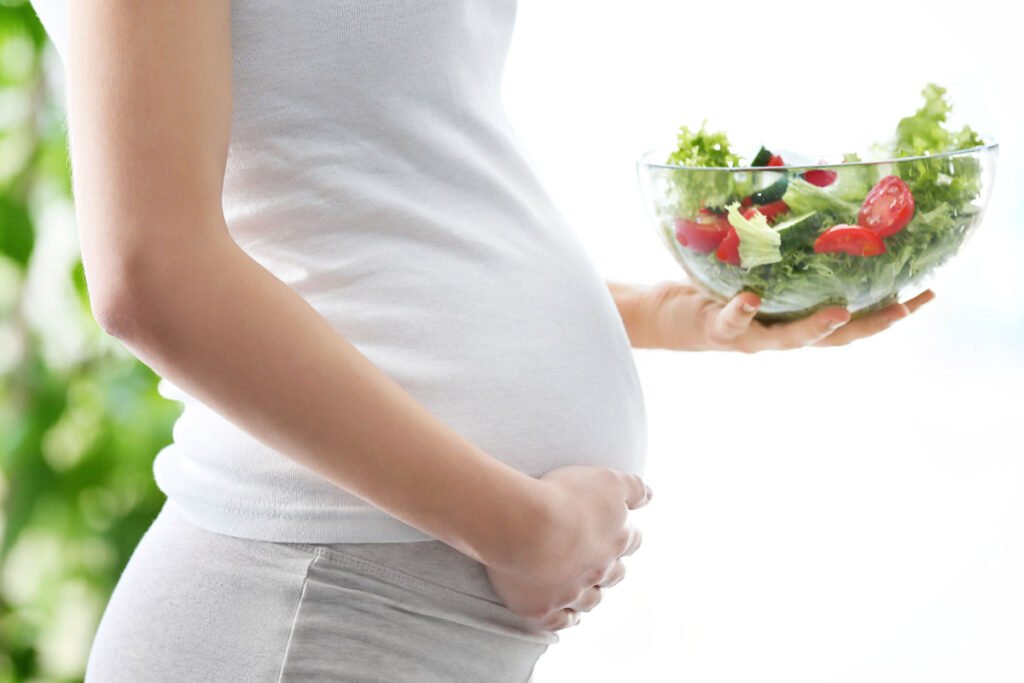
Designing a nourishing Indian meal plan involves choosing the right quality of carbohydrates, spreading meals evenly, and combining foods wisely.
1. Smart Swaps for Indian Staple Foods
You do not need to give up Indian cuisine; simply swap high-glycemic grains for low-glycemic, fiber-rich alternatives:
- Rice Alternatives: Swap polished white rice for brown rice, red rice, or traditional millets such as foxtail millet (korra), ragi, or jowar.
- Flour Choices: Choose whole wheat flour (atta) mixed with multi-grain options or chickpea flour (besan) instead of refined white flour (maida).
- Breakfast Foods: Replace plain white rice idlis or dosas with oats idli, pesarattu (green gram dosa), or vegetable-loaded multi-grain parathas.
2. Balancing the Plate Method
A simple visual guide for every main meal:
- 50% Non-Starchy Vegetables: Spinach, ridge gourd, bottle gourd, cabbage, cauliflower, beans, and leafy greens.
- 25% Lean Protein: Chana, rajma, lentils/dals, paneer, tofu, boiled eggs, or grilled fish/chicken.
- 25% Complex Carbohydrates: Small portion of brown rice, millet roti, or whole wheat roti.
┌─────────────────────────────────────────────────────────────────────────────┐
│                       SAMPLE INDIAN GDM MEAL SCHEDULE                       │
├───────────────────┼─────────────────────────────┼───────────────────────────┤
│ Meal Time         │ Recommended Food Options    │ Purpose & Benefit         │
├───────────────────┼─────────────────────────────┼───────────────────────────┤
│ Early Morning     │ Soaked almonds & walnuts +  │ Prevents morning fasting  │
│ (7:00 AM)         │ Warm lemon water            │ glucose spikes            │
├───────────────────┼─────────────────────────────┼───────────────────────────┤
│ Breakfast         │ Pesarattu with mint chutney │ High-protein, low GI      │
│ (8:30 AM)         │ OR Oats vegetable upma      │ sustained energy          │
├───────────────────┼─────────────────────────────┼───────────────────────────┤
│ Mid-Morning Snack │ Roasted chana OR Guava/     │ Keeps blood sugar stable  │
│ (11:00 AM)        │ Green apple with nuts       │ until lunch               │
├───────────────────┼─────────────────────────────┼───────────────────────────┤
│ Lunch             │ 1 Jowar roti + Dal + Palak  │ Balanced plate, rich in   │
│ (1:30 PM)         │ curry + Cucumber salad      │ fiber and protein         │
├───────────────────┼─────────────────────────────┼───────────────────────────┤
│ Evening Snack     │ Sprouted moong chaat OR     │ Avoids late-afternoon     │
│ (5:00 PM)         │ Boiled egg + Unsweetened tea│ energy crashes            │
├───────────────────┼─────────────────────────────┼───────────────────────────┤
│ Dinner            │ 1 Multi-grain roti + Mixed  │ Light dinner for better   │
│ (8:00 PM)         │ veg curry + Paneer / Fish   │ fasting numbers           │
├───────────────────┼─────────────────────────────┼───────────────────────────┤
│ Bedtime Snack     │ Warm turmeric milk (no sugar)│ Stabilizes overnight      │
│ (10:00 PM)        │ + 2 Whole walnuts           │ glucose levels            │
└───────────────────┴─────────────────────────────┴───────────────────────────┘
What Are the Overall Management Options?
While nutrition forms the cornerstone of managing gestational diabetes, holistic care includes several supportive approaches:
- Medical Nutrition Therapy (MNT): Tailored meal plans created in consultation with your obstetrician and a dietitian to ensure adequate calorie intake for your baby’s growth while maintaining glycemic control.
- Moderate Physical Activity: Light to moderate exercise, such as a 15-minute gentle walk after meals, helps your muscles absorb glucose naturally without requiring extra insulin.
- Clinical Glucose Tracking: Keeping a daily log of blood sugar readings helps identify specific food triggers and track your progress accurately.
- Safe Medication Support: If blood sugar levels remain elevated despite dietary changes, your doctor may recommend safe, pregnancy-approved insulin therapy or oral medications to protect your pregnancy.
When Should You See a Doctor?
Consistent, specialized guidance ensures that both your nutrition and blood sugar stay on track throughout your pregnancy. You should consult a healthcare provider if you notice:
- Persistent blood glucose readings above your recommended target ranges.
- Frequent episodes of low blood sugar (hypoglycemia) accompanied by shakiness, sweating, or dizziness.
- Difficulty managing dietary recommendations due to severe nausea or food aversions.
- Concerns about your baby’s growth or fetal movement patterns.
If you recognise several of these symptoms in yourself, speaking to a qualified gynaecologist is the most important next step. Dr. Devani Chalamuri at Vedanta Speciality Clinics in Madhurawada, Vizag specialises in high-risk pregnancy care and offers compassionate, evidence-based management for women across Visakhapatnam.
Comparing Carbohydrate Quality in Indian Diets
Choosing low-glycemic index (GI) foods makes a significant difference in managing daily glucose levels effectively:
| Food Category | High Glycemic (Avoid or Limit) | Low Glycemic / Complex (Recommended) | Why the Swap Matters |
| Grains & Rice | White polished rice, maida, instant noodles | Brown rice, foxtail millet, jowar, whole oats | Digest slowly, preventing sharp blood sugar spikes after meals. |
| Proteins | Fried snacks, high-fat processed meats | Dal, sprouts, paneer, boiled eggs, grilled fish | Provides steady fullness and stabilizes carbohydrate absorption. |
| Breakfast Items | White bread toast, sweetened cereals, plain idli | Pesarattu, oats upma, multi-grain vegetable paratha | High protein and fiber content support morning glucose management. |
| Snacks & Drinks | Fruit juices, carbonated drinks, bakery biscuits | Roasted makhana, unsalted nuts, buttermilk, boiled chana | Keeps energy levels steady without hidden sugars. |
How Early Should I Start Prenatal Care in Visakhapatnam?
Starting prenatal care early in your first trimester allows your doctor to evaluate baseline blood sugar, assess risk factors, and introduce preventative nutrition habits long before gestational diabetes screening takes place. Early monitoring establishes a safe blueprint for a healthy pregnancy journey.
What Are the Signs of Gestational Diabetes in Women?
Most women do not experience noticeable physical symptoms, which is why diagnostic screening is so vital. However, mild signs like excessive thirst, needing to pass urine more frequently than usual, dry mouth, or sudden post-meal fatigue may suggest it is time to check your blood sugar levels with a specialist.
Frequently Asked Questions
What is the best pregnancy diet for gestational diabetes in Indian households?
A balanced Indian pregnancy diet for gestational diabetes focuses on replacing refined grains like white rice and maida with complex carbohydrates such as millets, brown rice, and oats. Pair these with adequate protein like dal, paneer, eggs, or fish, and plenty of fiber-rich green vegetables to stabilize blood sugar spikes.
Can gestational diabetes affect my baby during delivery?
When blood sugar levels are well-controlled through a structured pregnancy diet for gestational diabetes and clinical monitoring, most women have healthy pregnancies and smooth deliveries. Uncontrolled glucose can lead to higher birth weight (macrosomia), making delivery slightly more complex.
Should I completely stop eating white rice if I have gestational diabetes?
You do not necessarily have to eliminate white rice entirely, but controlling portion sizes is crucial. Replacing a portion of white rice with brown rice, foxtail millet, or adding equal amounts of dal and vegetables lowers the overall glycemic load of your meal.
Does gestational diabetes go away after giving birth?
In the majority of cases, gestational diabetes resolves naturally shortly after delivery once placental hormones normalize. A follow-up glucose tolerance test is usually recommended 6 to 12 weeks postpartum to verify blood sugar levels.
Which doctor should I see for gestational diabetes management in Visakhapatnam?
You should consult an experienced lady gynecologist Visakhapatnam or pregnancy doctor Visakhapatnam who specializes in high-risk pregnancy care, such as Dr. Devani Chalamuri at Vedanta Speciality Clinics in Madhurawada.
How early should I start screening for gestational diabetes in pregnancy?
Routine screening with an Oral Glucose Tolerance Test (OGTT) typically occurs between 24 and 28 weeks of gestation. However, if you have risk factors such as a family history of diabetes or PCOS, your obstetrician in Vizag may suggest testing earlier in the first trimester.
Are fruits safe to eat on a gestational diabetes diet?
Yes, whole fruits rich in fiber such as guava, green apples, berries, and oranges are great in moderation. It is best to avoid fruit juices or high-glycemic fruits like mangoes and chikoo in large quantities.
Where can I get personalized pregnancy diet counseling in Madhurawada?
Comprehensive prenatal nutrition plans and gestational diabetes care are provided at Vedanta Speciality Clinics in Madhurawada, Visakhapatnam, guided by Dr. Devani Chalamuri.

Empowering Your Pregnancy Journey
Gestational diabetes is simply a temporary milestone on your pregnancy path, not an obstacle to enjoying healthy, delicious meals. By understanding how foods affect your body and choosing nourishing Indian options, you take direct control of your health and give your baby the best possible foundation.
If you are experiencing any of these symptoms or need expert prenatal guidance, Dr. Devani Chalamuri at Vedanta Speciality Clinics, Madhurawada, Vizag is available for a consultation — https://vedantaspecialityclinics.com/. Dedicated, expert care is always right here in Visakhapatnam to support you every step of the way.


Leave a Comment